In industrial manufacturing, time is money—and inefficient cutting tools can silently erode your profit margins. For companies working with stainless steel, especially in high-volume applications like construction, automotive, or food processing equipment, choosing the right blade isn’t just about performance—it’s about sustainability, safety, and long-term ROI.
Many manufacturers still rely on traditional resin-bonded diamond blades for stainless steel cutting. While initially cheaper, these tools typically last only 30–50% longer than brazed alternatives, leading to frequent replacements and unexpected downtime. According to a 2023 study by Metalworking Insights, shops using suboptimal blades report an average of 18% higher labor costs per batch due to tool changes and rework.
| Feature | Resin-Bonded | ZS400H Brazed |
|---|---|---|
| Cutting Speed (m/min) | 15–25 | 30–45 |
| Life Expectancy (hours) | 8–12 | 20–30 |
| Heat Resistance | Low (up to 150°C) | High (up to 350°C) |
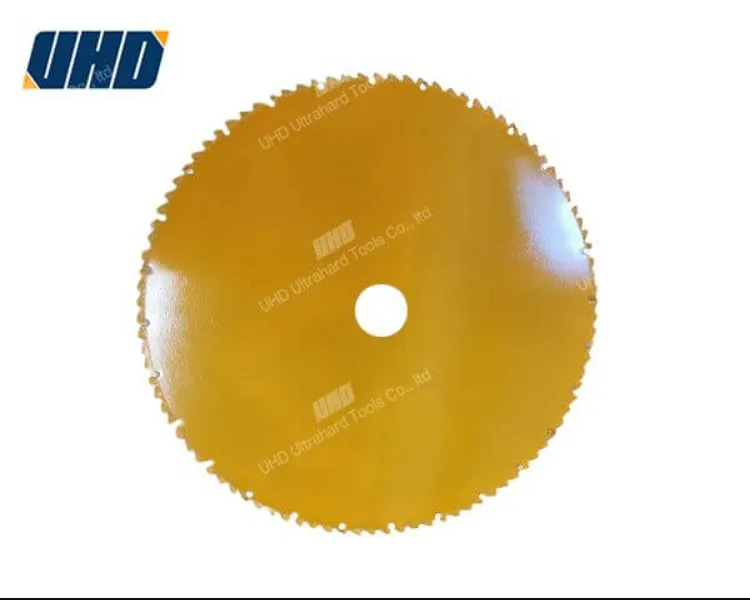
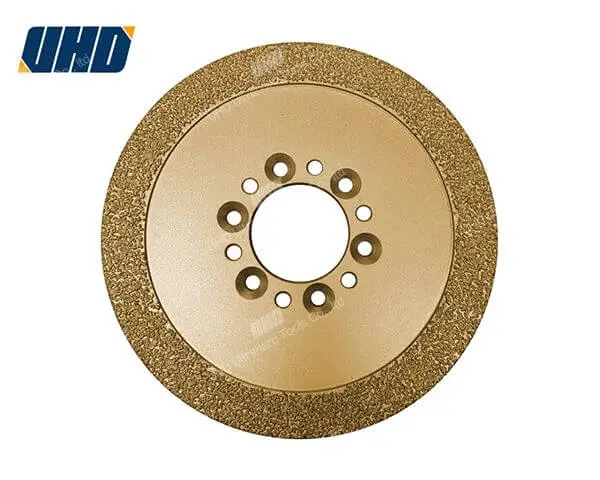
Unlike standard blades, the ZS400H uses precision-engineered coarse-grained diamond particles (80/100 mesh) embedded in a cobalt-based alloy matrix. This combination ensures consistent edge integrity under heavy loads while resisting thermal degradation—a key factor when cutting austenitic stainless steels like 304 or 316.
The real differentiator? The brazing process. Instead of polymer bonding, which weakens over time, ZS400H welds the diamond segment directly onto the steel core at 850°C. This creates a bond strength exceeding 30 MPa, reducing chipping by up to 70% compared to resin options—especially critical during interrupted cuts or uneven surfaces.
Even the best blade needs proper setup. Here are three actionable tips used by our top clients:
Proper maintenance extends blade life significantly—cleaning debris after each shift and inspecting for micro-cracks weekly can prevent costly failures.
Whether you're scaling production or optimizing existing lines, ZS400H delivers measurable improvements in speed, durability, and cost control.
Get Your Free Technical Brochure Now →





.png?x-oss-process=image/resize,h_600,m_lfit/format,webp)