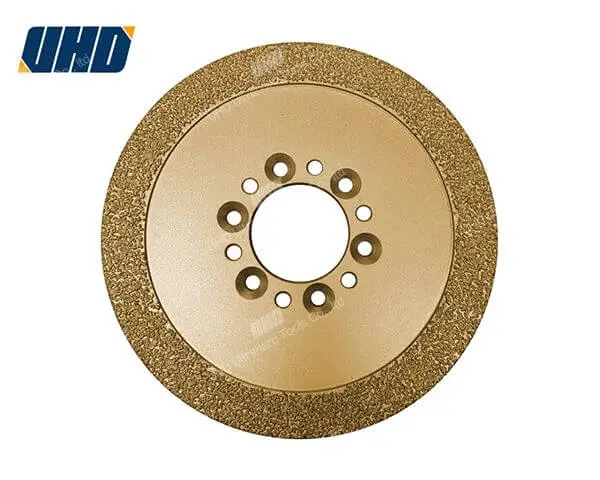
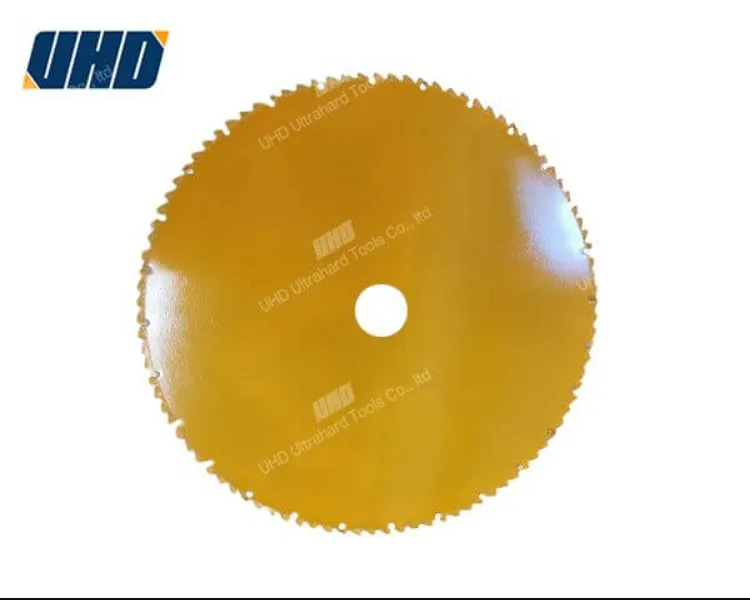
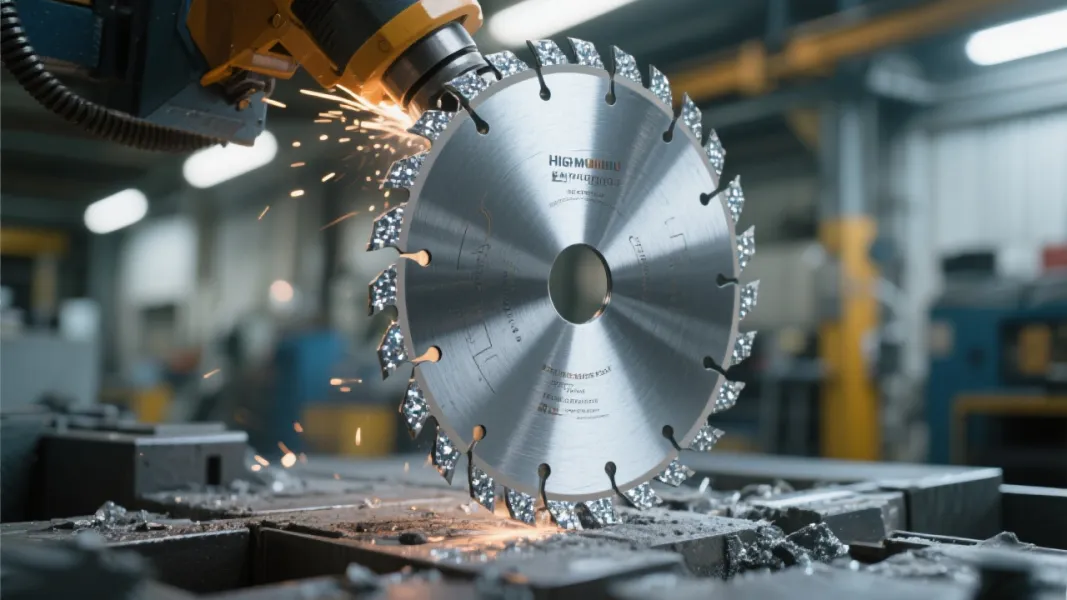
In today’s regulated manufacturing environment, dust control isn’t just a safety concern—it’s a compliance imperative. According to the U.S. National Institute for Occupational Safety and Health (NIOSH), exposure to respirable crystalline silica from cutting operations exceeds permissible limits in over 60% of construction and stone processing sites without proper mitigation. This is where advanced diamond blades like the ZS400H come into play—not as tools, but as part of an integrated green machining strategy.
The ZS400H achieves up to 45% less airborne particulate matter compared to standard blades under dry-cut conditions—a figure validated by independent lab tests conducted at the University of Birmingham’s Materials Processing Lab. Here's how:
“We saw immediate improvement in air quality after switching to ZS400H. Our workers no longer need N95 masks on every shift.” — Miguel Torres, Operations Manager at StoneTech Solutions (Mexico)
While wet cutting traditionally suppresses dust through coolant absorption, it introduces new challenges: water contamination, increased downtime for drying, and potential corrosion. In contrast, the ZS400H excels in dry environments—ideal for remote job sites or facilities with limited water access.
| Cutting Method | Avg. Dust Level (mg/m³) | Key Advantage |
|---|---|---|
| Wet Cutting (Standard Blade) | 12.7 | Effective short-term suppression |
| Dry Cutting (ZS400H) | 6.9 | Sustainable, low-maintenance operation |
| Wet Cutting (ZS400H) | 4.3 | Superior dust capture + better tool life |
To maximize dust reduction and extend blade life:
Discover how ZS400H can help you meet global environmental standards while boosting productivity. Download our free technical whitepaper on low-dust industrial cutting solutions—packed with real-world data, case studies, and maintenance best practices.
Learn More About Efficient & Eco-Friendly Cutting Solutions
 390
|
390
|
 brazed diamond saw blade
cutting noise reduction
saw blade segment layout
vibration control in cutting
efficient construction cutting
brazed diamond saw blade
cutting noise reduction
saw blade segment layout
vibration control in cutting
efficient construction cutting
 497
|
400mm diamond saw blade
brazed diamond blade
high hardness material cutting
stone cutting tools
dry wet cutting blade
497
|
400mm diamond saw blade
brazed diamond blade
high hardness material cutting
stone cutting tools
dry wet cutting blade
 43
|
ZS400H brazed diamond blade
industrial cutting blade
cutting complex workpieces
high-performance blade
eco-friendly blade
43
|
ZS400H brazed diamond blade
industrial cutting blade
cutting complex workpieces
high-performance blade
eco-friendly blade
 299
|
400mm diamond saw blade usage methods
dry cutting vs wet cutting
brazed diamond saw blade application techniques
saw blade lifespan extension strategies
stone cutting construction solutions
299
|
400mm diamond saw blade usage methods
dry cutting vs wet cutting
brazed diamond saw blade application techniques
saw blade lifespan extension strategies
stone cutting construction solutions
 249
|
400mm diamond saw blade
brazed diamond saw blade
stone cutting tools
wet - and - dry saw blade
high - efficiency cutting solutions
249
|
400mm diamond saw blade
brazed diamond saw blade
stone cutting tools
wet - and - dry saw blade
high - efficiency cutting solutions