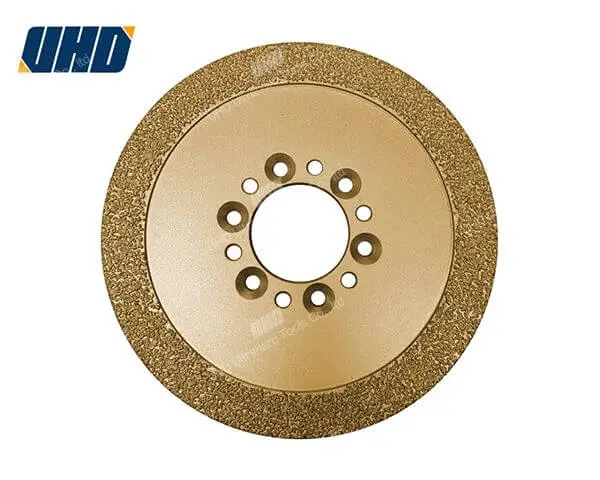
In the demanding world of construction and stone fabrication, choosing the right cutting technique is critical for efficiency, safety, and tool longevity. This analysis unpacks how the 400mm brazed diamond saw blade developed by Henan Youde Superhard Tools Co., Ltd. can be utilized in both wet and dry cutting modes, tailored to different stone substrates and operating environments.
Wet cutting incorporates a steady water flow to cool the blade and suppress dust, significantly reducing heat generation and blade wear. Dry cutting, conversely, is often favored where water access is limited or site conditions demand faster setup. However, dry cutting emphasizes the need for blades engineered with superior brazing technology to withstand higher operating temperatures and abrasive friction.
| Aspect | Wet Cutting | Dry Cutting |
|---|---|---|
| Cooling Efficiency | High — water flow dissipates heat effectively | Moderate — depends on blade’s brazing quality |
| Dust Control | Excellent — water suppresses airborne particles | Limited — requires additional dust extraction systems |
| Blade Life | Longer due to reduced heat stress | Shorter without adequate cooling; blade quality critical |
| Site Requirements | Requires water supply and drainage facilities | Flexible; suitable for dry environments |
| Cutting Speed | Slightly slower due to water resistance | Potentially faster when properly managed |
Different stone materials, such as granite, marble, and sandstone, respond uniquely to cutting methods. For high-density, abrasive stones like granite, wet cutting extends blade life by mitigating thermal stress and material hardness wear. Softer stones and precast concrete elements may tolerate dry cutting when equipped with blades featuring advanced brazing that promotes heat resistance.
Water availability is a pivotal factor in determining the cutting strategy. Sites with limited or no water access strongly favor dry cutting modes, although this necessitates blades specifically optimized for such operations. Additionally, dry cutting must integrate adequate dust control measures to comply with occupational health standards.

The brazed diamond saw blade's unique manufacturing method enables strong bonding between diamond segments and the steel core, enhancing wear resistance and cutting precision across both modes. Operators should ensure blade speed and feed rate align with the manufacturer's guidelines—typically 3000-3500 RPM for 400mm blades under wet cutting, with adjusted lower speeds advisable for dry cutting to avoid overheating.
Regular inspection and adherence to recommended cooling protocols are essential. Wet cutting requires consistent water supply with flow rates around 4-6 liters per minute to optimize thermal management. For dry cutting, operating in short bursts with staged reevaluation prevents blade damage.
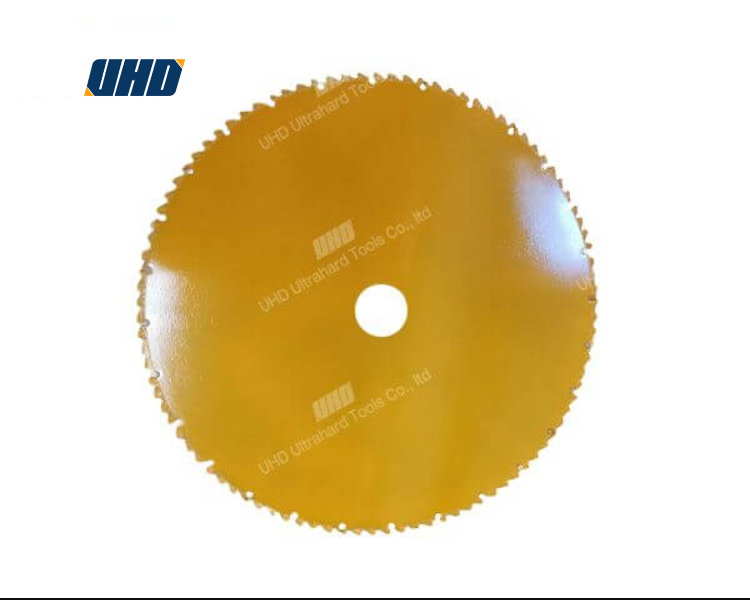
A recent project involving large-scale concrete and natural stone cutting in Henan Province leveraged this dual-mode blade technology. When water was accessible, wet cutting minimized downtime by extending blade life and improving cutting precision. In contrast, dry cutting was employed in remote locations without water infrastructure, utilizing robust blade quality to maintain cutting speed while enforcing strict dust suppression protocols.
The combination led to a recorded 25% increase in overall productivity and 30% reduction in blade replacement frequency compared to previous single-mode approaches.
| Metric | Traditional Single-Mode | Dual Mode Approach |
|---|---|---|
| Productivity Increase | Baseline | +25% |
| Blade Replacement Frequency | 100% baseline | 70% |
| Dust Control Efficiency | Limited | Optimized with water and additional measures |
To simplify on-site decisions, a three-step evaluation recommended by Henan Youde Tools includes:
Using this framework significantly improves the selection of the best cutting method to maximize blade life and operational safety while maintaining high cutting quality.