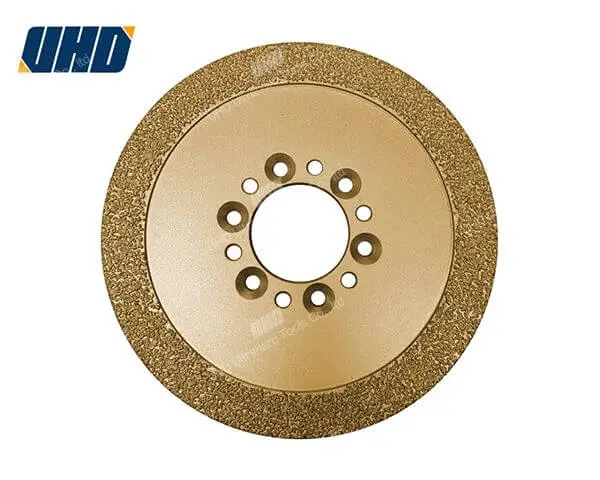
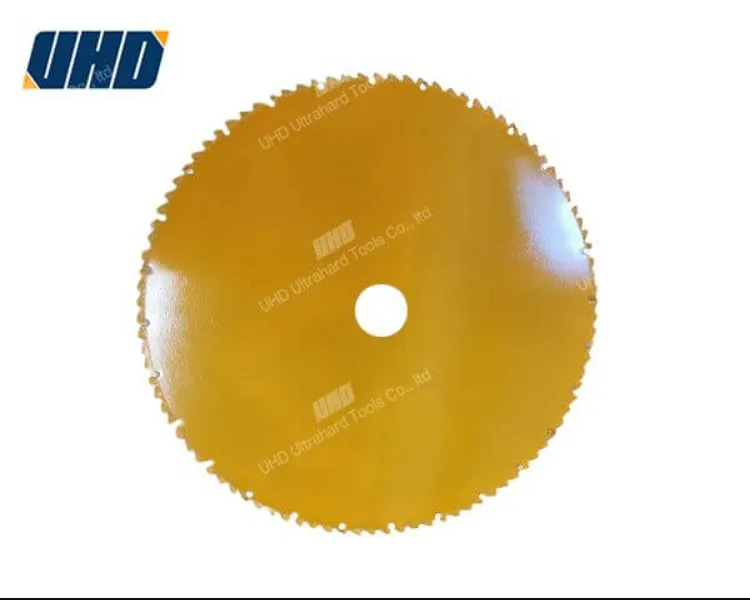
If you are working with 400mm brazed diamond saw blades on construction sites or in stone processing, understanding the difference between wet cutting and dry cutting isn’t just academic — it directly impacts your operational costs and blade lifespan. Fresh from industry data and real-world project feedback, this guide unpacks the cooling mechanisms of brazed diamond blades, when and why to use wet cutting, practical mistakes to avoid, and a clear three-step decision guide to optimize your cutting process.
Brazed diamond blades rely heavily on thermal management for durability. During cutting, friction generates heat that can degrade the bonding alloy — typically a brazing layer — holding the diamond crystals in place. Wet cutting supplies a continuous coolant (usually water) that rapidly lowers cutting temperature, protecting this critical joint.
Studies show that using wet cutting can extend blade life by at least 3 times compared to dry cutting under similar workloads. This is because proper cooling:
| Aspect | Wet Cutting | Dry Cutting |
|---|---|---|
| Blade Temperature | Maintained below 60°C | Can exceed 150°C rapidly |
| Dust Emission | Minimal, water suppresses dust | High, risks respiratory hazard |
| Suitability for Hard Materials | Excellent, cold cutting prevents blade stress | Limited, quick wear on abrasive stones |
| Operational Environment | Requires controlled water supply | Used when water is unavailable or unsafe |
Before you start cutting, ask yourself:
If you answered “yes” to any of these, wet cutting is your best bet to avoid premature blade wear and costly delays.
One frequent mistake involves ignoring cooling interruptions. For example, when operators pause cutting during wet cutting but keep the blade spinning, water flow often stops or becomes inconsistent, allowing heat buildup. This leads to brazing melt and diamond loss.
Another typical issue is attempting dry cutting on hard materials without specially designed dry blades, causing rapid degradation and blade “gumming”—a residue buildup that further traps heat and wears out segments.
Follow this simple workflow, and you won’t just protect your blades but also enhance cutting efficiency and job site safety.
Don’t Let Your 400mm Brazed Diamond Saw Blades Fade Prematurely! Correct Use Boosts Their Lifespan More Than 3X.
The science is clear: maintaining proper cooling with wet cutting preserves the structural integrity of your brazed joints and diamond particles, saving you replacement costs and downtime. Being proactive on-site with cooling protocols and material selection decisions can prevent the most common causes of blade degradation.
Keep every serration sharp and every diamond crystal intact for the long haul — because every cut you make counts.
Discover Our High-Performance 400mm Brazed Diamond Saw Blades Now