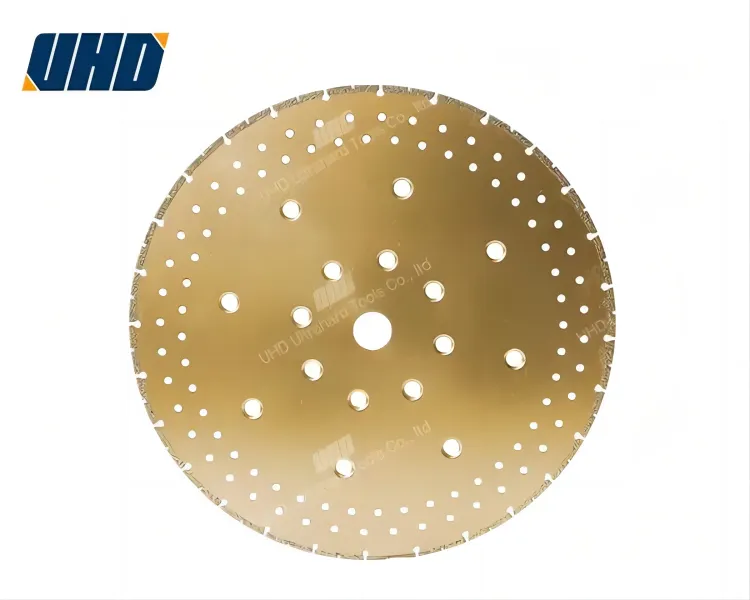
Metal fabrication industries face persistent challenges such as burr formation, surface roughness, and rapid tool wear when cutting hard metals. These issues not only compromise product quality but also reduce operational efficiency and increase costs. This guide dissects the root causes behind these common obstacles and introduces the high-performance welding diamond cutting blade as a reliable solution that elevates precision, tool life, and environmental comfort.
Burrs typically arise due to excessive mechanical stress and thermal deformation during cutting, often exacerbated by incorrect cutting parameters or unsuitable blade design. Surface roughness results from irregular cutting trajectories and blade dulling, compromising the finish quality and necessitating secondary processing. Meanwhile, accelerated tool wear stems from inadequate abrasive material bonding and high friction, causing frequent blade replacements and downtime.
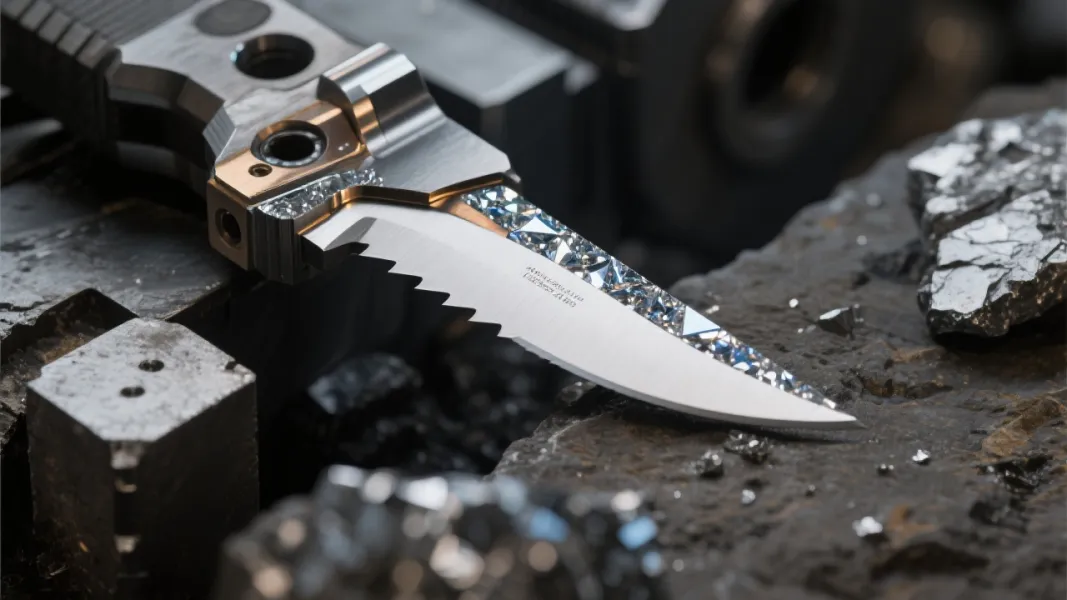
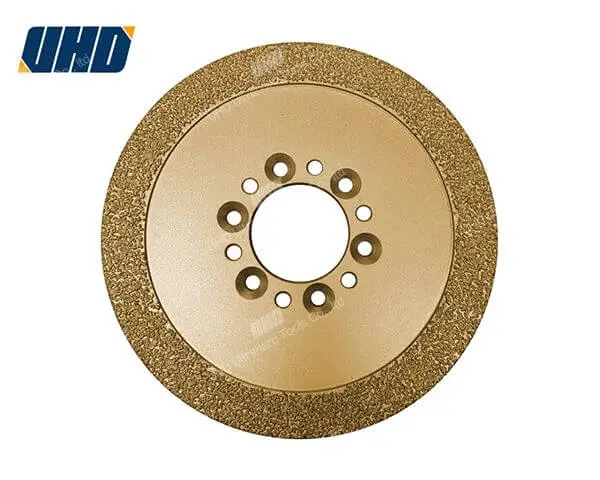
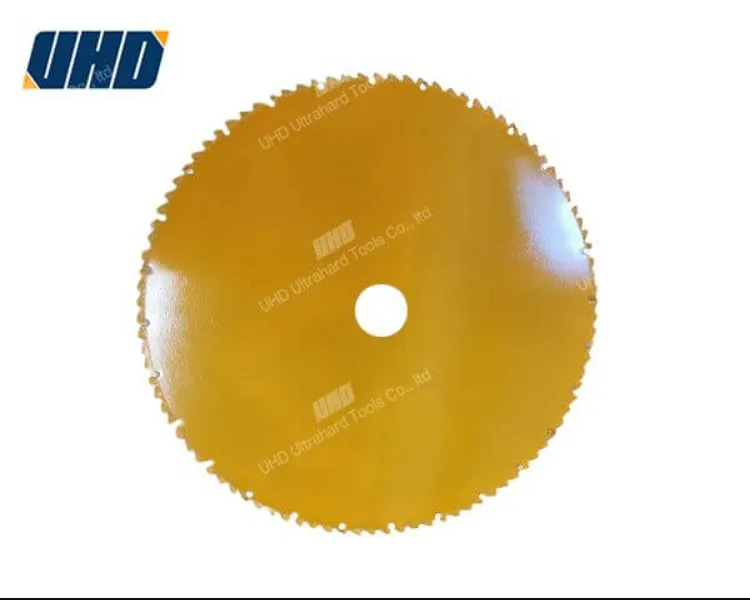
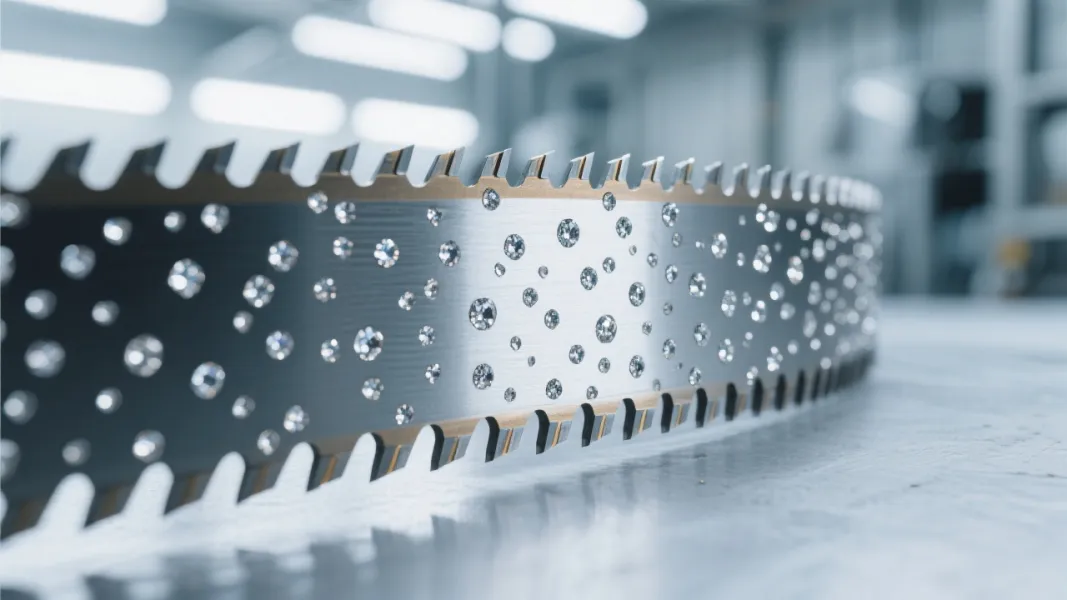
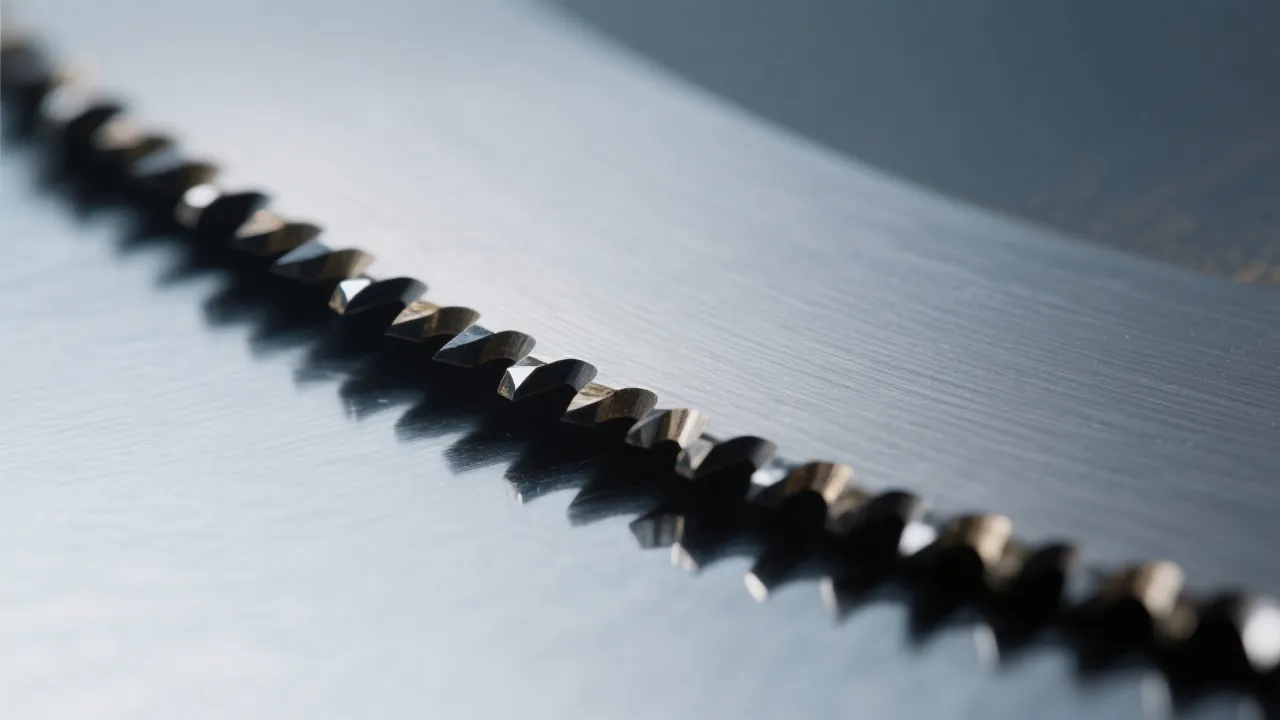
Welding diamond cutting blades leverage the synergy between ultra-sharp diamond abrasives and robust high-manganese steel substrates. Diamonds provide superior hardness (Mohs hardness 10), enabling clean, burr-free cuts through the toughest metals. The high-manganese steel offers elasticity and impact resistance, mitigating blade deformation and extending operational life up to 30% longer compared to traditional cutting discs.
The welding technique firmly integrates diamond grit with base materials, enhancing bonding strength by 25%, thereby preventing abrasive shedding and maintaining consistent cutting efficiency. This composition ensures precision cuts with minimal thermal distortion, translating to smoother surfaces and reduced post-processing.
Effective use of welding diamond blades requires fine-tuning parameters such as cutting speed, feed rate, and blade rotation RPM tailored to the metal type. For example:
Case studies demonstrate that adjusting parameters within these ranges can boost cutting efficiency by up to 35% while reducing burr formation by more than 40%.
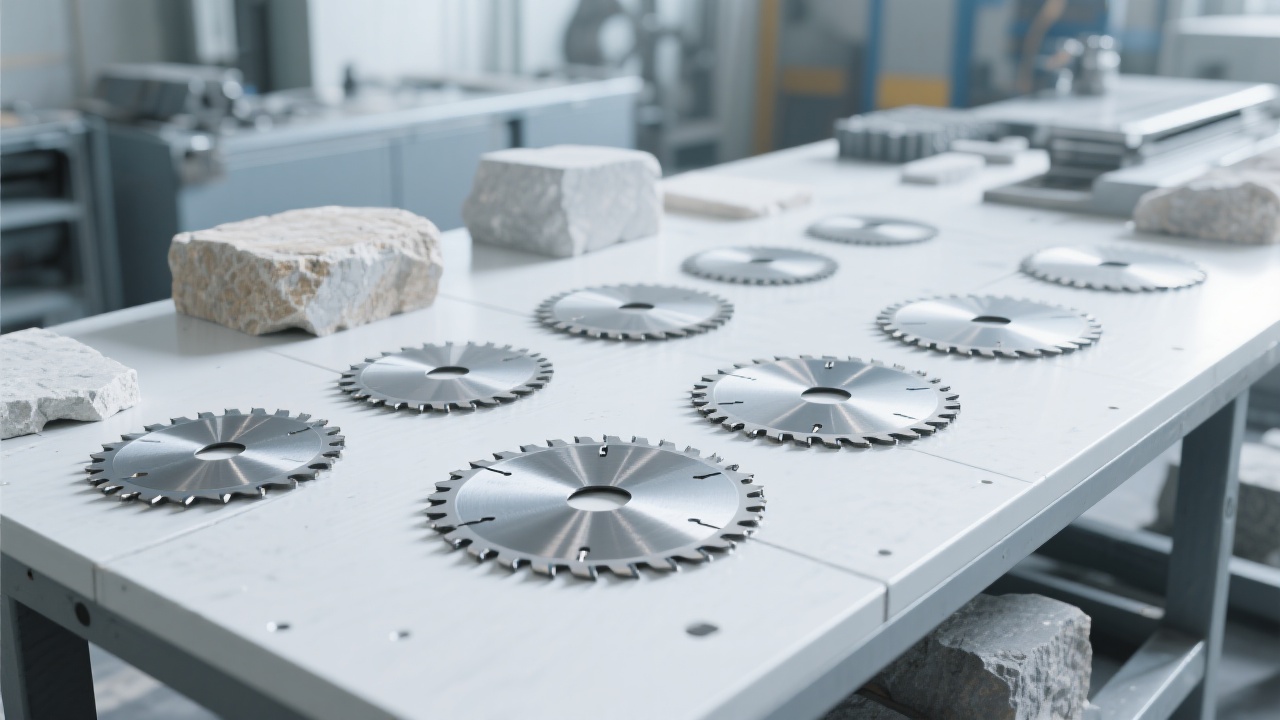
Beyond performance, welding diamond blades contribute to cleaner work environments. Their precise cuts generate up to 50% less fine particulate matter compared to abrasive wheels, supporting compliance with environmental standards like ISO 9001. Reduced dust emissions not only protect worker health but also minimize equipment contamination, extending machine maintenance intervals.
The elimination of secondary deburring processes accelerates throughput, enabling factories to increase daily output by an estimated 20-25%. Combined with extended blade life, these factors lower operational costs while enhancing product consistency.
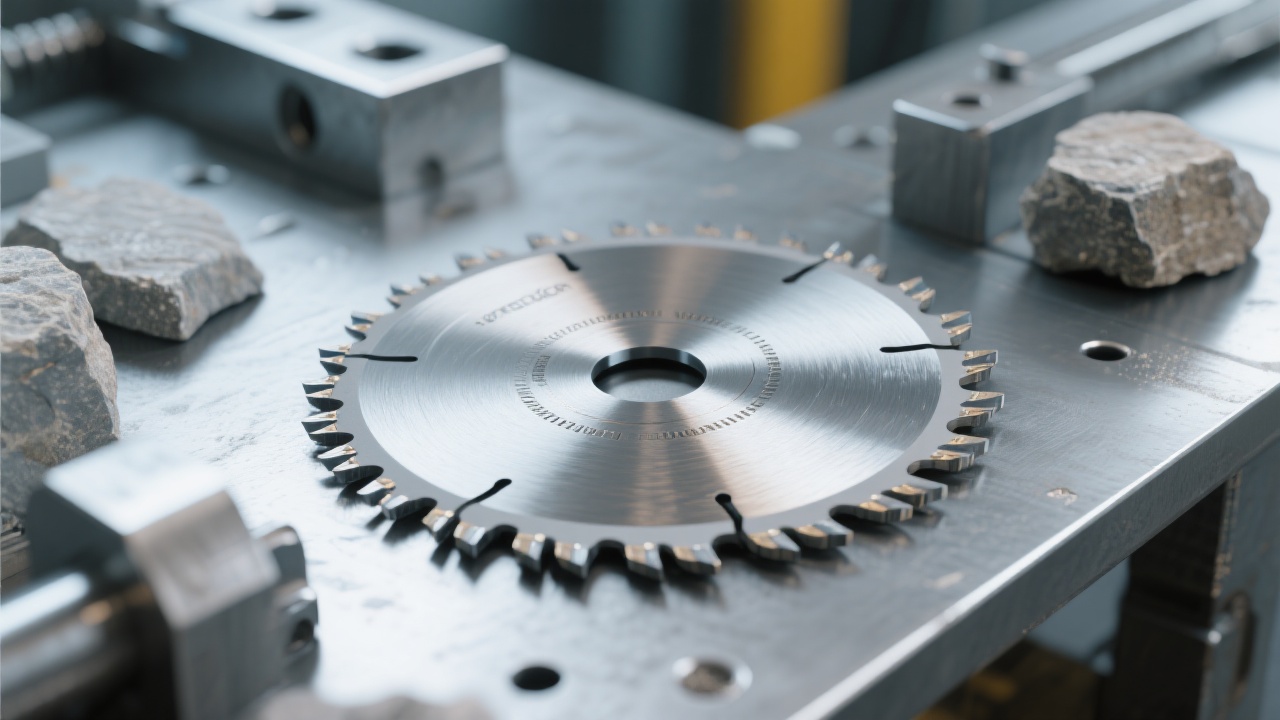
Feedback from industry practitioners highlights the blade’s reliability in demanding manufacturing lines, with many reporting measurable gains in precision and reduced downtime.
 76
|
76
|
 ZS400H diamond saw blade
industrial cutting blade
cutting complex workpieces
cost reduction
high-performance saw blade
ZS400H diamond saw blade
industrial cutting blade
cutting complex workpieces
cost reduction
high-performance saw blade
 261
|
400mm brazed diamond saw blade
saw blade vibration reduction
blade body material selection
cutting noise control
vibration damping in saw blades
261
|
400mm brazed diamond saw blade
saw blade vibration reduction
blade body material selection
cutting noise control
vibration damping in saw blades
 304
|
400mm diamond saw blade
dry cutting techniques
wet cutting methods
brazed diamond blade advantages
stone cutting solutions
336
|
Environmental-friendly cutting saw blade
Low-dust cutting technology
Diamond saw blade application
Manufacturing green transformation
Cutting dust control
304
|
400mm diamond saw blade
dry cutting techniques
wet cutting methods
brazed diamond blade advantages
stone cutting solutions
336
|
Environmental-friendly cutting saw blade
Low-dust cutting technology
Diamond saw blade application
Manufacturing green transformation
Cutting dust control
 348
|
400mm diamond saw blade
brazed diamond saw blade
dry cutting vs wet cutting
saw blade cooling methods
municipal engineering cutting
348
|
400mm diamond saw blade
brazed diamond saw blade
dry cutting vs wet cutting
saw blade cooling methods
municipal engineering cutting