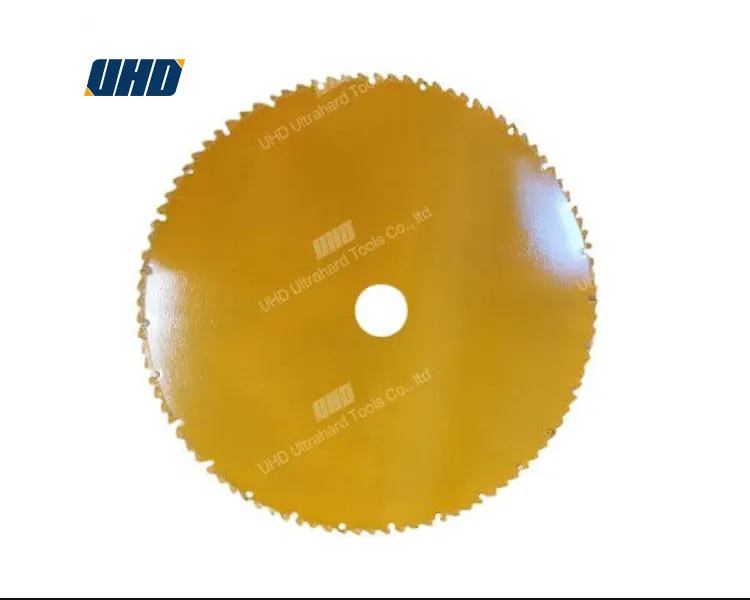
Vacuum brazing has emerged as a pivotal technology for producing high-performance diamond cutting tools that exhibit superior durability and enhanced cutting efficiency. This article delves into the technical essence of vacuum brazing processes, emphasizing temperature control, filler metal selection, and defect detection—cornerstones for stable production and outstanding tool quality.
At its core, vacuum brazing involves joining diamond particles to metallic substrates in a controlled vacuum environment, eliminating oxidation and contamination risks. Precise temperature profiles—typically between 900°C to 1100°C—are critical to facilitate optimal wetting and diffusion of filler metals, ensuring robust metallurgical bonds without damaging the diamond matrix.
The resultant metallurgical interface significantly enhances mechanical strength and wear resistance, directly improving tool lifespan by up to 30% compared to conventional brazing methods under ambient atmospheres.
Meticulous temperature regulation is vital for preventing thermal stresses that cause micro-cracks or delamination. Advanced vacuum furnaces with programmable control enable temperature ramping rates below 5°C/min, maintaining uniform heat distribution.
Selecting an appropriate filler metal alloy is equally crucial. Silver-copper alloys (Ag-Cu, 56-62% silver) augmented with minute additions of titanium or zirconium activate bonding to diamond surfaces. These alloys melt between 780°C and 900°C, offering ideal fluidity and mechanical properties.
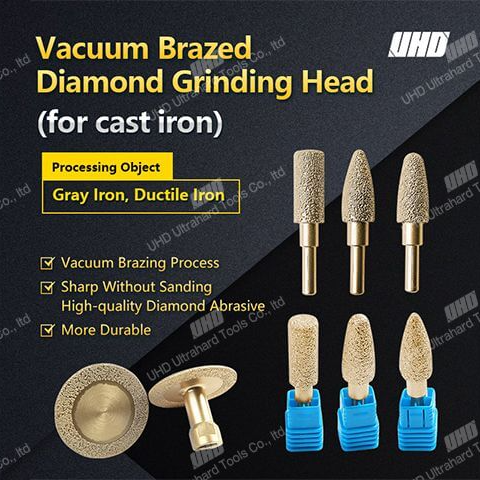
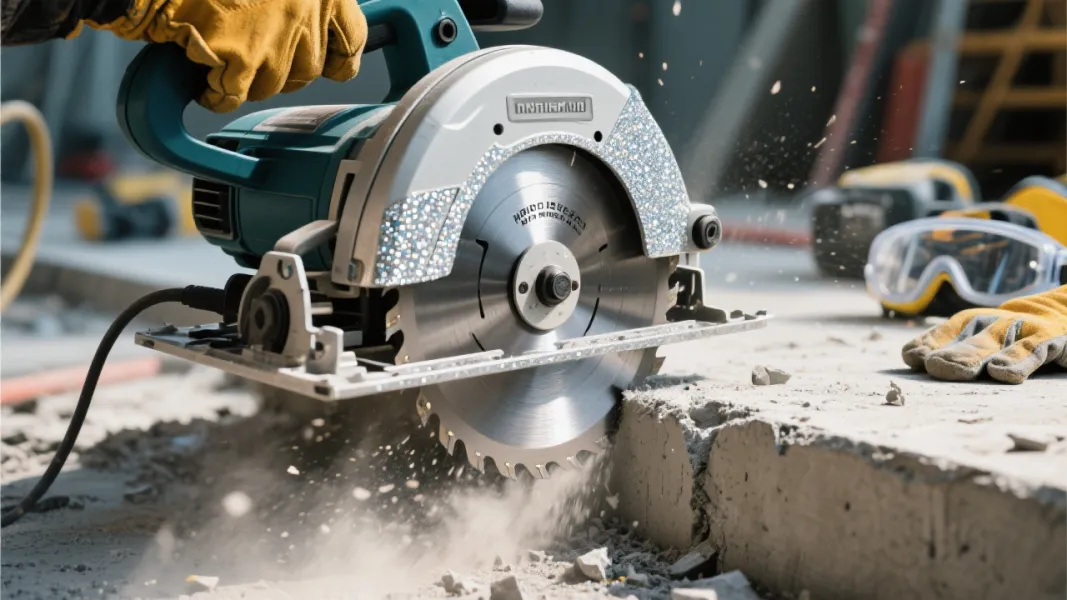
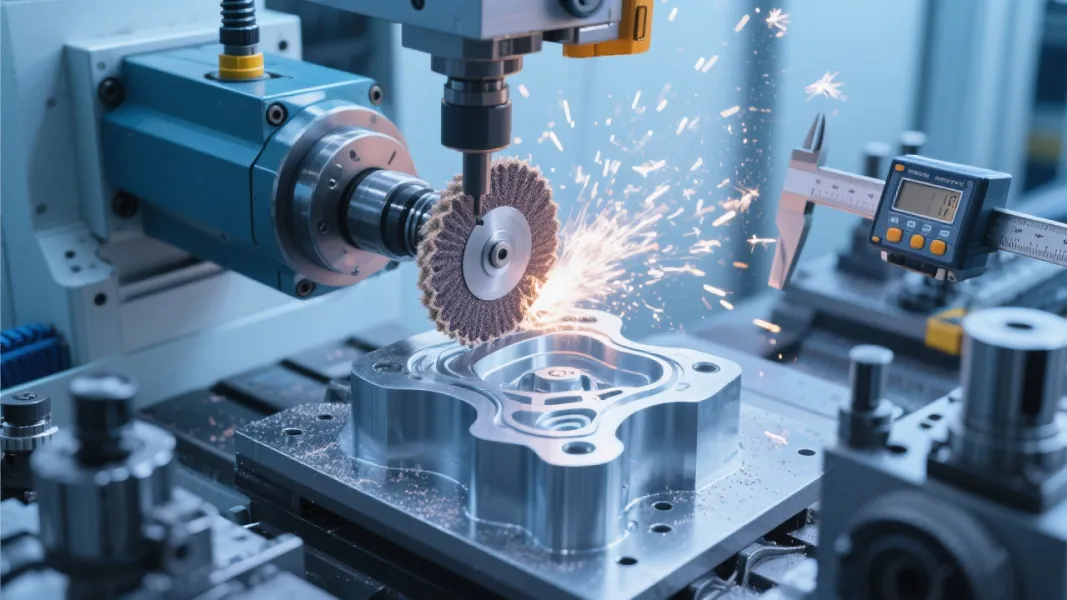
In practical settings such as precision CNC milling and stone slab cutting, vacuum-brazed diamond tools show remarkable improvements. Tools maintain sharpness longer, reducing downtime for resharpening by approximately 25%. The stable joint prevents diamond particle detachment, allowing consistent cuts with reduced chipping.
For example, thick plate cutting operations experience up to a 20% increase in feed rates without compromising cut quality because the brazed interface tolerates high mechanical shocks and heat loads.
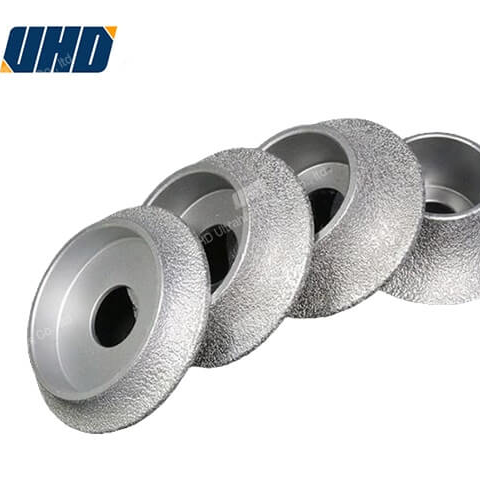
Ensuring consistent production quality involves routine inspection of brazed joints through non-destructive techniques such as ultrasonic testing and metallographic analysis. Early detection of voids or cracks mitigates catastrophic tool failures.
Maintenance protocols recommend controlled cleaning of tools with non-abrasive agents and avoiding sudden thermal cycling during operation to sustain bond integrity and prolong diamond tool life.
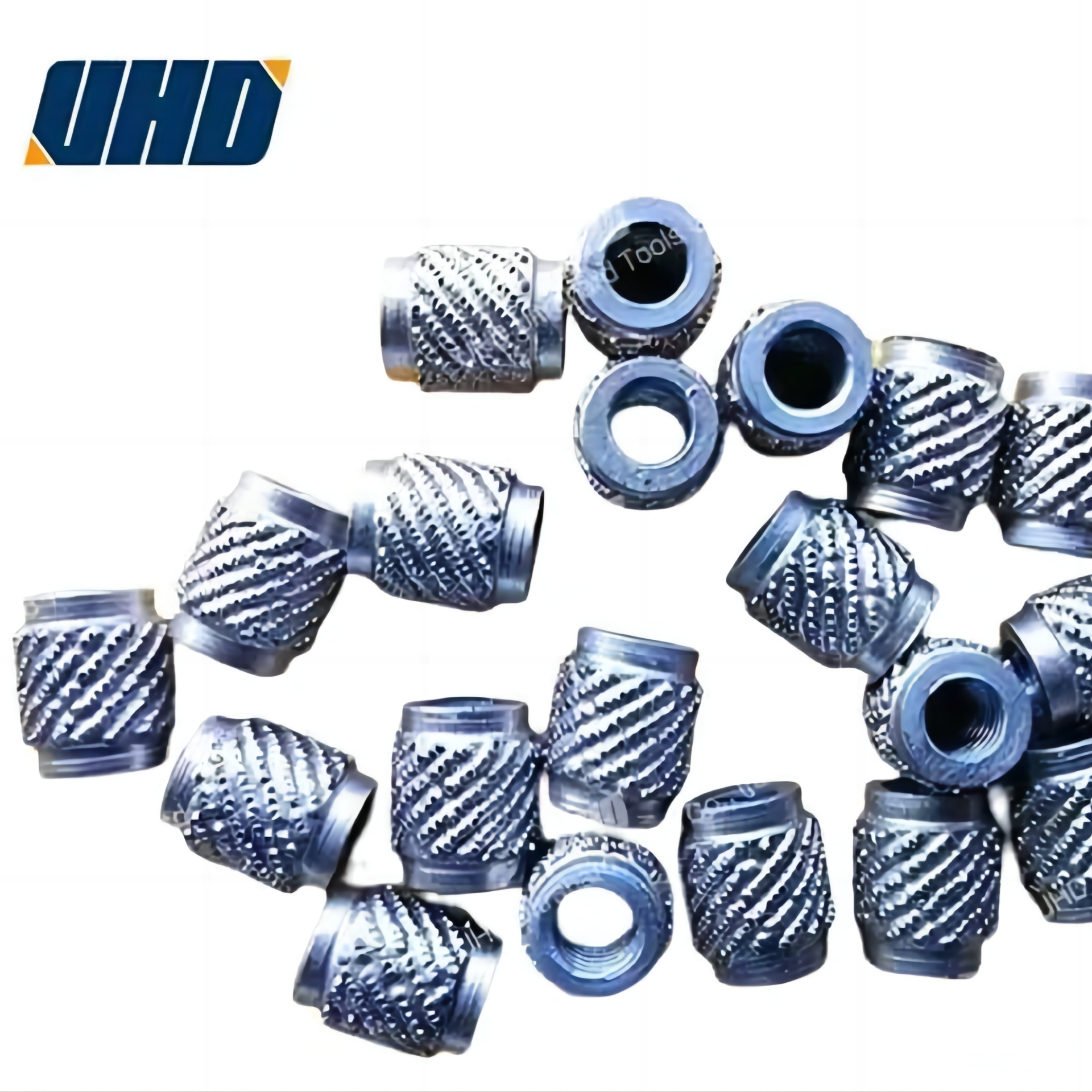
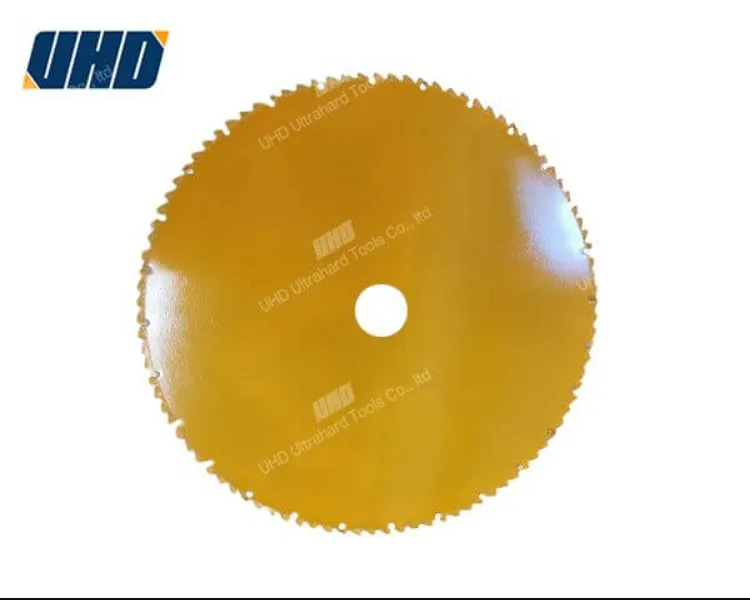
UHD leverages advanced vacuum brazing technology to deliver ultra-durable diamond cutting tools with precisely engineered filler metals and thermal profiles, setting new benchmarks for tool durability and cutting performance in metal and stone processing industries.
Integrating these tools facilitates reduced production interruptions, extended tool life, and optimized cutting speeds, translating directly into cost savings and competitive advantages.

 61
|
61
|
 Low - dust cutting
Eco - friendly saw blade
ZS400H brazed diamond saw blade
Cooling method selection
Saw blade groove cleaning
Low - dust cutting
Eco - friendly saw blade
ZS400H brazed diamond saw blade
Cooling method selection
Saw blade groove cleaning
 357
|
400mm brazed diamond saw blade
wear resistance testing
cutting efficiency
construction cutting tools
stone processing saw blades
357
|
400mm brazed diamond saw blade
wear resistance testing
cutting efficiency
construction cutting tools
stone processing saw blades
 115
|
High - hardness material cutting saw blades
400mm diamond saw blades
Brazed diamond saw blades
Stone cutting tools
Wet and dry dual - use saw blades
115
|
High - hardness material cutting saw blades
400mm diamond saw blades
Brazed diamond saw blades
Stone cutting tools
Wet and dry dual - use saw blades
 185
|
ZS400H brazed diamond blade
industrial manufacturing
cutting blades
enterprise competitiveness
high-performance cutting tools
eco-friendly cutting blades
185
|
ZS400H brazed diamond blade
industrial manufacturing
cutting blades
enterprise competitiveness
high-performance cutting tools
eco-friendly cutting blades
 216
|
400mm concrete saw blade
concrete cutting blade selection
brazed diamond blade advantages
construction cutting tools
dry vs wet cutting
216
|
400mm concrete saw blade
concrete cutting blade selection
brazed diamond blade advantages
construction cutting tools
dry vs wet cutting







.png?x-oss-process=image/resize,h_600,m_lfit/format,webp)