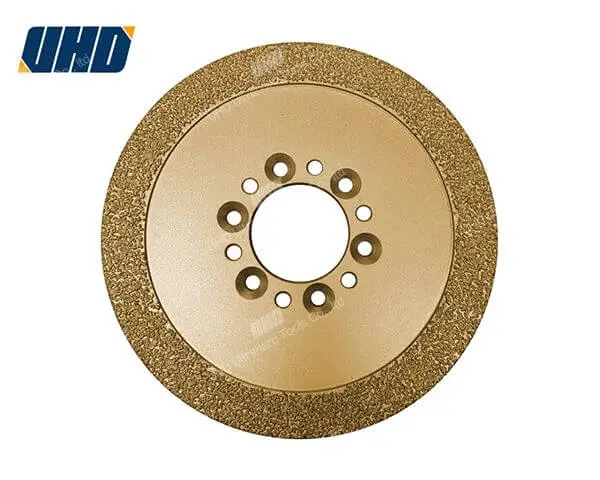
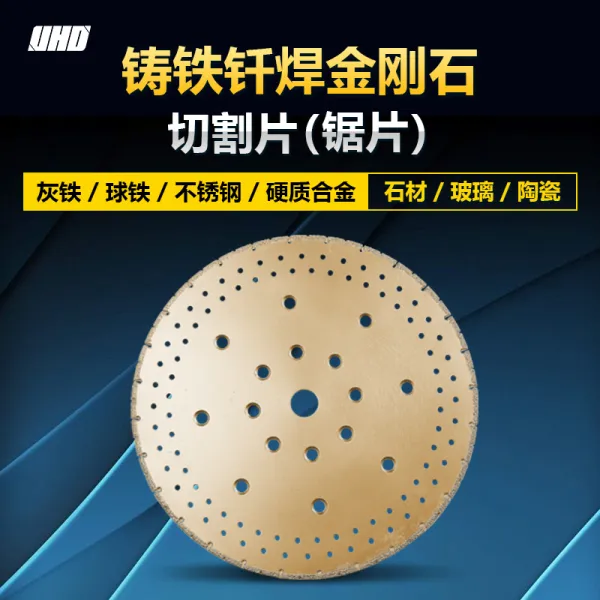
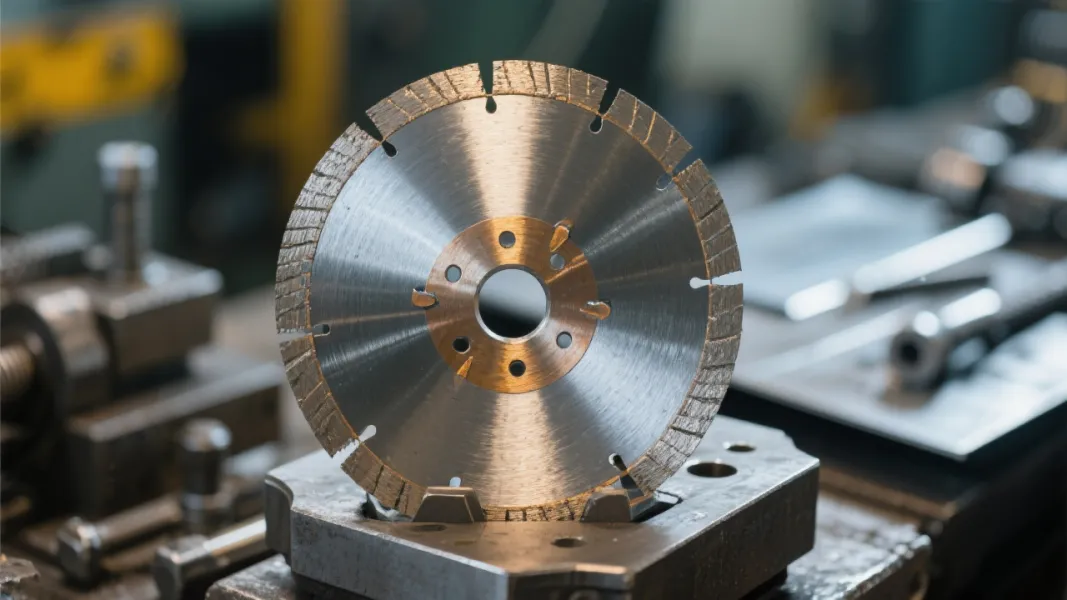
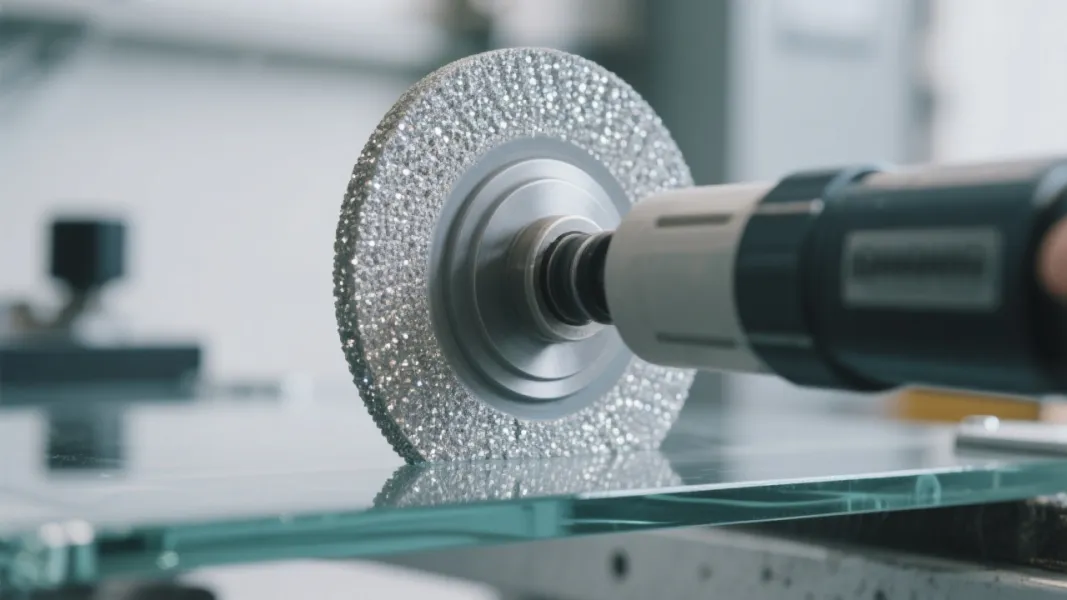
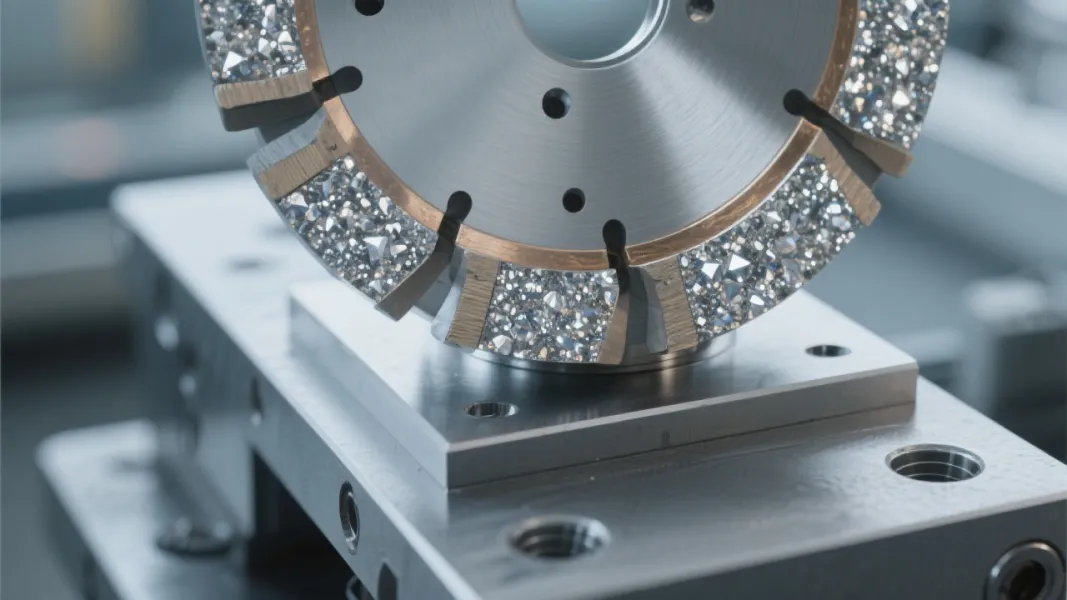
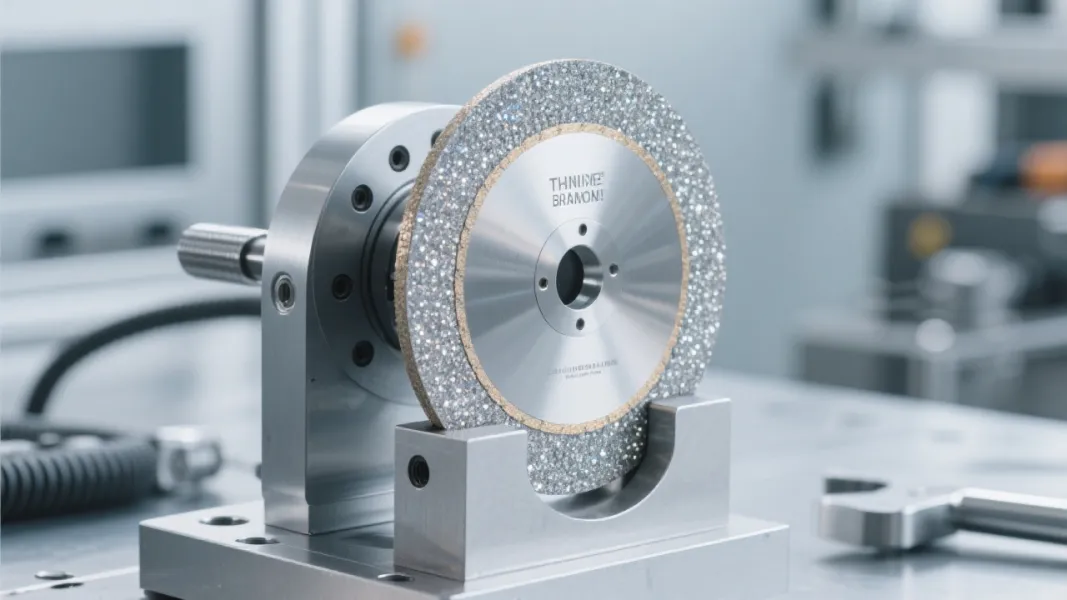
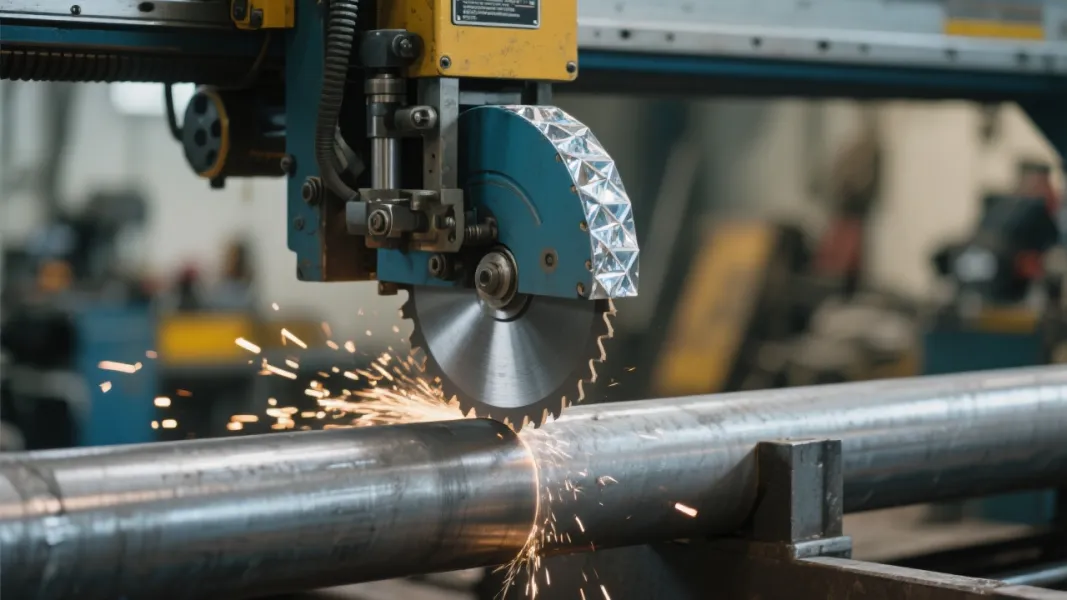
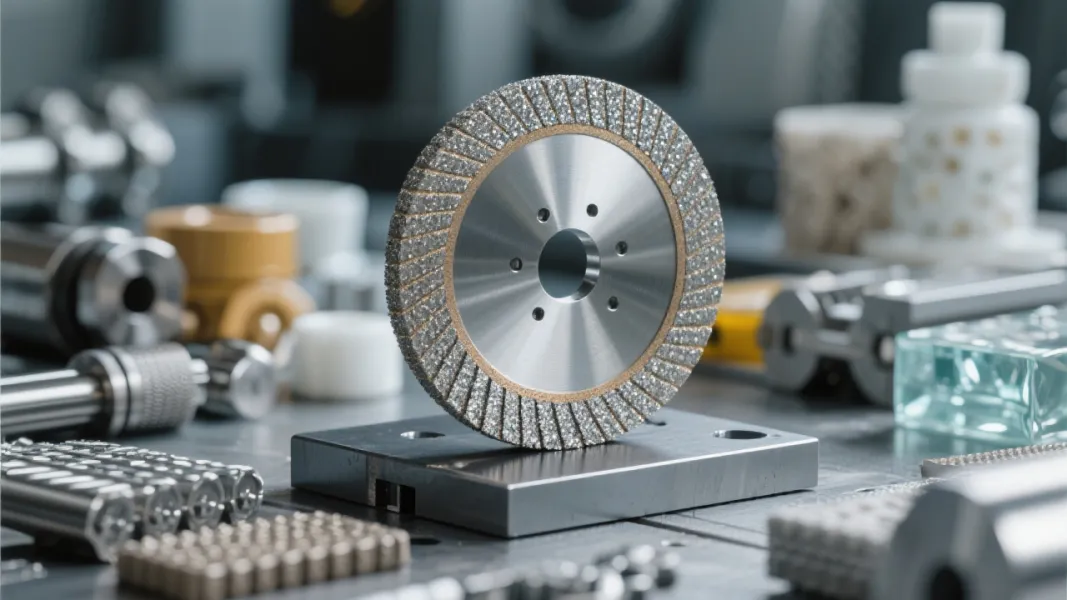
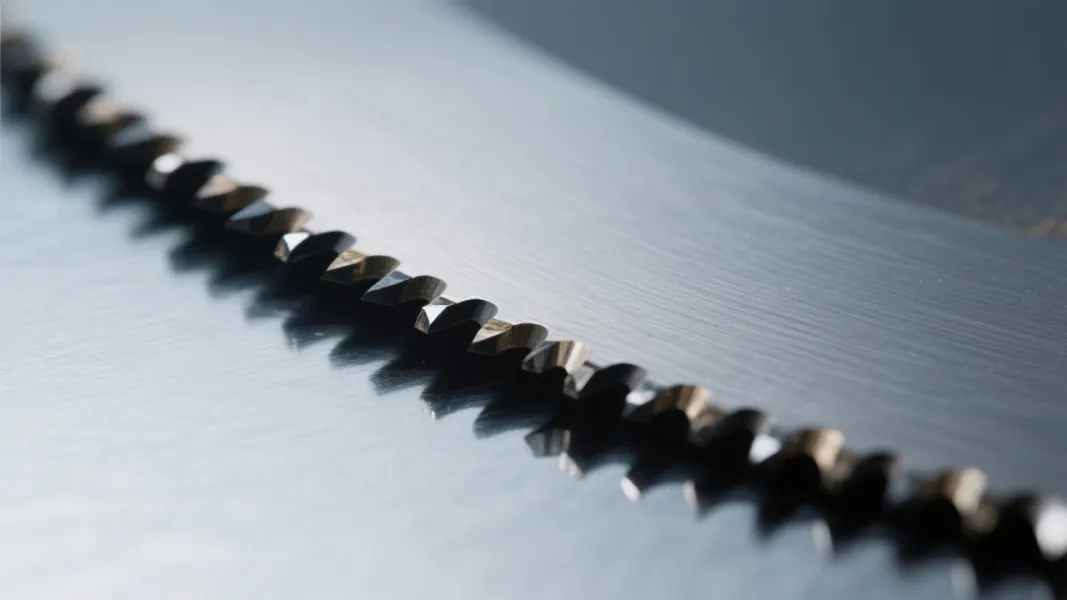
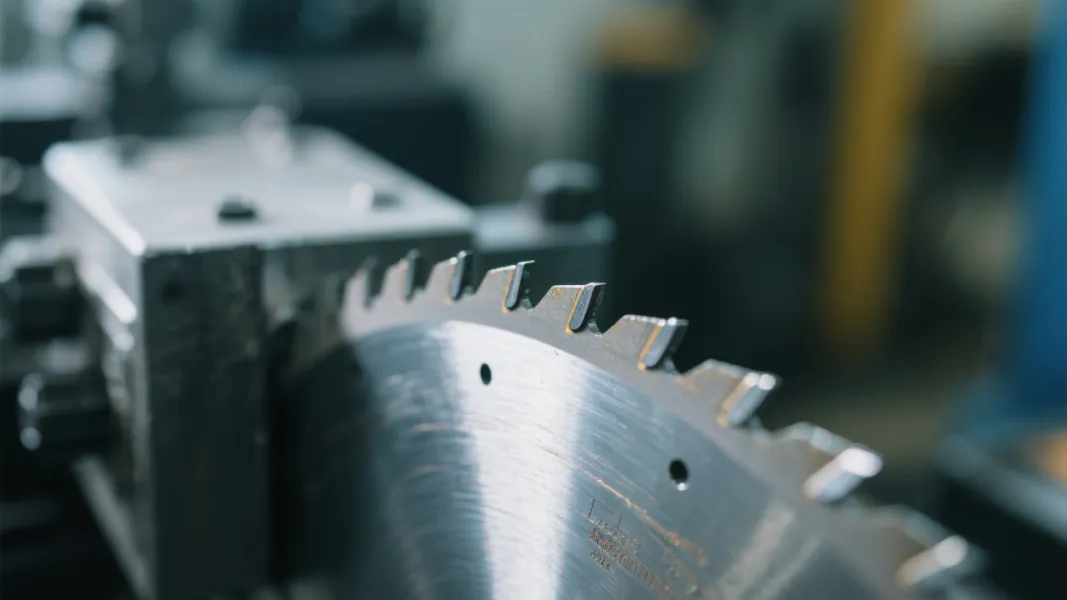
In the realm of high-precision metal processing, achieving impeccable surface finish and dimensional uniformity is paramount. The industry increasingly relies on advanced abrasive technologies, with vacuum brazed diamond abrasives standing out as a transformative solution. UHD’s expertise in diamond abrasive vacuum brazing has enabled manufacturers to overcome conventional grinding limitations, delivering enhanced durability and consistency in cutting and grinding processes.
Conventional abrasive tools often struggle with surface roughness and dimensional deviations — two critical pain points for precision fabricators. Typical issues include uneven wear, thermal stress damage, and inconsistent abrasive particle bonding strength, which collectively impair product quality and increase downtime for tool replacement.
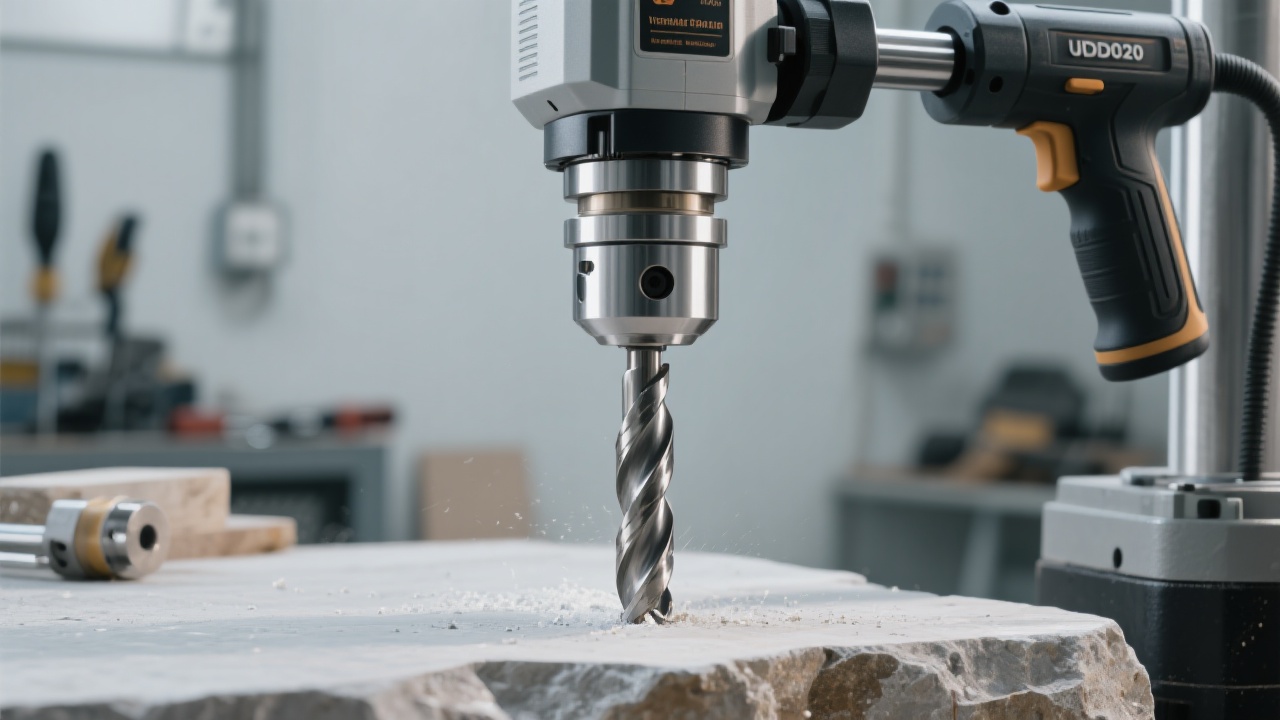
Vacuum brazing involves the metallurgical joining of diamond particles to a metal substrate in a controlled vacuum environment, eliminating oxidation and contamination. This process creates a robust, uniform bond layer providing superior adhesion compared to traditional mechanical bonding methods.
Key advantages include:
UHD recommends a standardized operational procedure for maximizing the lifespan and performance of vacuum brazed diamond abrasives:
Thermal stress remains the primary cause of adhesive failure in vacuum brazed abrasives. Rapid temperature changes during operation create expansion mismatches between diamond grains and metal substrate, potentially leading to micro-cracks and delamination.
A case study from UHD’s precision grinding partners demonstrated that by optimizing cooling protocols—gradual temperature ramp-up and appropriate coolant flow—the tool life increased by 30%, while the occurrence of heat-induced abrasive shedding was halved.
The homogeneity of abrasive grain size distribution is vital to achieve consistent cutting action and surface finish. Uneven distribution can cause vibration, excessive tool wear, and uneven dimensions.
UHD recommends periodic particle size analysis using laser diffraction methods at intervals of no more than 100 operational hours to prevent quality drift. Maintaining grain size within a tolerance of ±5 microns significantly reduces surface roughness variance.
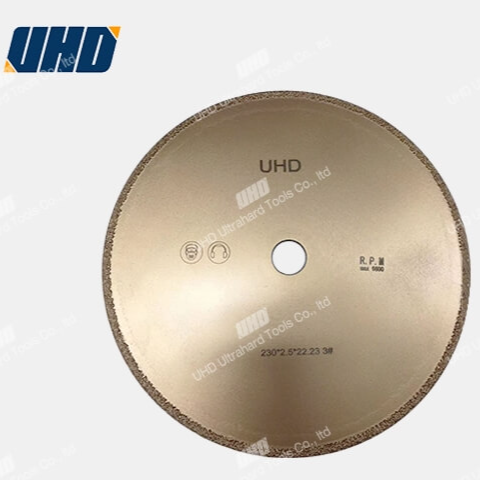
Instituting strict standardized procedures—from abrasive material inspection, mounting protocols, to operational parameter recording—not only ensures reproducibility but also aids in root cause analysis when anomalies occur. UHD’s tailored quality control workflow includes:
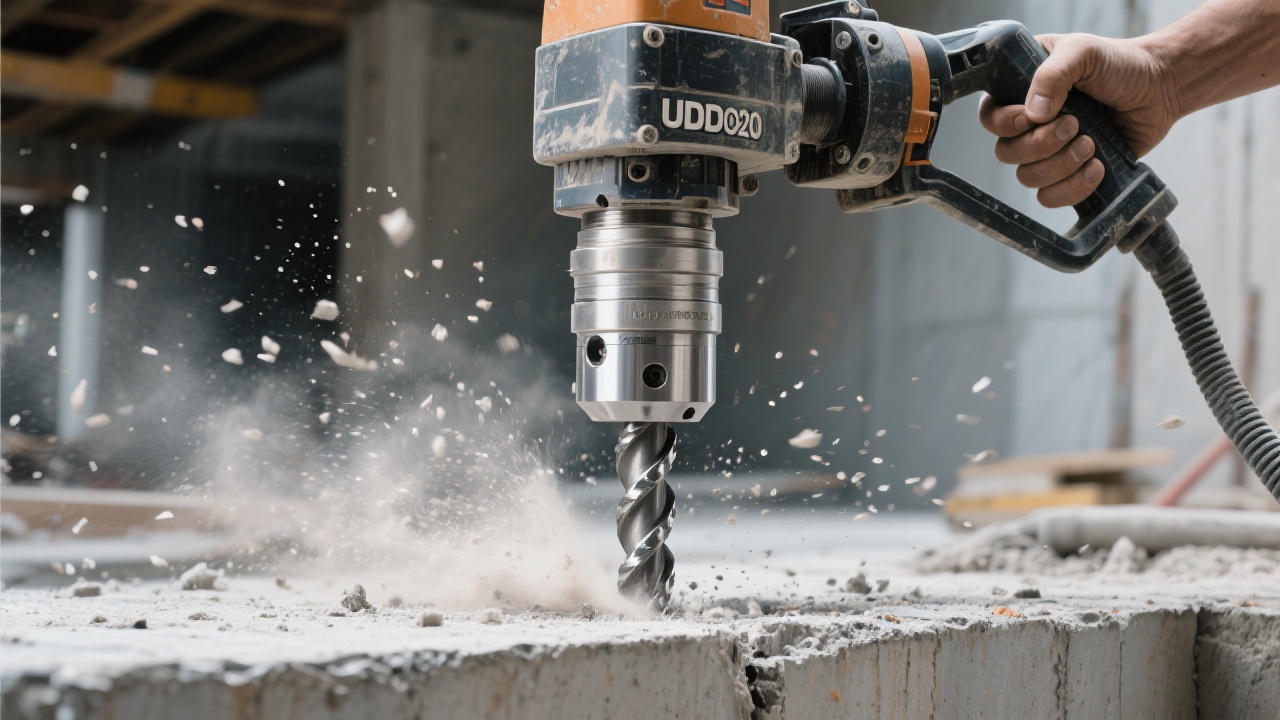
As precision metalworking evolves, UHD emphasizes integrating smart sensors and AI-assisted monitoring to predict abrasive wear and thermal stress events, allowing preemptive maintenance scheduling. This innovation promises to minimize unplanned downtime and optimize tool utilization.

 32
|
32
|
 vacuum brazing process
diamond cutting tools durability
brazing defects identification
diamond tool manufacturing
high-performance cutting tools
vacuum brazing process
diamond cutting tools durability
brazing defects identification
diamond tool manufacturing
high-performance cutting tools
 486
|
diamond tool life extension
cutting parameter optimization
industrial downtime management
CNC tool maintenance
automated production tool tracking
486
|
diamond tool life extension
cutting parameter optimization
industrial downtime management
CNC tool maintenance
automated production tool tracking
 304
|
vacuum brazed diamond tools
precision metal machining
diamond cutting tools
tool life optimization
cooling method in machining
304
|
vacuum brazed diamond tools
precision metal machining
diamond cutting tools
tool life optimization
cooling method in machining
 186
|
high purity diamond saw blade
dust control in cutting
industrial dust management
ZS400H diamond blade
green cutting technology
186
|
high purity diamond saw blade
dust control in cutting
industrial dust management
ZS400H diamond blade
green cutting technology
 416
|
Diamond tool life
Downtime optimization
Rational cutting parameters
Tool management scheme
Manufacturing tool maintenance
416
|
Diamond tool life
Downtime optimization
Rational cutting parameters
Tool management scheme
Manufacturing tool maintenance





.png?x-oss-process=image/resize,h_600,m_lfit/format,webp)