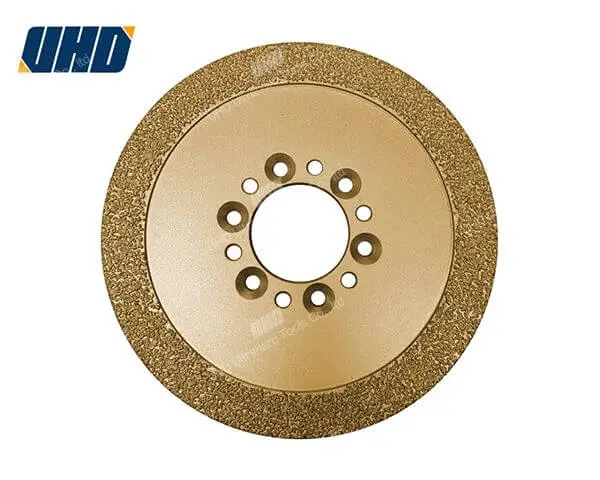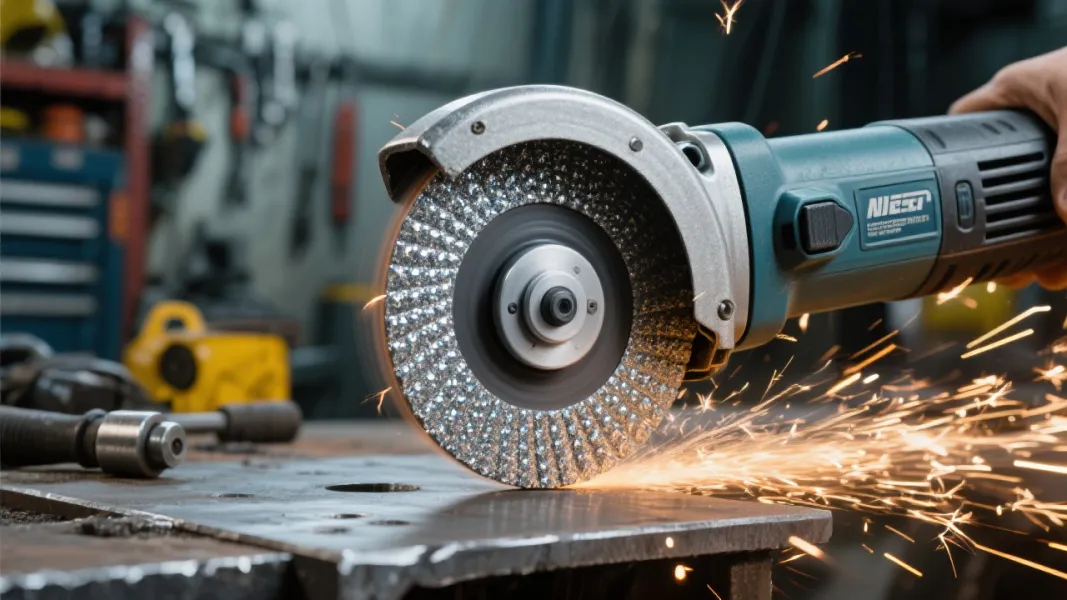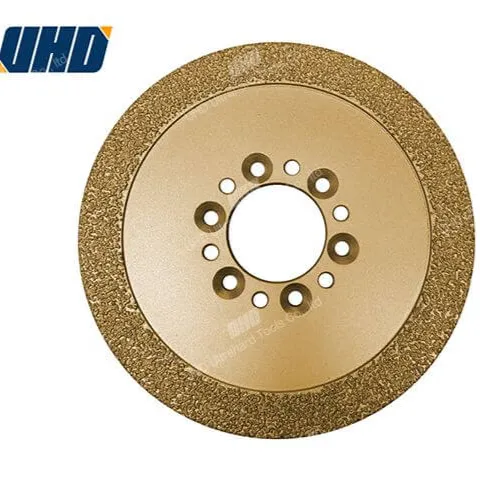
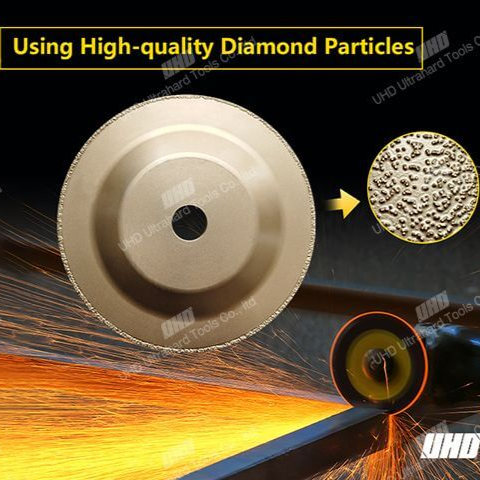
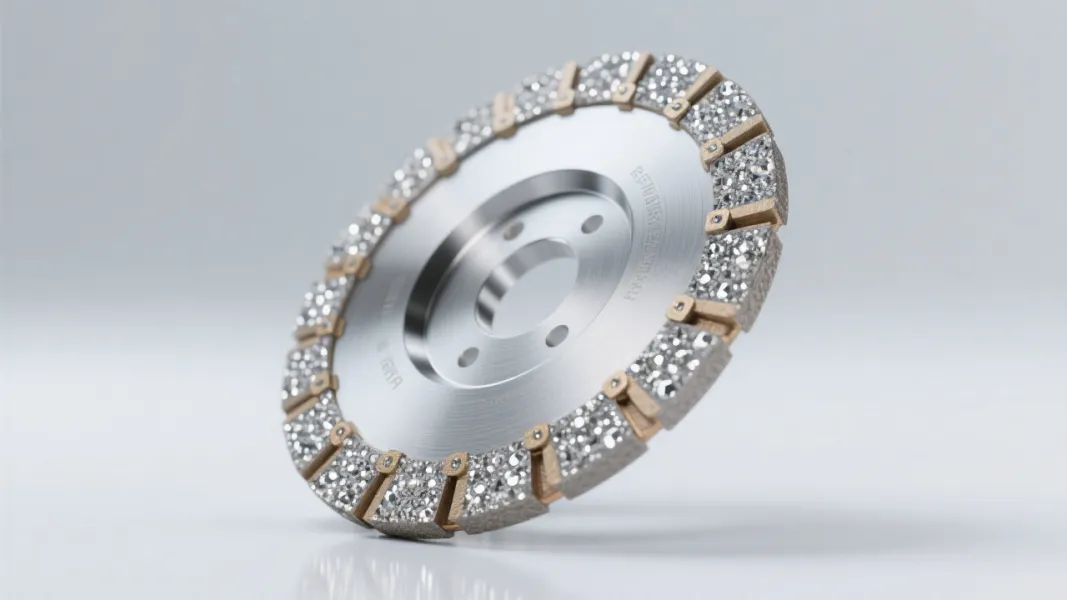
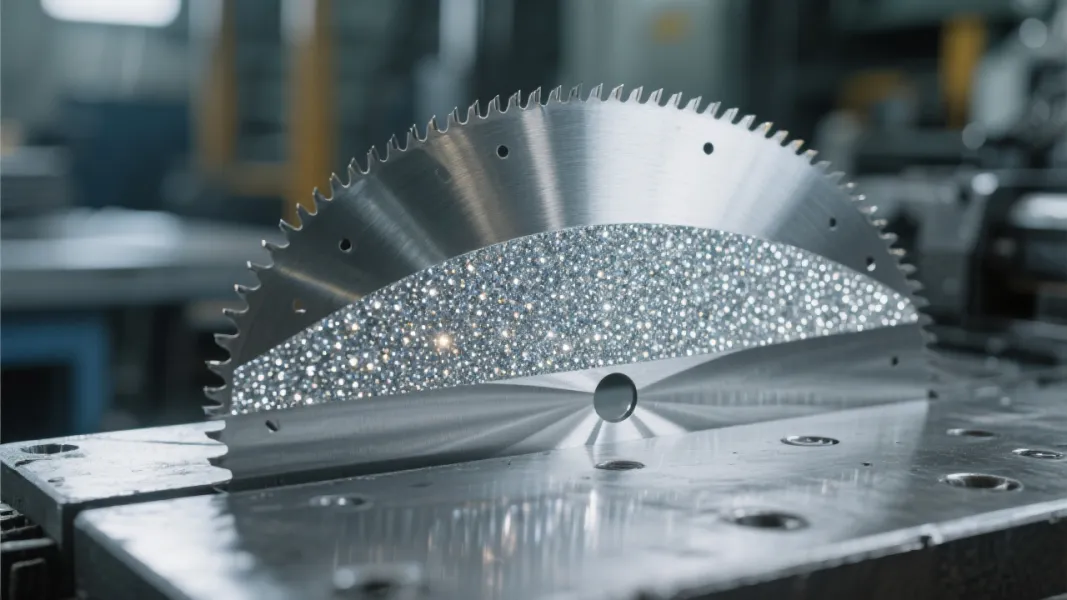
In high-precision metal machining—especially in aerospace, automotive, and medical device manufacturing—the choice of cutting tools directly impacts production efficiency, tool life, and final part quality. Among the most advanced solutions today is vacuum brazed diamond abrasive technology, which offers superior performance over traditional methods like electroplating or sintering.
Studies show that vacuum brazed diamond tools can last up to 3x longer than conventional alternatives when used on materials like titanium alloys or hardened stainless steel. This isn't just marketing—it's physics. The vacuum environment ensures a clean, oxide-free bond between the diamond grit and the substrate (usually tungsten carbide), resulting in higher thermal conductivity and mechanical stability.
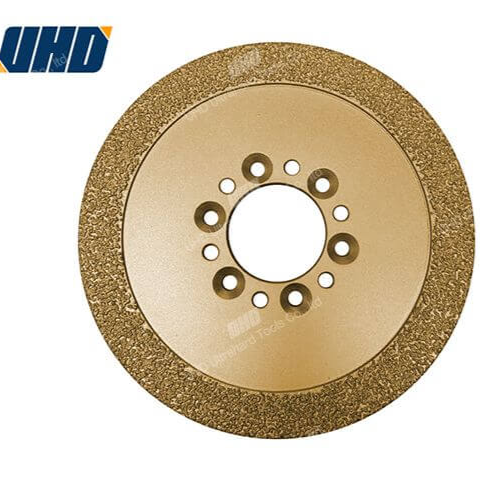
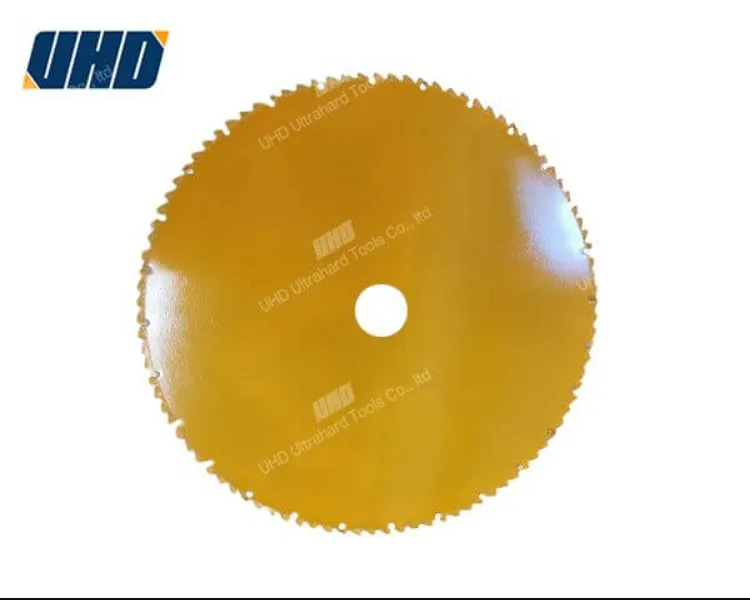
For example, in a real-world test conducted with a leading European aerospace OEM, UHD’s vacuum brazed diamond saws achieved 15% faster cutting speeds while maintaining surface finish within ±0.02mm tolerance—critical for turbine blade manufacturing where precision is non-negotiable.
| Metal Type | Recommended Diamond Grade | Optimal Cooling Method | Expected Tool Life Increase |
|---|---|---|---|
| Aluminum Alloys | Type II (Medium Grain) | Mist Cooling | ~2x |
| Stainless Steel | Type III (Fine Grain) | High-Pressure Flood | ~2.5x |
| Titanium Alloys | Type IV (Ultra-Fine Grain) | Minimum Coolant Flow + Air Blasting | ~3x |
Many engineers assume that “more diamonds = better performance.” But in reality, improper diamond concentration leads to premature wear and poor heat dissipation. Our R&D team at UHD collaborated with the University of Birmingham to validate that optimal diamond loading ranges from 15–30% by volume depending on material hardness and application type.
Another frequent mistake? Ignoring coolant selection. Using water-based coolants on titanium can cause micro-cracking due to rapid thermal shock. We recommend synthetic oil-based fluids for such cases—a small change that extends tool life by an estimated 40%.
Before running any new job, always perform a test cut at 70% of recommended speed to check for chatter or uneven wear. If the edge remains sharp after 5 minutes, you’re likely good to ramp up. Also, use a simple handheld laser thermometer to monitor temperature spikes—anything above 200°C indicates excessive friction and potential failure.
Remember: maintenance isn’t optional—it’s part of your ROI strategy. Clean the tool face daily with a soft brush and isopropyl alcohol. Replace worn segments before they reach 80% of their expected lifespan. These habits reduce unexpected downtime by up to 60%, according to our customer feedback database.
We invite you to share your biggest challenge with diamond tooling in the comments below. Whether it’s inconsistent finishes, short tool life, or difficulty selecting the right grade—we’ll help you troubleshoot based on real data from thousands of jobs worldwide.
Explore how UHD’s vacuum brazed diamond abrasives are transforming precision machining across industries—from aerospace components to medical implants.
Discover UHD Diamond Solutions Today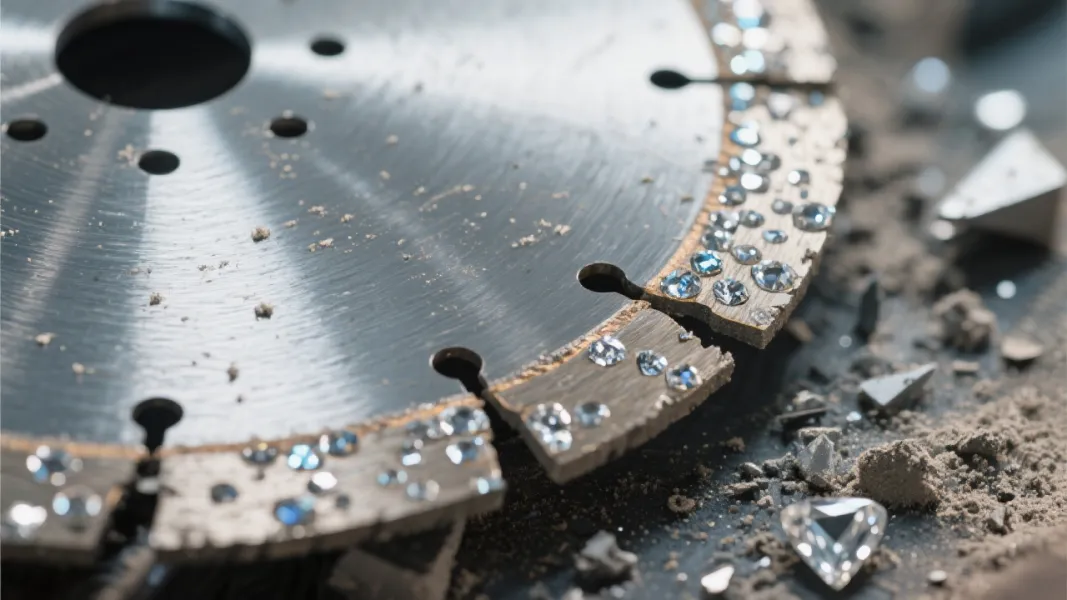
 395
|
395
|
 ["vacuum brazing cutting tools"
"diamond blade efficiency"
"metal and stone cutting solutions"
"high-performance diamond tools"
"industrial cutting technology"]
["vacuum brazing cutting tools"
"diamond blade efficiency"
"metal and stone cutting solutions"
"high-performance diamond tools"
"industrial cutting technology"]
 381
|
industrial cutting tools
diamond cutting tools
metalworking solutions
superhard material tools
customized cutting tools
381
|
industrial cutting tools
diamond cutting tools
metalworking solutions
superhard material tools
customized cutting tools
 488
|
dry wet saw blade performance
400mm diamond blade applications
brazed diamond blade durability
stone cutting tools for professionals
construction saw blade selection
488
|
dry wet saw blade performance
400mm diamond blade applications
brazed diamond blade durability
stone cutting tools for professionals
construction saw blade selection
 161
|
diamond cutting tools
durable industrial cutting solutions
customizable cutting tools
high-precision metal processing
superhard material tools
161
|
diamond cutting tools
durable industrial cutting solutions
customizable cutting tools
high-precision metal processing
superhard material tools
 394
|
stainless steel cutting efficiency
brazed diamond saw blade
diamond grit technology
cutting parameter optimization
blade edge maintenance
394
|
stainless steel cutting efficiency
brazed diamond saw blade
diamond grit technology
cutting parameter optimization
blade edge maintenance







.png?x-oss-process=image/resize,h_600,m_lfit/format,webp)