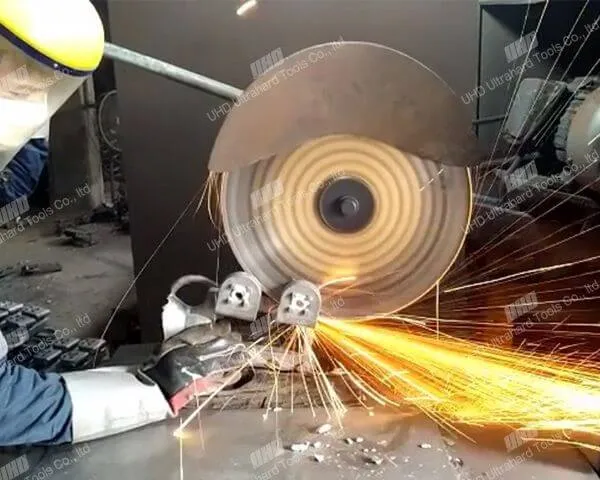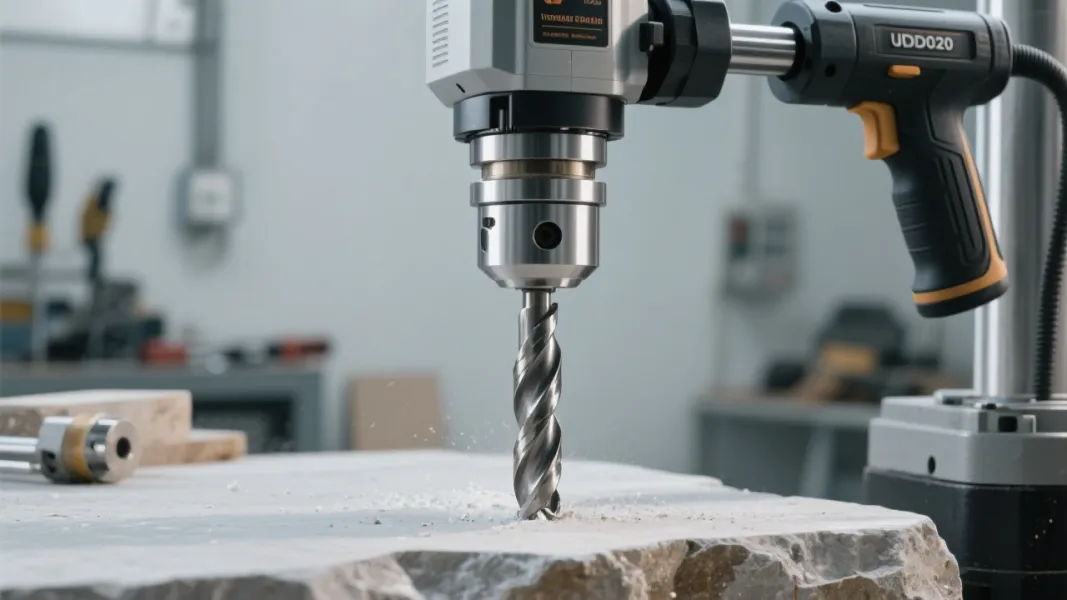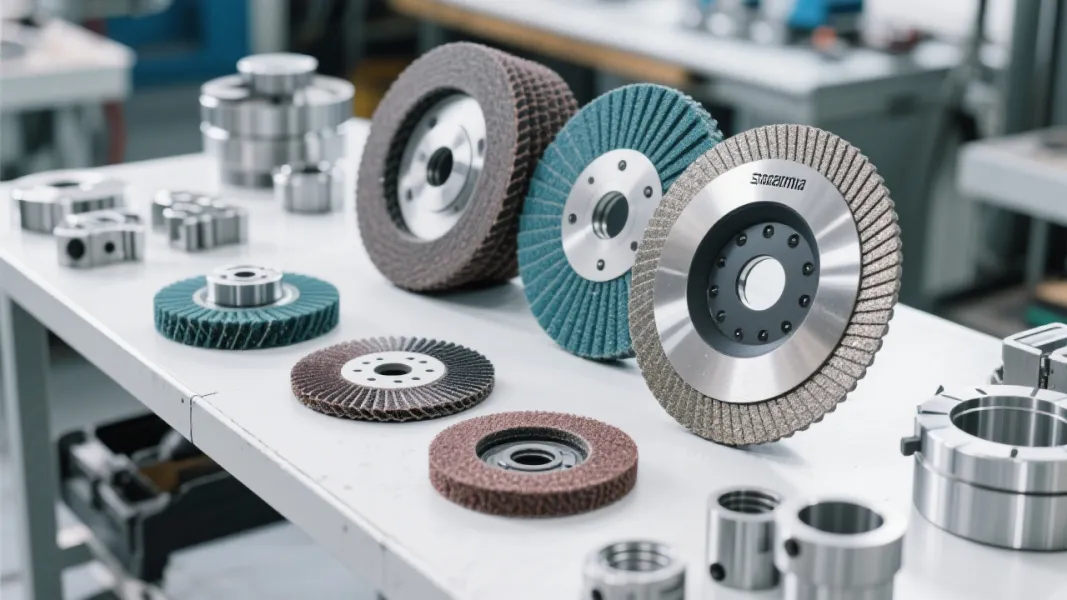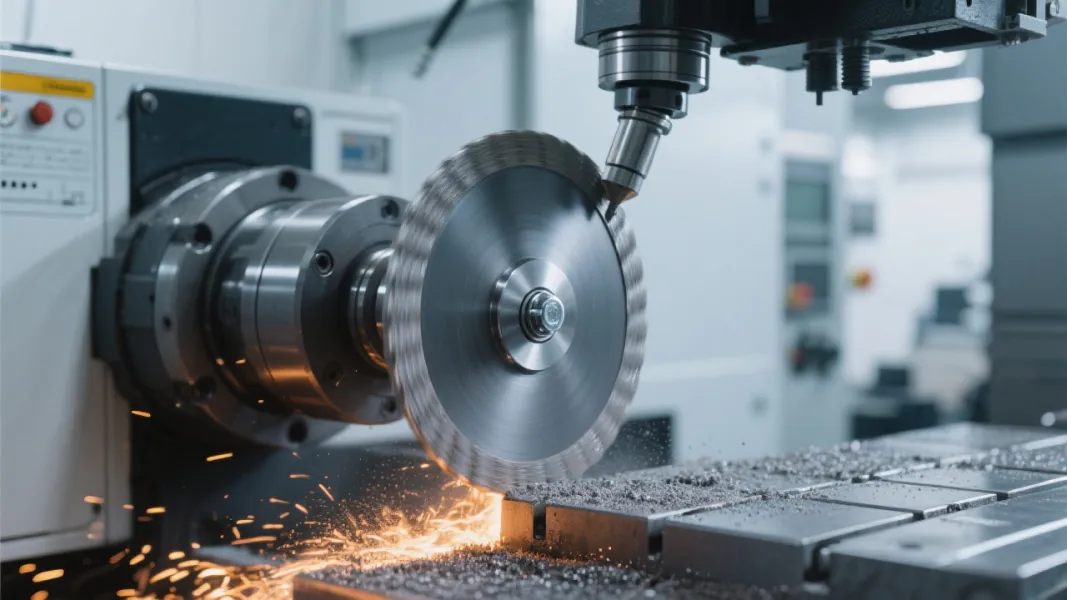
In the high - end manufacturing sectors such as aerospace and ceramic composite processing, the question of why traditional cutting tools frequently chip during the machining of aerospace structural components often leaves professionals puzzled. This problem not only raises production costs but also affects the efficiency and quality of the final products.
Extreme working conditions, characterized by high temperatures, high hardness of workpieces, and strong corrosive environments, have a profound impact on the lifespan of cutting tools. High - temperature environments can cause the tool material to soften, reducing its wear resistance. For example, in some aerospace component machining processes, the cutting temperature can reach up to 800 - 1000°C, and the wear rate of traditional tools can increase by 30 - 50% compared to normal conditions. The high hardness of materials like ceramic composites can cause severe abrasion on the tool edge, leading to rapid dulling. In a strong - corrosive environment, the chemical reaction between the tool and the corrosive medium can further accelerate the tool's failure. Studies have shown that in a corrosive environment with a pH value of less than 3, the service life of traditional tools can be reduced by more than half.
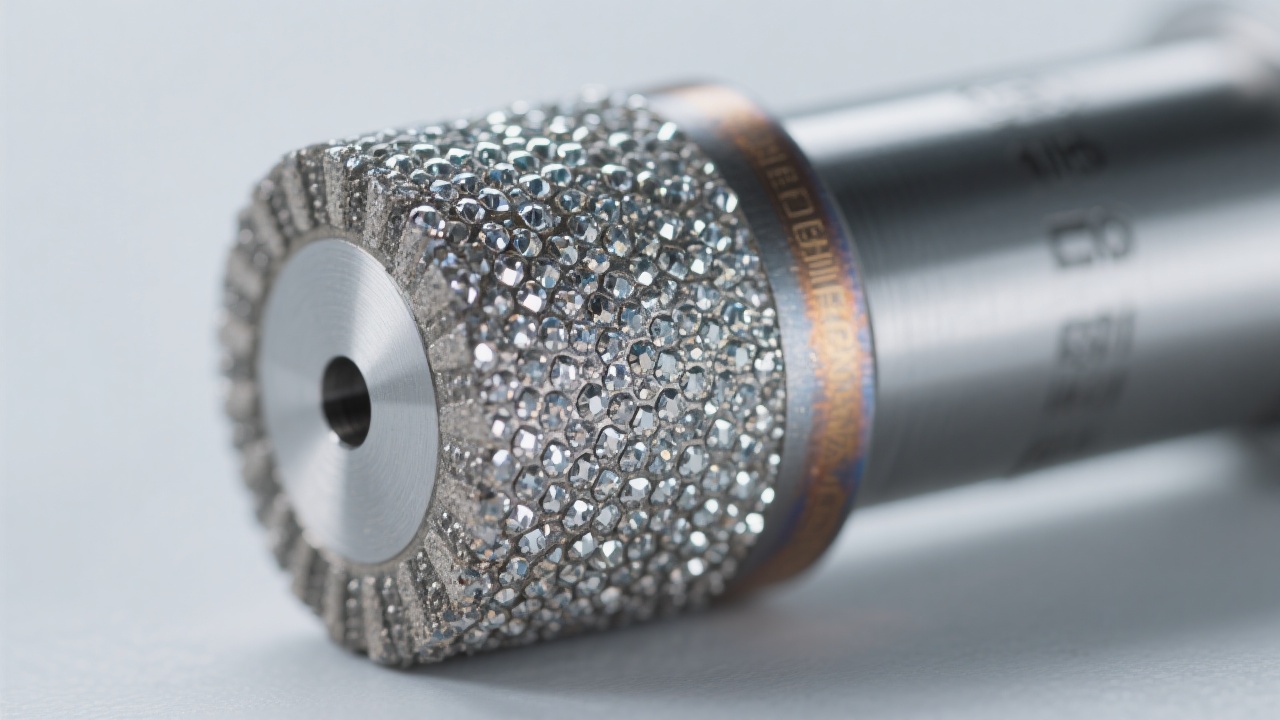
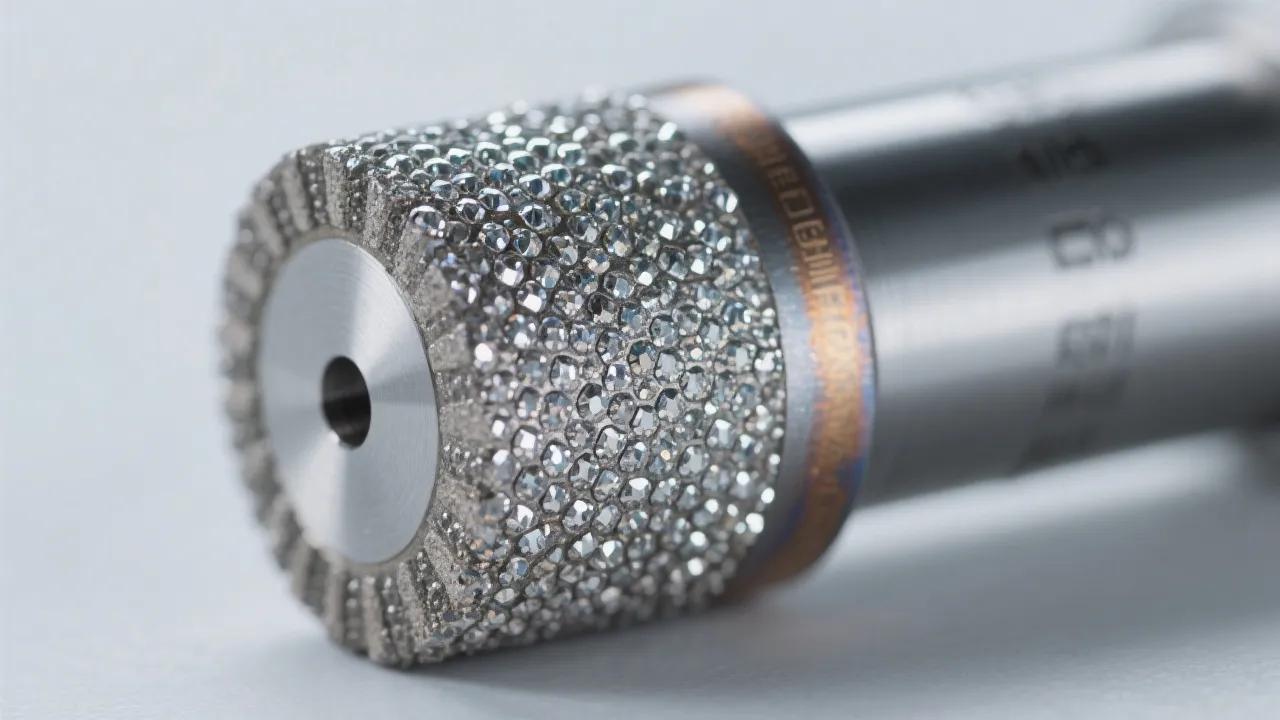
UHD diamond tools present an effective solution to these extreme - condition challenges. From the perspective of material properties, UHD diamond has extremely high hardness, excellent thermal conductivity, and chemical stability. Its hardness is about 10 times that of tungsten carbide, a commonly used tool material. In terms of structural design, UHD diamond tools are optimized to ensure better chip evacuation and cutting force distribution. This technical logic not only improves the tool's performance under extreme conditions but also extends its service life. Choosing UHD diamond tools is essentially choosing a more efficient and reliable machining solution.
Micro - morphological analysis is used to study the surface changes of the tool during the cutting process. By using electron microscopy, we can observe the wear morphology of the tool edge, such as micro - cracks, abrasion areas, and the degree of adhesion. This analysis helps us understand the wear mechanism of the tool and provides a basis for improving its performance.
Cutting force is a key indicator reflecting the cutting process. Monitoring the cutting force can help us understand the cutting state of the tool, such as whether there is abnormal cutting or excessive wear. An increase in cutting force may indicate that the tool is worn or the cutting parameters are inappropriate. Through real - time cutting force monitoring, we can adjust the cutting parameters in time to improve the cutting efficiency and tool life.
The surface roughness of the machined workpiece reflects the quality of the cutting process. By comparing the surface roughness of workpieces machined with different tools or under different cutting conditions, we can evaluate the cutting performance of the tool. A lower surface roughness value indicates better cutting performance and a higher - quality machined surface.

The working condition adaptation guide is a systematic approach for tool selection. It starts with understanding the material properties of the workpiece, such as hardness, toughness, and thermal conductivity. Then, the equipment conditions, including the power, speed, and rigidity of the machine tool, need to be considered. Based on these, the process objectives, such as surface quality requirements and production efficiency goals, are determined. Finally, a logical tool - selection process is carried out to ensure that the selected tool can meet the specific requirements of the machining task.
A customer in the hard - alloy machining industry adopted UHD diamond tools. After the adoption, the machining efficiency increased by 25%, and the tool failure rate decreased from 15% to 5%. These data clearly demonstrate the effectiveness of UHD diamond tools in improving production efficiency and reducing costs.
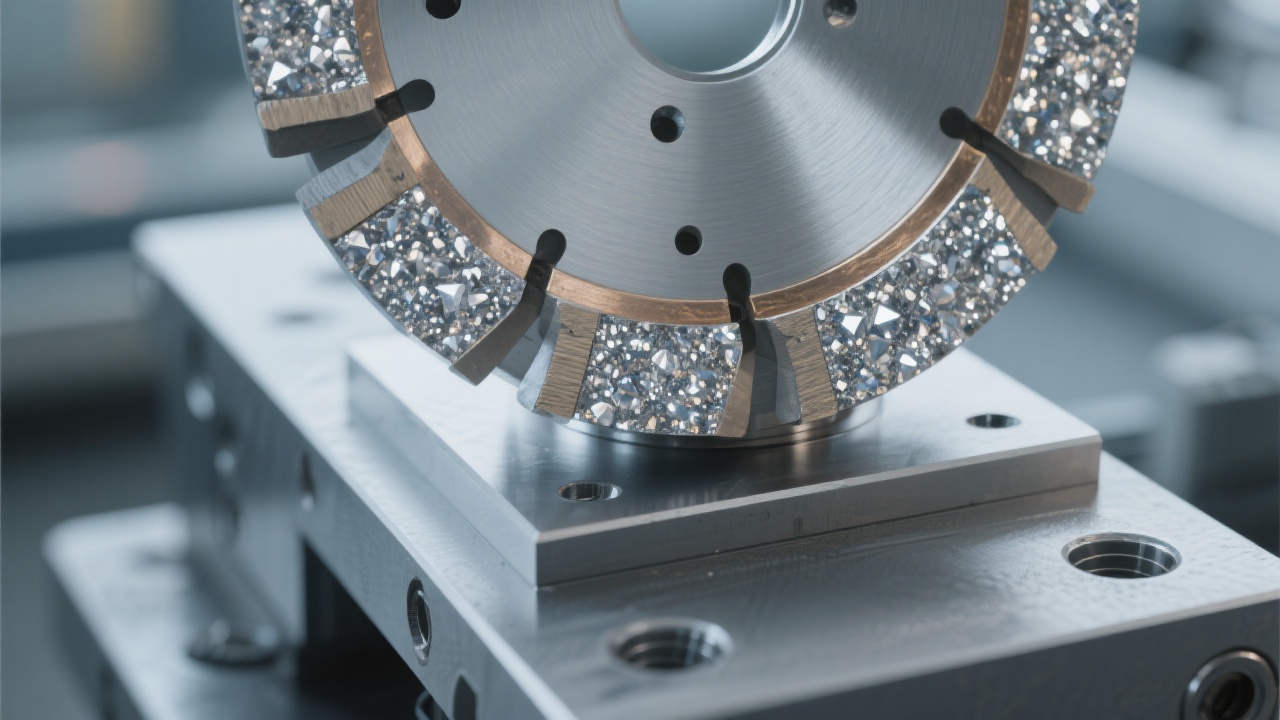
There are some common misconceptions in tool selection and use. For example, blindly pursuing high - speed cutting can lead to unexpected tool failures. High - speed cutting may generate excessive heat and cutting force, which can cause the tool to wear prematurely or even break. We should choose appropriate cutting parameters according to the actual situation to ensure the normal operation of the tool and the quality of the machining process.
If you are an industrial manufacturing professional facing challenges in extreme - condition machining, click here to obtain the complete PDF guide on UHD diamond tool selection and join our industry technical exchange group. Enhance your machining efficiency and quality with the power of UHD diamond tools!
 484
|
484
|
 Concrete cutting saw blade selection
400mm saw blade application scenarios
Cutter head wear identification
Optimal cooling methods for saw blades
Brazed diamond saw blades
Concrete cutting saw blade selection
400mm saw blade application scenarios
Cutter head wear identification
Optimal cooling methods for saw blades
Brazed diamond saw blades
 127
|
400mm diamond saw blade
quiet cutting solution
vibration control in cutting
optimal cutting speed
feed rate optimization
127
|
400mm diamond saw blade
quiet cutting solution
vibration control in cutting
optimal cutting speed
feed rate optimization
 199
|
diamond cutting tools
vacuum brazing technology
metal and stone cutting tools
high-performance cutting tools
UHD superhard alloy
199
|
diamond cutting tools
vacuum brazing technology
metal and stone cutting tools
high-performance cutting tools
UHD superhard alloy
 352
|
Titanium alloy machining
Vacuum brazed diamond abrasives
Complex surface machining
Diamond tool application
Industrial cutting tool solutions
367
|
diamond saw blade lifespan
brazing process optimization
vibration control in saw blades
construction cutting efficiency
stone cutting equipment improvements
352
|
Titanium alloy machining
Vacuum brazed diamond abrasives
Complex surface machining
Diamond tool application
Industrial cutting tool solutions
367
|
diamond saw blade lifespan
brazing process optimization
vibration control in saw blades
construction cutting efficiency
stone cutting equipment improvements