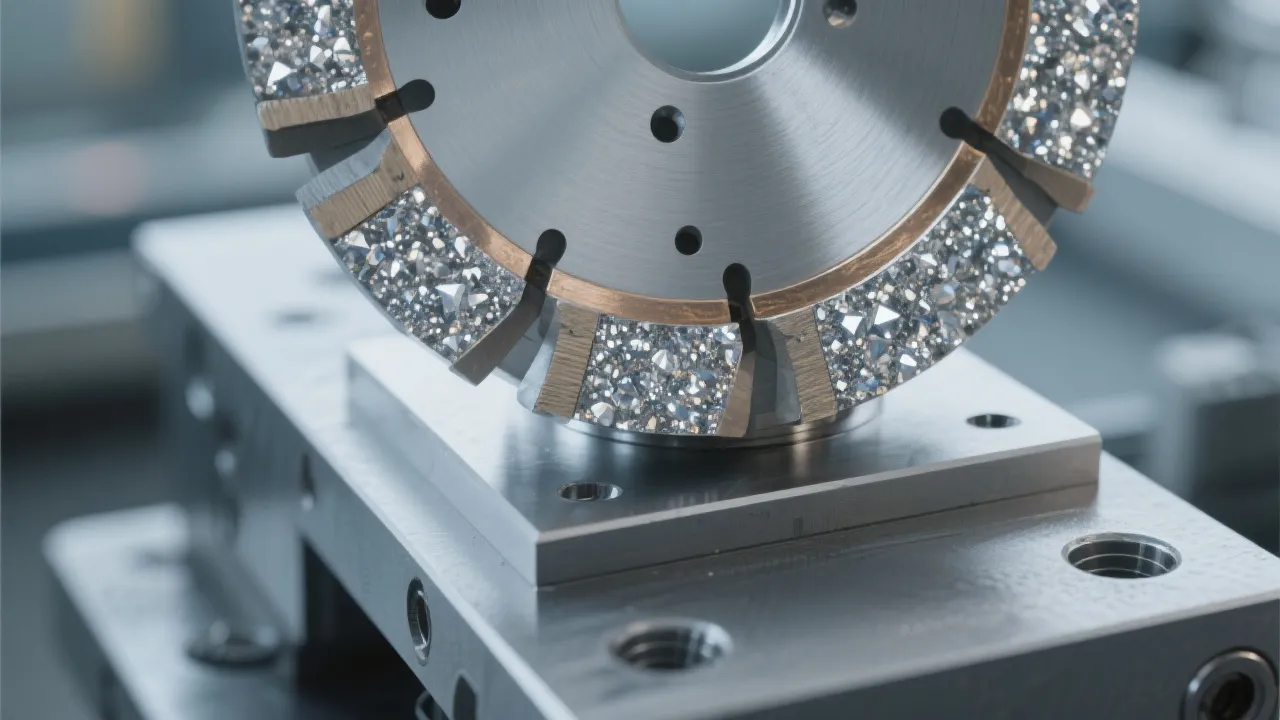
In aerospace structural parts, ceramic matrix composites (CMC), advanced ceramics, and high-hardness sintered components, conventional cutting tools rarely “wear out gracefully.” They fail abruptly—thermal softening, edge chipping, chemical attack, or micro-fracture propagation—often within a few passes. The result is not only tool cost: it is scrapped parts, unstable tolerances, unplanned downtime, and a process window that collapses into trial-and-error.
Under high temperature, high hardness, and corrosive environments, failure mechanisms compound. Carbide tools may lose hardness as localized temperatures exceed 700–900°C at the cutting zone (depending on material and chip evacuation). Coatings help, but brittle coatings also crack under intermittent impact or vibration. In ceramics and CMCs, the dominant enemy is not “wear” but micro-chipping that escalates into edge collapse.
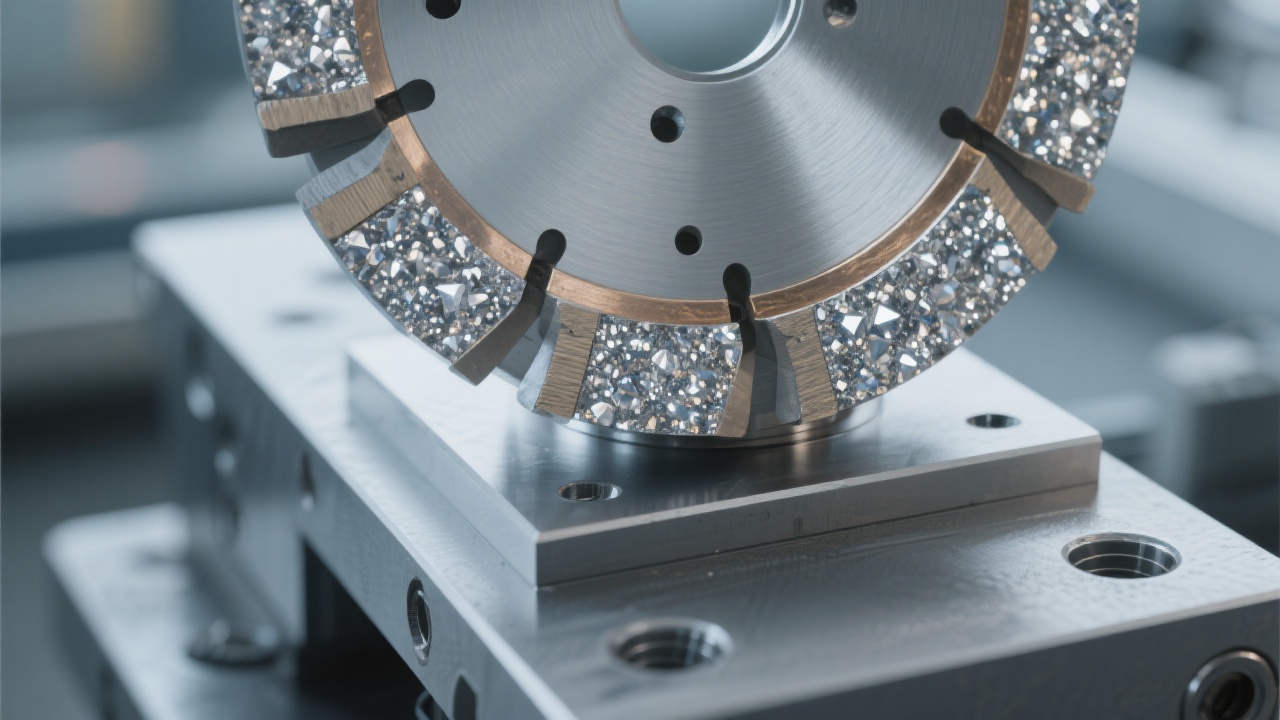
UHD (ultra-hard diamond) tools are engineered for situations where the objective is not marginal improvement, but a stable, repeatable process window. In controlled tests across difficult-to-machine substrates (advanced ceramics, high-silica composites, and abrasive sintered materials), UHD diamond tools typically show a 2× to 6× reduction in wear rate versus premium carbide—provided the application is correctly matched and the machine setup is rigid.
Stable edges reduce heat-generation feedback loops. In many abrasive materials, the goal is to avoid a temperature rise that accelerates edge damage. UHD tools help keep cutting forces flatter and thermal hotspots less violent.
Instead of quickly rounding the edge (which increases force and vibration), UHD diamond maintains a sharper functional geometry longer—supporting surface finish and dimensional stability.
Correctly designed edge prep and tool body stiffness can reduce chipping sensitivity. This is critical for interrupted cuts, composite layups, and parts with variable density.
In extreme machining, “tool life” is not a single number; it is a pattern of degradation. The most useful evaluations combine morphology, forces, and surface metrics to triangulate what is happening at the edge—before catastrophic failure appears.
Optical microscopy and SEM reveal whether the dominant mechanism is flank wear, crater wear, micro-chipping, thermal cracking, or adhesive transfer. In abrasive ceramics, morphology often shifts from smooth wear land to irregular edge fragmentation once forces exceed a threshold—an early warning that parameter tuning or geometry change is required.
Force signals expose edge damage earlier than visual checks. In comparative trials, well-matched UHD diamond tools commonly show 10–25% lower average cutting force and a far more important indicator: 30–60% fewer transient force spikes. Those spikes are where chipping starts.
| Cut Length (m) | Wear Rate: Carbide (mm³/min) | Wear Rate: UHD Diamond (mm³/min) | Avg Force Reduction (UHD vs Carbide) |
|---|---|---|---|
| 50 | 0.42 | 0.18 | 12% |
| 100 | 0.47 | 0.19 | 17% |
| 150 | 0.55 | 0.21 | 21% |
| 200 | 0.63 | 0.22 | 24% |
Reference dataset illustrates typical behavior in abrasive substrates: carbide wear rate increases faster with cut length; UHD diamond remains comparatively stable, supporting consistent loads.
When tool edges degrade, surface roughness usually worsens before dimensional drift is detected. In controlled comparisons on hard, brittle materials, UHD diamond often sustains Ra 0.4–0.8 μm for longer intervals, while carbide may drift beyond Ra 1.2–1.8 μm as edge rounding and chipping accumulate. For aerospace-grade components, that difference can be the line between “inspect and ship” and “hold and rework.”
The fastest way to waste time with superhard tools is to treat them like a universal replacement. The practical approach is a structured matching logic—material behavior, machine limits, and the real process objective—then choosing geometry and parameters that minimize force spikes while protecting the edge.
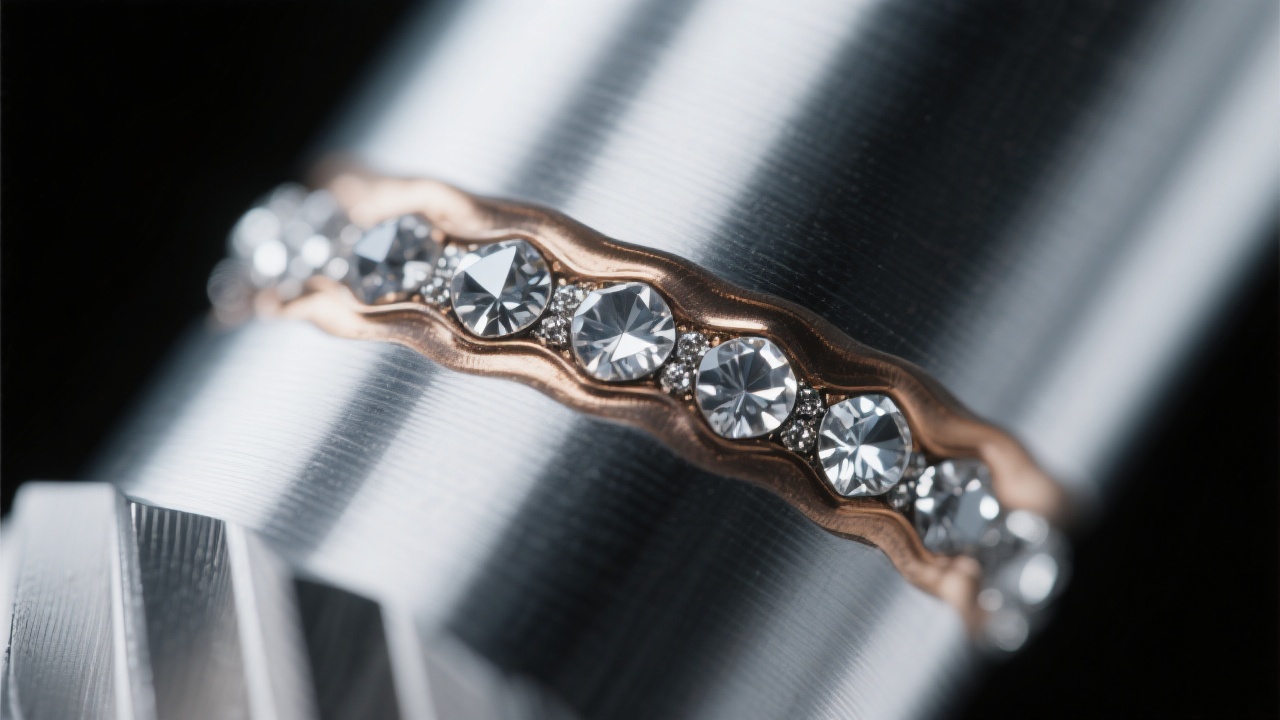
In an anonymized production line machining an abrasive ceramic-based component (tight surface requirements and frequent tool changes), an UHD diamond cutting setup was validated using morphology checkpoints every 100 m of cut length and continuous force monitoring. Compared with a premium carbide baseline, the UHD configuration delivered:
The more revealing outcome was not the headline lifespan number—it was the reduction in variability. Once the process stopped swinging between “fine” and “failed,” inspection rework dropped and scheduling became predictable again.
If your team is battling edge chipping, thermal wear, inconsistent Ra, or unpredictable downtime, a structured work-condition match is the fastest way forward. Share your material type, machine setup, and quality target, and get a practical recommendation path you can validate with force + roughness checkpoints.
Choosing UHD means choosing an efficient, reliable, and high-quality industrial tooling solution.

 325
|
325
|
 concrete cutting blade selection
400mm diamond blade applications
brazed diamond saw blade
construction cutting tools
building demolition equipment
285
|
400mm diamond saw blade
dry and wet cutting selection
brazed diamond saw blade
construction site cutting
saw blade usage tips
concrete cutting blade selection
400mm diamond blade applications
brazed diamond saw blade
construction cutting tools
building demolition equipment
285
|
400mm diamond saw blade
dry and wet cutting selection
brazed diamond saw blade
construction site cutting
saw blade usage tips
 388
|
high-performance diamond cutting blade
UHD diamond blade
metal cutting efficiency
stone cutting blade
extended blade life
83
|
400mm diamond saw blade
cutting noise reduction
tooth arrangement design
core material compatibility
brazing technology
388
|
high-performance diamond cutting blade
UHD diamond blade
metal cutting efficiency
stone cutting blade
extended blade life
83
|
400mm diamond saw blade
cutting noise reduction
tooth arrangement design
core material compatibility
brazing technology
 214
|
400H Brazed Diamond Saw Blade
Construction Cutting Efficiency
Stone Processing Saw Blade
Wear - Resistant Cutting Tool
Wet and Dry Dual - Purpose Saw Blade
214
|
400H Brazed Diamond Saw Blade
Construction Cutting Efficiency
Stone Processing Saw Blade
Wear - Resistant Cutting Tool
Wet and Dry Dual - Purpose Saw Blade