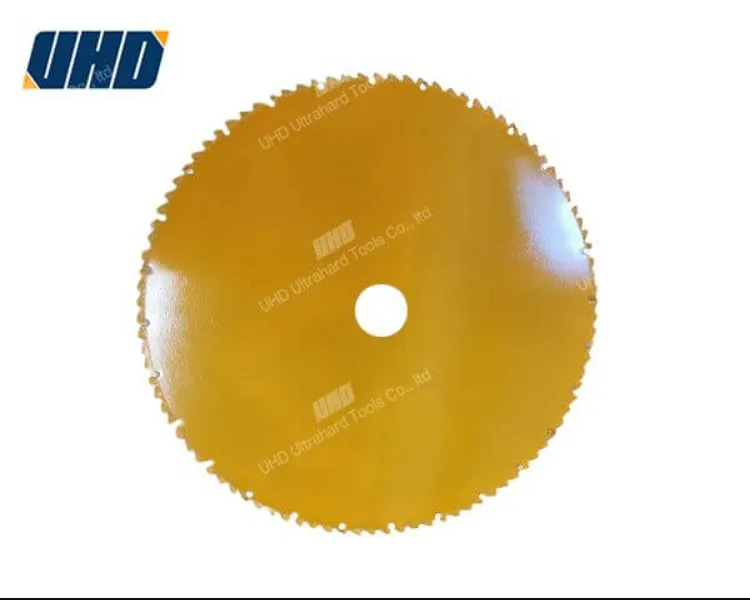
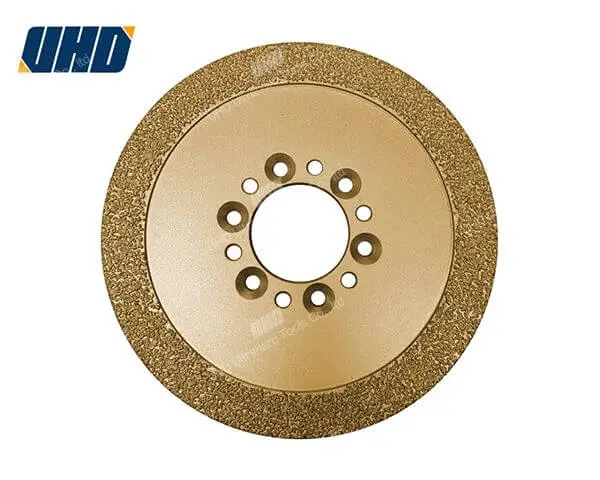
For professionals in construction, demolition, and infrastructure maintenance, choosing the right diamond saw blade isn’t just about size—it’s about understanding real-world performance under pressure. A 400mm brazed diamond blade may seem like a standard tool, but its efficiency hinges on two critical factors: recognizing early signs of wear and selecting the optimal cooling method.
In high-stress environments such as concrete cutting for skyscraper demolition or bridge repair, a 400mm blade offers an ideal balance between reach and control. According to field data from 20+ projects across Europe and the UAE, this size reduces operator fatigue by up to 22% compared to larger blades while maintaining precision at depths up to 150mm—ideal for reinforced concrete slabs.
| Application | Recommended Blade Type | Expected Lifespan (Hours) |
|---|---|---|
| High-rise Demolition | Brazed Diamond (400mm) | 12–18 hrs per blade |
| Floor Grinding / Polishing | Segmented Brazed Blade | 8–15 hrs per blade |
| Bridge Deck Repair | Continuous Rim Brazed | 10–20 hrs per blade |
One of the most common mistakes? Waiting until the blade stops cutting efficiently before replacing it. In reality, visible wear begins long before performance drops significantly. Look for these early indicators:
A case study from a Dubai-based demolition team showed that switching from reactive to proactive blade inspection reduced downtime by 37%. By checking blade condition every 3 hours of continuous use, they extended effective blade life by nearly 25%.
The choice between wet and dry cutting isn't just preference—it's a function of material hardness, environmental conditions, and safety compliance. For example:
Pro tip: Always ensure your coolant system maintains a consistent flow rate of at least 1.5 liters per minute when wet-cutting. Too little water leads to premature wear; too much can cause splashing hazards.
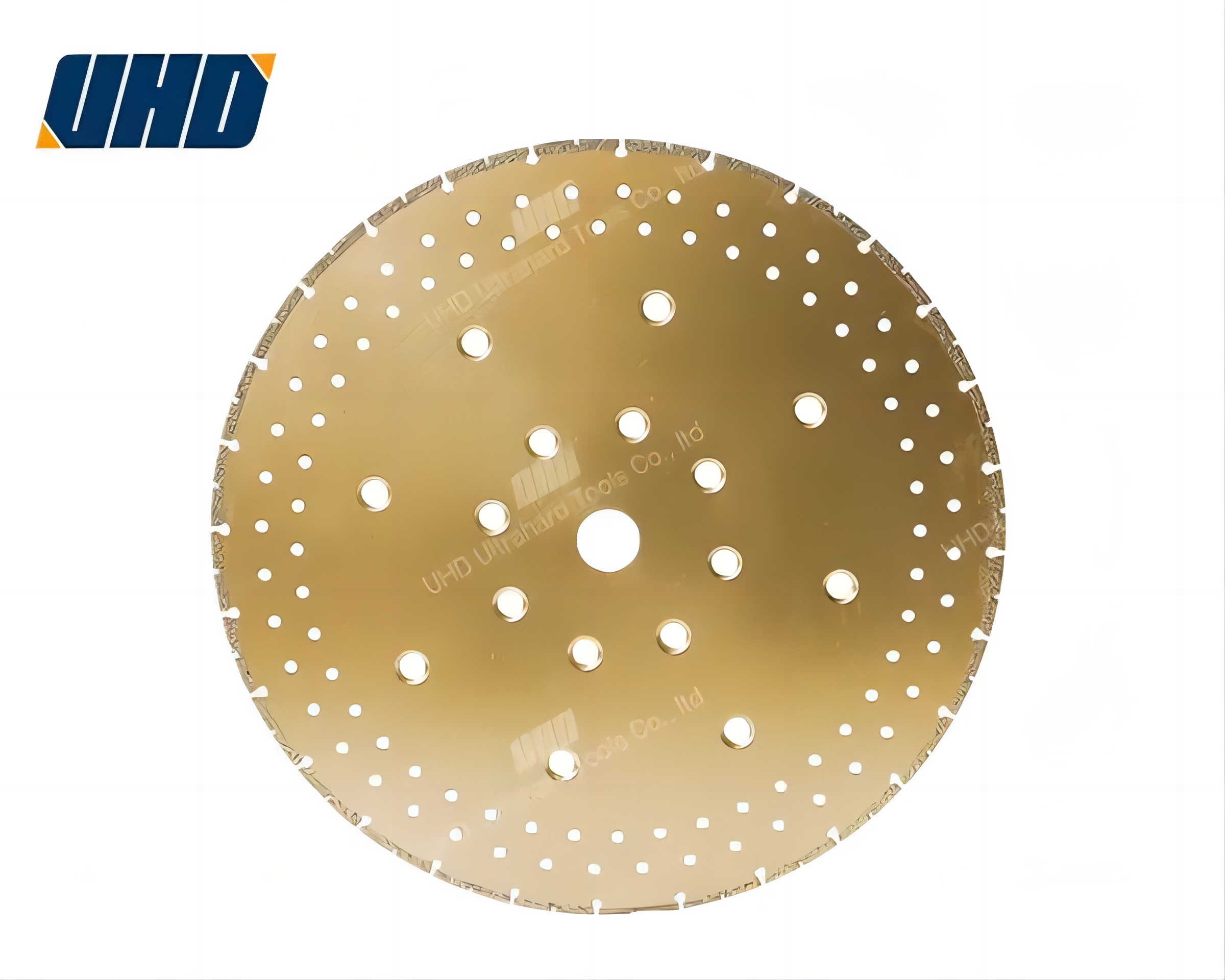
Many contractors still default to welded blades due to familiarity—but modern brazed technology delivers superior durability and consistency. Unlike traditional welding, which creates hot spots and weak bonds, brazing uses a lower temperature process that ensures uniform bonding between diamonds and steel core. Field tests show brazed blades last 1.8x longer than equivalent welded ones under similar conditions.
If you’re serious about maximizing productivity and minimizing waste, consider upgrading to a 400mm brazed diamond saw blade engineered for today’s demanding jobsites. Whether you're grinding floors, cutting through rebar-heavy concrete, or repairing aging bridges, the difference in performance—and safety—is clear.
Get Your Free Technical Guide on Blade Maintenance & Selection