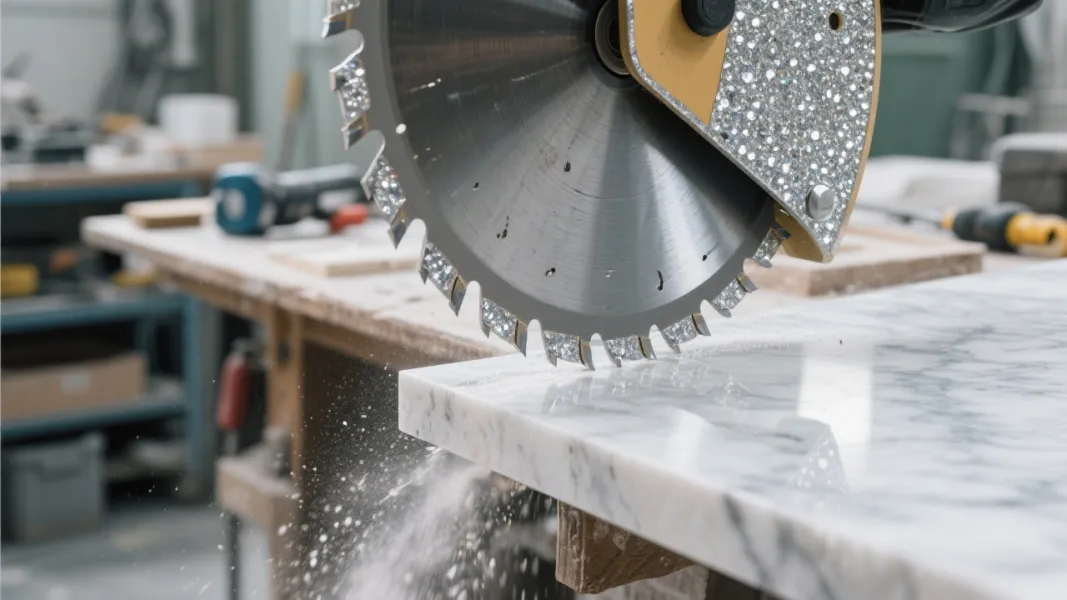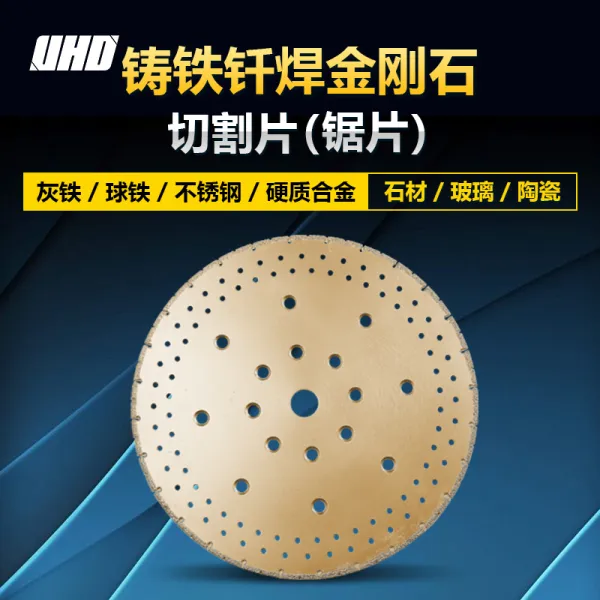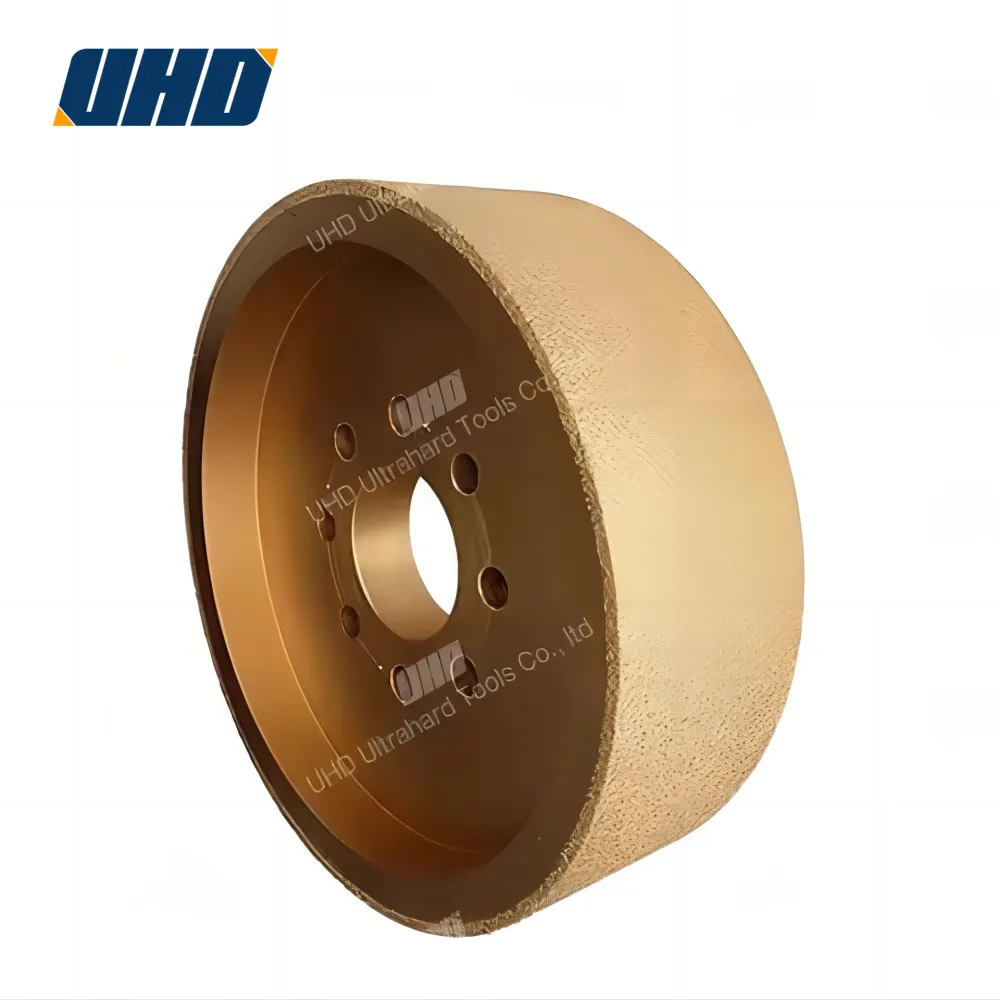
Titanium alloy machining presents significant challenges due to its high hardness and low thermal conductivity. These properties cause traditional cutting tools to wear out rapidly and operate inefficiently, falling short of the requirements for high - precision manufacturing. The high hardness of titanium alloy means that tools have to withstand greater forces during machining, while the low thermal conductivity leads to heat accumulation at the cutting edge, accelerating tool wear and reducing tool life.
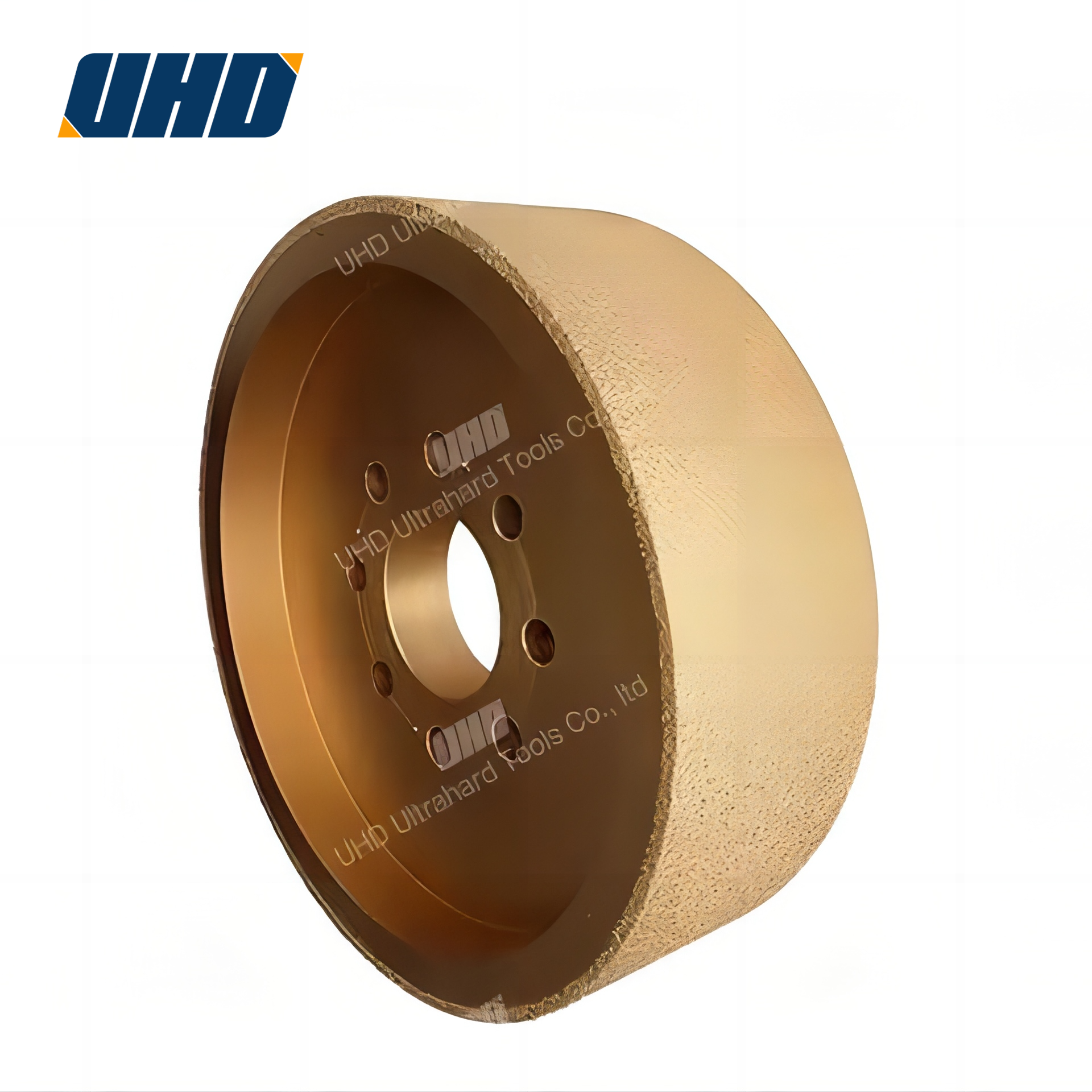
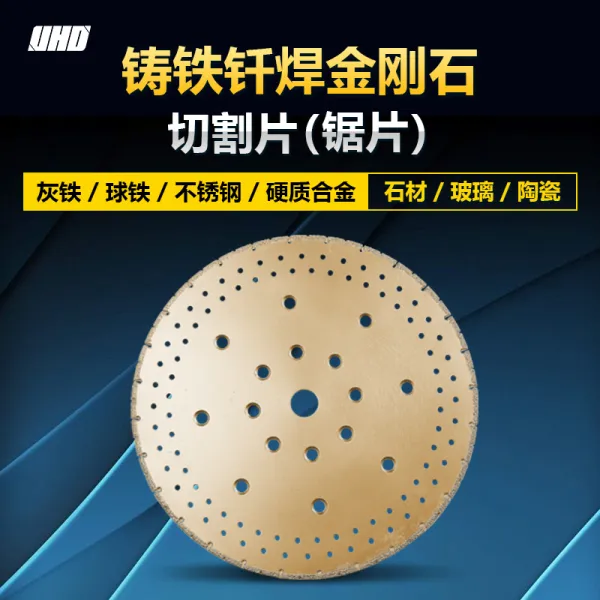
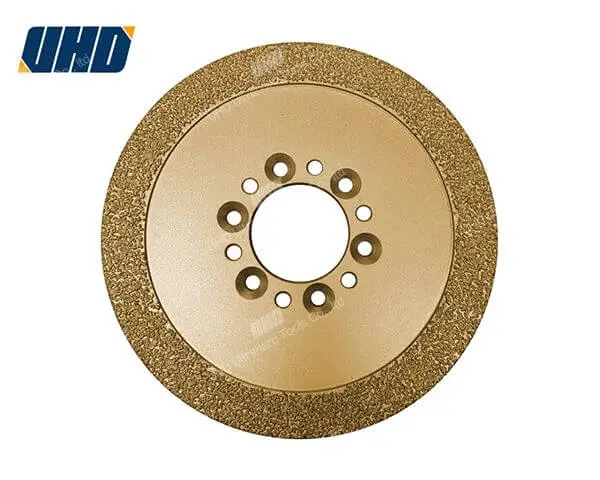
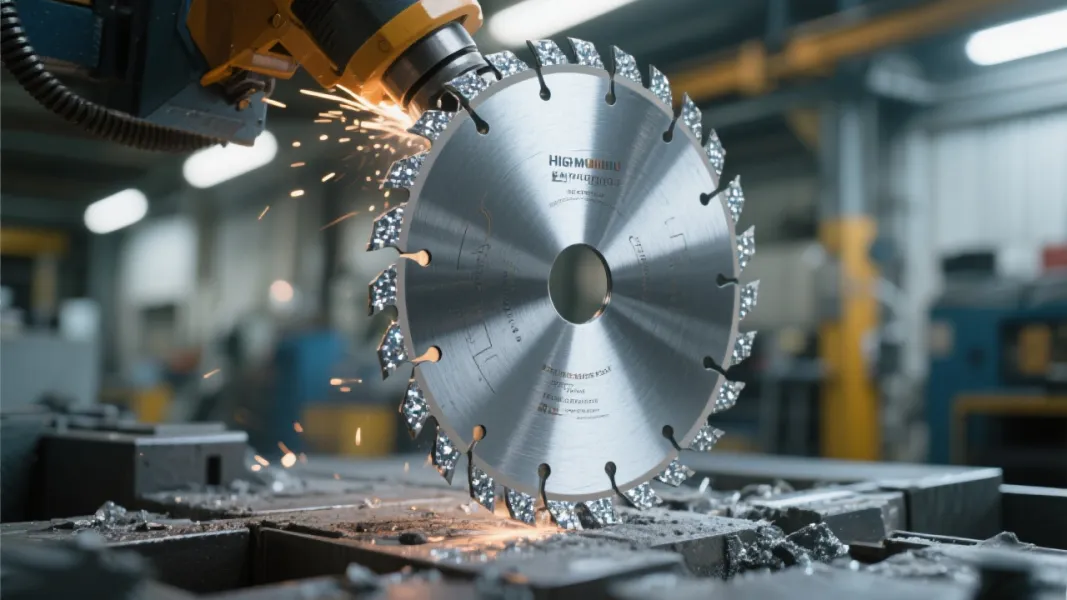
Based on the collaborative research results between UHD and Henan University of Technology, vacuum brazed diamond abrasives have achieved breakthroughs in high - temperature stability and anti - chipping ability. These abrasives offer high wear resistance, stable cutting edge performance, and excellent thermal conductivity. The high - temperature stability ensures that the abrasives can maintain their performance even under the high - heat conditions generated during titanium alloy machining. The anti - chipping ability means that the cutting edge is less likely to break, providing a more consistent cutting performance.
"The vacuum brazed diamond abrasives developed by UHD have shown remarkable performance in our research. Their unique structure and material properties make them stand out in high - precision machining." - An expert from Henan University of Technology
In a complex curved surface machining project for an aerospace customer, the use of UHD's customized tools led to a 35% increase in unit - time output and a 60% reduction in maintenance frequency. The customer had been struggling with the low efficiency and high maintenance costs of traditional tools. After switching to UHD's vacuum brazed diamond abrasive tools, they experienced a significant improvement in productivity. The increase in unit - time output not only reduced production time but also increased overall production capacity, while the reduction in maintenance frequency saved on labor and material costs.

The cutting speed, feed rate, and cooling method have a significant impact on tool life. Through in - depth analysis, we provide practical parameter suggestions. For example, a moderate cutting speed can reduce heat generation and tool wear, while an appropriate feed rate can ensure efficient material removal. The right cooling method can effectively dissipate heat and extend tool life. By following these parameter suggestions, engineers can optimize the machining process and improve tool performance.
| Parameter | Recommended Range |
|---|---|
| Cutting Speed | 80 - 120 m/min |
| Feed Rate | 0.05 - 0.15 mm/r |
| Cooling Method | High - pressure coolant supply |
There are some common misconceptions in the field of titanium alloy machining, such as the belief that "the harder the diamond, the better." Using experimental data and customer feedback, we provide scientific explanations. In fact, the performance of diamond abrasives is not solely determined by hardness. Other factors such as the bonding strength between the diamond and the matrix, the structure of the abrasive, and the adaptability to the machining process also play important roles.
The geometric design of the cutting edge has a significant impact on tool life. A well - designed cutting edge can reduce cutting forces and improve cutting efficiency. Surface quality control is also crucial. By controlling factors such as cutting parameters and tool wear, engineers can ensure a smooth surface finish. Additionally, a daily maintenance checklist helps to keep the tools in good condition. Regular inspections can detect potential problems early and prevent tool failures.
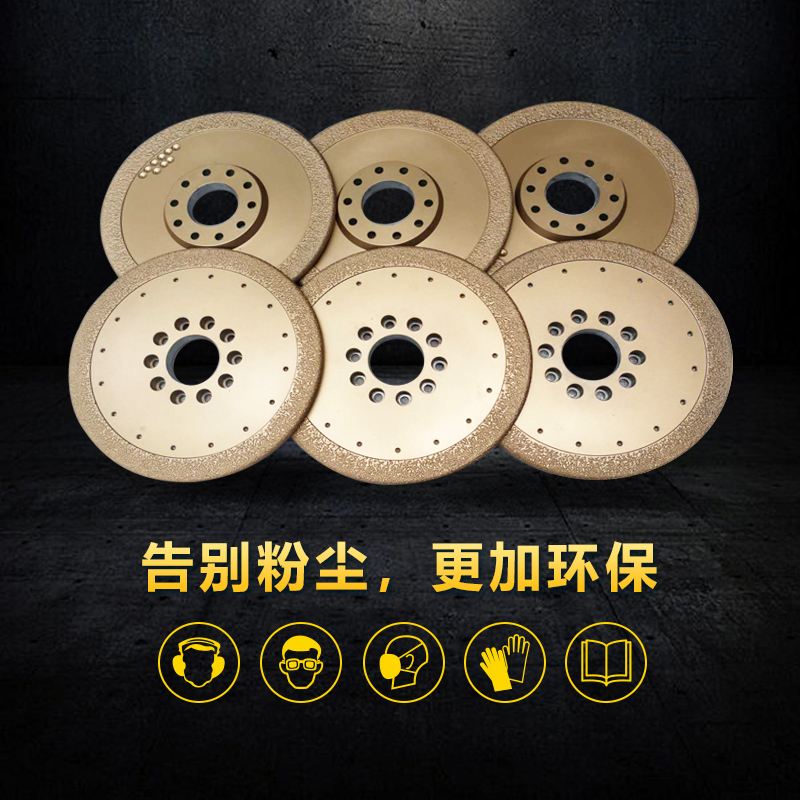
Are you facing challenges in titanium alloy machining? Do you have questions about vacuum brazed diamond abrasives? Leave your comments below, and our experts will be happy to answer them. Choose UHD, and you are choosing an efficient, reliable, and high - quality industrial tool solution. Click here to learn more about UHD's industrial tool solutions.

 137
|
137
|
 400mm diamond saw blade usage
dry or wet cutting selection guide
brazed diamond saw blade application skills
stone cutting process optimization
construction site cutting solutions
400mm diamond saw blade usage
dry or wet cutting selection guide
brazed diamond saw blade application skills
stone cutting process optimization
construction site cutting solutions
 139
|
diamond cutting tools for metal and stone
vacuum brazing technology
UHD hard materials
efficient cutting solutions
industrial diamond tools
409
|
low dust cutting saw blades
eco-friendly cutting solutions
diamond saw blade technology
dry vs wet cutting
industrial dust control
428
|
wet cutting diamond blade lifespan
brazed diamond saw blade cooling
dry vs wet cutting methods
400mm diamond blade usage
stone cutting techniques
471
|
stainless steel cutting efficiency
brazed diamond saw blade
diamond blade selection guide
stainless steel cutting tips
blade life extension
139
|
diamond cutting tools for metal and stone
vacuum brazing technology
UHD hard materials
efficient cutting solutions
industrial diamond tools
409
|
low dust cutting saw blades
eco-friendly cutting solutions
diamond saw blade technology
dry vs wet cutting
industrial dust control
428
|
wet cutting diamond blade lifespan
brazed diamond saw blade cooling
dry vs wet cutting methods
400mm diamond blade usage
stone cutting techniques
471
|
stainless steel cutting efficiency
brazed diamond saw blade
diamond blade selection guide
stainless steel cutting tips
blade life extension