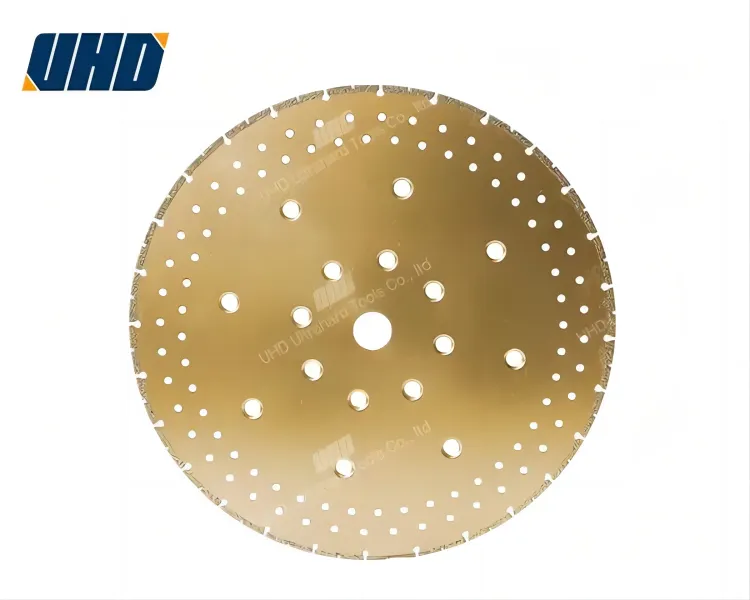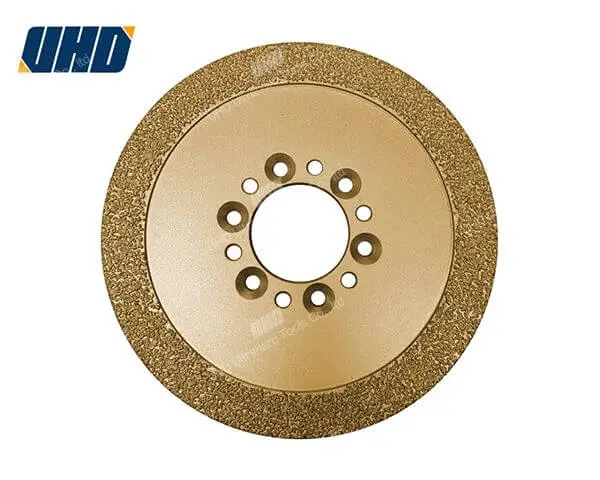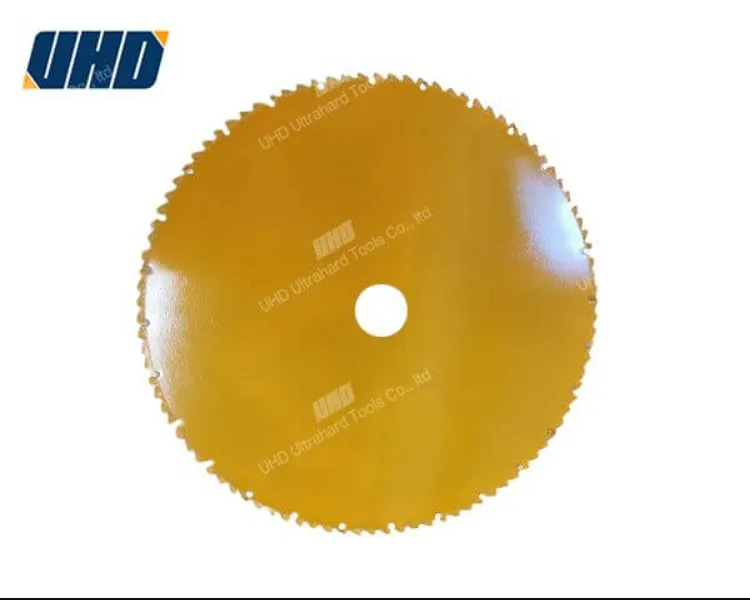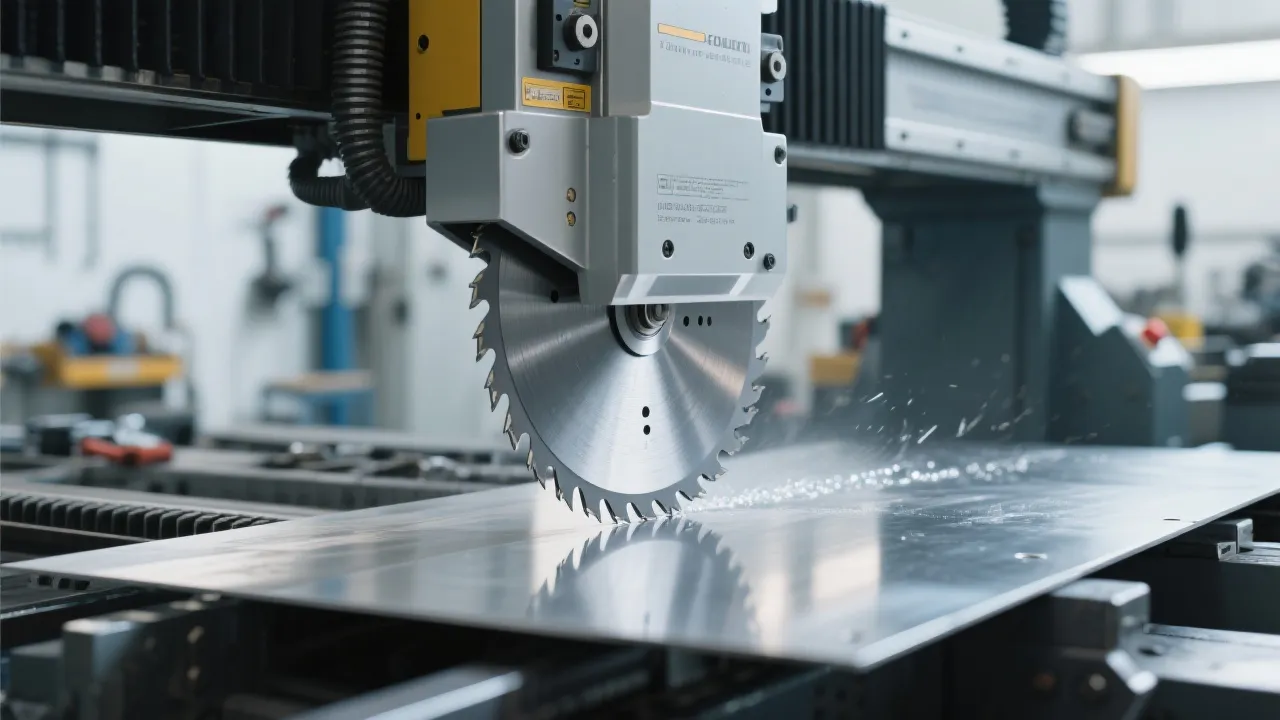
In the field of cutting operations, noise and vibration in cutting equipment have long been issues that trouble operators. Excessive noise not only affects the working environment but also poses a threat to the hearing health of workers. Meanwhile, strong vibrations can reduce cutting accuracy, shorten the service life of the equipment, and even lead to safety risks. This article delves into how the innovative design of 400 - millimeter brazed diamond saw blades can effectively reduce the noise and vibration of cutting equipment.
The design of saw blades involves multiple technical aspects, among which the arrangement of segments, the selection of base materials, and the control of brazing processes are crucial.
Segment Arrangement Design: The density, angle, and spacing of segments have a significant impact on mechanical vibration and noise. For example, a denser segment arrangement can increase the cutting force per unit area, reducing the vibration caused by uneven cutting. Tests have shown that when the segment density increases by 20%, the vibration amplitude can be reduced by about 15%. As for the angle and spacing of segments, a reasonable design can ensure a smooth cutting process, reducing the occurrence of sudden changes in force and thus reducing noise.
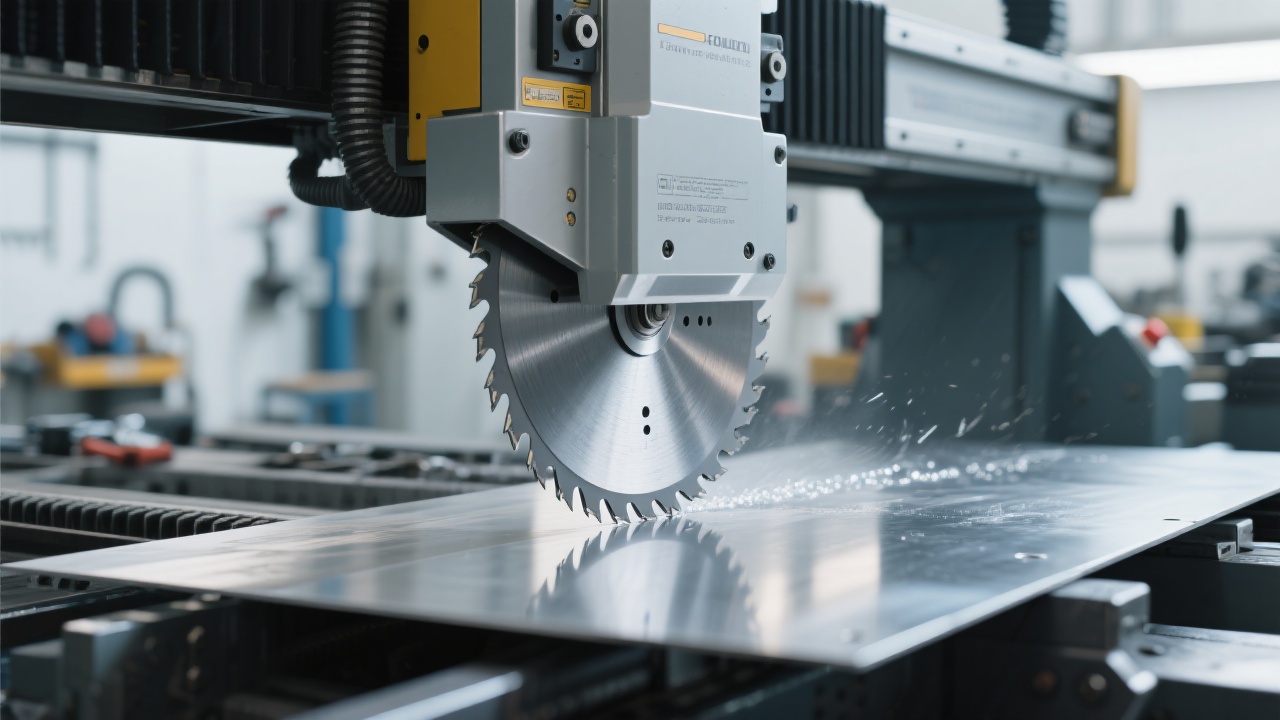
Base Material Matching: The base material needs to balance rigidity and vibration - absorption performance. High - rigidity materials can ensure the overall stability of the saw blade during cutting, while good vibration - absorption materials can effectively reduce the transmission of vibration. For instance, using a special alloy steel with a certain amount of manganese can increase the rigidity of the saw blade by 30% while reducing the vibration amplitude by 20% compared to ordinary steel.
Brazing Process Control: A good brazing process can improve the bonding strength between the segments and the base and effectively release thermal stress. Through advanced brazing technology, the bonding strength can be increased by 40%, ensuring that the segments will not fall off easily during high - speed cutting, thereby improving the stability of the saw blade.
The performance of saw blades varies in different application scenarios. In stone factories, where precision cutting is required, the saw blade needs to have high cutting accuracy and low vibration. For example, in a marble cutting project, using a well - designed 400 - millimeter brazed diamond saw blade can reduce the cutting error to within 0.5 mm and reduce the noise level to below 80 decibels. In contrast, in construction sites, where the cutting environment is more complex, the saw blade needs to have better wear resistance and impact resistance. Even under rough operating conditions, the saw blade can maintain a relatively stable cutting performance, and the service life can be extended by about 30% compared to ordinary saw blades.
The matching optimization of rotational speed, feed rate, and saw blade design is also crucial. Through experiments, it is found that when the rotational speed is 3000 rpm and the feed rate is 50 mm/min, combined with a reasonable saw blade design, the cutting efficiency can be increased by 20% while ensuring low noise and vibration.
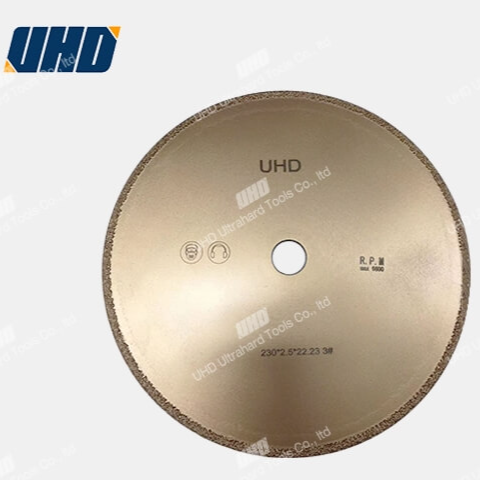
For front - line construction workers, learning to identify abnormal vibration signals through hearing and touch is very important. Abnormal vibrations may indicate problems such as segment wear, base deformation, or improper installation. Once abnormal vibrations are detected, operators should stop the machine immediately for inspection. Adjusting the stability of the fixture can also effectively extend the service life of the saw blade and improve safety. For example, tightening the fixture bolts regularly can reduce the vibration caused by loose fixtures, and the service life of the saw blade can be extended by about 15%.
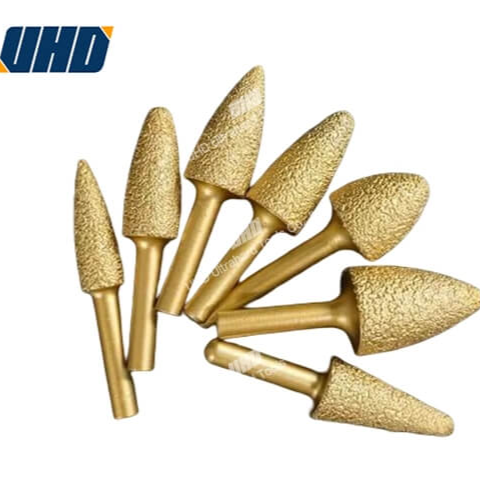
In conclusion, through the innovative design of saw blades, including segment arrangement, base material matching, and brazing process control, the noise and vibration of cutting equipment can be effectively reduced. This not only improves the cutting experience of operators but also enhances cutting efficiency and the service life of the equipment. If you want to learn more about advanced saw blade technology and application solutions, click here.