In the demanding world of structural demolition and infrastructure maintenance, precision, durability, and efficiency aren’t just preferences—they’re non-negotiables. For professionals working on high-rise buildings or critical bridge components, choosing the right cutting tool can mean the difference between a smooth operation and costly delays.
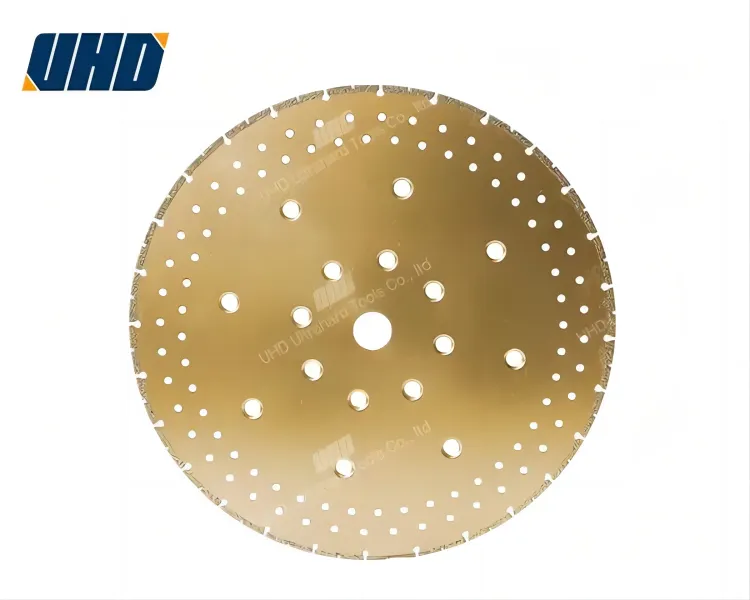
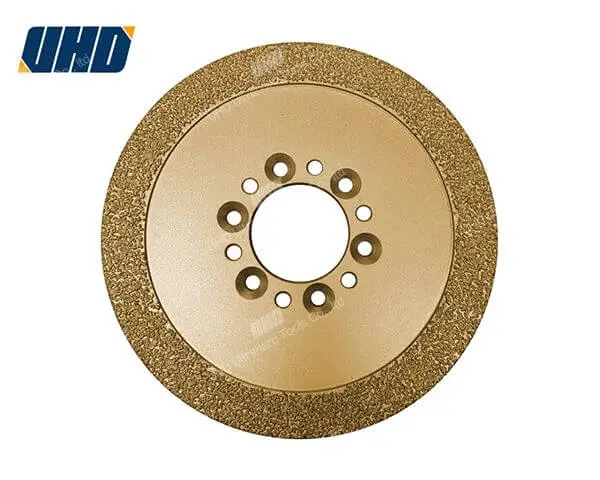
Among the many options available, 400mm brazed diamond blades have emerged as a top-tier solution for concrete and reinforced materials—especially in projects where material hardness exceeds 60 MPa (like high-strength concrete or granite).
Unlike traditional welding methods that use filler metals with lower melting points, brazing bonds the diamond segments directly to the steel core using a high-temperature alloy (typically silver-based). This creates a stronger, more uniform bond that resists thermal shock and mechanical stress better than conventional welds.
Industry data shows that brazed blades maintain up to 30% higher edge retention under continuous cutting conditions compared to welded counterparts—a crucial advantage when working on large-scale demolition sites where downtime equals lost productivity.
| Feature | Brazed Blade | Welded Blade |
|---|---|---|
| Bond Strength (MPa) | 85–95 | 60–70 |
| Cutting Depth (mm) | 100–120 | 80–90 |
| Avg. Life Span (hours) | 15–20 | 10–12 |
A recent case study from Dubai’s Downtown Core project highlights how a 400mm brazed blade reduced cutting time by 22% during slab removal in a 40-story building. The blade maintained consistent performance over 16 hours of continuous dry-cutting—something most competitors couldn’t match without overheating or chipping.
Similarly, in a bridge rehabilitation effort across the Danube River in Romania, engineers chose this blade for its ability to cut through 300mm-thick reinforced concrete beams while minimizing vibration—a key factor in preserving adjacent structures.
Even the best blade needs proper handling. Here are three pro tips:
Q: Can I use this blade for both dry and wet cutting?
A: Yes—but wet cutting significantly extends blade life and improves safety. Dry cutting should be limited to short bursts (<15 mins) with adequate cooling breaks.
Q: How do I know when to replace the blade?
A: When the diamond segment wears down to less than 2mm above the core, or when cutting becomes noticeably slower and louder, it's time to change.
Q: Is there a specific brand recommendation?
A: While many manufacturers offer similar specs, look for those with certified brazing processes (ASTM E140 compliance) and real-world field testing data—not just lab reports.
If you're managing a complex demolition or repair job, don't gamble with subpar tools. The right blade doesn’t just make your work easier—it makes it safer, faster, and more profitable.