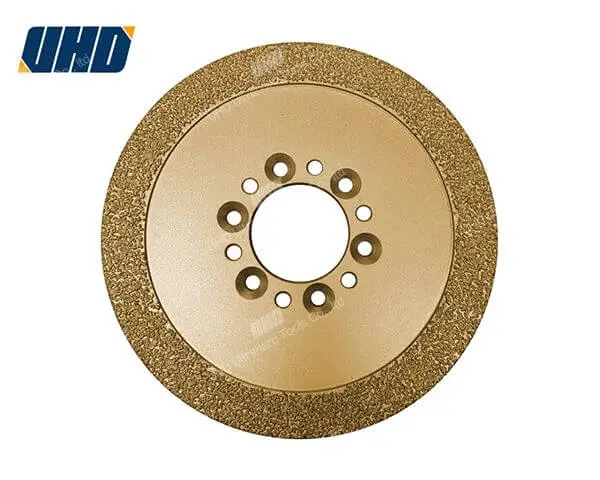
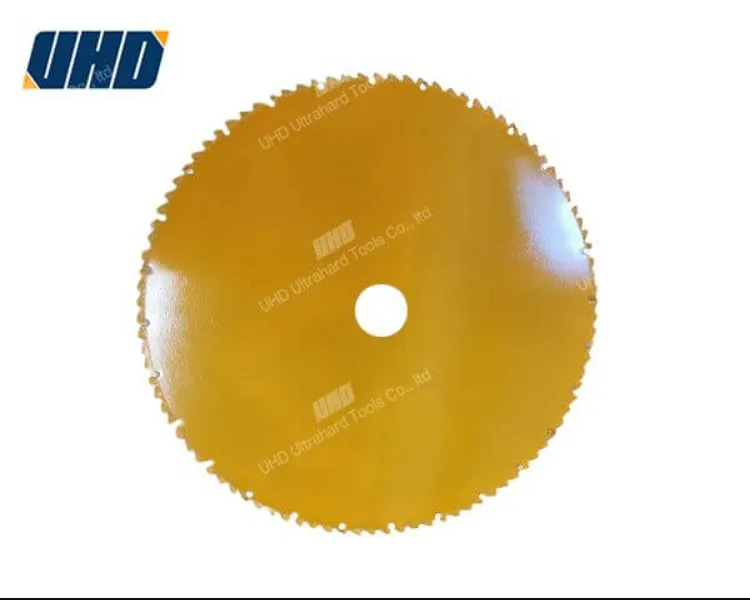
Cutting stainless steel presents unique challenges, from material toughness to tool wear. Leveraging high-performance diamond saw blades and fine-tuning cutting parameters unlock superior productivity and durability. This guide delves into the science behind diamond particle characteristics, bonding technologies, and parameter optimization strategies that significantly enhance cutting efficiency while reducing operational costs.
The selection of diamond particles critically influences blade sharpness and lifespan. Particle size distribution dictates cutting aggressiveness and surface finish quality. For stainless steel, a medium grain size ranging from 20 to 40 mesh is optimal, balancing fast material removal rates with minimal blade wear.
Additionally, the choice of binder material affects thermal stability—a key factor under high-speed cutting conditions. Cobalt or nickel-based metal bonds offer superior heat resistance compared to traditional resin bonds, maintaining diamond exposure longer, which translates to sustained cutting performance and blade longevity.
| Feature | Brazed Diamond Blades | Resin Bonded Blades |
|---|---|---|
| Bonding Strength | High (Metal brazing ensures strong particle adhesion) | Moderate (Resin can degrade under heat and stress) |
| Wear Resistance | Excellent (Longer lifespan under heavy use) | Good (Suitable for less intensive cuts) |
| Safety | Superior (Less risk of particle shedding) | Lower (Potential for bonding failure at high temperatures) |
Choosing brazed diamond blades is highly recommended for industrial stainless steel cutting, particularly when extended blade life and operator safety are priorities.
Efficient cutting involves a harmonious balance between feed rate (the speed at which the material is fed into the blade) and spindle speed (rotations per minute of the saw). Optimizing these settings improves cut quality, extends blade life, and lowers energy consumption.
For stainless steel cutting with a 10-inch brazed diamond blade, ideal spindle speeds range between 3,000 to 4,500 RPM, depending on the machine and blade specifications. Feed rates should be adjusted to allow an effective cut without stalling or overheating, commonly between 0.5 to 1.5 meters per minute for industrial applications.
| Parameter | Recommended Range | Effect on Cutting |
|---|---|---|
| Spindle Speed (RPM) | 3,000 – 4,500 | Higher speeds increase cutting efficiency but risk overheating if excessive |
| Feed Rate (m/min) | 0.5 – 1.5 | Too fast causes blade wear; too slow reduces productivity |
Monitoring blade temperature and vibration patterns during cutting helps fine-tune these parameters in real time, minimizing tool degradation and avoiding workpiece damage.
Proper blade maintenance drastically improves lifecycle and cut quality. Key practices include:
These preventive measures reduce downtime and ensure the cutting process remains consistent, precise, and safe.
A leading industrial fabricator implemented brazed diamond blades coupled with optimized feed and speed parameters, resulting in:
This data underscores the value of choosing the right tooling and fine-tuning operational parameters tailored to stainless steel's unique challenges.