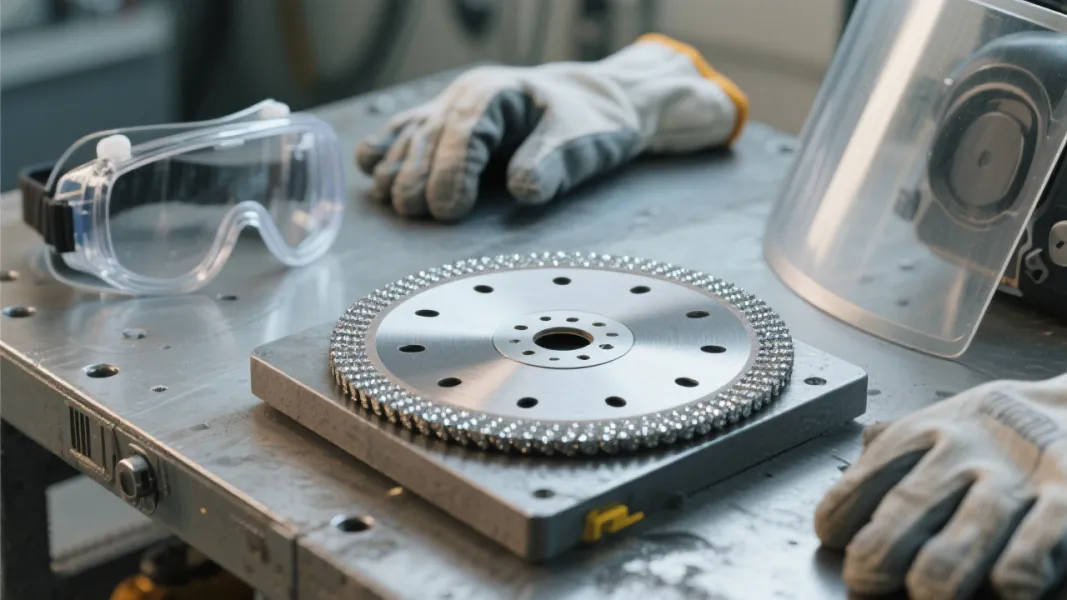
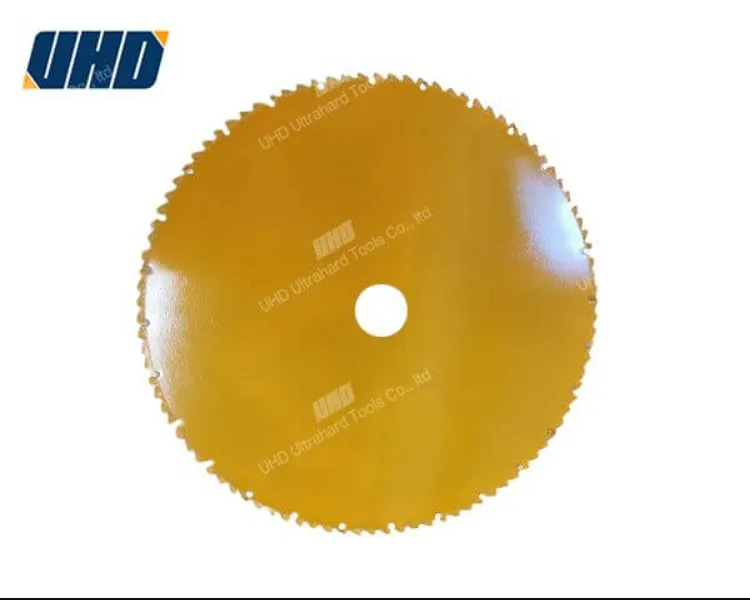
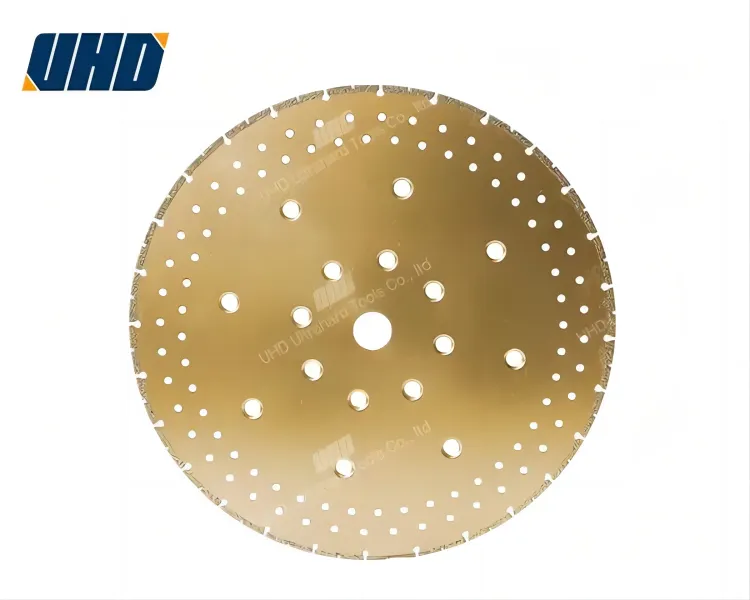
For manufacturers working with stainless steel, gray cast iron, or other hard-to-cut materials, traditional saw blades often lead to frustrating downtime, inconsistent cuts, and excessive tool wear. According to industry benchmarks from the American Society of Mechanical Engineers (ASME), up to 40% of production delays in metalworking shops stem from suboptimal cutting tools—not operator skill or machine quality.
Stainless steel’s high tensile strength and thermal conductivity make it a nightmare for standard carbide or high-speed steel blades. These materials generate excessive heat, cause rapid edge dulling, and increase vibration—leading to poor surface finish and frequent blade replacements. In one survey of 120 machining facilities across Europe and North America, 78% reported that their current blades lasted less than 6 hours under continuous use on stainless steel.
The ZS400H braze-bonded diamond blade solves this problem through two key innovations:
Together, these features result in an average lifespan increase of 2.5x over conventional blades—and real-world users report up to 30% higher throughput without compromising cut quality.
Even the best blade fails if installed incorrectly. Key steps include:
A case study from a German precision parts manufacturer shows how following these practices reduced unexpected blade failures by 67% over six months while increasing daily output from 120 to 156 units per machine.
Q: “How do I avoid damaging my machine when using ZS400H?”
A: Always ensure proper alignment and use coolant flow (if available). Avoid sudden stops or reverse rotation—it’s not designed for that.
Q: “Why does my blade wear out faster than expected?”
A: Likely due to incorrect speed/feed settings or inadequate cooling. Check your parameters against the table above and verify coolant usage.

 175
|
175
|
 400mm diamond saw blade
brazed diamond blade
concrete cutting tools
high-rise demolition
floor grinding blade
400mm diamond saw blade
brazed diamond blade
concrete cutting tools
high-rise demolition
floor grinding blade
 103
|
UHD diamond cutting blade
high-performance cutting blade
industrial metal cutting tools
stone cutting solutions
welded diamond blades
103
|
UHD diamond cutting blade
high-performance cutting blade
industrial metal cutting tools
stone cutting solutions
welded diamond blades
 465
|
400mm diamond saw blade
brazed diamond blade application
concrete cutting techniques
high-rise demolition cutting
bridge repair cutting tools
465
|
400mm diamond saw blade
brazed diamond blade application
concrete cutting techniques
high-rise demolition cutting
bridge repair cutting tools
 304
|
400mm diamond saw blade
dry cutting techniques
wet cutting methods
brazed diamond blade advantages
stone cutting solutions
304
|
400mm diamond saw blade
dry cutting techniques
wet cutting methods
brazed diamond blade advantages
stone cutting solutions
 381
|
ZS400H diamond saw blade
brazed diamond cutting tools
industrial cutting solutions
production efficiency improvement
eco-friendly cutting blade
381
|
ZS400H diamond saw blade
brazed diamond cutting tools
industrial cutting solutions
production efficiency improvement
eco-friendly cutting blade