Stainless Steel Cutting Made Easier: The Ultimate Guide to Choosing Diamond Blades
2025/11/03
Tutorial Guide
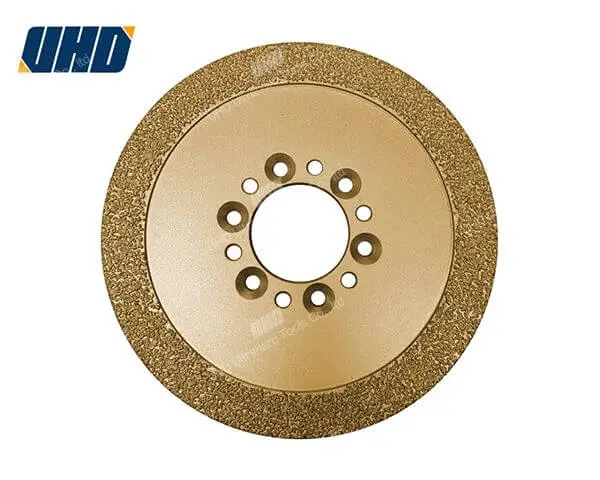
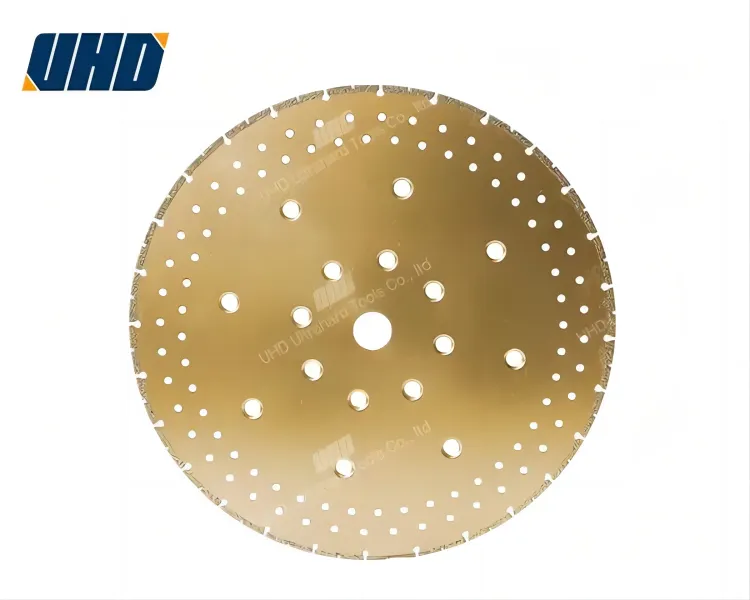
Struggling with slow stainless steel cutting and premature blade wear? This guide reveals how ZS400H brazed diamond blades—engineered for stainless steel—deliver faster, smoother cuts through advanced diamond grain technology and optimized brazing design. Learn how grain size distribution, bond stability, and cutting parameters directly impact performance, and discover practical tips to extend blade life by over 30%, reduce downtime, and boost productivity in real-world applications.
How to Cut Stainless Steel Faster & Smarter: The Ultimate Guide to Choosing the Right Diamond Saw Blade
You're not alone if you've struggled with slow cutting speeds, frequent blade replacements, or inconsistent results when working with stainless steel. In modern manufacturing, where uptime and precision matter more than ever, traditional saw blades simply can't keep up.
💡 Key Insight: A well-chosen
ZS400H brazed diamond blade can increase cutting efficiency by up to 35% and extend blade life by over 2x compared to standard resin-bonded alternatives — without sacrificing safety or accuracy.
Why Standard Blades Fail on Stainless Steel
Stainless steel’s high hardness and thermal conductivity make it a challenge for ordinary tools. Many operators still rely on outdated resin-bonded blades that wear out quickly under heat stress — leading to frequent downtime, rework, and higher material waste. That’s why industry leaders are switching to advanced brazed diamond solutions like ZS400H.
The Science Behind Superior Performance
The secret lies in two core innovations:
- Optimized grain size distribution: ZS400H uses a mix of coarse (40–60 mesh) and fine (80–120 mesh) diamonds, giving both aggressive initial cutting and long-term wear resistance.
- High-stability brazing alloy: Unlike resin bonds that degrade above 150°C, the copper-tin brazing matrix maintains structural integrity even at 250°C+, reducing chipping and extending usable life by 30–40%.
| Feature |
Resin-Bonded Blade |
ZS400H Brazed Diamond Blade |
| Max Temp Resistance |
~150°C |
~250°C |
| Avg. Life per Cut |
~500 linear meters |
~1,200 linear meters |
| Risk of Chipping |
High |
Low |
Cutting Parameters Matter — Here's How to Optimize Them
Even the best blade won’t perform unless used correctly. For ZS400H, aim for:
- Feed rate: 0.1–0.3 mm/rev — too fast causes overheating; too slow reduces productivity.
- Spindle speed: 3,000–5,000 RPM depending on thickness — always start low and adjust based on chip color (ideal is light brown).
Maintenance Tips That Keep Your Blade Sharp Longer
Don’t wait until your blade fails — proactive care saves time and money:
- After each shift, clean the blade face with compressed air to remove metal debris.
- Check for runout using a dial indicator — any deviation >0.05mm means re-balancing or replacement.
- If you see blue/grey discoloration, reduce feed speed immediately — this indicates overheating.
In real-world applications across automotive, aerospace, and fabrication shops, users report consistent improvements in throughput and reduced tooling costs after switching to ZS400H. One German machine shop saw a 37% drop in blade-related downtime within just three months.