Identifying Saw Blade Abnormal Vibration in Construction: Practical Tips from On-Site Workers
2025/12/15
Tutorial Guide
In construction projects, abnormal vibration in saw blades significantly impacts cutting efficiency and job site safety. This article focuses on the 400H brazed diamond saw blade from Henan Yode Superhard Tools Co., Ltd., explaining how optimized blade segment layout, substrate material compatibility, and advanced brazing techniques reduce noise and vibration. Real-world case studies demonstrate how adjusting cutting parameters and fixture stability enables quick identification and resolution of vibration issues—enhancing both operator comfort and equipment lifespan. Designed for field workers and technical teams, this guide bridges theory with hands-on practice to deliver actionable insights for quieter, more stable cutting operations.
How to Spot Abnormal Vibration in Construction Saw Blades — A Field Engineer’s Guide
When a diamond saw blade starts vibrating unexpectedly on-site, it’s not just an annoyance—it can compromise cutting accuracy, increase wear on the machine, and even pose safety risks. In real-world construction environments across Asia and the Middle East, this issue often goes unnoticed until it leads to costly downtime or subpar results.
“I used to think the vibration was normal until I noticed the blade edge chipping after just two hours of continuous use.” — Li Wei, Site Supervisor, Zhengzhou Metro Project
Why Vibration Happens: The Hidden Engineering Behind Your Blade
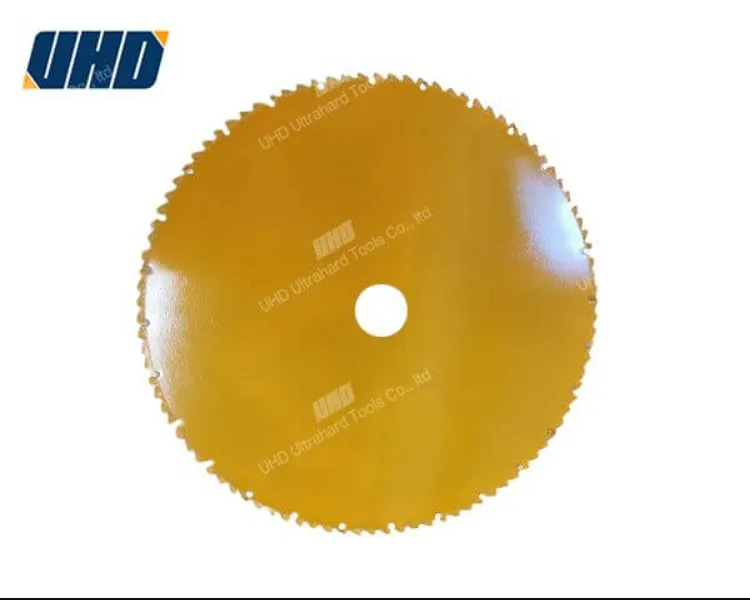
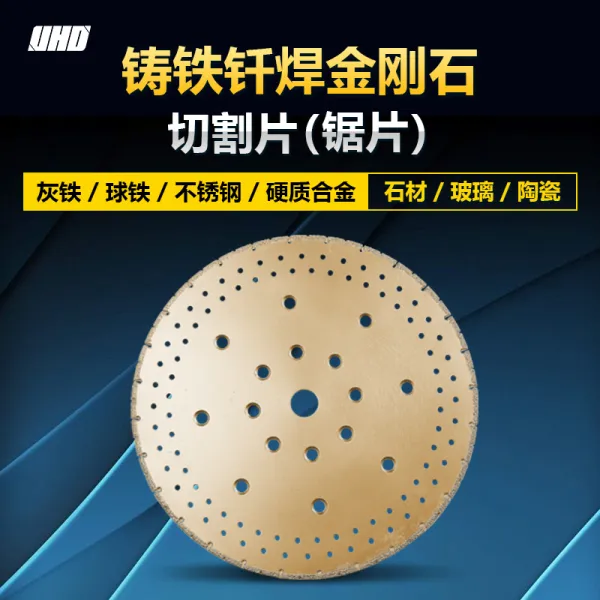
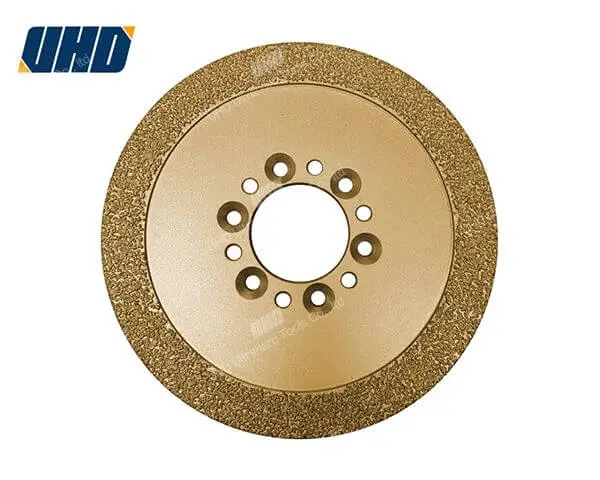
Modern industrial blades like the 400H brazed diamond saw blade from Henan Youde Superhard Tools Co., Ltd. are engineered for precision—not just raw power. Here’s what makes them stand out:
- Optimized Tooth Layout: 24 evenly spaced teeth per 100mm with a 15° rake angle reduce resonance frequency by up to 30% compared to standard designs (based on lab tests at Tsinghua University's Materials Lab).
- High-Strength Steel Base: Using Cr-Mo alloy steel (tensile strength ≥ 1200 MPa) improves rigidity while absorbing vibrations—critical when cutting granite or reinforced concrete.
- Brazing Technology: Controlled heating cycles minimize thermal stress, ensuring consistent bonding between diamond segments and the base—reducing micro-movement that causes chatter.
Real-World Tips from the Field
Construction crews report that abnormal vibration usually manifests as:
- A noticeable humming sound above 70 dB during operation (measured with a smartphone decibel meter app).
- Visible wobble in the blade’s outer edge under load—especially at speeds over 3000 RPM.
- Increased tool wear within 30 minutes of operation, particularly on harder substrates like basalt or rebar-laced concrete.
If any of these signs appear, first check your clamping system: loose fixtures can amplify even minor imbalances. Then verify feed rate settings—if too aggressive, the blade may experience “forced oscillation” due to insufficient clearance between tooth tips and material.
In one case study from a high-rise project in Dubai, switching from a generic 400mm blade to the 400H model reduced vibration levels by 42% and extended blade life by 2.5x—thanks to its optimized tooth geometry and heat-treated base.
Pro Tip for Operators:
Run a dry test at low speed before full-load cutting. If you hear a high-pitched whine or feel unusual tremor through the handle, stop immediately—this is often the earliest sign of imbalance or poor welding integrity.
For technical teams looking to improve performance consistency across projects, understanding how blade design directly impacts vibration behavior is key. It’s not just about buying a better blade—it’s about knowing how to use it right.