When it comes to stone cutting, excessive noise and strong vibrations are common problems that can significantly reduce construction efficiency. For example, in a large - scale stone processing plant, the average noise level of traditional saw blades during operation can reach over 80 decibels, which not only affects the working environment but also poses a risk to the health of workers. High - intensity vibrations can lead to inaccurate cutting, increased wear and tear on the saw blade, and even damage to the cutting equipment. According to industry statistics, about 30% of saw blade failures in the stone processing industry are related to excessive vibration.
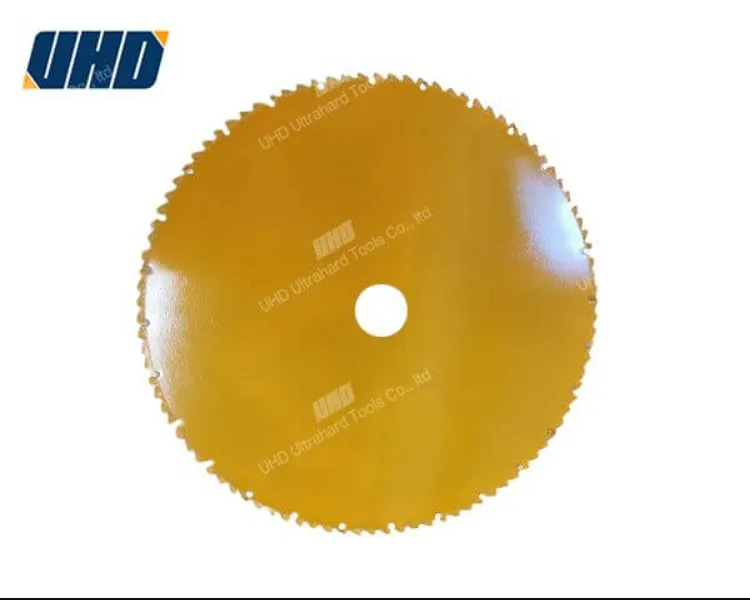
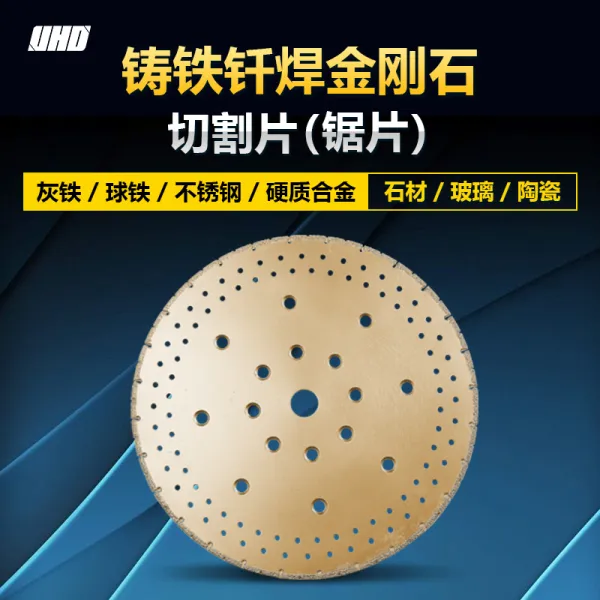
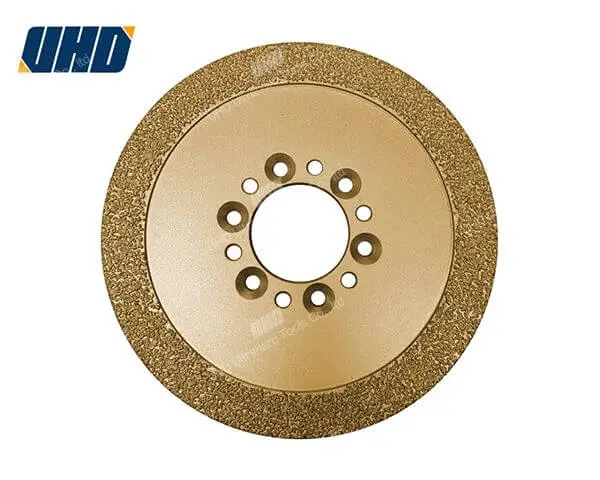
The parameters of segment arrangement, including spacing, angle, and density, play a crucial role in regulating the vibration frequency of the saw blade. A suitable segment spacing can balance the cutting force and reduce the irregular vibration caused by uneven force distribution. For instance, in a 400H brazed diamond saw blade, an optimized segment angle can change the cutting path, reducing the impact force on the blade during cutting. The density of the segments also affects the vibration frequency. A reasonable segment density can make the cutting process more stable. According to research, a well - designed segment arrangement can reduce the vibration frequency by about 20% to 30%.
Different base materials have different characteristics in terms of rigidity and vibration absorption. Some high - strength steel materials provide excellent rigidity, ensuring the stability of the saw blade during high - speed cutting. On the other hand, certain alloy materials can absorb vibration energy well, reducing the transmission of vibration to the cutting equipment. For example, in some high - end saw blades, a special alloy - steel composite material is used. This material can maintain a high level of rigidity while absorbing about 15% to 20% of the vibration energy, greatly improving the cutting quality.
The brazing process is also an important factor in reducing the structural disturbance caused by thermal stress. During the cutting process, the saw blade will generate a large amount of heat, which can cause thermal stress and deformation of the blade. A proper brazing process can ensure a strong connection between the segments and the base, reducing the impact of thermal stress. For example, a new - type brazing process uses a low - temperature brazing filler metal, which can not only reduce the production of thermal stress but also improve the bonding strength between the segments and the base by about 10% to 15%.
In actual construction sites and stone processing factories, the matching effect of various parameters is crucial. Take a medium - sized stone processing factory as an example. After adopting a saw blade with optimized segment arrangement, appropriate base material, and advanced brazing process, the cutting noise was reduced from over 80 decibels to about 65 decibels. At the same time, the cutting accuracy was improved by about 15%, and the service life of the saw blade was extended by about 20%.
Identifying abnormal vibration signals is an important skill for equipment operators and engineering managers. For example, if the vibration frequency suddenly increases or the vibration amplitude becomes irregular, it may indicate a problem with the saw blade or the cutting equipment. In addition, ensuring the stability of the clamp is also essential. A stable clamp can reduce the vibration caused by the movement of the saw blade during cutting. As an experienced front - line worker said, "A well - fixed clamp can make the cutting process much smoother and quieter."
Are you tired of high - noise and high - vibration cutting? Discover how a well - designed saw blade like the 400H can transform your cutting experience. Click here to learn more about our advanced saw blade solutions!







.png?x-oss-process=image/resize,h_600,m_lfit/format,webp)