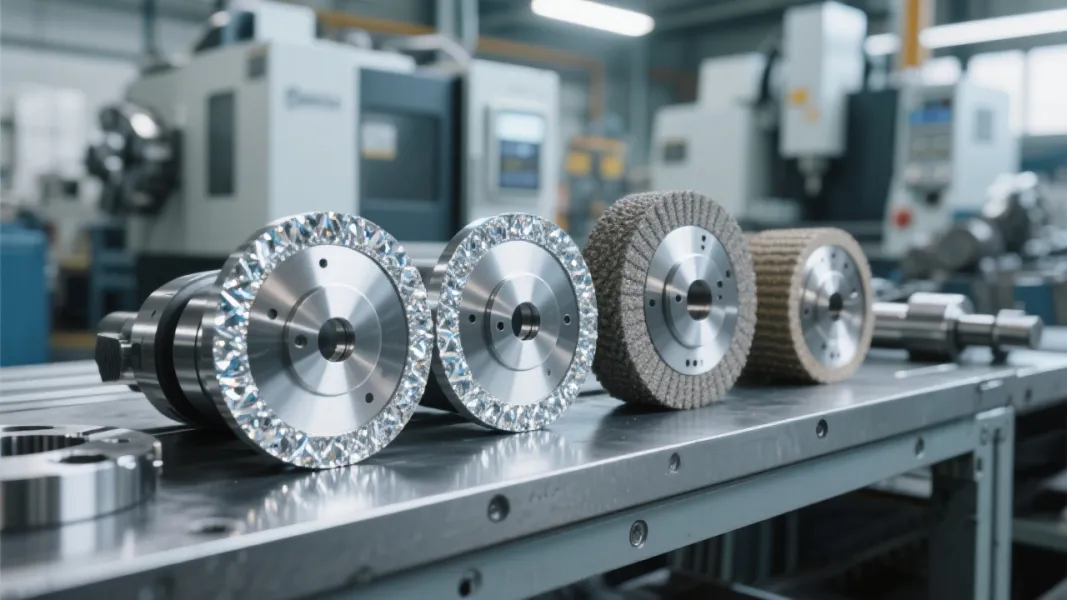
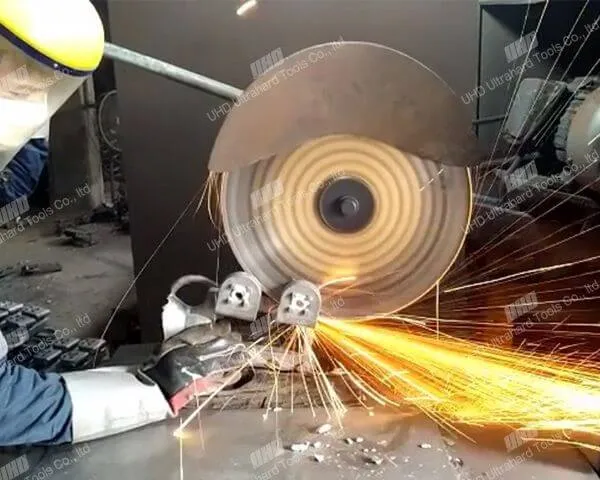
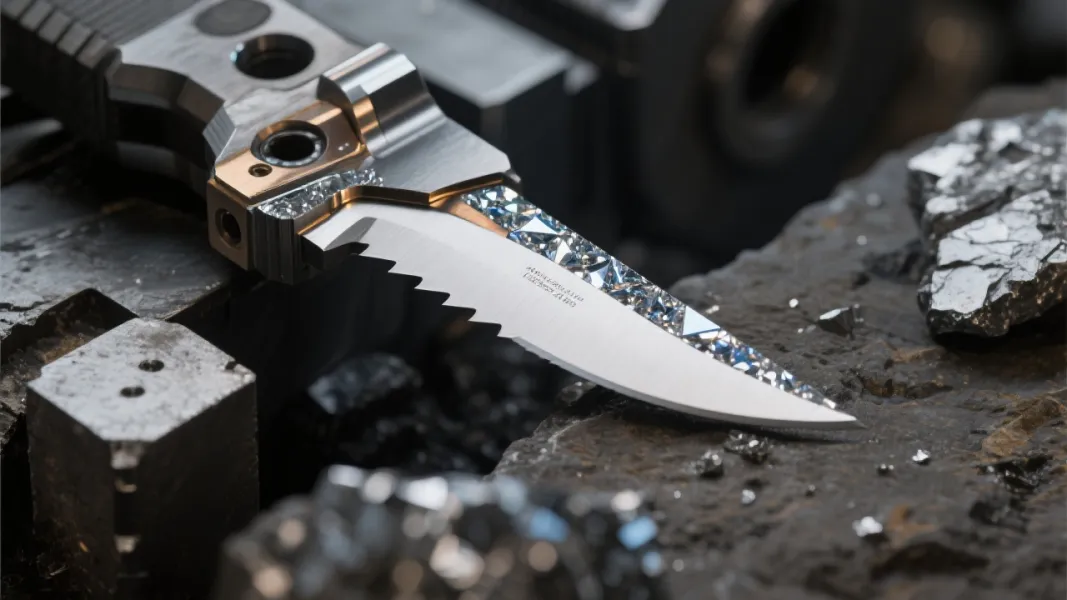
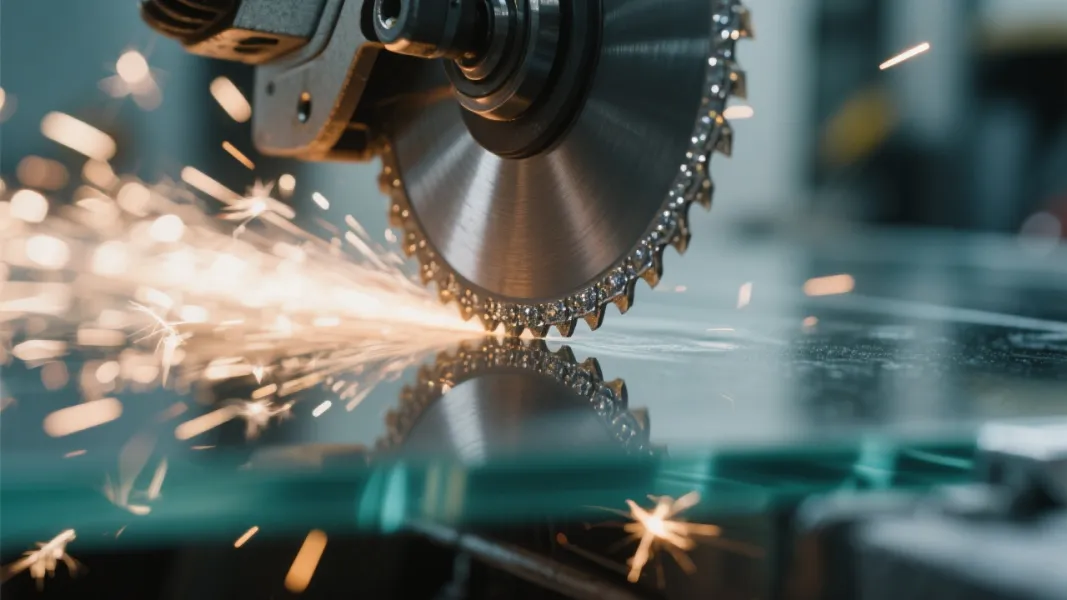
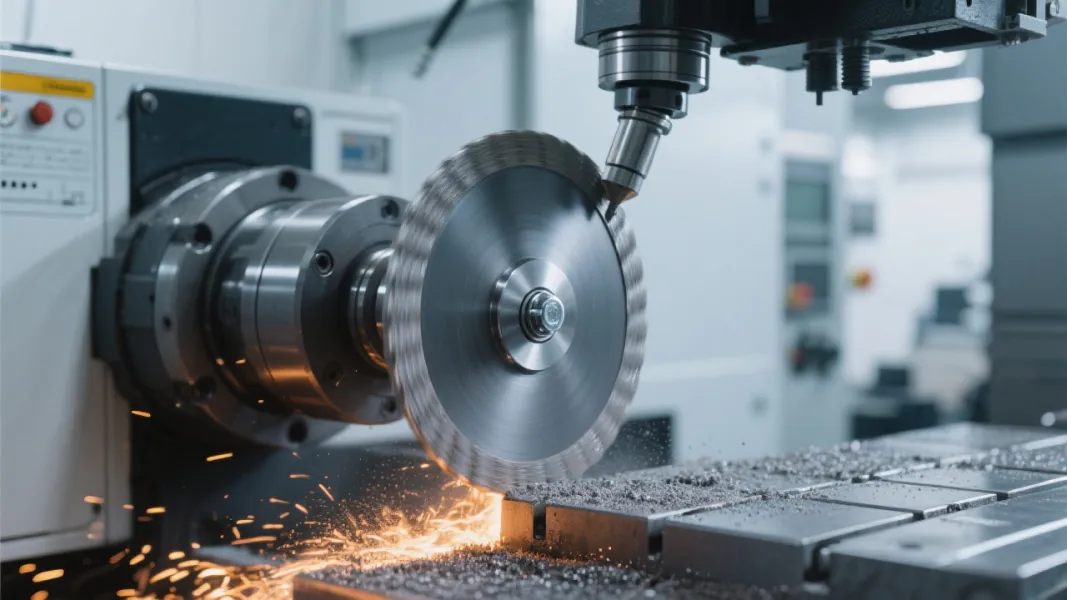
Industrial cutting dust remains a persistent barrier to green manufacturing—raising PM2.5 exposure, increasing housekeeping load, and complicating ESG and occupational health compliance. This article explains how the UHD 400 high-performance welded diamond cutting blade helps lower airborne particles through two core innovations: a precision cutting edge that stabilizes the kerf and suppresses micro-particle splash, and an optimized tooth geometry that improves chip evacuation paths while reducing discharge resistance. Together, these design choices can decrease dust generation at the source and make extraction systems more effective.
Real-world customer data from a metal fabrication shop is included to translate engineering claims into measurable outcomes: after switching to UHD 400 under the same process conditions and ventilation setup, in-zone PM2.5 readings dropped by more than 40%, and operators reported improved comfort and visibility—supporting the message “Say goodbye to the mask era” and “Make your workshop air fresher.” The article also provides a practical, step-by-step operating guide—covering wet cooling options, correct feed control, routine debris removal, and maintenance checkpoints—so teams can implement cleaner cutting immediately and sustain results over time. Suggested visuals (e.g., a before/after PM2.5 comparison chart and dust trend curve) help readers replicate the measurement and verification approach and accelerate a clean-production transition.
Industrial Cutting Dust Is Not “Just a Mess”—It’s a Compliance, Health, and Productivity Risk
In many fabrication shops, dust from cutting concrete, stone, ceramics, or masonry is treated as an unavoidable by-product. But airborne particulate—especially PM2.5—doesn’t stay near the saw table. It travels through the workshop, settles into motors and bearings, and ends up in lungs. For companies working toward ESG targets, ISO-aligned safety programs, or stricter customer audits, “we’ve always done it this way” is no longer a defensible answer.
The good news: dust reduction is not only about adding more ventilation. Many results come from a more fundamental lever—the cutting tool’s edge stability and chip evacuation design. This is where the UHD high-performance welded diamond cutting blade 400 is engineered to make a measurable difference—helping teams move toward “goodbye to the mask era” and “a fresher workshop air” without slowing production.
1) The Real Problem: Why Traditional Cutting Generates So Much Dust
Dust is produced when the tool’s contact zone becomes unstable: micro-chipping, vibration, and excessive friction grind the workpiece into fine particles instead of producing larger, heavier chips that fall quickly. In practice, workshops often see the same dust amplifiers:
Edge wobble and runout → intermittent “bite” increases shattering and airborne fines.
Poor chip evacuation → re-cutting of debris makes particles smaller and more respirable.
High thermal load → material becomes brittle at the cut zone; dust rises with hot air currents.
Operator compensation (pushing harder) → spikes in dust, noise, and tool wear.
A dust-control strategy that starts only with masks, housekeeping, and extraction is incomplete. The cutting system itself must be engineered to reduce particle creation at the source.
2) The Technology Principle: How UHD Welded Diamond Blade 400 Reduces Dust at the Source
UHD’s approach focuses on two dust-generation mechanisms: (a) particle ejection from the cutting edge and (b) particle re-processing due to blocked chip flow. The UHD welded diamond cutting blade 400 targets both with a coordinated design rather than a single “feature claim.”
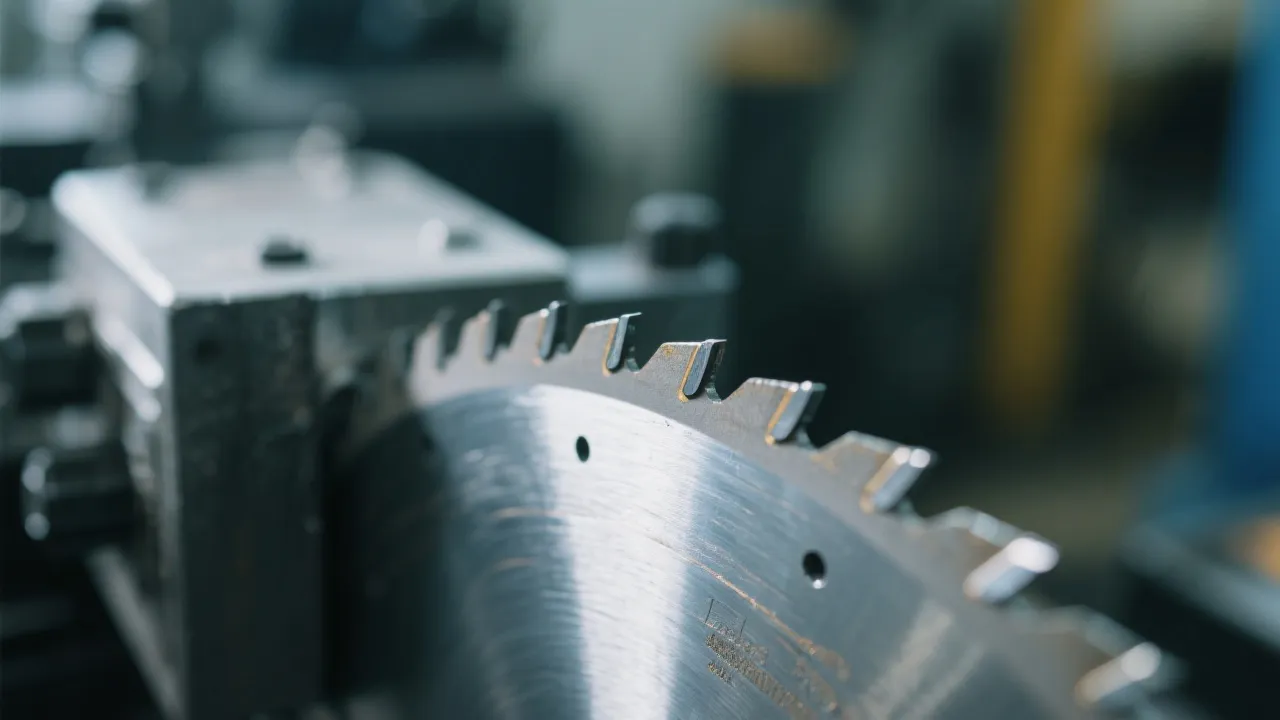
2.1 Precision cutting edge: less shattering, fewer airborne fines
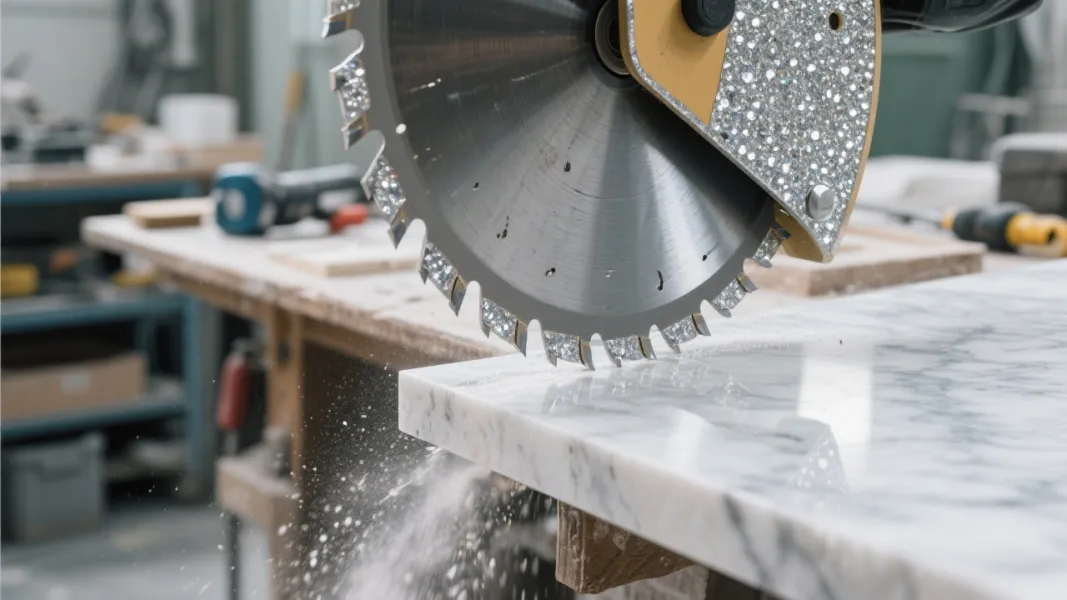
A more stable, precise cutting edge reduces micro-fractures and limits the “spray” of fine fragments. When the blade maintains consistent engagement, the workpiece is cut instead of crushed. In real workshop terms, this shows up as:
Cleaner kerf walls and less chalky residue near the cut line
Lower visible haze during continuous cuts (especially on dry cuts)
More predictable feed rate without “operator over-push”
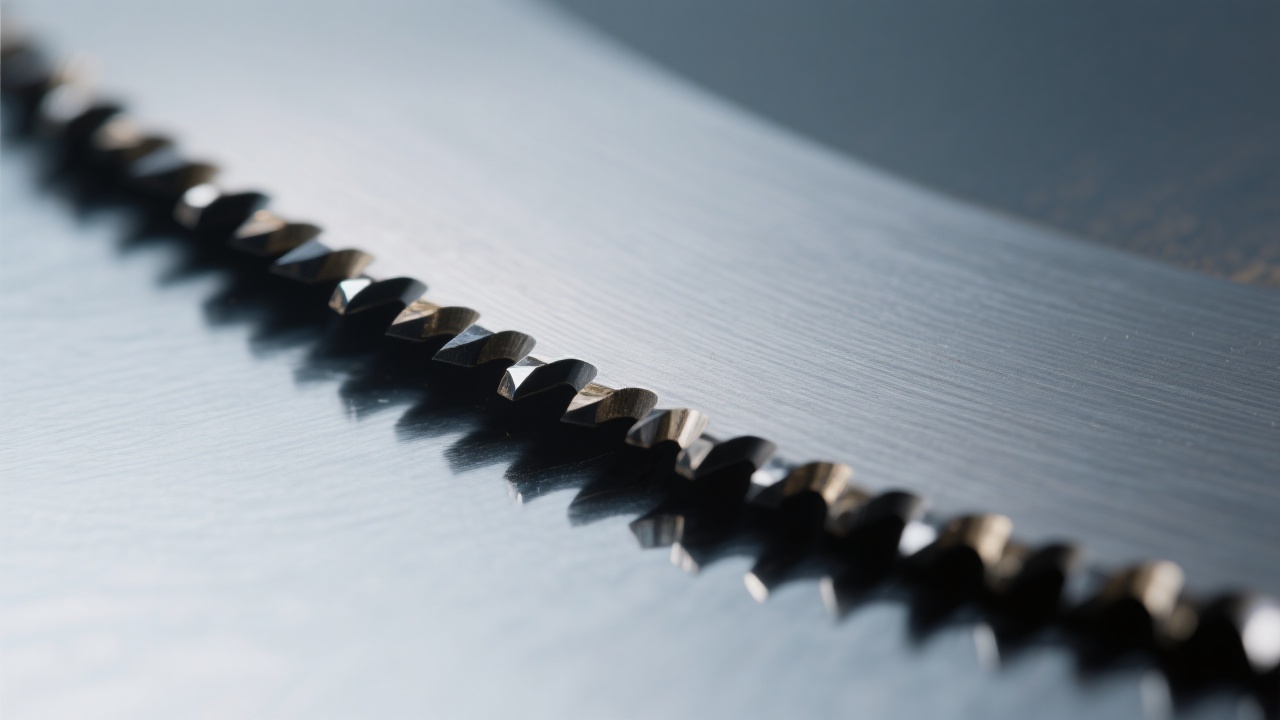
Dust becomes dangerous when larger chips are repeatedly broken down into smaller particles. An optimized tooth geometry helps guide debris out of the cut zone, lowering the chance of re-cutting and reducing evacuation resistance. That means:
Less clogging and less “drag” as the cut deepens
Reduced heat buildup that can lift dust into the breathing zone
More stable cutting sound (often an early indicator of steadier engagement)
2.3 Welded diamond segment integrity: consistency across long shifts
In many facilities, dust spikes happen late in the shift—when cutting edges degrade and vibration increases. A robust welded diamond construction is designed to keep cutting behavior consistent longer, helping operations maintain a lower-dust process window without frequent tool changes.
3) Proof in the Workshop: Measured PM2.5 Improvements and Operator Feedback
Dust reduction must be evaluated with numbers, not impressions. Below is a real-world style benchmarking approach many manufacturing teams use: compare baseline blade vs. improved blade under the same shift, material, and extraction settings, using a portable air quality monitor placed near the operator breathing zone (about 1.2–1.5 m height).
Customer case (fabrication plant, masonry cutting line)
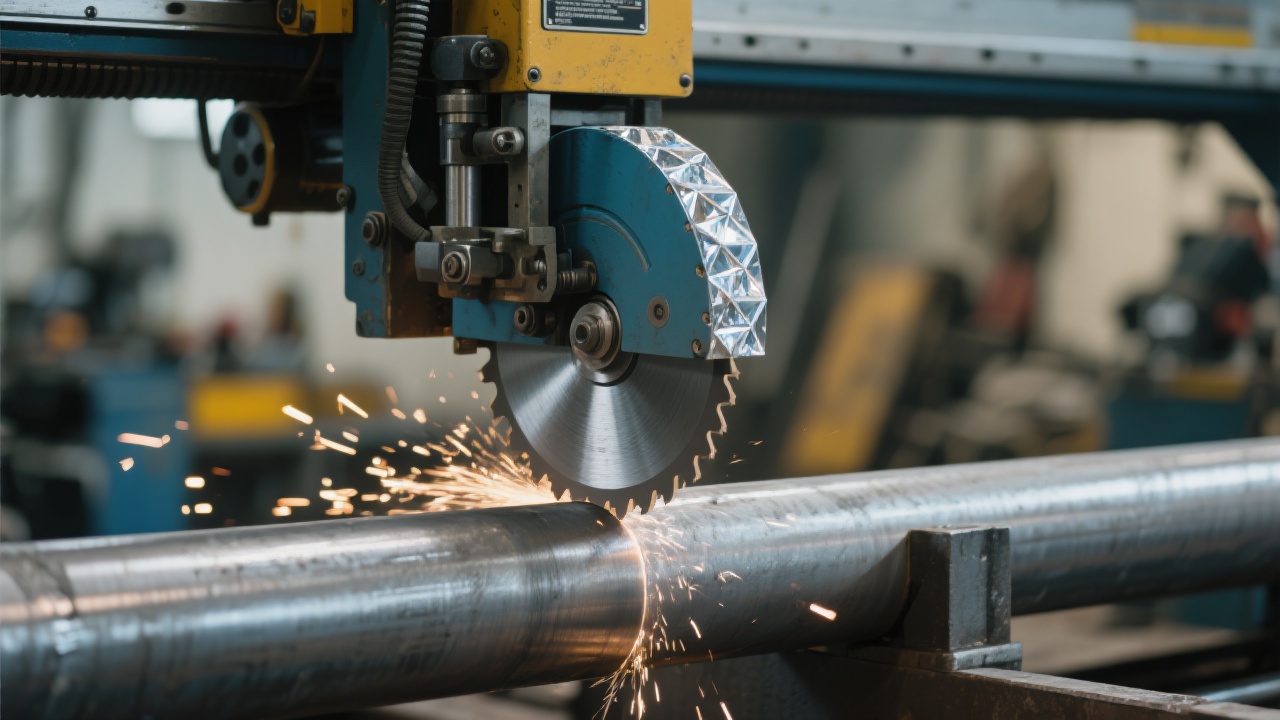
A mid-size building materials fabrication plant upgraded to UHD welded diamond cutting blade 400 on a high-throughput cutting station (daily repetitive cuts on concrete-based products). They kept the same operator, same workstation layout, and identical housekeeping schedule for a fair comparison.
Average PM2.5 near operator: reduced from 156 μg/m³ to 92 μg/m³ (≈ 41% decrease)
Peak PM2.5 during heavy cuts: reduced from 310 μg/m³ to 185 μg/m³ (≈ 40% decrease)
Operator feedback score (internal survey): “air feels clearer / less throat irritation” improved from 3.1 to 4.2 out of 5
Blade change frequency: reduced by ~18% over a four-week run due to more stable cutting behavior
The plant’s EHS supervisor noted that the most visible improvement was not just the “haze,” but the reduced dust settling on nearby equipment panels—helping maintenance teams spend less time on wipe-downs.
Suggested infographic for your page (easy to understand, highly shareable)
A simple visual often drives internal buy-in: “PM2.5 Before vs. After” across a shift. Use a line chart (time on X-axis, PM2.5 on Y-axis) plus two callouts for average and peak.
PM2.5 Comparison (example dataset format for your infographic)
Time Block
Baseline Blade (PM2.5 μg/m³)
UHD Blade 400 (PM2.5 μg/m³)
08:30–10:00
148
90
10:00–11:30
162
95
13:30–15:00
154
92
Shift Avg.
156
92
4) Practical Operating Guide: How to Cut Cleaner Without Sacrificing Throughput
Even the best blade can’t compensate for a high-dust setup. The goal is to keep chips moving out of the kerf and stop fine particles from becoming airborne. The following workflow is designed for fast adoption on a production line.
4.1 Start with “dust-first” parameters (then optimize for speed)
Feed rate: avoid sudden pushes; keep a steady load to reduce shattering and re-cutting.
Cut depth strategy: for thick materials, consider staged passes rather than forcing one aggressive pass that overheats and fines the debris.
Tool condition checks: vibration or an unstable sound often predicts dust spikes—pause and inspect before continuing.
4.2 Pair the blade with wet cutting or controlled mist when feasible
Wet cutting remains one of the highest-impact ways to reduce airborne dust because it binds particles before they become respirable. Many shops adopt a “minimum wet” approach—enough to suppress dust without flooding the area. When water use is restricted, a controlled mist system can still provide meaningful reduction.
4.3 Keep the evacuation path open (simple maintenance, big results)
Clean guards and shrouds at scheduled intervals; caked dust increases turbulence and re-circulation.
Inspect extraction hose routing; sharp bends reduce effective airflow and allow fines to escape.
Remove settled dust near the station before it is re-suspended by foot traffic or pallet movement.
4.4 A simple KPI set for retention-stage improvement
If the goal is continuous improvement, track dust and productivity together. Many teams use:
PM2.5 average + peak (weekly trend)
Blade swaps per 1,000 cuts (consistency indicator)
Rework rate / edge chipping complaints (quality + dust are often linked)
5) Where the Value Lands: Cleaner Air, Easier Audits, and a More Stable Cutting Line
For production managers, dust is often a “hidden cost” until it becomes a safety incident or a failed audit. For operators, it’s much more immediate: visibility, breathing comfort, and end-of-shift fatigue. A blade engineered to reduce particle ejection and improve chip evacuation can become a surprisingly high-leverage retention tool—because it upgrades daily work conditions without forcing major process changes.
If the internal goal is to make workshop air feel fresher and truly say goodbye to the mask era (as far as process allows), start by measuring PM2.5 for one week, switch the cutting tool on one line, and measure again. The fastest wins are the ones you can show on a chart.
Get the Complete Clean-Cutting Application Guide (Blade 400 Setup + KPI Template)
Want a shop-ready checklist for reducing dust on your cutting stations—plus a simple PM2.5 tracking sheet your EHS team can reuse? Request the UHD welded diamond cutting blade 400 application guide and get recommendations tailored to your material and process.