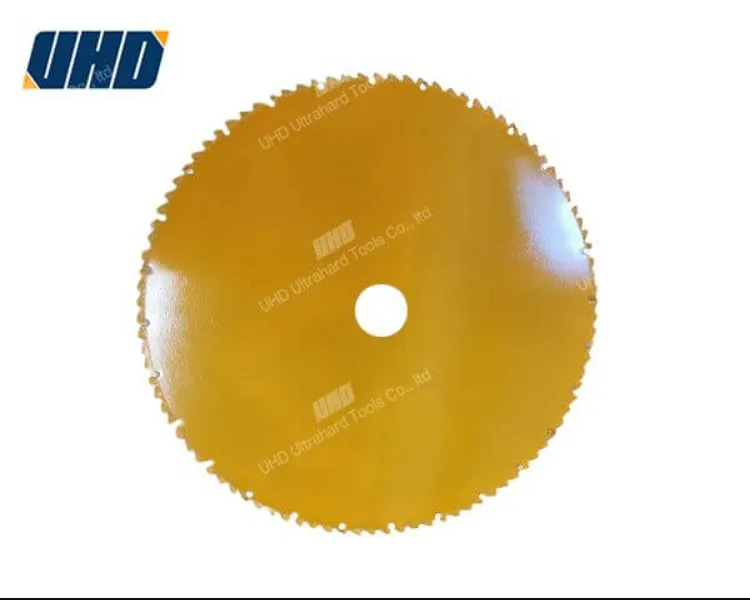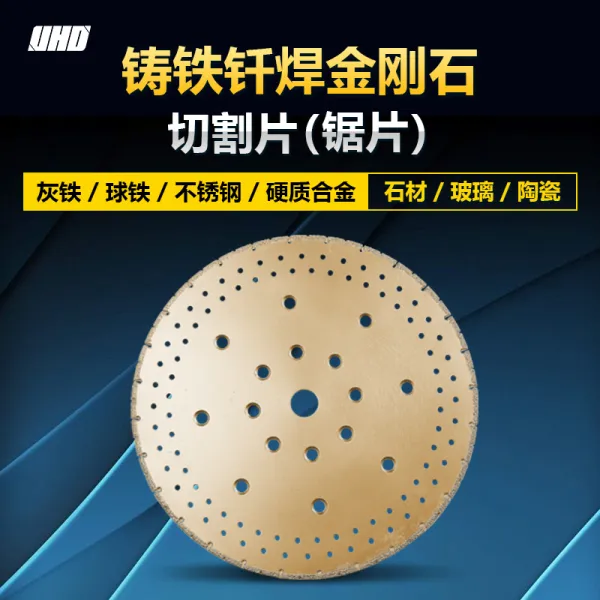
In the realm of cutting operations, noise and vibration are common issues that significantly impact the construction experience. High - decibel noise not only causes discomfort to operators but may also lead to long - term hearing damage. Excessive vibration can reduce the precision of cutting, accelerate tool wear, and even pose risks to the stability of the entire cutting system. For example, in a typical stone processing factory, the noise generated by traditional saw blades can reach up to 90 decibels, which is far beyond the comfortable range for workers. The strong vibration also makes it difficult to achieve smooth and accurate cuts.
The density, angle, and spacing of the segments on a saw blade play a crucial role in controlling the vibration frequency. A well - designed segment arrangement can effectively reduce the vibration amplitude. For instance, by increasing the segment spacing appropriately, the contact time between the saw blade and the workpiece can be reduced, thus decreasing the mechanical disturbance. An optimized segment angle can also ensure a more uniform force distribution during the cutting process. Research shows that a saw blade with a specific segment angle can reduce the vibration frequency by up to 20% compared to a standard design.
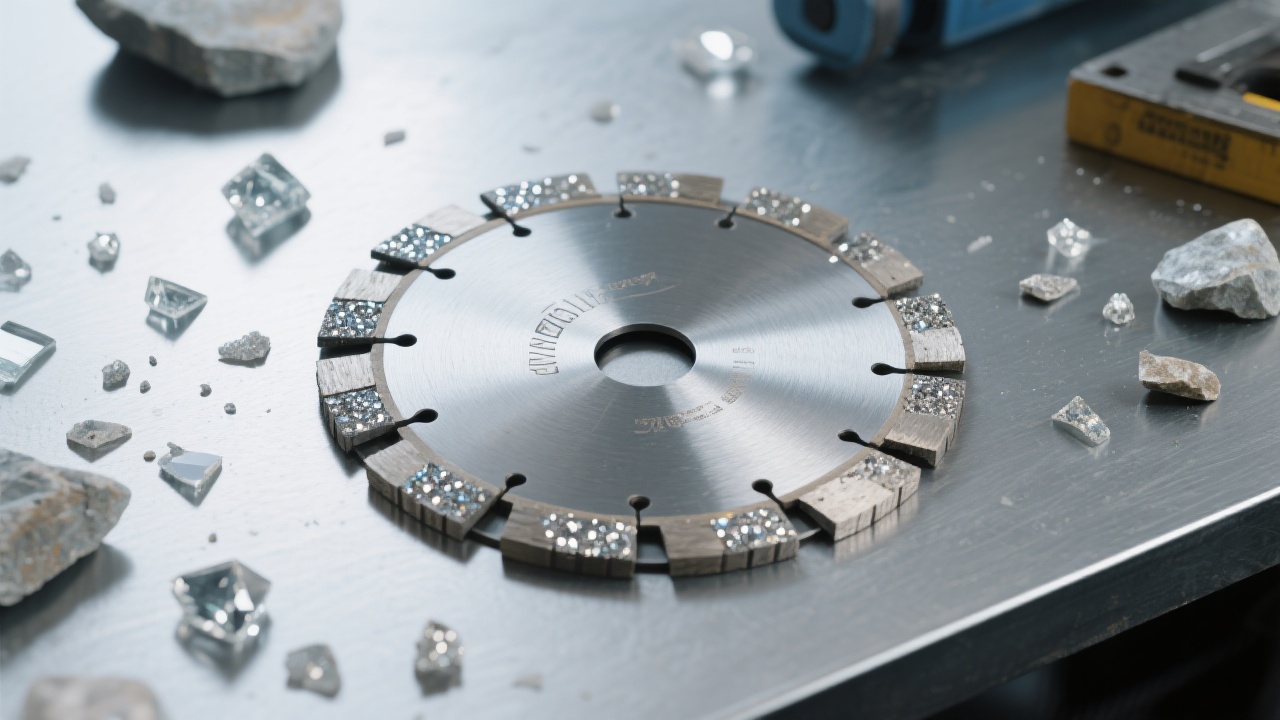
The matrix material of a saw blade needs to strike a balance between rigidity and vibration absorption. A rigid matrix can maintain the shape of the saw blade during high - speed rotation, ensuring cutting accuracy. However, it may transmit more vibration. On the other hand, a matrix with good vibration - absorption properties can dampen the vibration but may sacrifice some rigidity. The 400H brazed diamond saw blade uses a special matrix material that combines appropriate rigidity and excellent vibration - absorption performance. This balance allows the saw blade to maintain stability while reducing vibration.
The brazing process is another key factor in reducing vibration. A well - executed brazing process can reduce thermal stress concentration and enhance the bonding strength between the segments and the matrix. When the brazing is done correctly, the segments are firmly attached to the matrix, which reduces the risk of segment detachment and uneven force distribution during cutting. For example, in a high - temperature brazing process, the use of a specific filler metal can ensure a strong bond, reducing vibration caused by segment movement.
In real - world engineering scenarios, the performance of the saw blade varies under different working conditions. In a stone processing plant, the 400H saw blade shows excellent performance. When cutting granite, with a proper rotation speed of 3000 RPM and a feed rate of 10 mm/min, the noise level is reduced to about 70 decibels, and the vibration is significantly decreased compared to traditional saw blades. In a construction site, when cutting reinforced concrete, the saw blade also maintains good cutting stability and low noise levels.
Operators can also take some practical steps to further reduce vibration and noise. One of the一线施工人员 said, "I always check the saw blade for abnormal vibration signals. If I notice any strange vibrations, I adjust the fixture immediately." By identifying abnormal vibration signals early, operators can take timely measures such as adjusting the fixture or replacing the saw blade. These small tips can significantly improve the cutting experience.
The combination of technical details and operational practice brings long - term benefits. The optimized design of the 400H brazed diamond saw blade, including the segment arrangement, matrix material selection, and brazing process, provides a solid technical foundation. When operators apply the practical tips and set the appropriate parameters in real - world operations, they can achieve efficient and quiet cutting. This not only improves the working environment but also extends the service life of the saw blade and enhances the overall cutting efficiency.
Are you ready to experience the difference that advanced saw blade technology can make in your cutting operations? Click here to learn more about our innovative saw blade solutions!