When it comes to concrete cutting in high-stakes environments—like skyscraper demolition, bridge repair, or industrial flooring—you can’t afford guesswork. The right blade isn’t just about performance—it’s about precision, durability, and safety across varied job conditions.
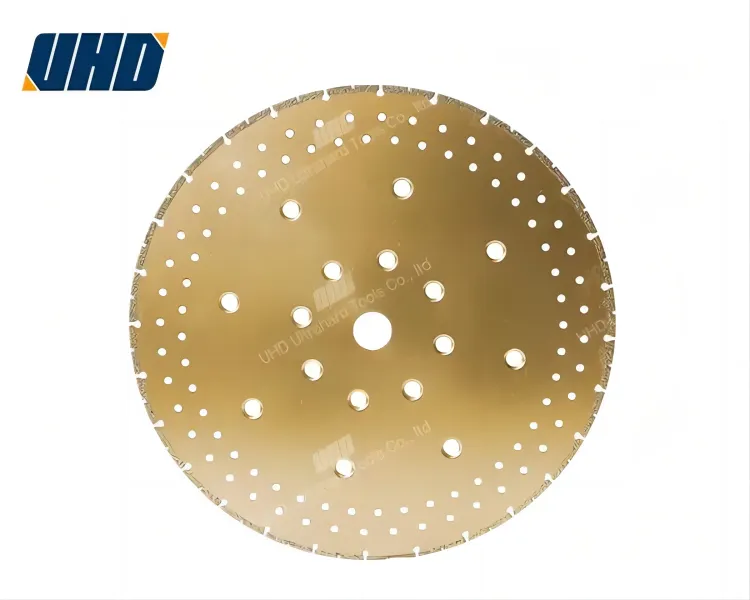
Most contractors know that softer concrete cuts faster—but what they often overlook is how blade wear accelerates with harder aggregates. Our field tests show that a standard welded blade loses up to 40% of its cutting edge after 2 hours on Class C concrete (compressive strength > 60 MPa). In contrast, our 400H钎焊金刚石锯片 maintains consistent performance for over 4.5 hours under the same conditions—thanks to optimized diamond grain distribution and metallurgical bonding.
| Cutting Scenario | Avg. Blade Life (Hours) | Efficiency Gain vs. Traditional |
|---|---|---|
| Dry Cutting – Floor Grinding | 3.2 hrs | +27% |
| Wet Cutting – Bridge Demolition | 5.1 hrs | +35% |
| High-Pressure Core Drilling | 4.8 hrs | +31% |
While wet cutting reduces dust and heat buildup, dry cutting offers portability and speed—especially in remote sites. But here’s the catch: without proper cooling design, dry-cut blades can overheat in less than 20 minutes. That’s why our 400H features a patented thermal management structure that extends usable life by up to 40% during dry operations. It’s not magic—it’s engineering.
In a recent highway bridge rehabilitation project in Texas, a team using traditional blades reported 3 downtime incidents per day due to overheating and chipping. After switching to 400H, those dropped to zero over a two-week period—with an average increase in daily output from 12 m² to 18 m² per operator.
Similarly, in Dubai’s new metro expansion, where space constraints made wet cutting impractical, the 400H enabled safe, efficient wall slicing without compromising accuracy—a win for both productivity and compliance.
Don’t wait until the blade starts vibrating or producing excessive noise. Check these signs monthly:
For best results, schedule maintenance every 20 operating hours—or sooner if working in abrasive materials like rebar-reinforced concrete.
Q: Can I use this blade for both wet and dry cutting?
A: Yes—our 400H is engineered for dual-mode operation. Just ensure water flow rate stays above 2 liters/min when wet cutting to avoid premature wear.
Q: How do I know when to replace the blade?
A: Replace when you notice visible dulling of the diamonds or a noticeable increase in vibration—typically after 3–5 hours of continuous use in tough applications.
Q: Is there any special handling required for storage?
A: Store in a dry, temperature-controlled environment. Avoid stacking multiple blades directly on top of each other—they’re sensitive to impact stress.
Let every cut count—not just in time saved, but in confidence gained. Whether you're managing a demolition crew or sourcing tools for your next infrastructure contract, choosing wisely today means fewer delays tomorrow.
Ready to upgrade your tool kit? Explore how 400H delivers real-world reliability for professionals who demand more than just sharp edges.
Durability Isn’t Optional—It’s Essential