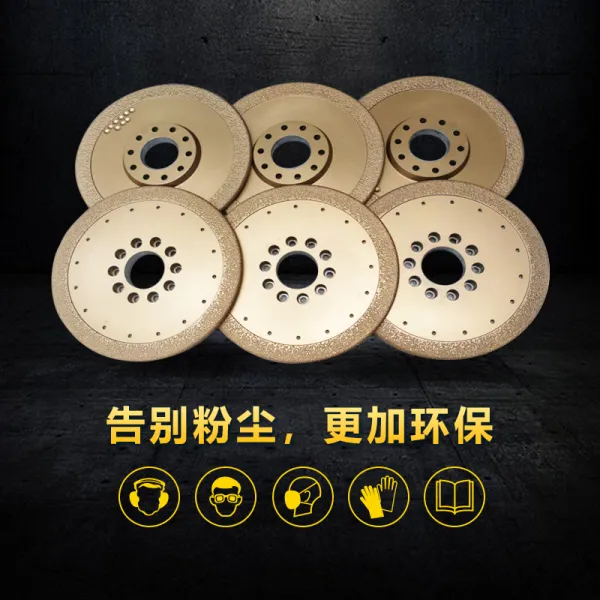
Ultra-hard material cutting tools, particularly diamond-based tools, face unprecedented challenges in extreme industrial environments — from high temperatures and elevated hardness to aggressive corrosion. Understanding and validating their performance under such harsh conditions is crucial for enhancing manufacturing efficiency and product quality.
Industrial machining increasingly encounters extreme work conditions that strain conventional cutting tools. Elevated processing temperatures can exceed 600°C, leading to thermal degradation of cutting edges. Simultaneously, machining ultra-hard materials with hardness above 70 HRC imposes severe abrasive wear and mechanical stresses. Corrosive atmospheres, such as those involving acidic coolants or metalworking fluids, further accelerate tool failure. These factors collectively cause unpredictable tool wear, breakage, and compromised machining precision.
Conventional carbide and ceramic tools often exhibit rapid wear and premature failure in these conditions due to:
These issues result in frequent tool changes, elevated costs, and inconsistent product quality — highlighting the urgent market demand for ultra-hard, thermally stable cutting solutions.
UHD diamond tools leverage advanced material science to significantly improve thermal stability, impact resistance, and corrosion tolerance. Their intrinsic hardness exceeds 9000 HV, while innovative bonding methods enhance toughness. UHD tools exhibit minimal wear rates (<0.02 mm³ per 1000 cutting cycles) in high-temperature tests up to 700°C, outperforming traditional tools by over 50% in measured lifespan.
This technology breakthrough enables extended machining cycles in aggressive industrial settings without sacrificing precision.
Robust performance validation protocols are essential for accurate UHD tool qualification. The key test dimensions include:
Together, these metrics provide a comprehensive understanding of tool behavior under simulated industrial conditions.
To prevent costly trial-and-error in tool selection, a systematic framework approaches adaptation from three core dimensions:
Applying quantitative thresholds within these domains guides users toward optimal UHD tool grades and geometries, ensuring process stability and repeatable quality.
Anonymous case studies underscore UHD tools’ competitive edge. For example, a precision aerospace component manufacturer reduced tool change frequency by 60%, boosting throughput by 25% while achieving <0.8 µm surface roughness consistently. Additionally, corrosion resistance testing in acidic coolant environments showed negligible performance degradation after 1000 operational hours.
These validated outcomes build trust and demonstrate readiness for demanding industrial deployment.
We invite industry professionals and technical practitioners to share their experiences and questions. Fostering dialogue accelerates innovation and hones practical knowledge concerning UHD tool adoption.

 207
|
207
|
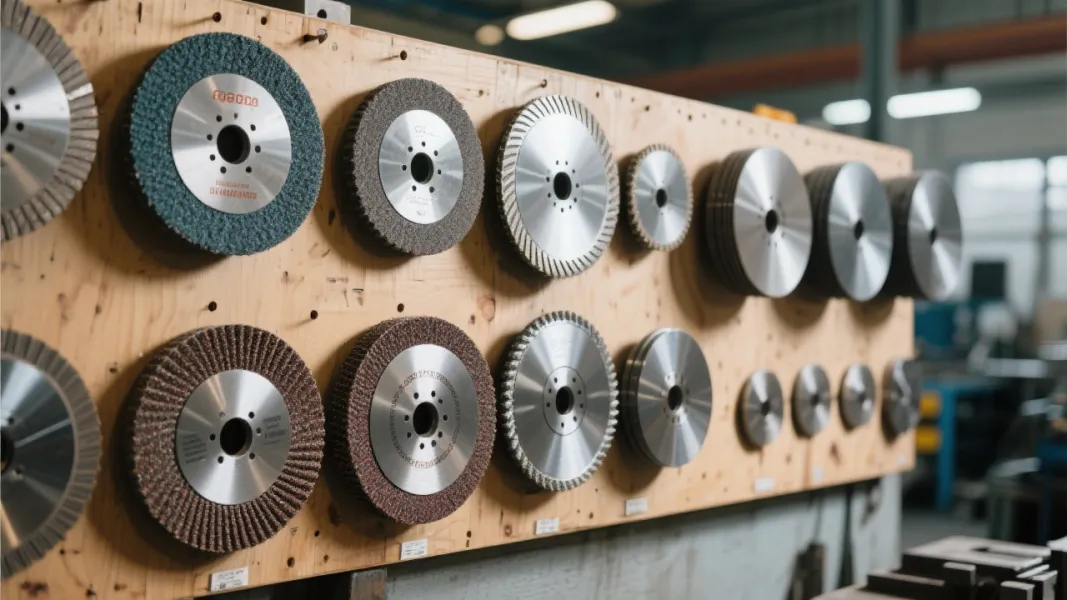
 Brazed diamond saw blades
Gray iron cutting
Ductile iron saw blades
Industrial saw blade comparison
High - efficiency cutting tools
Brazed diamond saw blades
Gray iron cutting
Ductile iron saw blades
Industrial saw blade comparison
High - efficiency cutting tools
 199
|
diamond cutting tools
vacuum brazing technology
metal and stone cutting tools
high-performance cutting tools
UHD superhard alloy
199
|
diamond cutting tools
vacuum brazing technology
metal and stone cutting tools
high-performance cutting tools
UHD superhard alloy
 359
|
brazed diamond blade 400mm
concrete cutting tools
diamond blade performance comparison
wet vs dry cutting
construction blade selection
359
|
brazed diamond blade 400mm
concrete cutting tools
diamond blade performance comparison
wet vs dry cutting
construction blade selection
 249
|
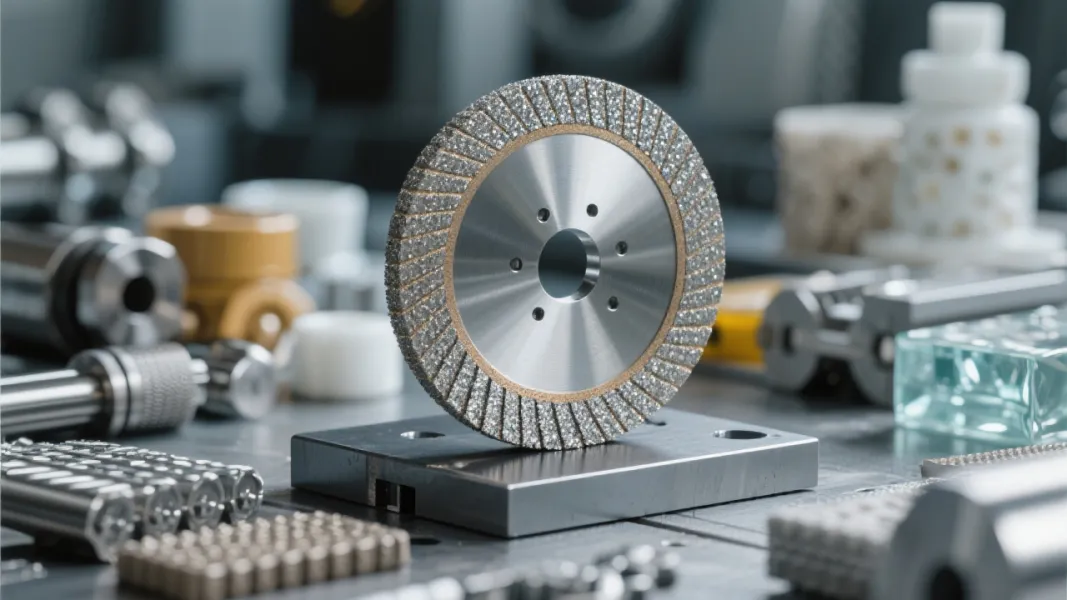
400mm diamond saw blade
brazed diamond saw blade
stone cutting tools
wet - and - dry saw blade
high - efficiency cutting solutions
367
|
diamond saw blade lifespan
brazing process optimization
vibration control in saw blades
construction cutting efficiency
stone cutting equipment improvements
249
|
400mm diamond saw blade
brazed diamond saw blade
stone cutting tools
wet - and - dry saw blade
high - efficiency cutting solutions
367
|
diamond saw blade lifespan
brazing process optimization
vibration control in saw blades
construction cutting efficiency
stone cutting equipment improvements