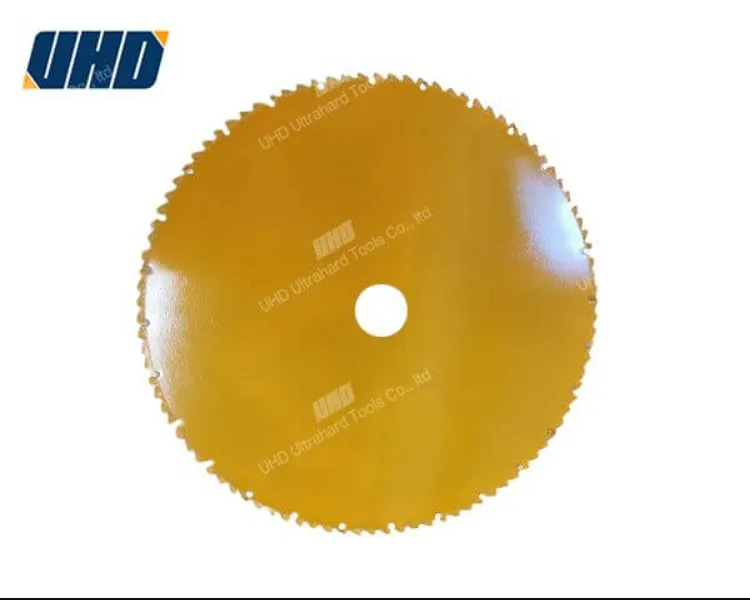
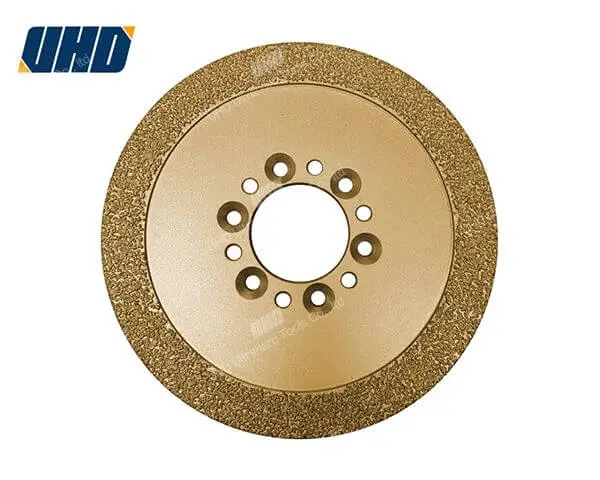
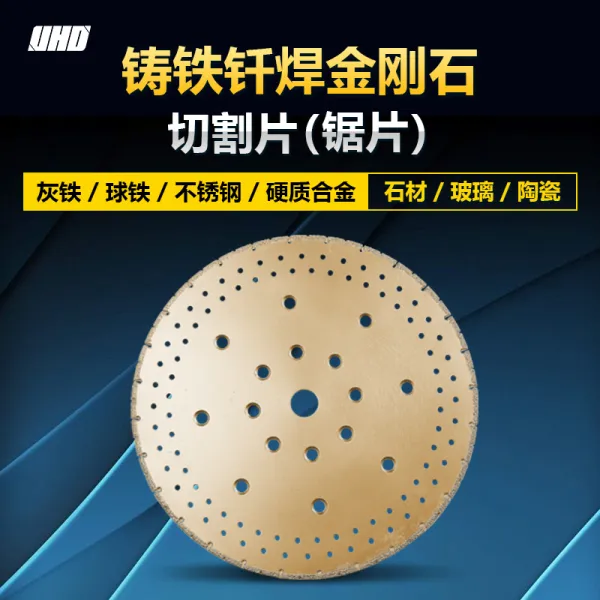
In the demanding world of construction and stone processing, the efficiency and comfort of cutting operations depend heavily on the design of the saw blade — especially the arrangement of its diamond-tipped teeth. Why do some saw blades generate excessive noise and intense vibrations during operation? The answer lies in the intricate relationship between tooth arrangement, substrate material, and brazing techniques.
The density, angle, and spacing of the carbide or diamond-tipped teeth on the blade surface play a pivotal role in controlling mechanical perturbations. A well-optimized tooth pattern distributes cutting forces evenly, minimizing vibrations that can shorten equipment life and degrade cut quality.
| Tooth Parameter | Typical Range | Impact on Cutting Performance |
|---|---|---|
| Density (teeth per 100mm) | 25 - 40 | Higher density lowers vibration frequency |
| Tooth Angle (degrees) | 15° - 25° | Optimized angle improves chip removal and reduces heat build-up |
| Spacing (mm) | 2.5 - 4 | Balanced spacing avoids tooth interference & minimizes vibrations |
Adjusting these parameters according to the stone hardness and cutting speed can markedly improve stability, reducing disturbing noise peaks often observed in poorly configured blades.
The blade’s base material affects its ability to absorb and attenuate vibrations. Steel substrates with high rigidity provide precise cuts but may transmit more vibrations, while materials with enhanced damping properties can reduce noise but sometimes sacrifice sharpness.
For example, incorporating alloyed steel with controlled grain structures can provide a rigidity-vibration absorption balance, extending tool life by up to 35% compared to standard carbon steel blades in field tests.
The brazing technique used to attach diamond segments to the base influences mechanical stability and heat dissipation. An optimized brazing process ensures:
Modern flux-assisted brazing methods have demonstrated a 20% reduction in thermal residual stresses, translating to smoother cuts in heavy-duty masonry applications.
Laboratory and field trials affirm that adjusting rotational speeds (typically between 2800–3500 RPM) in harmony with feed rates (15–25 mm/s) and tooth layout parameters can reduce mechanical vibration amplitudes by up to 40%.
Matching these variables depending on materials — granite, sandstone, concrete — enables end-users to optimize for quieter, more stable cutting sessions while enhancing machinery longevity.
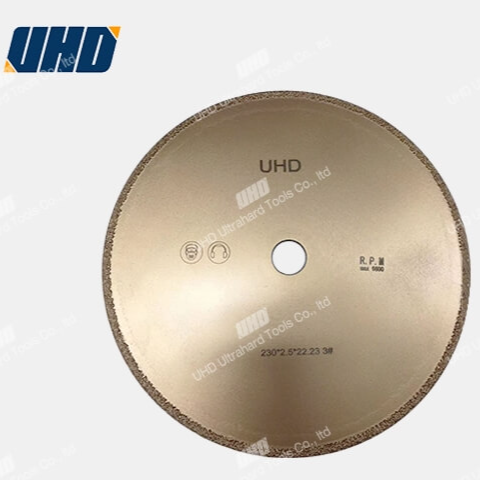
Engaging with these insights starts with consistent monitoring:
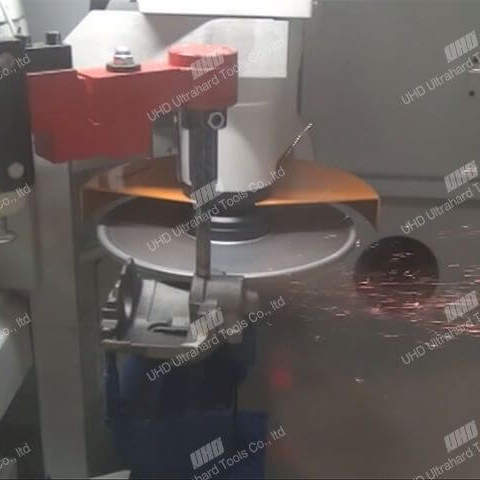
Applying these frontline techniques empowers work crews to preemptively address issues without costly downtime.
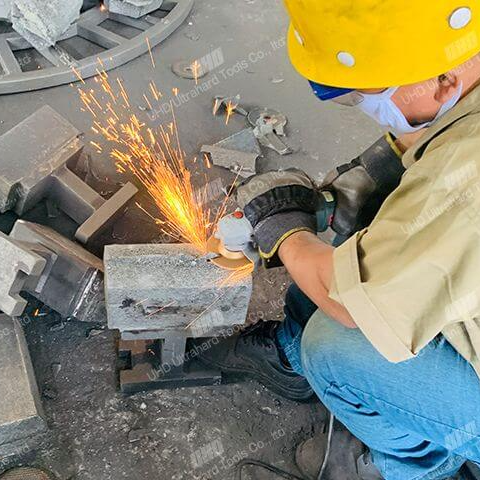
Unlock the full potential of your cutting equipment with precision blade design and field-tested operational tips. Explore Advanced Saw Blade Optimization Strategies Now