Stainless steel cutting presents unique challenges in the industrial manufacturing sector. Its high hardness and toughness make it difficult to cut efficiently, often leading to rapid wear of cutting tools. In recent years, the industry has witnessed a growing demand for more efficient and cost - effective cutting solutions. The need to improve cutting efficiency, extend tool life, and reduce maintenance costs has become a top priority for manufacturers.
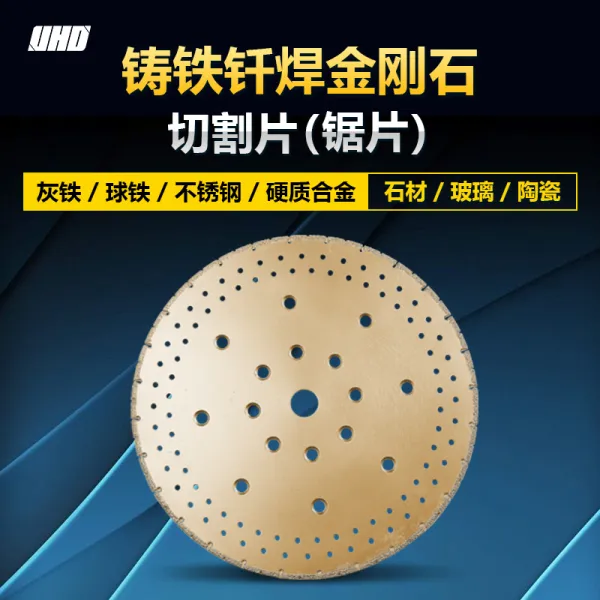
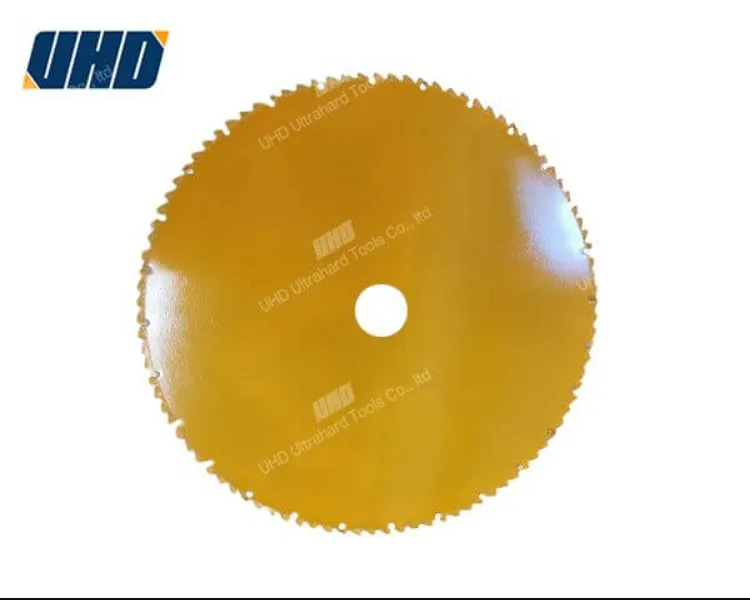
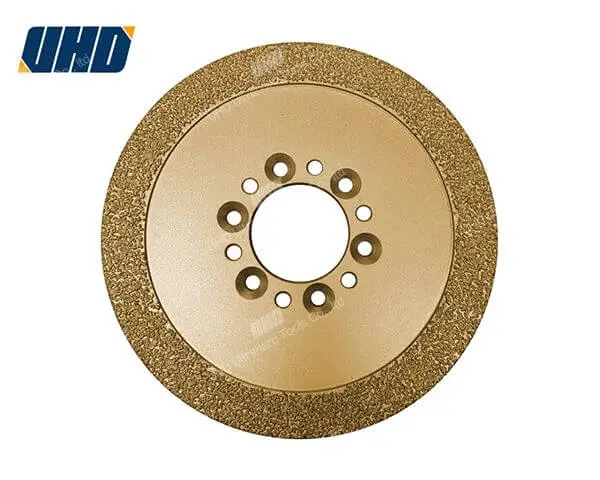
The ZS400H brazed diamond saw blade stands out with its advanced diamond particle technology. The diamond particles have a well - controlled particle size distribution. Typically, the particle size ranges from 30 to 60 mesh, which provides an optimal balance between cutting speed and surface finish. The type of binder used in the saw blade is a key factor in its performance. The special binder used in ZS400H has excellent thermal stability, allowing the saw blade to maintain its cutting performance even at high temperatures generated during the cutting process. Tests have shown that the saw blade can withstand temperatures up to 800°C without significant loss of cutting ability.
| Features | Brazed Saw Blades | Resin - Based Saw Blades |
|---|---|---|
| Structural Strength | High. The brazed connection between the diamond particles and the substrate provides a strong bond, reducing the risk of diamond loss during cutting. | Relatively low. The resin bond may break down under high - stress cutting conditions. |
| Wear Resistance | Excellent. The brazed structure allows for a higher concentration of diamond particles on the cutting edge, resulting in longer tool life. In some cases, the wear resistance is 3 - 5 times that of resin - based saw blades. | Limited. Resin - based saw blades tend to wear out more quickly, especially when cutting hard materials like stainless steel. |
| Safety | High. The strong bond reduces the chance of diamond particles flying off during cutting, minimizing safety hazards. | Lower. There is a higher risk of resin fragments and diamond particles being ejected during cutting. |
Optimizing cutting parameters is crucial for extending the life of the ZS400H saw blade and reducing operating costs. The matching of feed rate and rotational speed is a key aspect. For example, when cutting stainless steel with a thickness of 10 - 20 mm, a feed rate of 10 - 20 mm/min and a rotational speed of 2000 - 3000 rpm are recommended. By adjusting these parameters according to the specific thickness and hardness of the stainless steel, users can achieve a more efficient cutting process. This not only extends the saw blade life but also reduces the frequency of blade replacement, saving up to 30% in maintenance costs.
Regular maintenance of the saw blade edge is essential for maintaining its cutting performance. After each cutting operation, it is recommended to clean the saw blade to remove any debris. If the saw blade edge becomes dull, a simple dressing process can be carried out. For common problems such as uneven cutting or excessive vibration, users can first check the installation of the saw blade to ensure it is properly centered. If the problem persists, it may be due to diamond wear or damage, and professional technical support should be sought.
In a large - scale manufacturing plant, the use of ZS400H brazed diamond saw blades has significantly improved the cutting efficiency of stainless steel components. Before using ZS400H, the average cutting time for a batch of 100 stainless steel parts was 8 hours, with a saw blade replacement frequency of once every 20 parts. After switching to ZS400H, the cutting time was reduced to 5 hours, and the saw blade only needed to be replaced once every 80 parts. This shows a significant improvement in both efficiency and cost - effectiveness.
Discover the superior performance of ZS400H brazed diamond saw blades and transform your stainless steel cutting process. Click here to learn more and get professional technical support!