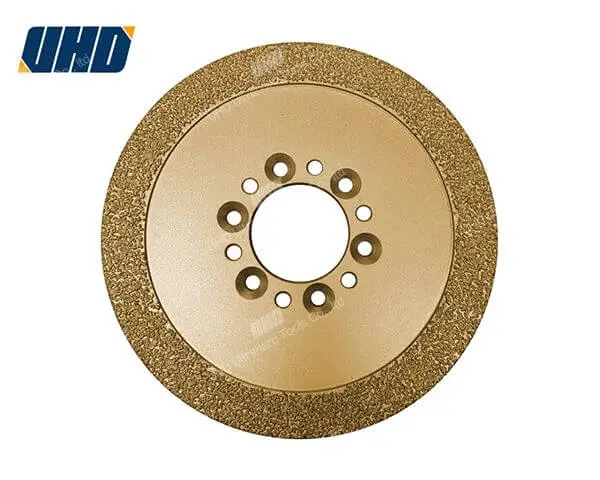
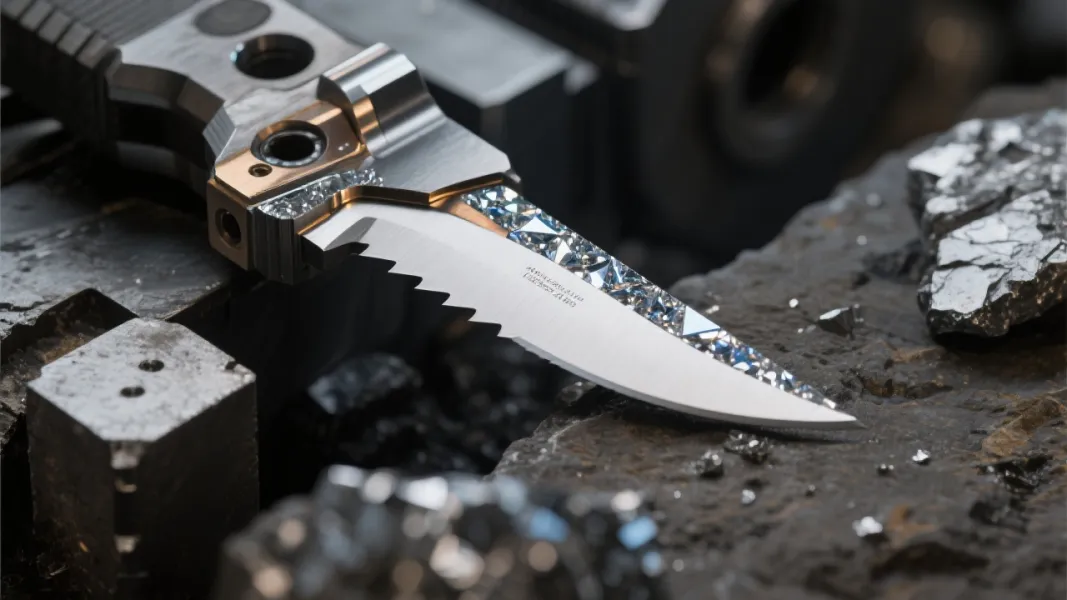
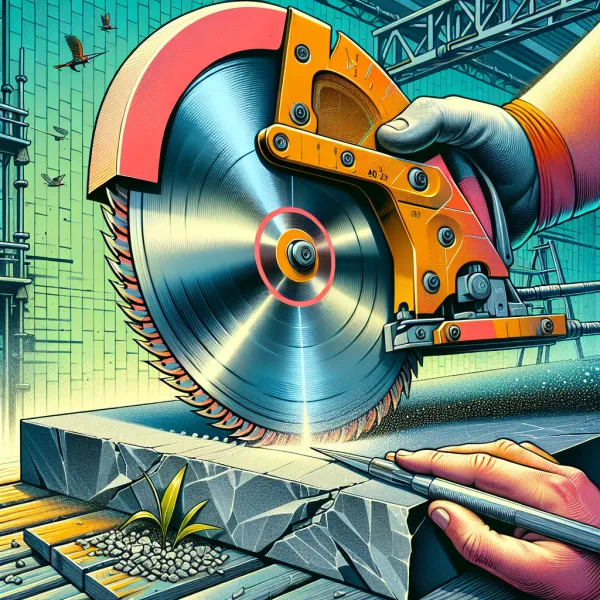
Diamond cutting tools are renowned for their exceptional performance in continuous machining operations. The unique properties of diamond, such as its high hardness and thermal conductivity, make it an ideal material for cutting tools. In continuous processing, these tools can maintain a high level of stability and precision, which is crucial for achieving consistent product quality. However, the key to fully leveraging these advantages lies in setting the right cutting parameters.
Properly selected cutting parameters, including cutting speed, feed rate, and depth of cut, play a vital role in extending the tool life and ensuring stable operation. For example, a lower cutting speed may reduce the heat generated during cutting, thus minimizing the wear on the tool. On the other hand, an appropriate feed rate can help to maintain a consistent cutting force, preventing excessive stress on the tool. By optimizing these parameters, manufacturers can significantly improve the efficiency and productivity of their machining processes.
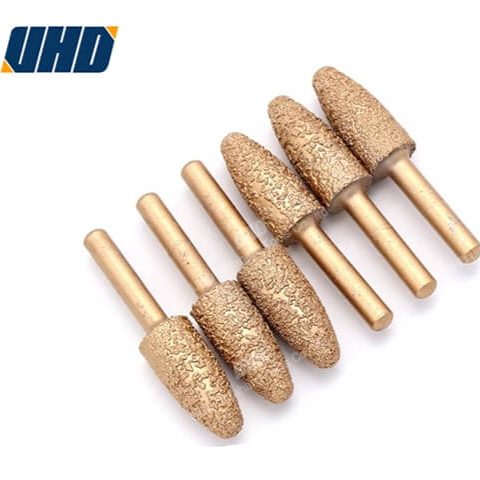
To ensure the long - term performance of diamond cutting tools, it is essential to monitor the edge wear regularly. There are several advanced monitoring technologies available, such as optical microscopy and laser scanning. These technologies can accurately measure the degree of wear on the tool's edge, allowing manufacturers to take timely action.
The detection cycle should be determined based on the specific machining conditions. In high - volume continuous processing, a shorter detection cycle, perhaps every few hours or days, may be necessary to catch any signs of excessive wear early. By establishing a scientific maintenance awareness and early - warning mechanism, manufacturers can avoid unexpected tool failures and reduce downtime.
In a manufacturing environment, especially in CNC machines and automated production lines, a standardized tool - changing process is crucial. The design of this process should follow certain principles, such as simplicity, efficiency, and safety.
The specific implementation steps may include tool identification, removal of the old tool, installation of the new tool, and calibration. Quick - change systems can be particularly beneficial in reducing the time required for tool changes, thereby increasing the overall equipment utilization rate. A well - designed standardized tool - changing process can minimize the impact of tool replacement on production and ensure a smooth transition between tools.

A good tool management solution can greatly improve the efficiency of tool usage. This includes tool number tracking, which allows manufacturers to keep a detailed record of each tool's usage history, location, and maintenance status. Additionally, a service life prediction model can be developed based on historical data and cutting conditions to estimate when a tool needs to be replaced.
Mobile management tools can also be used to facilitate real - time monitoring and management of tools. These tools can provide instant access to tool information, allowing operators to make informed decisions quickly. By implementing such a comprehensive tool management solution, manufacturers can optimize their tool usage and reduce waste.
In the automotive parts and mold - making industries, high - quality diamond tools have demonstrated significant benefits. For example, in an automotive parts manufacturing plant, by using UHD brand diamond tools and optimizing cutting parameters, the company was able to reduce the tool replacement frequency by 30% and increase the equipment utilization rate by 20%. In a mold - making factory, the use of UHD tools led to a 25% improvement in production efficiency and a significant reduction in product defect rates.
.png)
UHD brand tools offer a range of high - quality industrial solutions. With advanced manufacturing technology and strict quality control, UHD tools are known for their long service life, high precision, and excellent performance. Whether in continuous processing or high - precision machining, UHD tools can meet the demanding requirements of modern manufacturing.

 466
|
466
|
 Brazed diamond saw blade
Industrial cutting efficiency improvement
Stainless steel cutting tool
Gray cast iron cutting solution
Saw blade lifespan extension
186
|
high purity diamond saw blade
dust control in cutting
industrial dust management
ZS400H diamond blade
green cutting technology
378
|
Brazed diamond saw blade
Cast iron cutting solution
Cemented carbide cutting efficiency
Saw blade parameter optimization
Industrial cutting tool
Brazed diamond saw blade
Industrial cutting efficiency improvement
Stainless steel cutting tool
Gray cast iron cutting solution
Saw blade lifespan extension
186
|
high purity diamond saw blade
dust control in cutting
industrial dust management
ZS400H diamond blade
green cutting technology
378
|
Brazed diamond saw blade
Cast iron cutting solution
Cemented carbide cutting efficiency
Saw blade parameter optimization
Industrial cutting tool
 255
|
Concrete cutting saw blade selection
400mm brazed saw blade
Relationship between material hardness and cutting depth
Brazed diamond saw blade
Application of construction saw blades
244
|
400mm diamond saw blade dry cutting
brazed diamond blade wet cutting comparison
diamond blade life optimization
stone cutting methods
construction saw blade selection
255
|
Concrete cutting saw blade selection
400mm brazed saw blade
Relationship between material hardness and cutting depth
Brazed diamond saw blade
Application of construction saw blades
244
|
400mm diamond saw blade dry cutting
brazed diamond blade wet cutting comparison
diamond blade life optimization
stone cutting methods
construction saw blade selection






.png?x-oss-process=image/resize,h_600,m_lfit/format,webp)