Master Cutting Parameter Optimization to Extend the Life of Diamond Blades for Stainless Steel
2025/11/19
Tutorial Guide
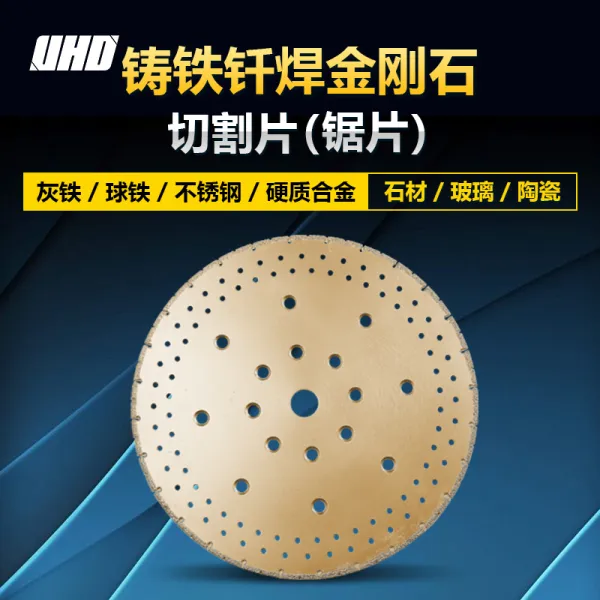
This guide explores the challenges of stainless steel cutting and highlights the technical advantages of ZS400H brazed diamond blades in industrial applications. It explains how advanced diamond grain size distribution, bond types, and thermal stability enhance blade sharpness and durability. A clear comparison between brazed and traditional resin-bonded diamond blades reveals structural and performance differences. Practical cutting parameter optimization strategies are provided to improve efficiency, reduce wear, and lower operational costs—backed by real-world case studies and data. Maintenance tips and troubleshooting guidance further ensure long-term performance. Designed for professionals seeking reliable, high-efficiency solutions, this article delivers actionable insights tailored to global manufacturing needs.
Optimizing Cutting Parameters for Stainless Steel with ZS400H Brazed Diamond Blades
Stainless steel is a high-value material in manufacturing—but it’s also one of the most challenging to cut efficiently. Traditional resin-bonded diamond blades often fail under thermal stress, leading to premature wear, inconsistent cuts, and increased downtime. For industrial users seeking both precision and cost-efficiency, understanding how to optimize cutting parameters—and choosing the right blade—is critical.
Why Standard Blades Fail on Stainless Steel
When cutting stainless steel, especially grades like 304 or 316, heat builds up rapidly due to the material's low thermal conductivity. A typical resin-bonded blade can experience temperature spikes above 450°C, causing bond degradation and rapid diamond loss. In real-world applications, this leads to:
- Up to 30% shorter blade life compared to brazed alternatives
- Increased rework rates (avg. 12% extra labor per shift)
- Higher tooling costs—up to $1,200/month per machine in some cases
The ZS400H Advantage: Precision Engineering Meets Real-World Performance
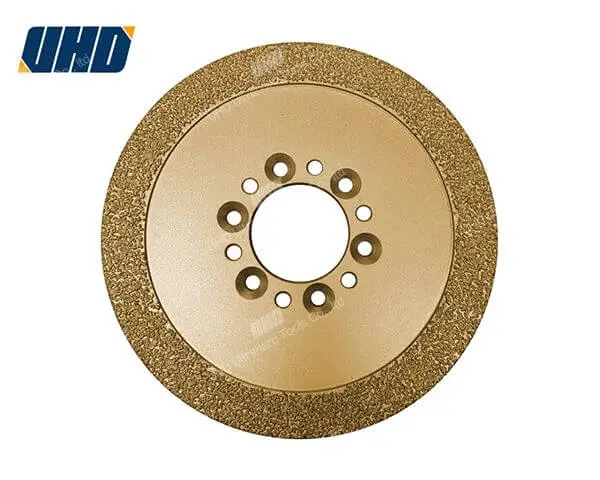
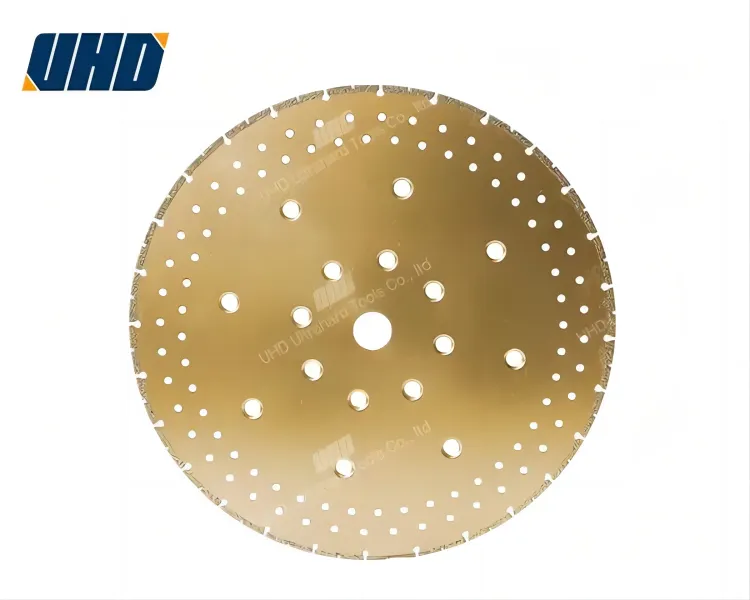
The ZS400H brazed diamond blade stands out because of three key technical features:
| Feature |
Impact on Performance |
| Advanced Grain Size Distribution (80–120 mesh) |
Enhances edge sharpness while resisting fracture during heavy feed rates |
| Tungsten Carbide Bond Matrix |
Maintains structural integrity at temperatures up to 600°C |
| Brazing vs Resin Bond |
Up to 4x longer lifespan under identical conditions (based on ISO 3385 testing) |
These innovations translate directly into operational benefits: fewer blade changes, reduced waste, and consistent surface finish—especially important for aerospace, medical device, and food processing industries where tolerances matter.
Practical Tips for Optimizing Cut Efficiency
Here are proven techniques used by top-tier fabricators worldwide:
- Feed Rate Adjustment: Use 0.1–0.2 mm/rev for thin sections; increase to 0.3 mm/rev for thicker stock. Exceeding 0.4 mm/rev increases heat buildup significantly.
- Spindle Speed: Maintain 3,500–4,500 RPM for optimal cooling and chip removal. Higher speeds (>5,000 RPM) may cause overheating without adequate coolant flow.
- Coolant Usage: Water-based emulsion reduces friction by ~60%, extending blade life by up to 35% according to field trials in German automotive plants.
One client in Dubai reported a 27% reduction in production downtime after switching from resin to brazed blades and implementing these guidelines—a clear win for ROI-driven operations.
Need Help Choosing the Right Blade for Your Application?
We offer free technical consultation tailored to your specific materials, machines, and throughput goals. Whether you're cutting 304 stainless or duplex alloys, we’ll help you avoid costly mistakes and maximize efficiency.
Get Expert Blade Selection Guidance Now





.png?x-oss-process=image/resize,h_600,m_lfit/format,webp)