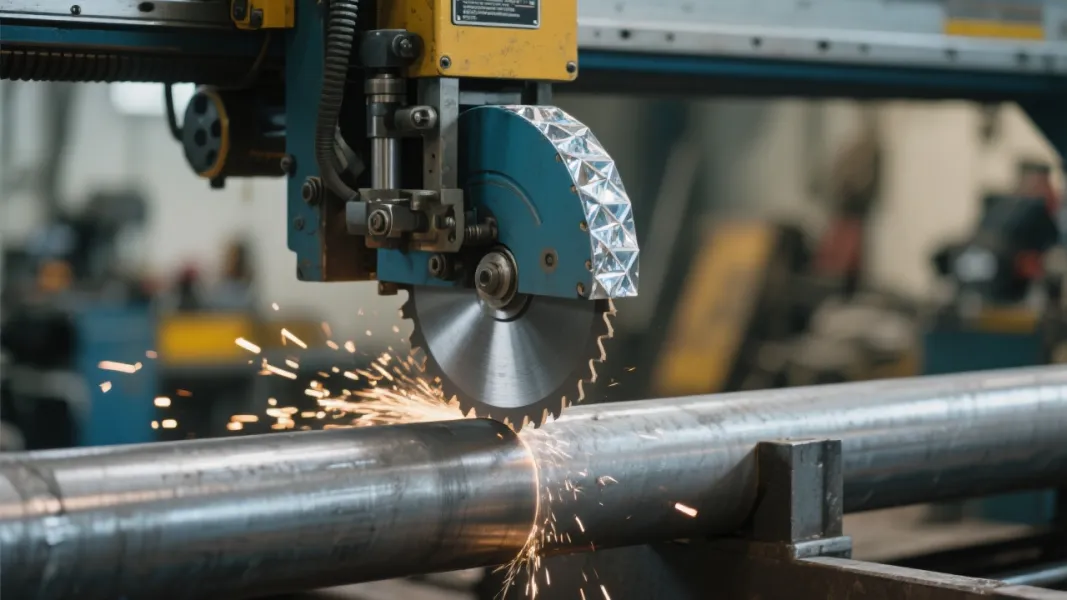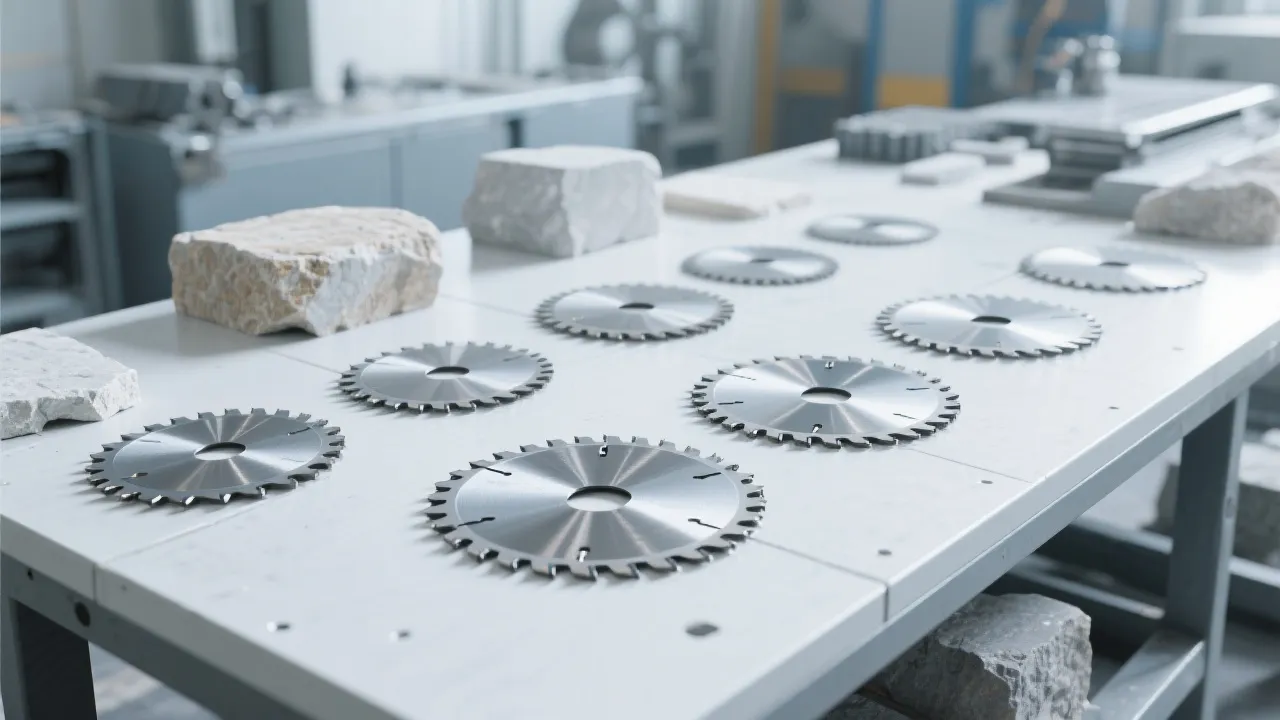
In metal processing, persistent issues such as excessive burr formation, rough surface finishes, and rapid tool wear create significant hurdles that impact productivity and accuracy. If you’ve encountered unstable cutting, thermal distortion, or frequent blade dulling, understanding the root causes is essential to optimizing your operation.
Most metal cutting problems stem from a few interlinked factors:
These issues often culminate in irregular burrs, reduced cutting precision, and increased dust – all detrimental to downstream processes.
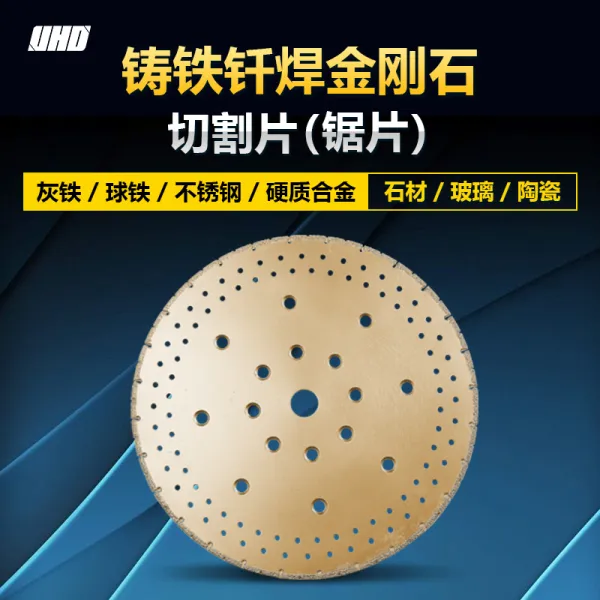
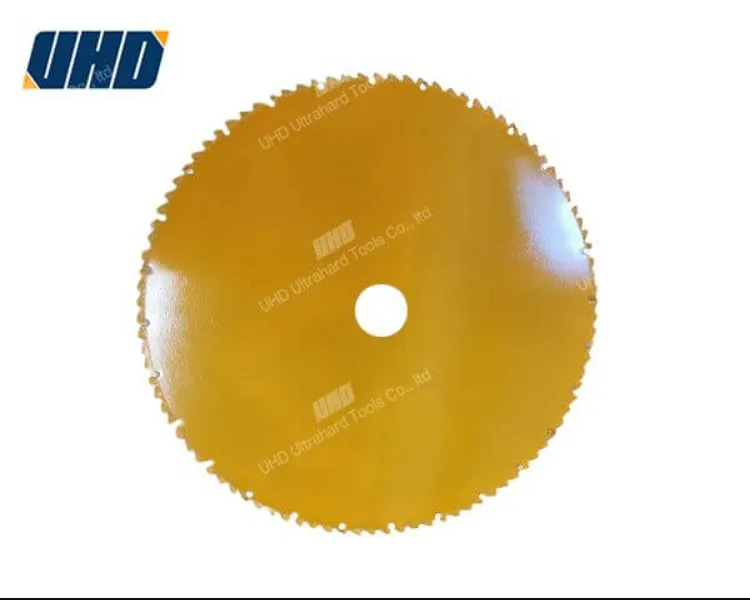
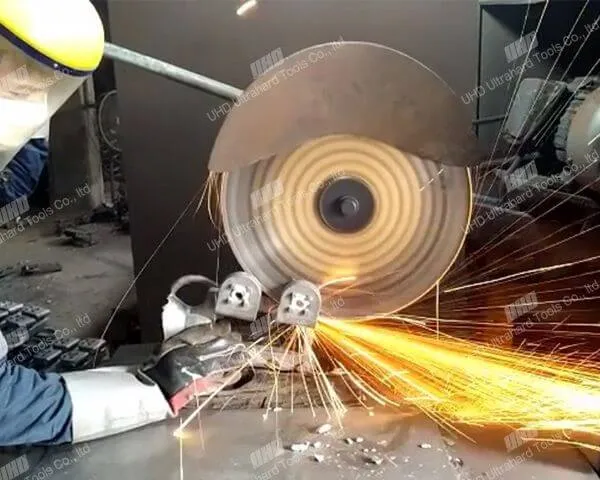
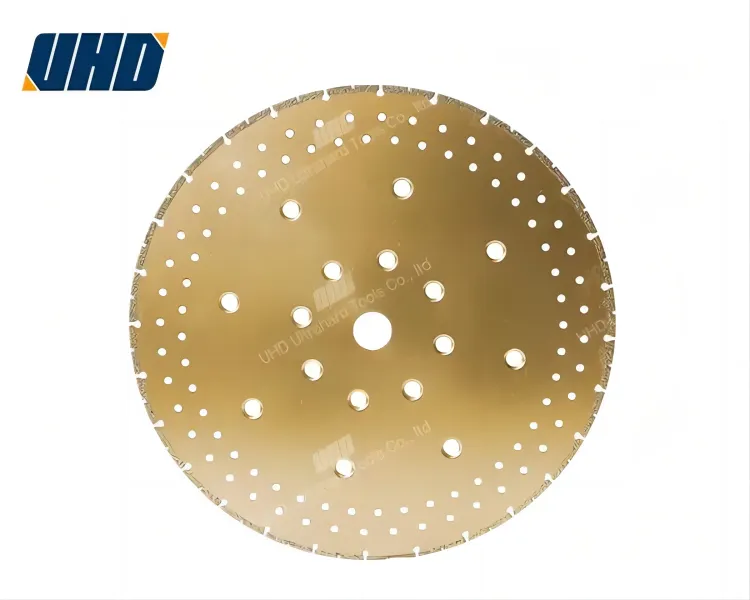
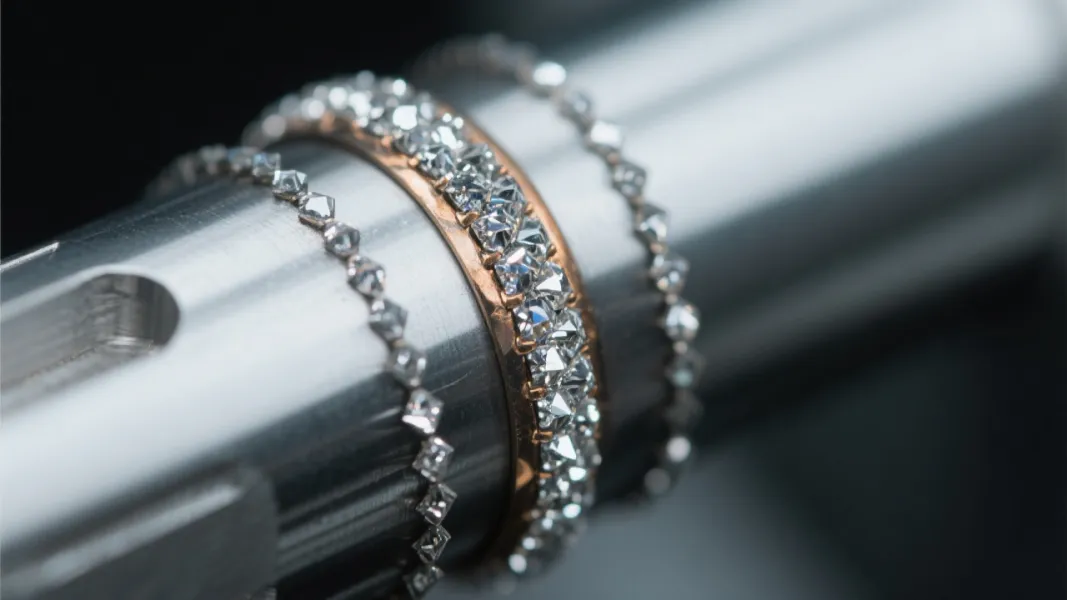
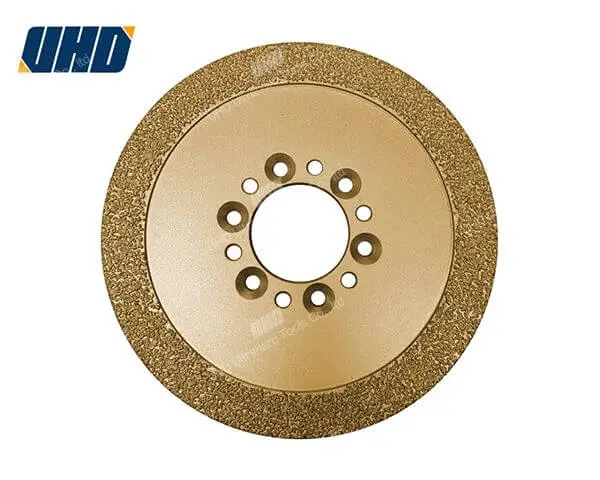
The UHD high-performance welded diamond cutting disc 400 combines ultra-sharp synthetic diamond abrasives with a manganese steel matrix engineered for durability and cutting stability. This synergistic design delivers:
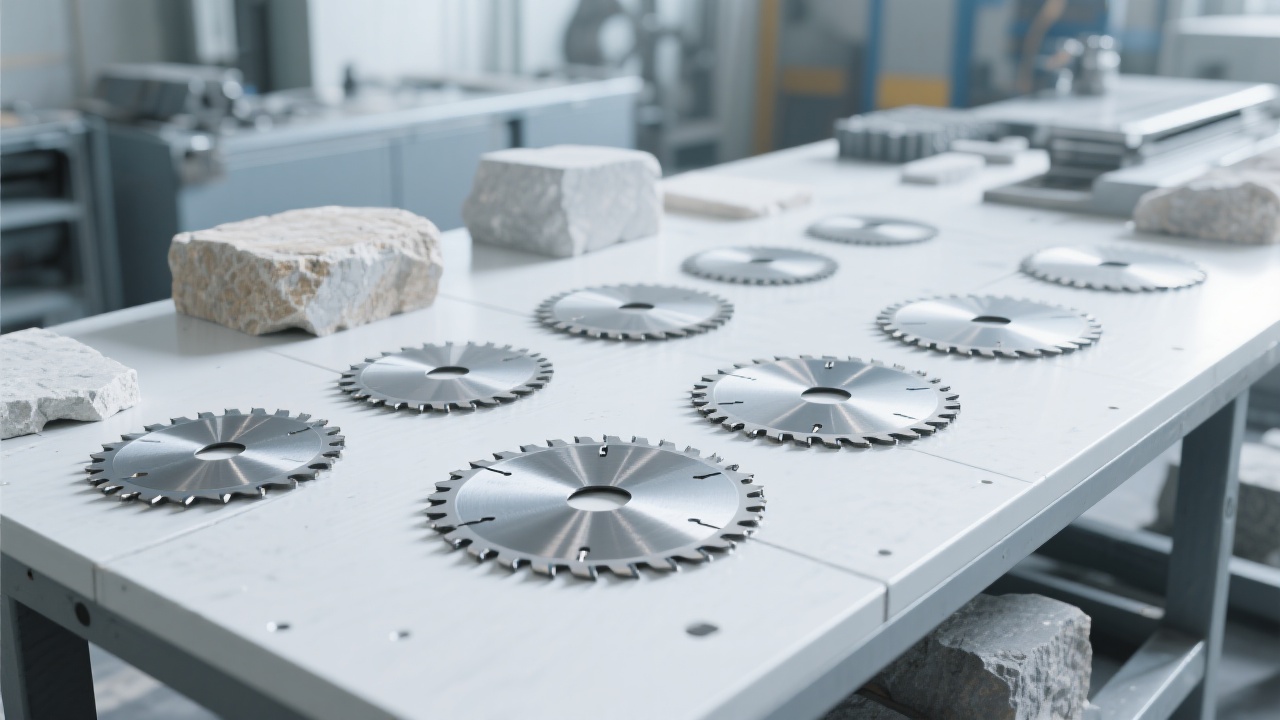
Mastering the interplay between cutting speed, feed rate, and material specific factors will unlock UHD disc full potential. Consider these adjustment guidelines tailored to your metal type:
| Material | Recommended Speed (m/s) | Feed Rate (mm/min) | Additional Tips |
|---|---|---|---|
| Mild Steel | 35 - 40 | 1200 - 1500 | Use coolant spray to stabilize temperatures. |
| Stainless Steel | 30 - 35 | 1000 - 1300 | Maintain steady feed to avoid chatter marks. |
| Aluminum Alloys | 40 - 45 | 1500 - 1800 | Check for chip buildup on blade, clean regularly. |
Adjusting these parameters based on real-time observation of cut quality will help you consistently achieve optimal results.
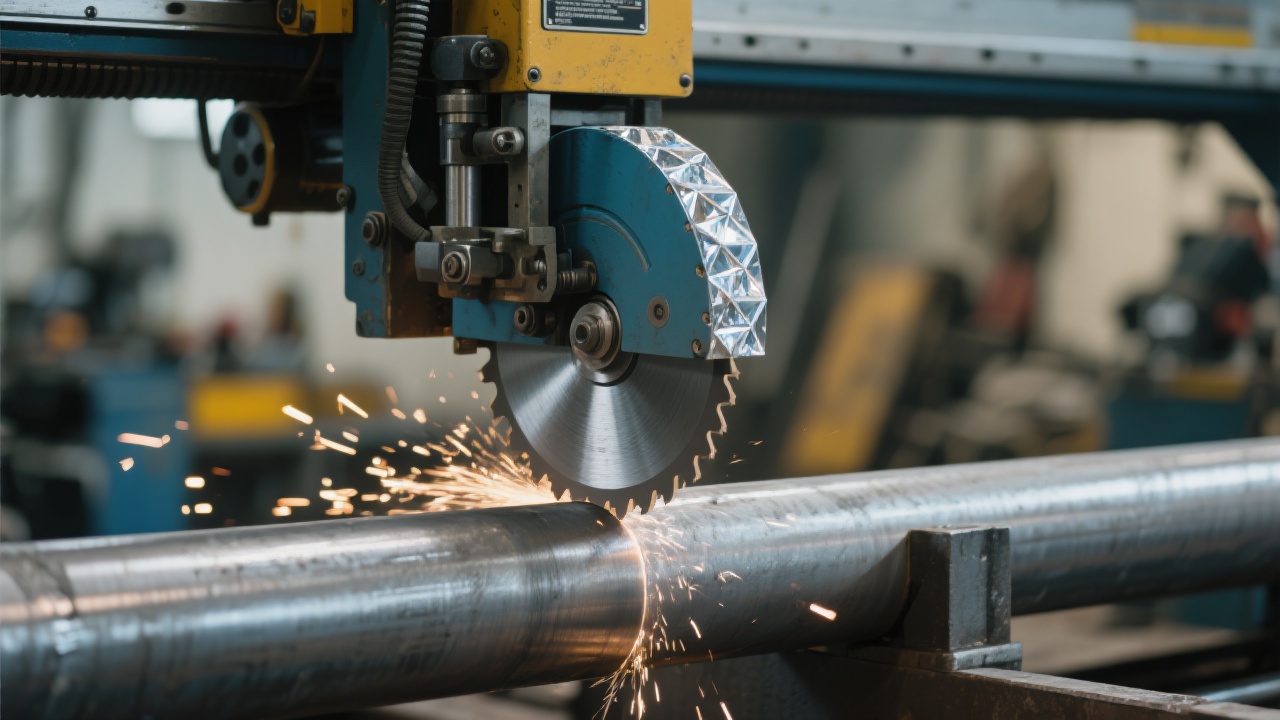
Field testing within a metal fabrication facility revealed that switching to UHD welded diamond discs led to:
These improvements not only enhanced product quality but also optimized operational costs and environmental conditions.
Have you encountered challenging burr or surface finish issues during metal cutting? Share your insights or questions below — your feedback shapes ongoing improvements and deeper discussions on practical solutions.
 335
|
335
|
 High - performance diamond cutting blades
Metal cutting blade selection
Welded diamond cutting blade 400
Metal processing cutting tools
Industrial cutting blade quality standards
High - performance diamond cutting blades
Metal cutting blade selection
Welded diamond cutting blade 400
Metal processing cutting tools
Industrial cutting blade quality standards
 43
|
ZS400H brazed diamond blade
industrial cutting blade
cutting complex workpieces
high-performance blade
eco-friendly blade
43
|
ZS400H brazed diamond blade
industrial cutting blade
cutting complex workpieces
high-performance blade
eco-friendly blade
 298
|
low dust saw blade
dry vs wet cutting
diamond saw blade application
environmental cutting technology
green manufacturing solution
336
|
Environmental-friendly cutting saw blade
Low-dust cutting technology
Diamond saw blade application
Manufacturing green transformation
Cutting dust control
298
|
low dust saw blade
dry vs wet cutting
diamond saw blade application
environmental cutting technology
green manufacturing solution
336
|
Environmental-friendly cutting saw blade
Low-dust cutting technology
Diamond saw blade application
Manufacturing green transformation
Cutting dust control
 89
|
400mm concrete saw blade
brazed diamond blade
concrete cutting tools
dry cut vs wet cut
construction equipment selection
89
|
400mm concrete saw blade
brazed diamond blade
concrete cutting tools
dry cut vs wet cut
construction equipment selection







.png?x-oss-process=image/resize,h_600,m_lfit/format,webp)