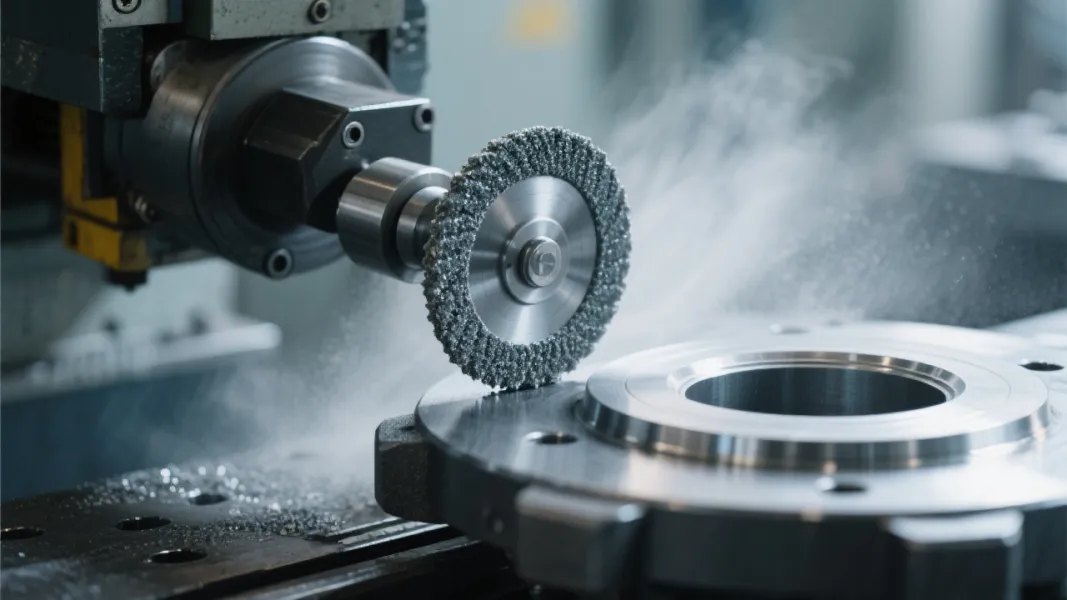
In the era of the green transformation of the manufacturing industry, dust pollution in workshops and occupational health risks have become the focus of attention for enterprises. According to relevant research, dust pollution in manufacturing workshops can lead to a series of health problems, such as respiratory diseases, and non - compliance with environmental regulations can also result in significant fines and reputational damage.
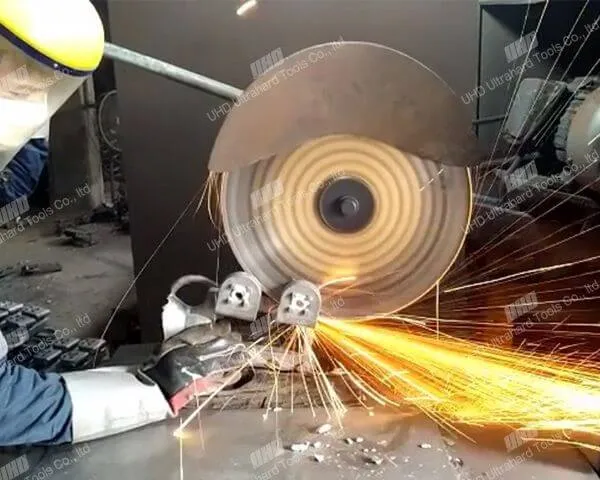
Dust generated during the cutting process in manufacturing workshops is a common yet serious issue. Excessive dust not only poses a threat to the health of workers but also affects the normal operation of equipment and the quality of products. In addition, with the increasing strictness of environmental regulations, enterprises are facing greater pressure to control dust pollution.
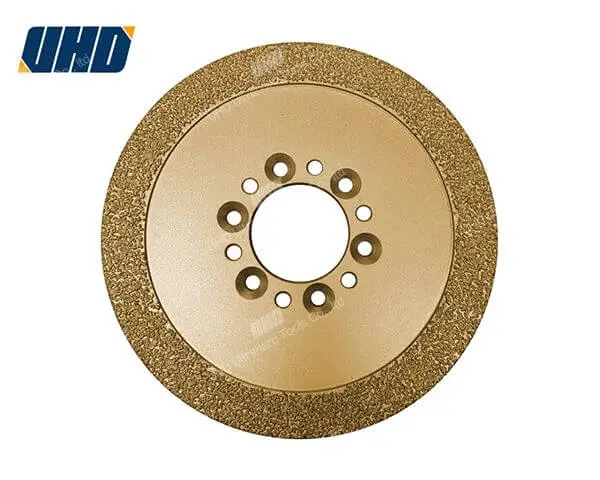
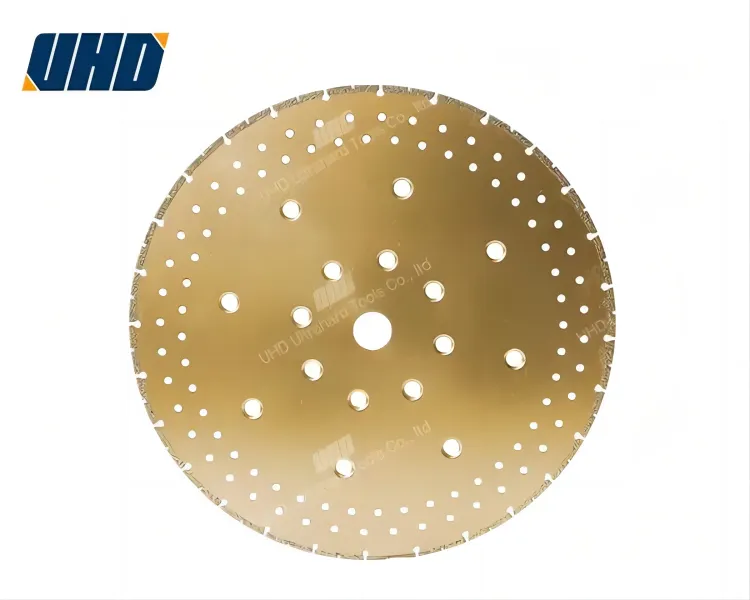
The ZS400H brazed diamond saw blade is a revolutionary product in the field of low - dust cutting. Its core technical principles are as follows:
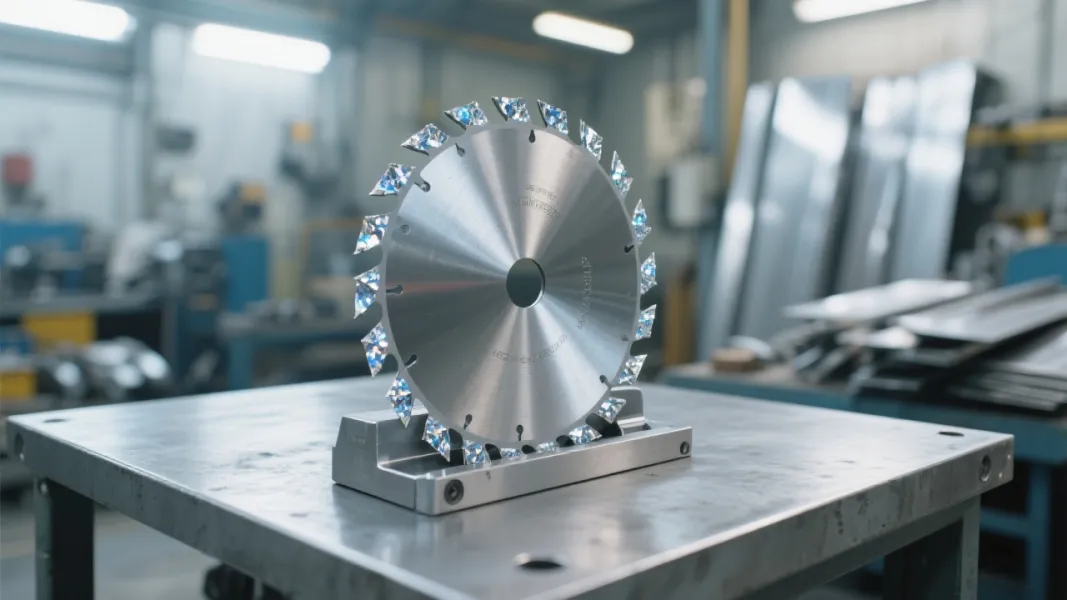
The precision - designed chip - removal grooves of the ZS400H saw blade can effectively guide the chips out of the cutting area, reducing the accumulation of debris and minimizing the generation of dust. The unique shape of the grooves ensures smooth chip flow, which is crucial for low - dust cutting.
The high - purity diamond particles are arranged in a high - density pattern on the saw blade. This not only enhances the cutting efficiency but also reduces the friction between the saw blade and the workpiece, thereby reducing the generation of heat and dust. The high - quality diamonds can maintain their sharpness for a long time, ensuring stable cutting performance.
The ultra - thick substrate of the ZS400H saw blade provides excellent stability during the cutting process. It can withstand high - intensity cutting forces without deformation, which is essential for maintaining the accuracy of the cutting and reducing the generation of dust caused by uneven cutting.
There are significant differences in dust generation between dry cutting and wet cutting conditions. In dry cutting, the dust generation is relatively high, but it is more suitable for some situations where water is not allowed or difficult to use. In wet cutting, the dust can be effectively suppressed by water, but it also has some limitations, such as the need for a water - supply system and potential corrosion problems. The following table shows a comparison of dust generation in different cutting conditions:
| Cutting Condition | Dust Generation | Suitable Scenarios |
|---|---|---|
| Dry Cutting | Relatively high | Situations without water supply or where water is not allowed |
| Wet Cutting | Relatively low | General cutting scenarios where water can be used |
Many manufacturing enterprises are facing typical pain points, such as excessive dust in the workshop exceeding the standard and employees suffering from respiratory discomfort. For example, a metal processing enterprise once had a serious dust problem in its workshop, which led to a high incidence of respiratory diseases among employees and frequent equipment failures. After using the ZS400H saw blade, the dust pollution in the workshop was significantly reduced, and the health of employees was effectively protected.
Here are some practical tips for using the ZS400H saw blade:
In conclusion, the ZS400H brazed diamond saw blade provides an effective solution for manufacturing enterprises to reduce dust pollution and improve the working environment. If you are looking for a cutting solution with low dust generation, why not give the ZS400H saw blade a try? Click here to learn more about the ZS400H saw blade and its technical details.
 351
|
351
|
 ZS400H soldered diamond saw blade
high-performance cutting saw blade
industrial manufacturing
eco-friendly cutting saw blade
durable cutting saw blade
ZS400H soldered diamond saw blade
high-performance cutting saw blade
industrial manufacturing
eco-friendly cutting saw blade
durable cutting saw blade
 376
|
Concrete cutting saw blade selection
400mm saw blade application scenarios
Advantages of brazed diamond saw blades
Stone cutting tool recommendations
Construction equipment selection
376
|
Concrete cutting saw blade selection
400mm saw blade application scenarios
Advantages of brazed diamond saw blades
Stone cutting tool recommendations
Construction equipment selection
 345
|
Welded diamond cutting disc
Cutting precision improvement
Production efficiency optimization
Diamond blade application
Environment - friendly cutting solutions
119
|
stainless steel cutting optimization
diamond saw blade selection
brazed diamond blades
cutting parameter adjustment
industrial cutting technology
465
|
400mm diamond saw blade
brazed diamond blade application
concrete cutting techniques
high-rise demolition cutting
bridge repair cutting tools
345
|
Welded diamond cutting disc
Cutting precision improvement
Production efficiency optimization
Diamond blade application
Environment - friendly cutting solutions
119
|
stainless steel cutting optimization
diamond saw blade selection
brazed diamond blades
cutting parameter adjustment
industrial cutting technology
465
|
400mm diamond saw blade
brazed diamond blade application
concrete cutting techniques
high-rise demolition cutting
bridge repair cutting tools







.png?x-oss-process=image/resize,h_600,m_lfit/format,webp)