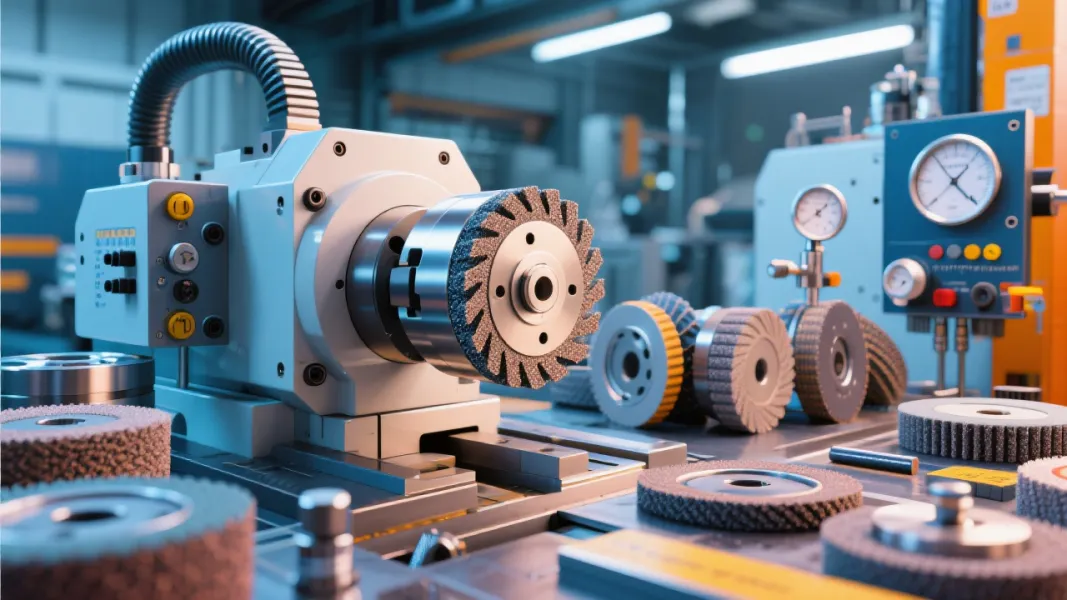
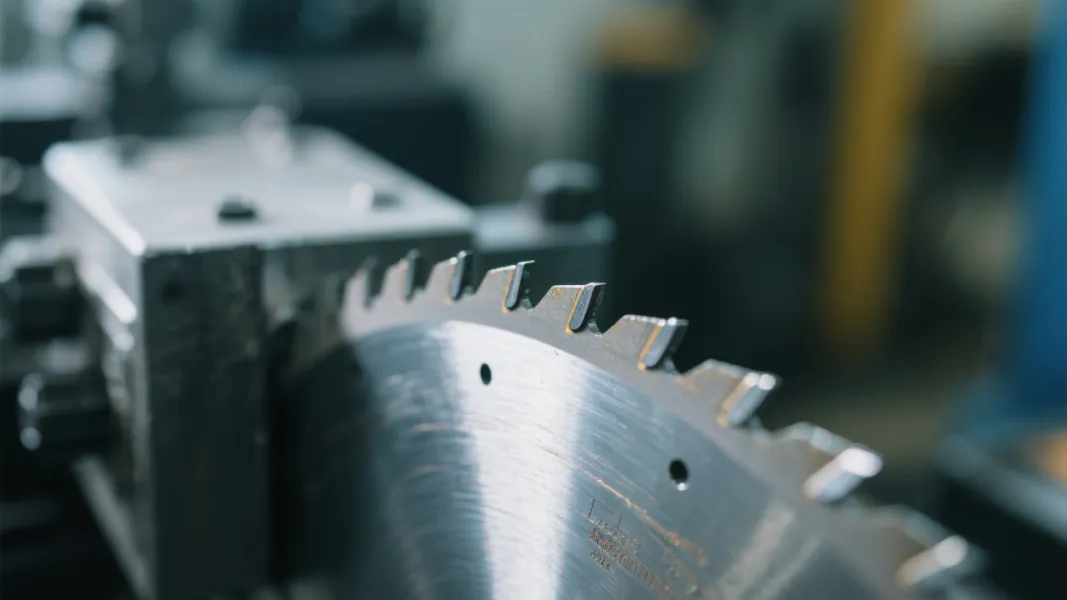
Industrial workshops worldwide grapple with dust control during metal and composite cutting operations. Excessive dust not only threatens workers’ health but also compromises equipment and inflates operational costs. Advanced saw blades, such as the ZS400H brazed diamond-tipped saw blade, present a breakthrough in significantly reducing cutting dust. This article delves deep into the engineering factors—ranging from tooth geometry to diamond purity—that empower these blades to outperform traditional resin blades in creating cleaner and safer work environments.
The lower dust emission of premium diamond-tipped saw blades originates from three critical design aspects:
“Cutting dust contributes to 60-80% of airborne particulate matter in metal workshops,” according to a 2022 study by the International Industrial Safety Association. Advanced tools that tackle dust at the source are indispensable for modern manufacturing.”
Dry cutting processes notoriously generate higher dust volumes due to the lack of coolant to suppress fine particles. However, premium diamond blades like ZS400H leverage their optimized tooth design to mitigate dust even in dry conditions, achieving up to a 40% reduction compared to resin blades.
Wet cutting, on the other hand, uses water or oil-based coolants to trap dust and cool the blade, enhancing blade life and cutting quality. For workshops prioritizing environmental and operational safety, a hybrid approach is recommended: employing diamond blades with wet cutting setups where feasible, and utilizing blade maintenance protocols to preserve dust reduction performance in dry cuts.
A leading stainless steel manufacturer in Germany integrated ZS400H diamond saw blades across its cutting lines. The results were telling:
This compelling synergy between improved worker safety and cost efficiency illustrates the tangible benefits of modern blade technology.
To fully harness the dust-reducing benefits of advanced saw blades, regular maintenance is non-negotiable:
The precise angles and profiles of each tooth influence not only cutting efficiency but also particulate generation. The ZS400H’s teeth feature a refined rake angle and elliptical chip-breaker zones that fragment waste into coarser particles, facilitating easier evacuation and reducing fine dust liberation.
Discover More Efficient & Eco-Friendly Cutting Solutions
 197
|
197
|
 UHD Superhard Materials Tools
diamond cutting tools
industrial cutting tools
downtime reduction case
high-precision metal processing
473
|
UHD super-hard material cutting tools
high-precision metal processing cutting tools
customizable diamond cutting tools
UHD Superhard Materials Tools
diamond cutting tools
industrial cutting tools
downtime reduction case
high-precision metal processing
473
|
UHD super-hard material cutting tools
high-precision metal processing cutting tools
customizable diamond cutting tools
 119
|
stainless steel cutting optimization
diamond saw blade selection
brazed diamond blades
cutting parameter adjustment
industrial cutting technology
119
|
stainless steel cutting optimization
diamond saw blade selection
brazed diamond blades
cutting parameter adjustment
industrial cutting technology
 479
|
400mm brazed diamond saw blade
selection of concrete cutting saw blades
saw blades for high - rise building demolition
cutting tools for bridge maintenance
advantages of brazed process saw blades
479
|
400mm brazed diamond saw blade
selection of concrete cutting saw blades
saw blades for high - rise building demolition
cutting tools for bridge maintenance
advantages of brazed process saw blades
 200
|
superhard diamond cutting tools
high-precision metal processing tools
customized industrial cutting tools
200
|
superhard diamond cutting tools
high-precision metal processing tools
customized industrial cutting tools







.png?x-oss-process=image/resize,h_600,m_lfit/format,webp)