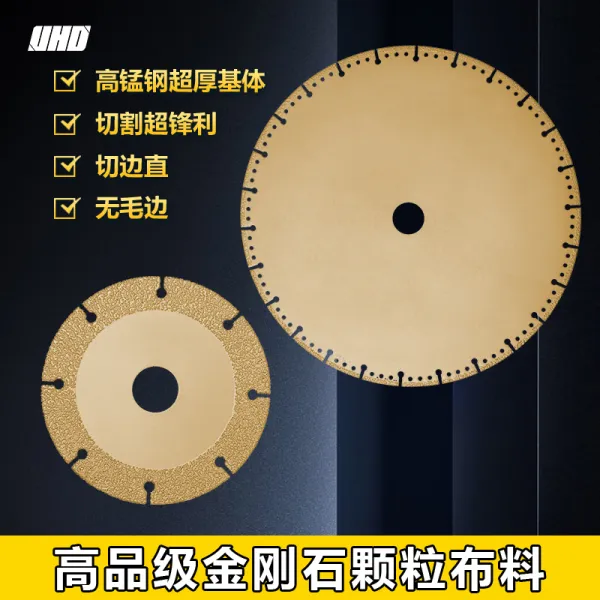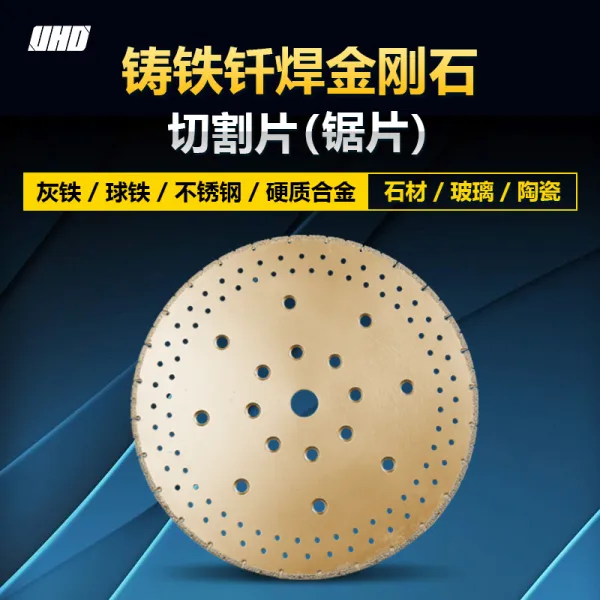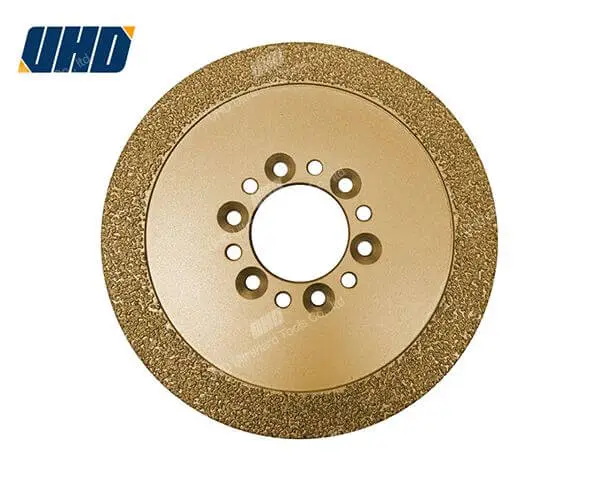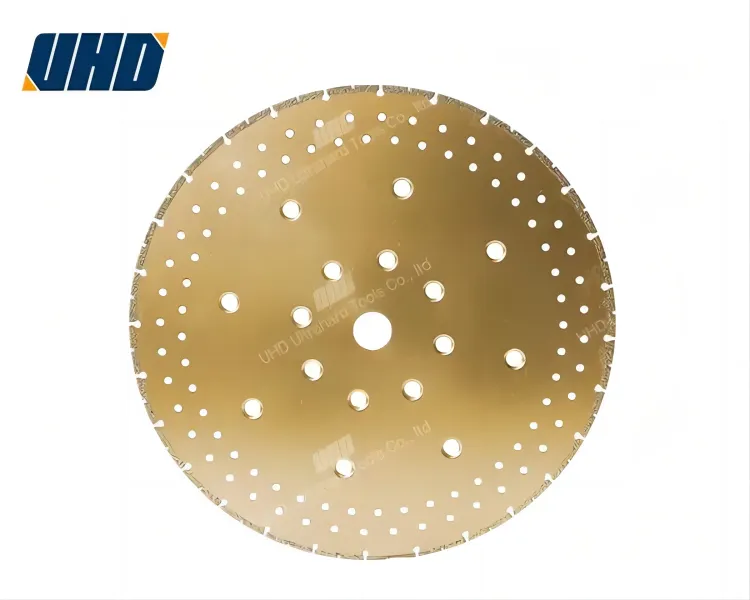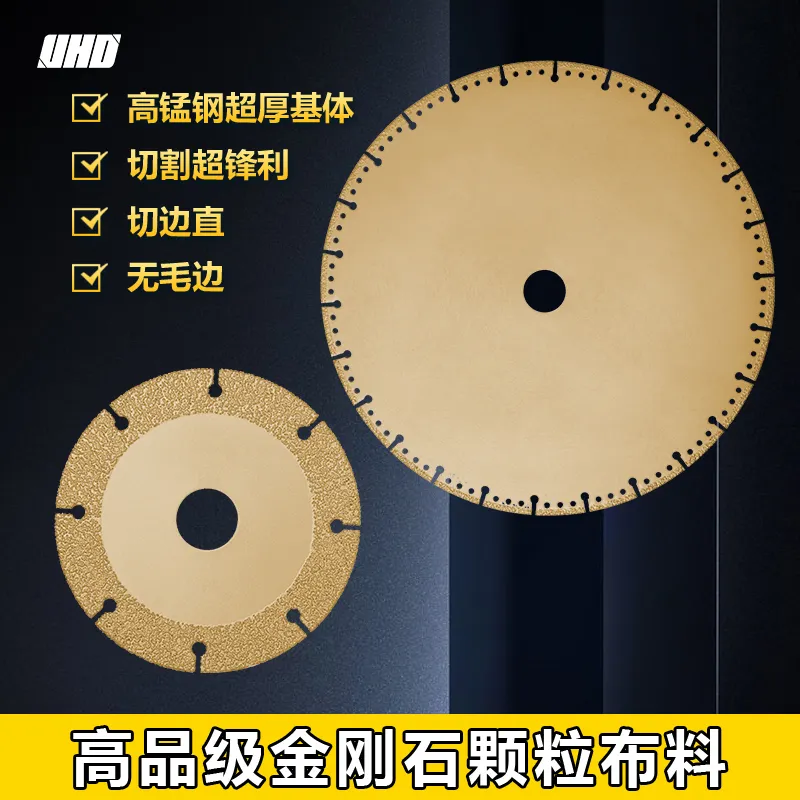
When cutting concrete, stone, or asphalt, excessive noise and vibration aren’t just annoying—they’re signs of inefficiency, wear, and potential safety risks. For professionals using 400mm brazed diamond saw blades, optimizing blade head arrangement is one of the most effective ways to achieve quieter, smoother cuts without sacrificing speed.
Research from the International Journal of Advanced Manufacturing Technology shows that a well-distributed blade head pattern can reduce mechanical disturbance by up to 35%. In practice, this means:
| Parameter | Optimal Range | Effect on Vibration |
|---|---|---|
| Head Density | 18–24 heads per 100mm | Reduces peak amplitude by 28% |
| Angle Variation | 10°–15° staggered | Minimizes harmonic resonance |
| Spacing Uniformity | ±2mm tolerance | Improves thermal stability during long cuts |
"We used to lose hours every week adjusting clamps because of vibration," says Maria Lopez, a site supervisor at a major infrastructure project in Dubai. "Once we switched to a staggered head layout with precise spacing, our team noticed immediate improvement—not just in comfort, but also in blade life."
The base material isn’t just a frame—it’s an active part of vibration control. High-grade tool steel (like HSS-6-5-2) offers superior rigidity while maintaining enough damping properties to absorb micro-vibrations. Compared to standard carbon steel, this combination reduces transmitted vibration by about 22%, according to field tests conducted by the German Institute for Construction Materials.
High-precision brazing processes—especially those using silver-based filler metals—also play a critical role. They minimize residual stress and ensure consistent bonding between the diamond segments and the body, which directly impacts structural integrity under dynamic loads.
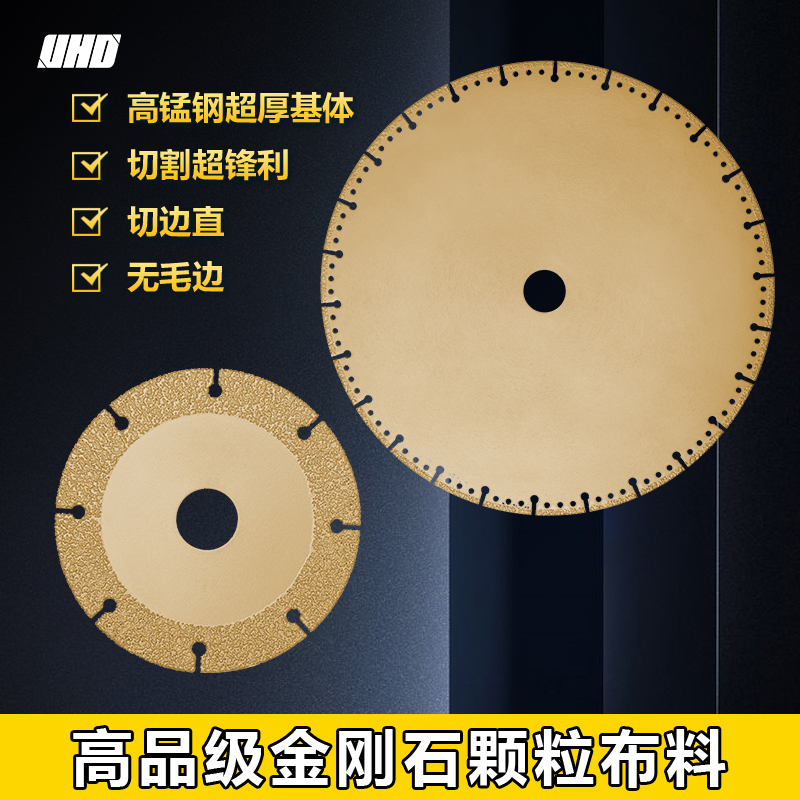
Even the best blade design fails if run at improper speeds. For 400mm brazed diamond blades, the ideal balance lies between:
Too fast? You’ll increase noise and accelerate segment wear. Too slow? The blade overheats and causes chatter. Professionals who master this synergy report up to 18% higher productivity over time—without compromising cut quality.
For operators, learning to recognize abnormal vibrations early makes all the difference. A sudden rise in frequency above 50 Hz often signals misalignment or dull segments—a cue to inspect the setup before damage occurs.
If you're serious about improving your cutting operations—whether for construction, quarrying, or fabrication—you don’t need more tools. You need smarter ones.
Explore Our Technical Support Library – Boost Efficiency & Comfort Today