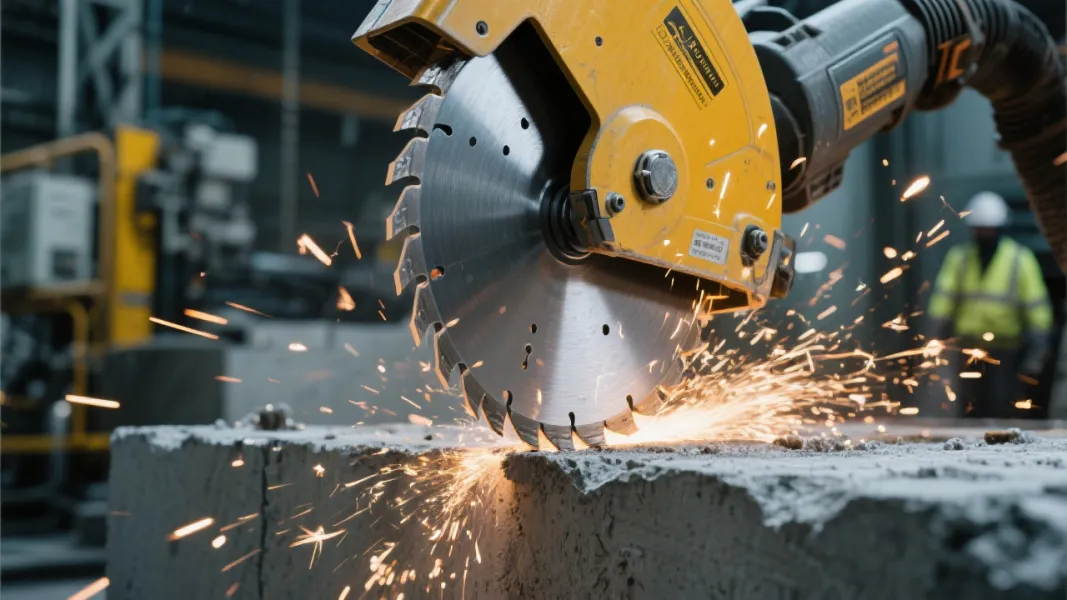
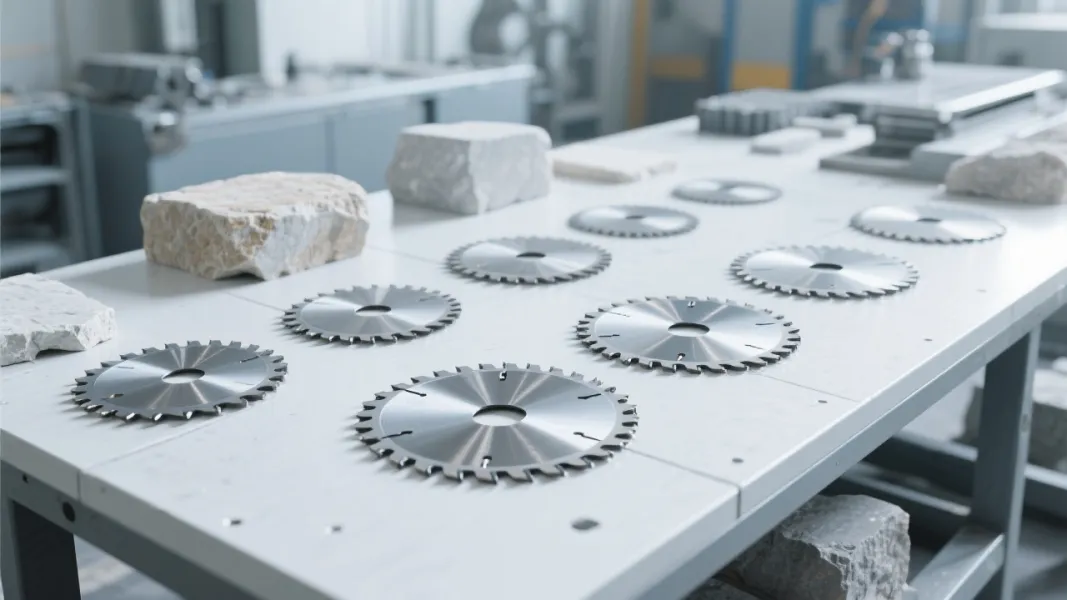
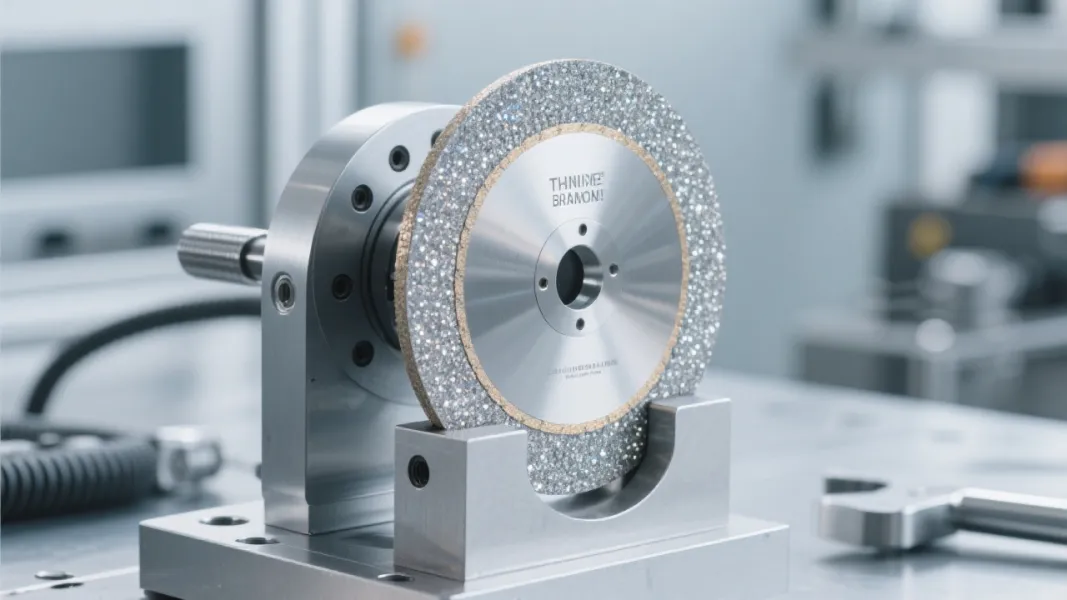
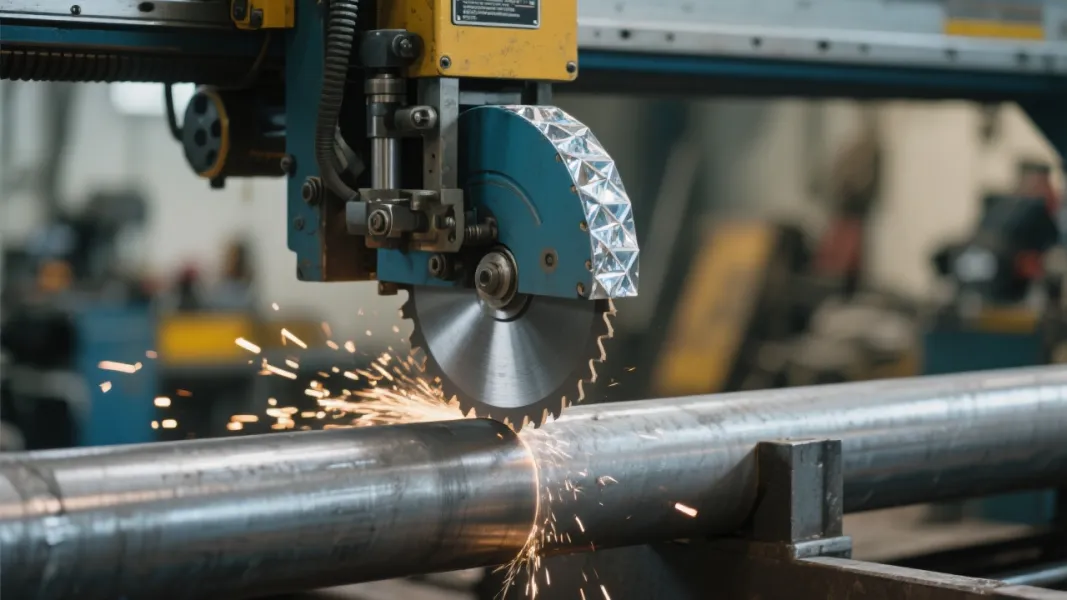
Processing high-hardness alloy steels poses significant challenges due to their exceptional strength and wear resistance. Conventional abrasive cutting discs often fall short in maintaining efficiency and tool longevity under such demanding conditions. UHD’s high-performance diamond cutting blades present a transformative solution, leveraging advanced materials science and engineering designs to maximize cutting precision, speed, and life span in metalworking environments.
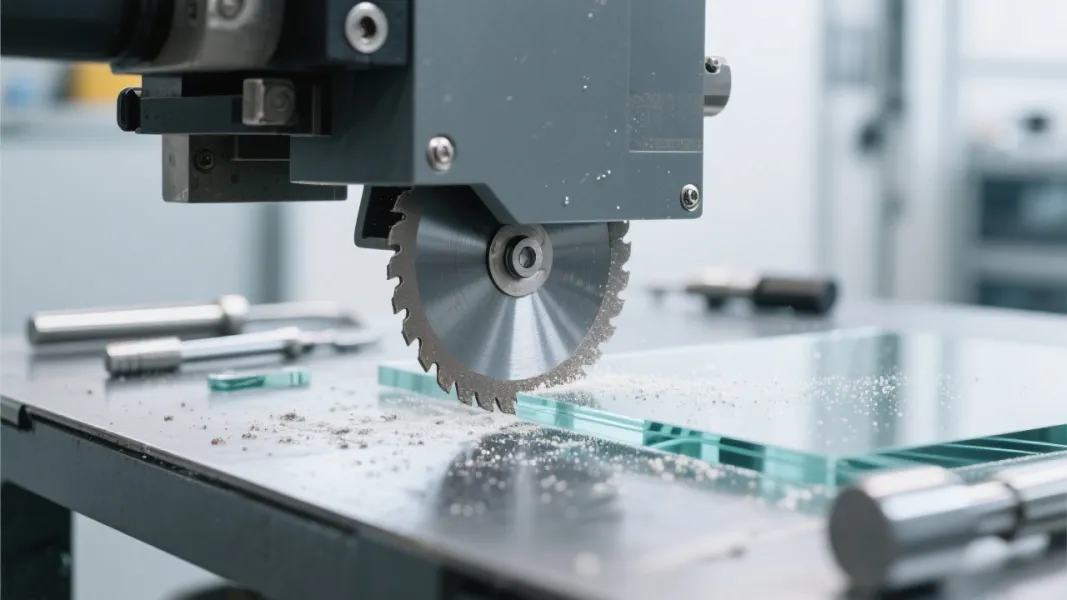
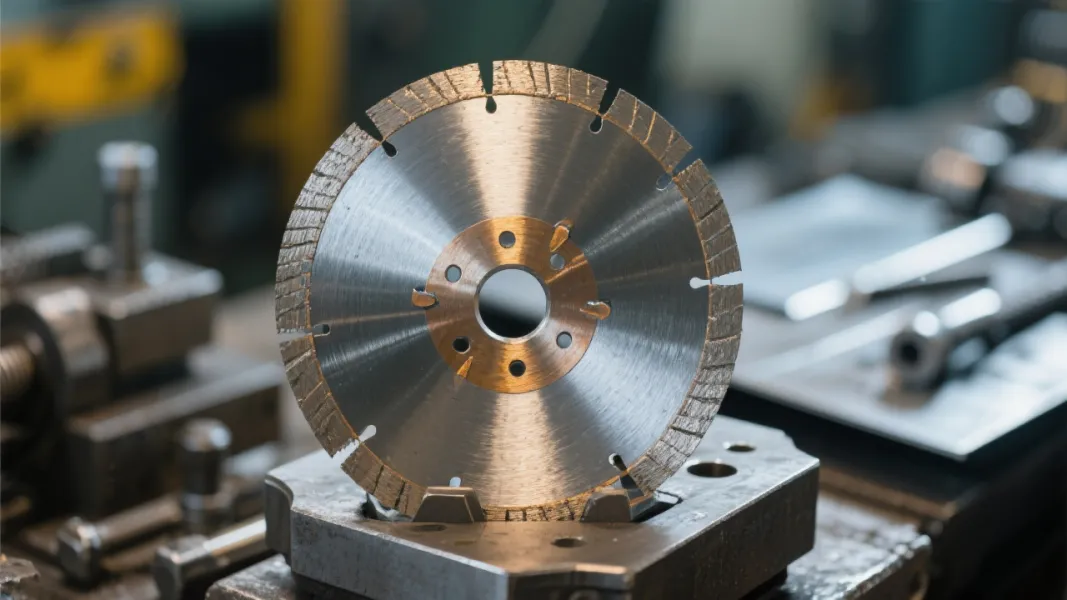
The exceptional performance of UHD’s diamond cutting blades begins with its core technology: the carefully engineered blade substrate and the distribution of diamond particles. The substrate material is formulated for superior thermal stability and deformation resistance, critical in preventing warping and uneven wear during high-speed, high-friction cutting tasks.
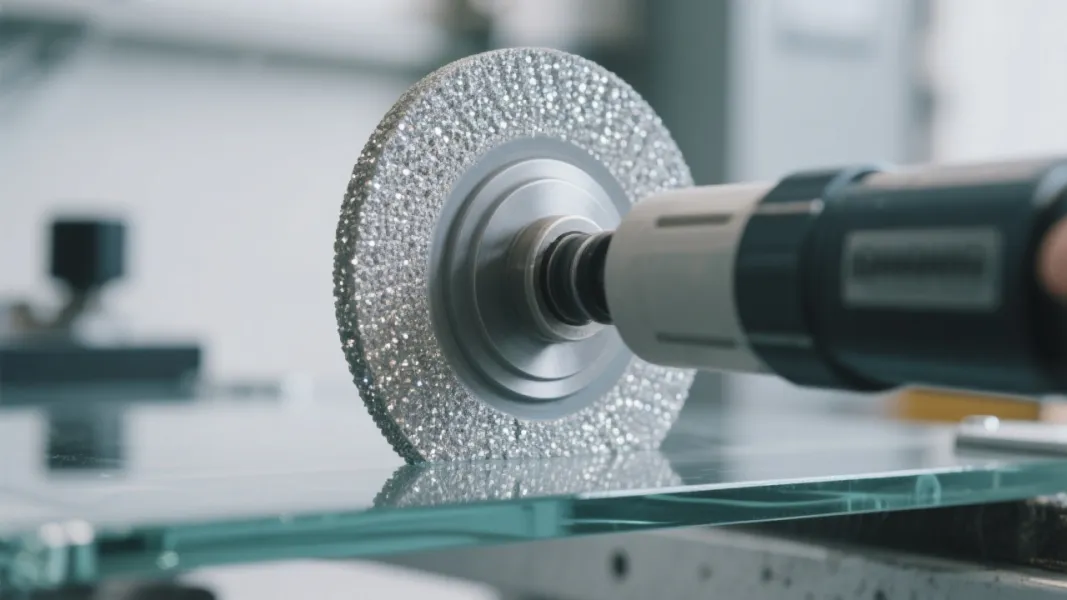
Diamond particle size and uniform dispersal within a robust bonding matrix directly influence cutting efficiency and blade lifespan. UHD’s optimized particle grading reduces microfracture propagation, maintaining sharper cutting edges and consistent material removal rates over extended use. Moreover, the bonding agent is tailored for balanced hardness and flexibility, mitigating premature blade degradation without compromising cutting force.
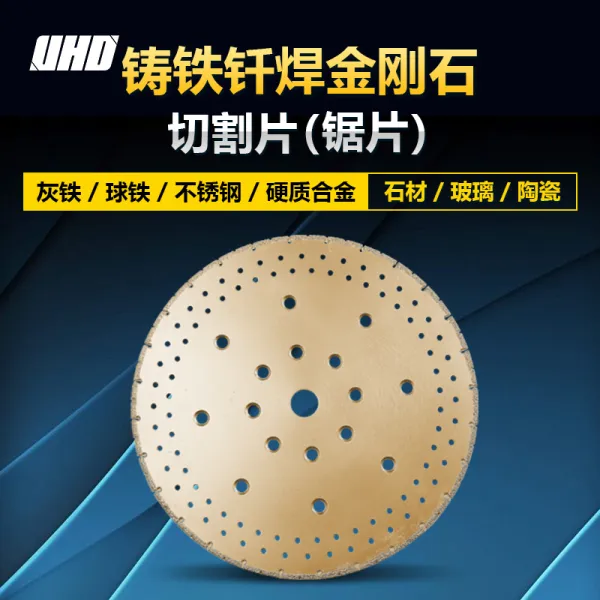
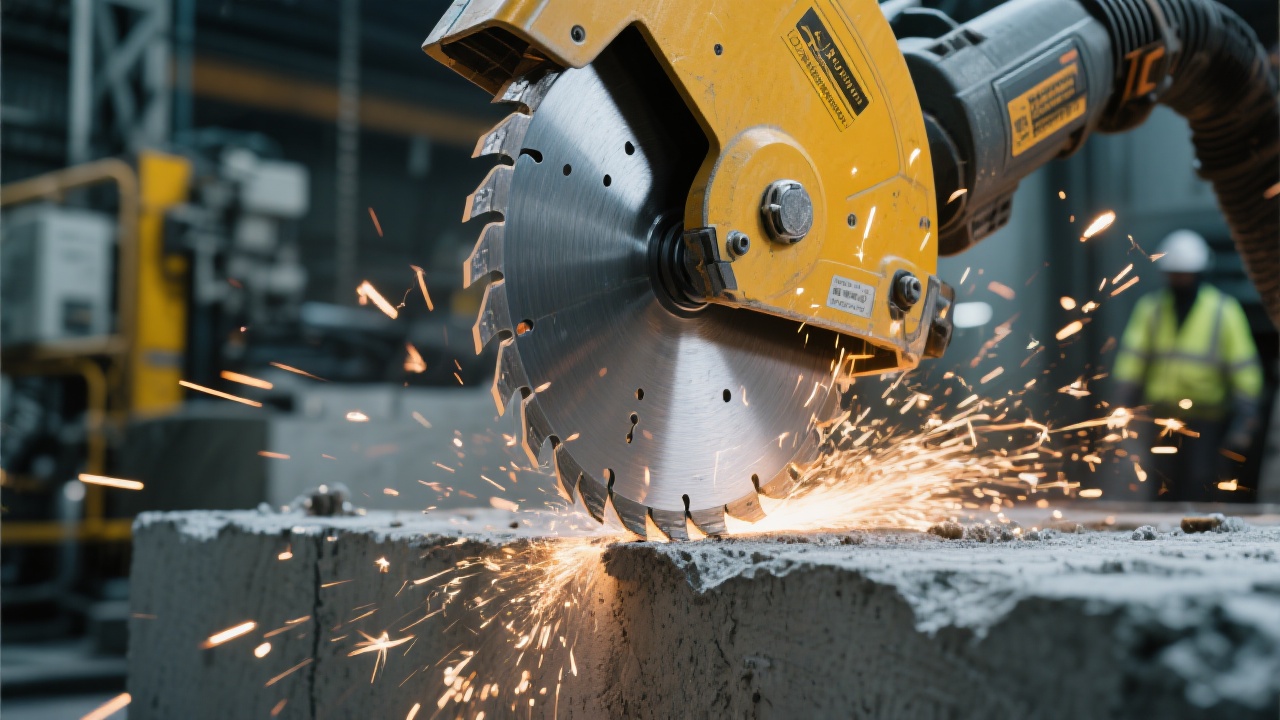
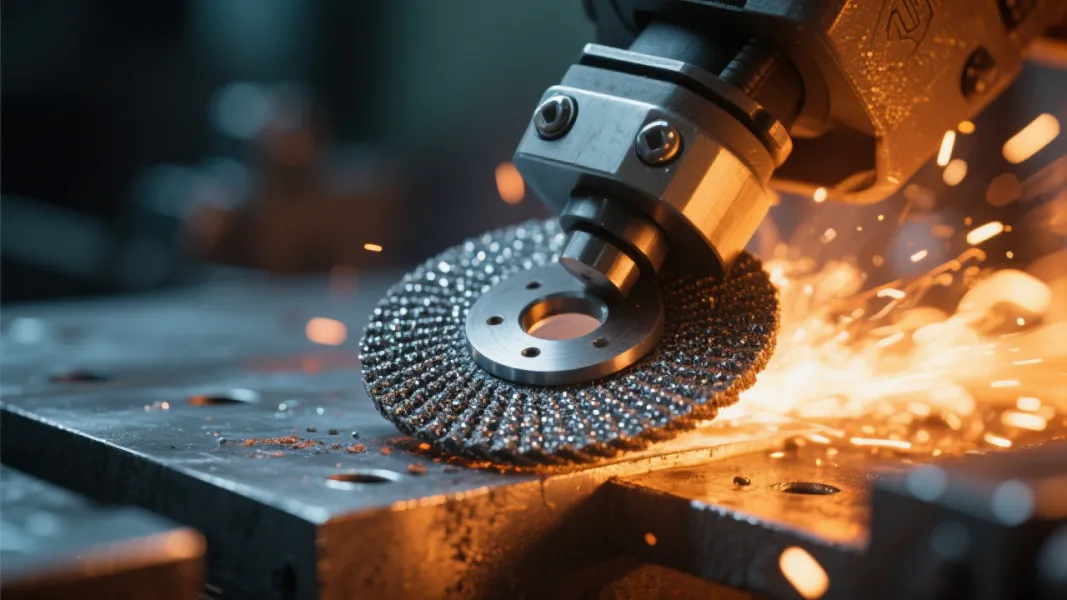
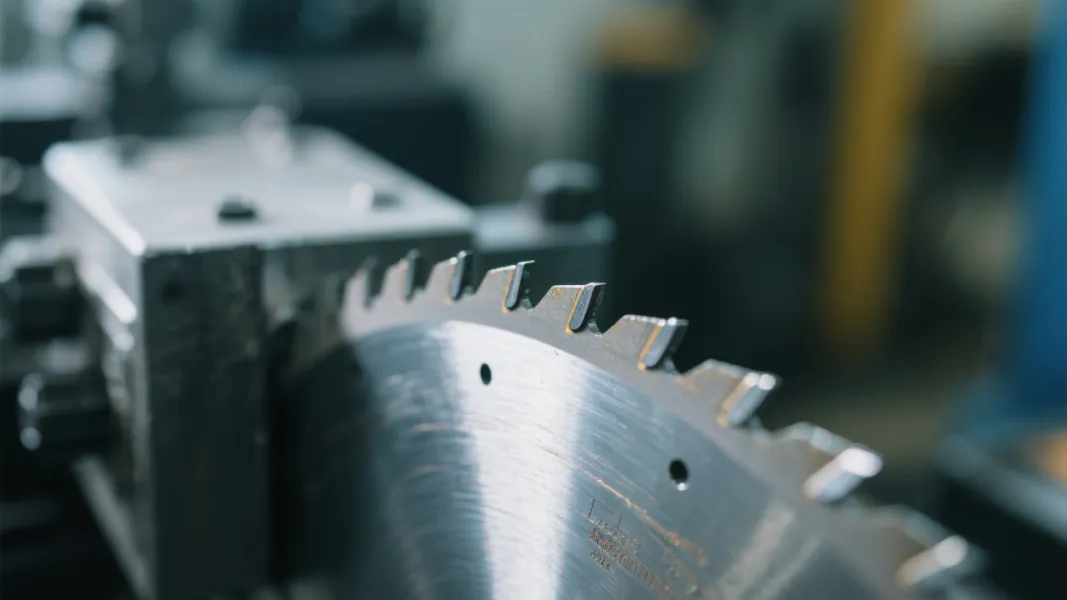
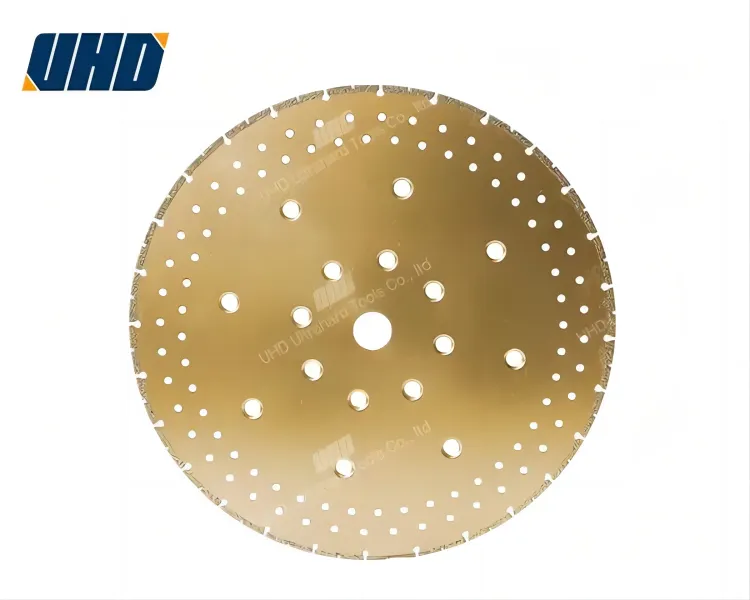
Beyond material composition, structural design enhancements play a pivotal role in UHD blades’ superior capabilities. Features such as precision-engineered cooling channels and strategically placed ventilation slots facilitate rapid heat dissipation. This prevents thermal buildup—a common cause of blade failure and dimensional inaccuracies when cutting high-alloy steels.
Simultaneously, optimized chip clearance pathways minimize clogging, reduce friction, and ensure smoother cutting operations. This combination of thermal and mechanical management delivers consistent cutting performance, reduces unplanned downtime, and improves overall machining efficiency.
| Performance Metric | High-Performance Diamond Blade | Traditional Abrasive Disc |
|---|---|---|
| Cutting Efficiency | Up to 35% faster cutting speeds | Standard cutting speeds with frequent slowdowns |
| Blade Lifespan | 4–6 times longer lifespan | Significant wear after short operational periods |
| Thermal Stability | Superior heat resistance reduces warping | Prone to heat-induced deformation |
| Surface Finish Quality | Consistently smoother, minimal burrs | Rougher edges requiring additional finishing |
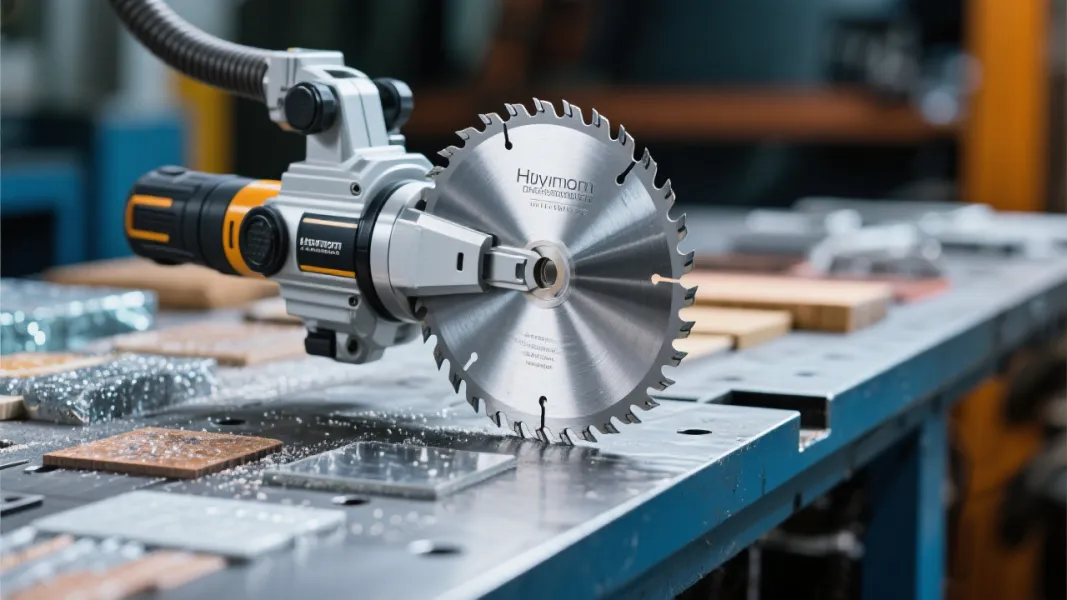
To maximize UHD diamond cutting blades’ value, correct operational techniques are essential. Operators should maintain stable cutting pressures and avoid abrupt directional changes, which can stress the diamond layer. Regular cleaning of debris and adherence to recommended feed rates preserve cutting performance and extend blade life.
Maintenance entails periodic inspection for micro-cracks and surface wear. Using lubricants or coolants compatible with UHD blades can also improve heat management and reduce material buildup, enhancing performance consistency. These best practices empower manufacturing teams and procurement leaders to optimize production efficiency while controlling operational costs.
UHD diamond cutting blades have demonstrated robust performance across diverse metal fabrication sectors. For instance, in aerospace-grade nickel alloys and automotive high-chrome steels, UHD blades maintain cutting precision and output uniformity, reducing scrap rates by up to 20%. The technology also facilitates faster cycle times in demanding applications, ultimately driving throughput and profitability.
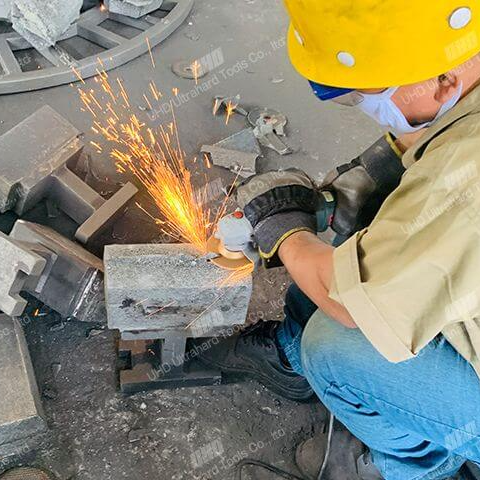
The strong correlation between blade design and cutting efficiency outlined here offers metalworking professionals a clear framework to assess tool selection critically. UHD’s commitment to integrating material science innovation with practical usability sets a new benchmark in metal cutting technology.
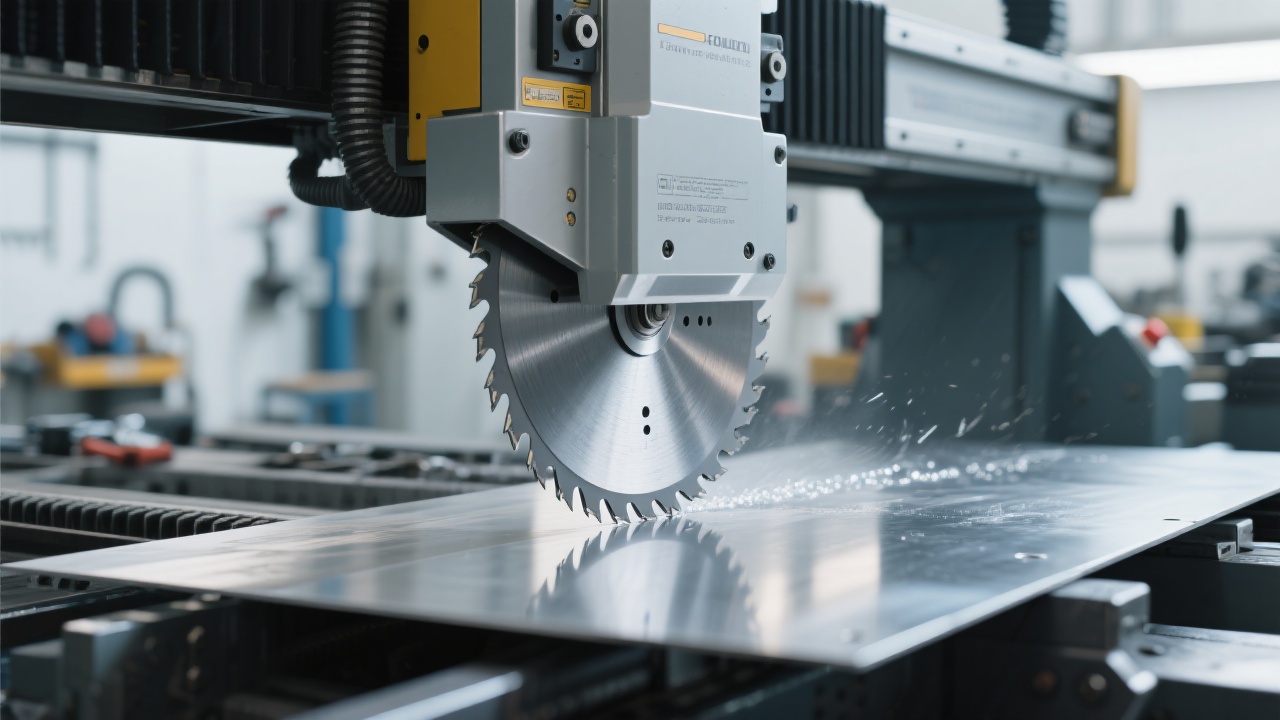
Industry experts emphasize the transformative impact of diamond-enhanced cutting blades on manufacturing KPIs. As metal processing complexity grows, investing in UHD’s technology aligns with strategic objectives to improve operational resilience and product quality.
 159
|
159
|
 hard alloy cutting challenges
resin blade chipping causes
brazed diamond blade benefits
high-performance cutting tools
manganese steel saw blades
hard alloy cutting challenges
resin blade chipping causes
brazed diamond blade benefits
high-performance cutting tools
manganese steel saw blades
 147
|
diamond cutting tool selection
metalworking downtime reduction
tool life extension
cutting parameter optimization
preventive maintenance
147
|
diamond cutting tool selection
metalworking downtime reduction
tool life extension
cutting parameter optimization
preventive maintenance
 217
|
diamond saw blade size tolerance
ISO vs ANSI standards
diamond saw blade compatibility
saw blade runout tolerance
vacuum brazed diamond saw blades
217
|
diamond saw blade size tolerance
ISO vs ANSI standards
diamond saw blade compatibility
saw blade runout tolerance
vacuum brazed diamond saw blades
 489
|
cemented carbide dust control
diamond saw blade dust reduction
cutting parameter optimization
green manufacturing tools
industrial dust mitigation
489
|
cemented carbide dust control
diamond saw blade dust reduction
cutting parameter optimization
green manufacturing tools
industrial dust mitigation
 365
|
gray cast iron cutting techniques
brazed diamond saw blade application
stainless steel cutting issues
diamond blade usage guide
industrial metal cutting solutions
365
|
gray cast iron cutting techniques
brazed diamond saw blade application
stainless steel cutting issues
diamond blade usage guide
industrial metal cutting solutions






.png?x-oss-process=image/resize,h_600,m_lfit/format,webp)