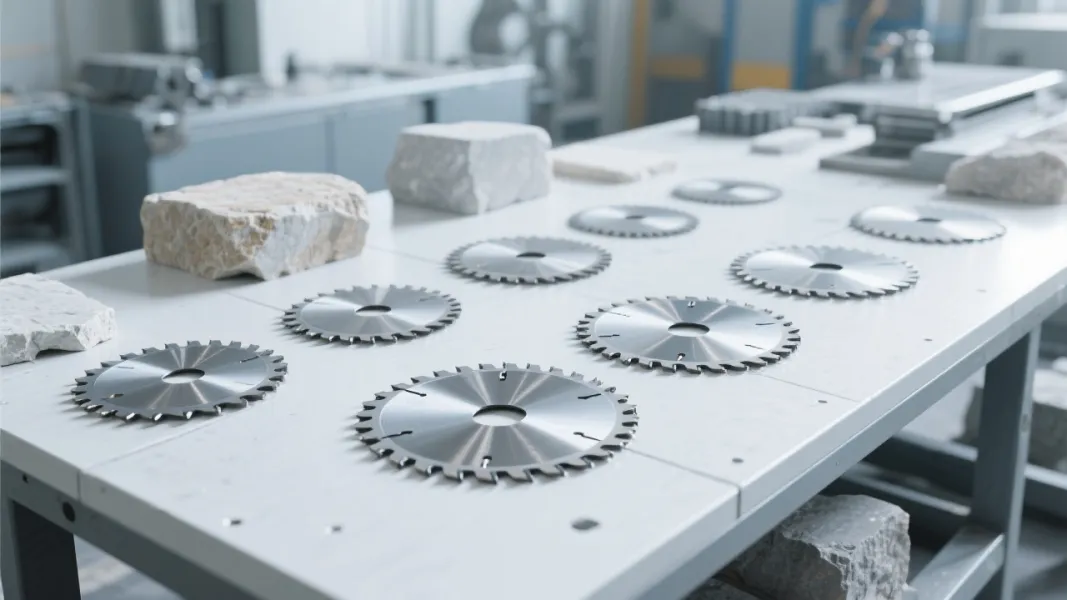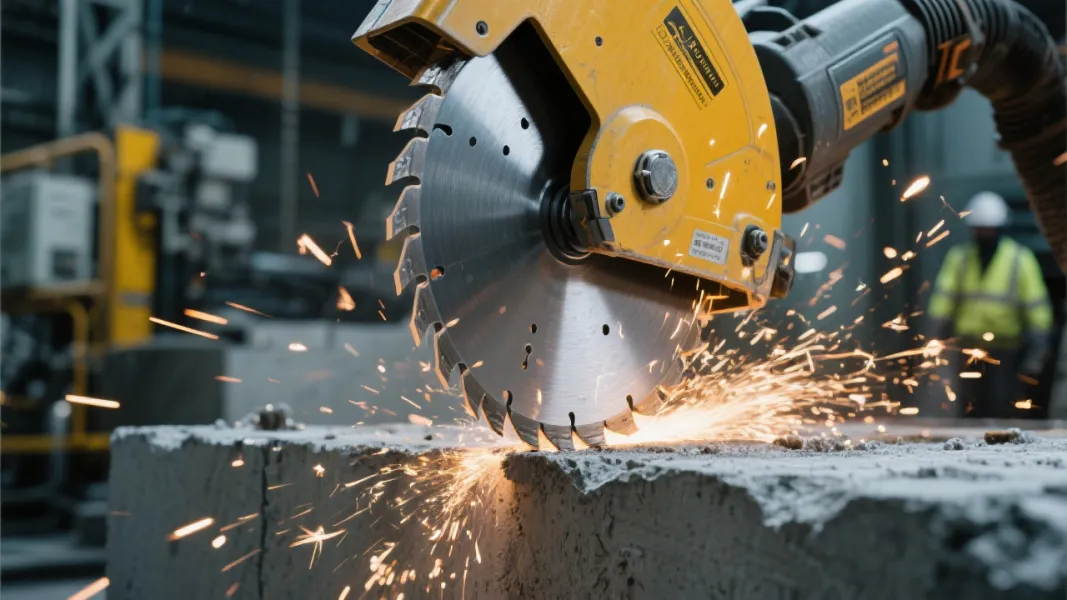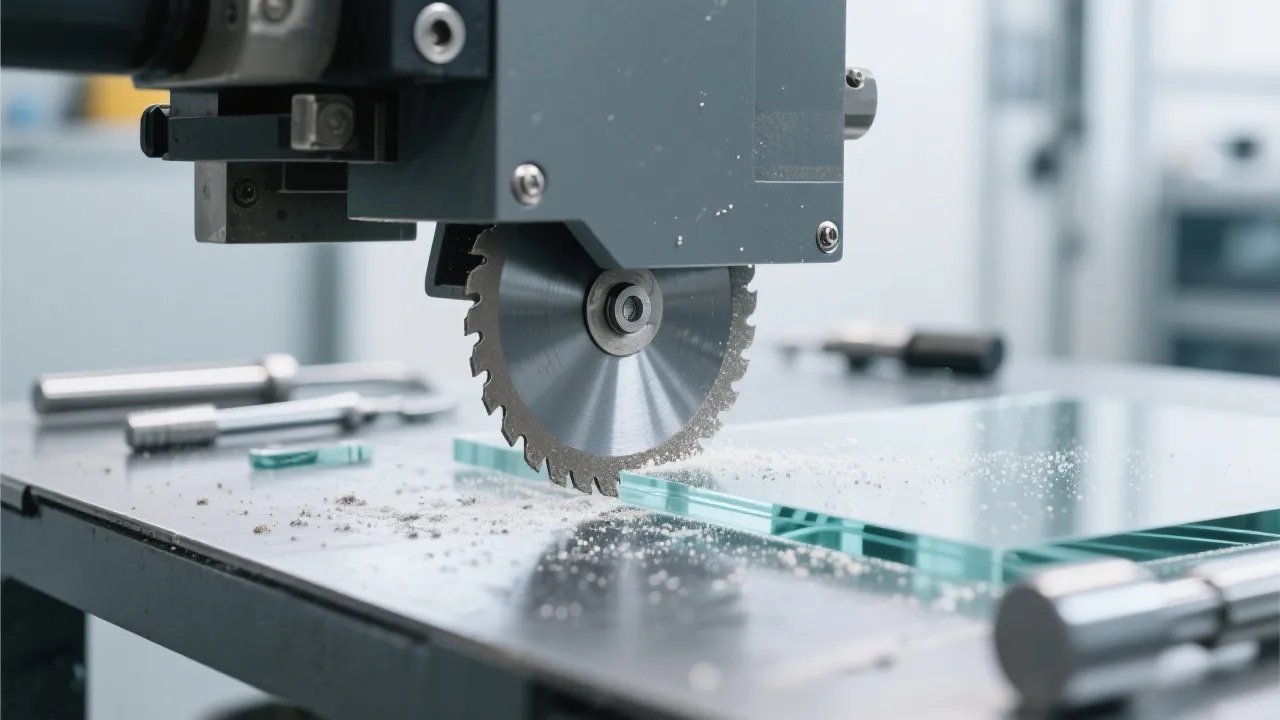
In advanced manufacturing sectors such as aerospace and mold production, tungsten carbide remains a notoriously difficult material to machine. Conventional resin-bonded saw blades commonly face limitations due to poor wear resistance, deformation under high temperatures, and short operational life. These issues not only compromise cutting precision but also elevate operational costs and labor intensity.
Resin blades often fail prematurely due to high-temperature softening effects and mechanical stresses during cutting. Elevated heat levels cause resin matrices to soften and distort, leading to tooth edge chipping and rapid wear. Additionally, resin blades generate significant cutting dust, affecting the work environment and worker safety.
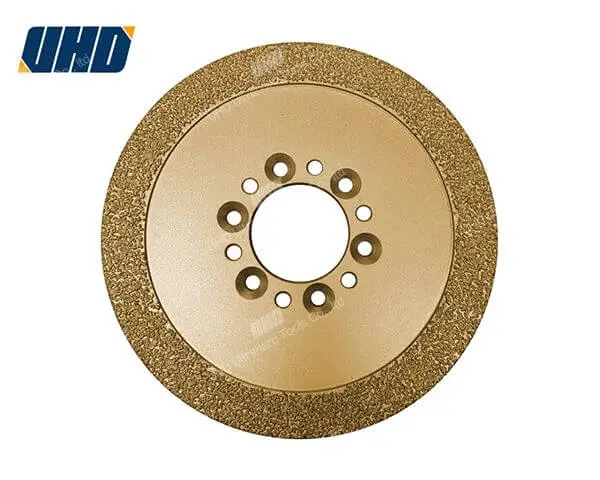
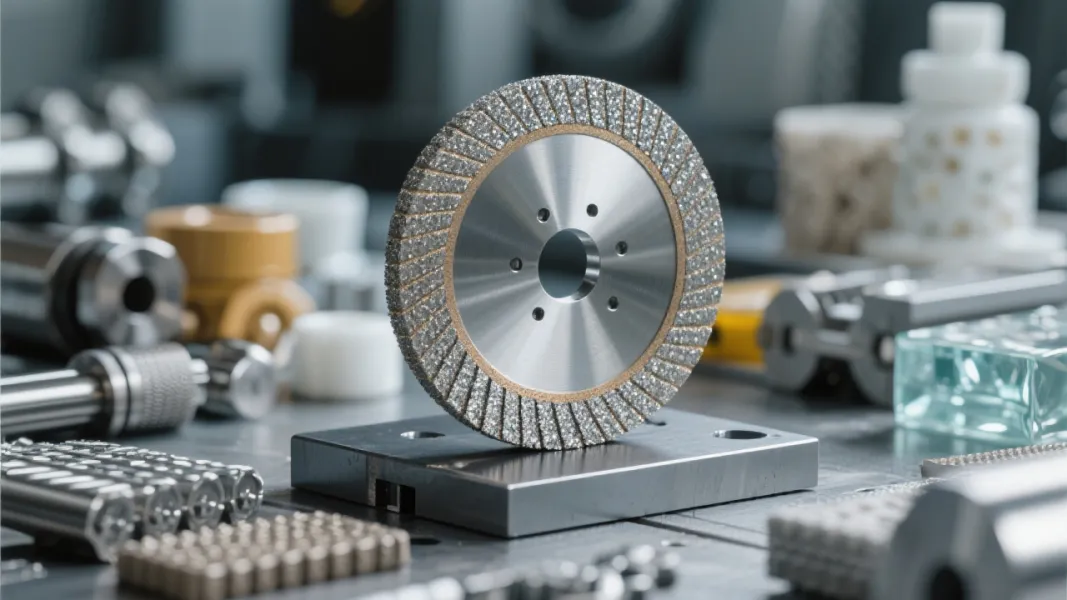
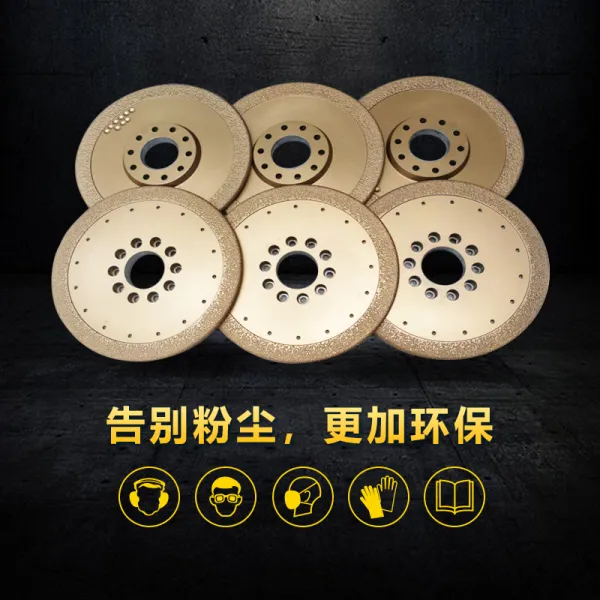
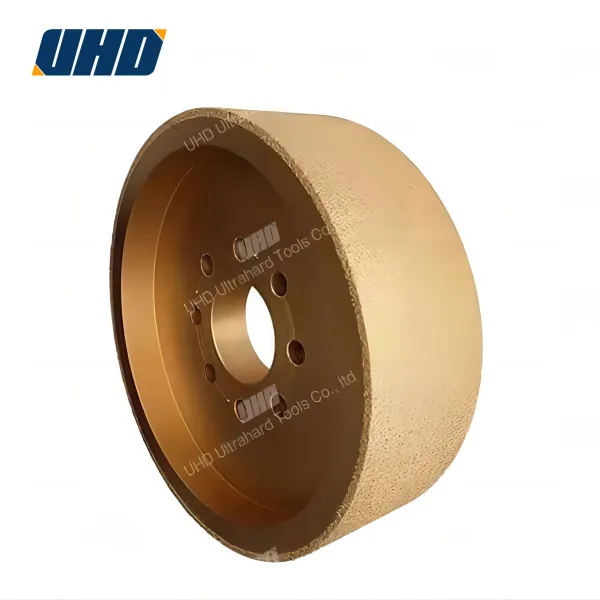
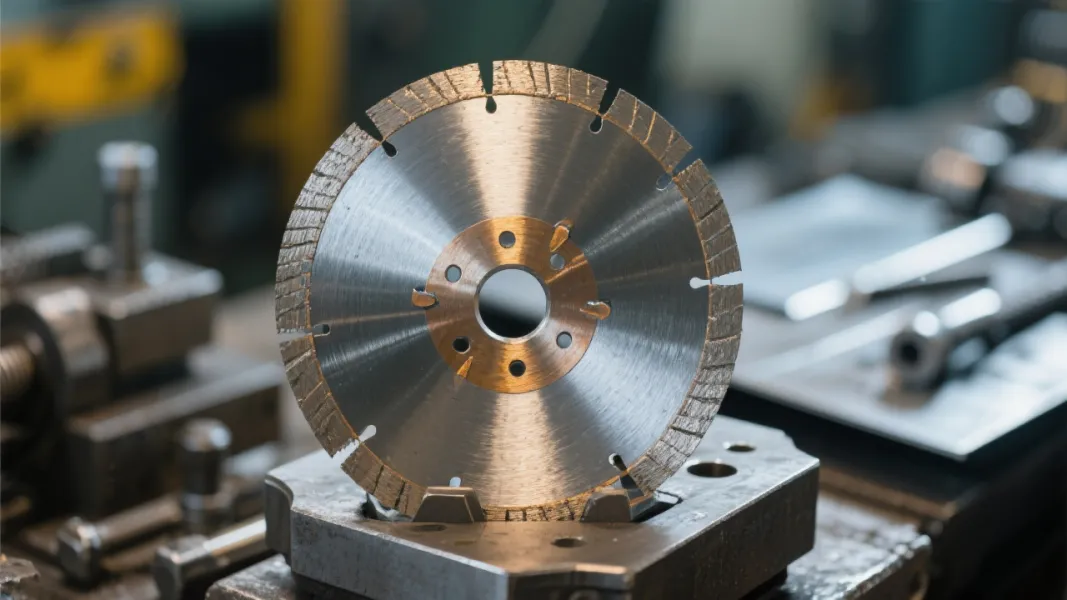
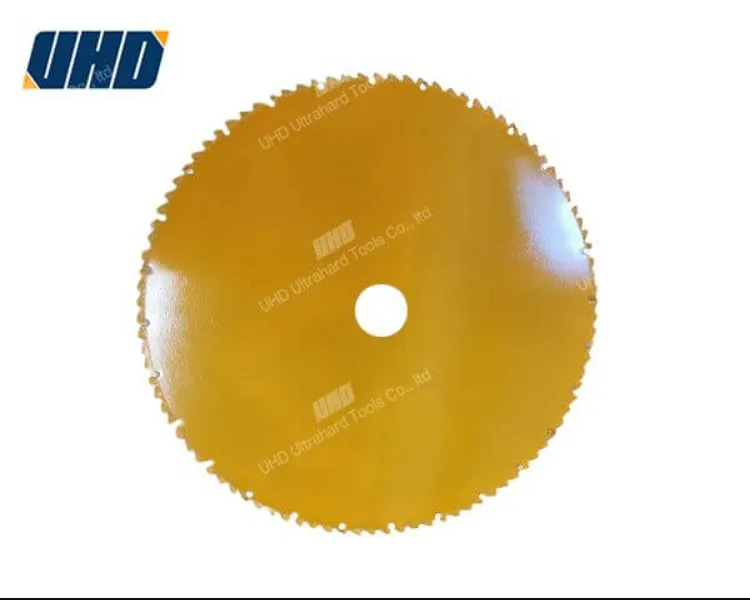
UHD introduces the ZS400H brazed diamond blade, engineered to address these critical shortcomings through innovative material and manufacturing advancements:
| Performance Metric | Traditional Resin Blades | UHD ZS400H Brazed Diamond Blades | Improvement |
|---|---|---|---|
| Cutting Efficiency (m/min) | 20 | 26 | +30% |
| Operational Life (hours) | 10 | 50 | +400% |
| Cutting Dust Emission (mg/m³) | 150 | 60 | -60% |
| Vibration Level (mm/s RMS) | 7.5 | 4.0 | -47% |
“Testing in aerospace part manufacturing demonstrated the UHD ZS400H blade reduced downtime by 35%, while cutting dust exposure limits remained well below regulatory thresholds, enhancing operator safety.” — Industry Case Study, 2023
The remarkable enhancements in cutting performance and durability translate into tangible benefits for manufacturing plants:
UHD’s brazed diamond blade solutions are designed with strict adherence to international environmental standards, supporting modern factories in achieving green manufacturing goals without compromising cutting robustness or precision.
 409
|
409
|
 diamond cutting tool selection
stainless steel cutting diamond blades
vacuum brazed diamond tools
stone cutting process parameters
tool life improvement
diamond cutting tool selection
stainless steel cutting diamond blades
vacuum brazed diamond tools
stone cutting process parameters
tool life improvement
 69
|
ultra-hard materials tools
diamond cutting tools
performance verification
extreme working conditions
tool selection guide
69
|
ultra-hard materials tools
diamond cutting tools
performance verification
extreme working conditions
tool selection guide
 371
|
diamond cutting tool life extension
刃口设计优化
冷却方式对刀具影响
金刚石工具寿命延长
高精度金属加工
371
|
diamond cutting tool life extension
刃口设计优化
冷却方式对刀具影响
金刚石工具寿命延长
高精度金属加工
 489
|
cemented carbide dust control
diamond saw blade dust reduction
cutting parameter optimization
green manufacturing tools
industrial dust mitigation
489
|
cemented carbide dust control
diamond saw blade dust reduction
cutting parameter optimization
green manufacturing tools
industrial dust mitigation
 479
|
diamond cutting tool selection
stone cutting parameters
metal cutting tool durability
vacuum brazed diamond tools
granite cutting feed rate
479
|
diamond cutting tool selection
stone cutting parameters
metal cutting tool durability
vacuum brazed diamond tools
granite cutting feed rate







.png?x-oss-process=image/resize,h_600,m_lfit/format,webp)