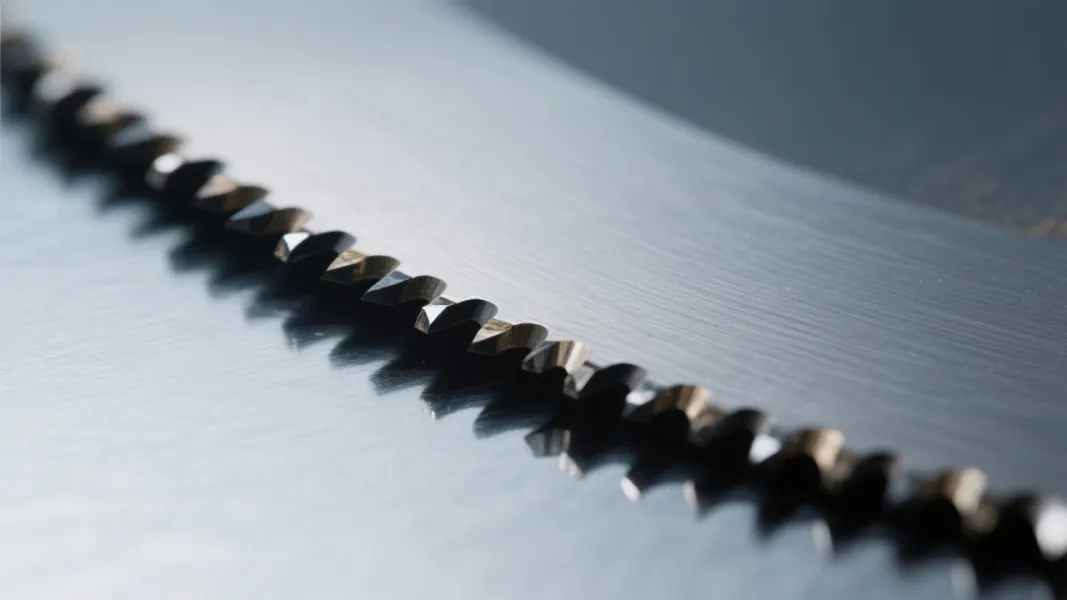
Cutting gray cast iron efficiently and safely remains a significant challenge in industrial metalworking due to the material's abrasive nature and brittleness. Improper selection or operation of saw blades frequently causes tooth chipping, excessive heat generation, and reduced productivity. This guide, brought to you by UHD, unveils the crucial best practices for using TIG-welded diamond saw blades on gray cast iron, ductile iron, and even stainless steel substrates, designed specifically for technical operators seeking precision and durability.
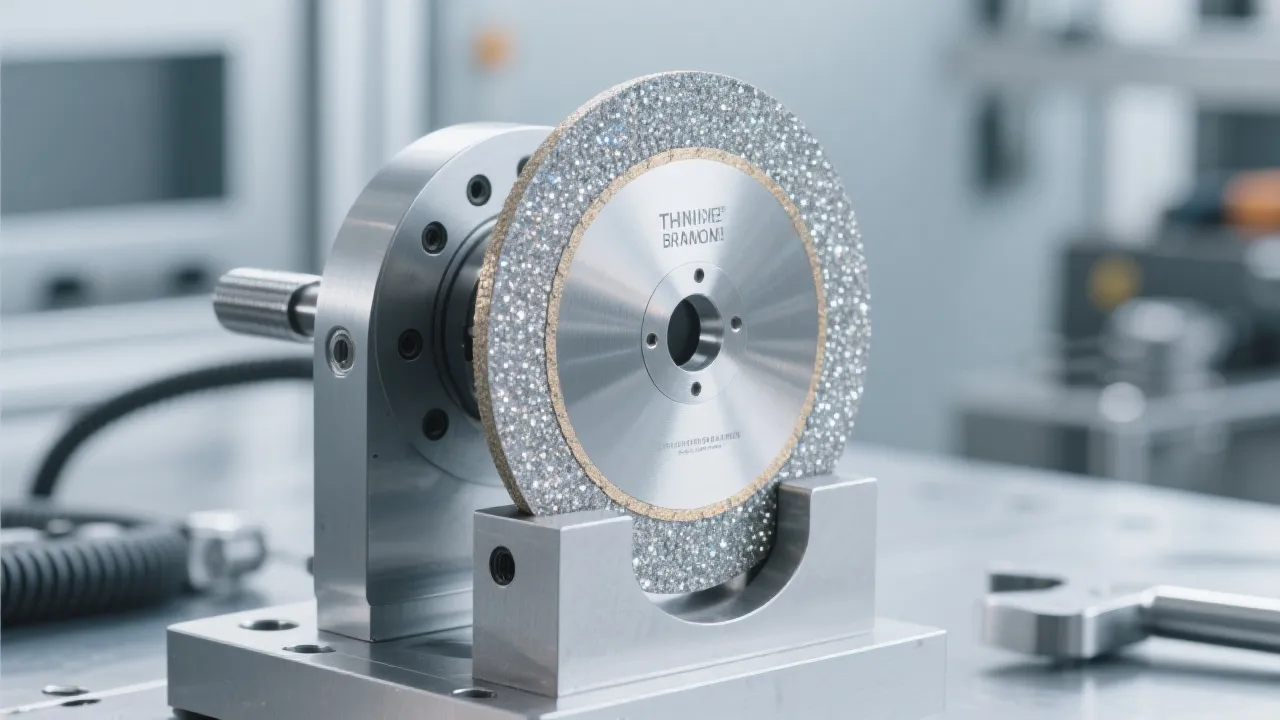
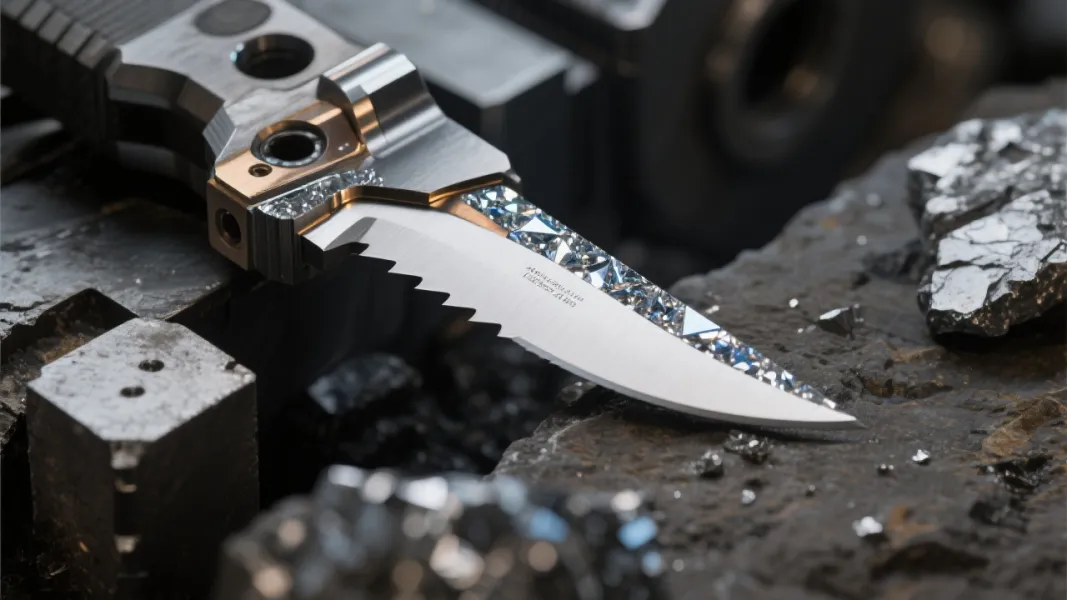
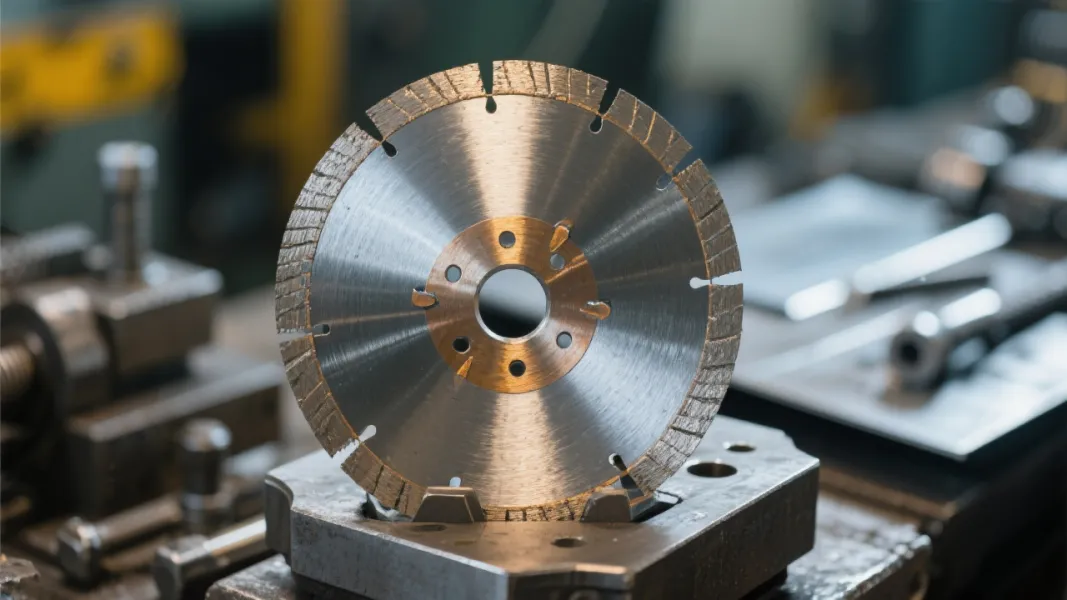
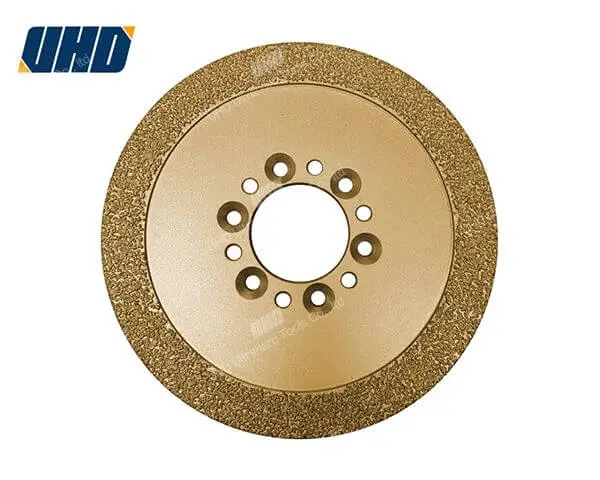
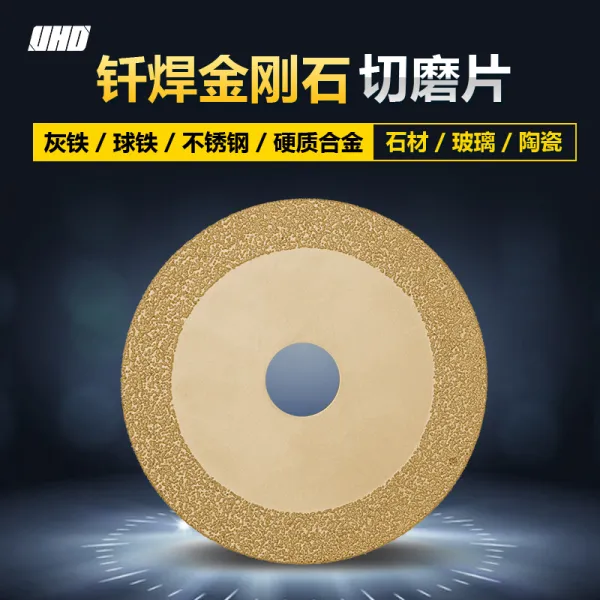
Conventional resin-bonded blades often fall short during gray cast iron processing because their bond structures degrade rapidly under the material’s extreme abrasive load. Conversely, UHD’s TIG-welded diamond blades feature a rigid matrix frame that ensures superior mechanical stability and vibration damping. Combined with tailored diamond concentration patterns optimized for high material removal rates, these blades extend tool life by up to 40% compared to resin blades under similar cutting conditions.
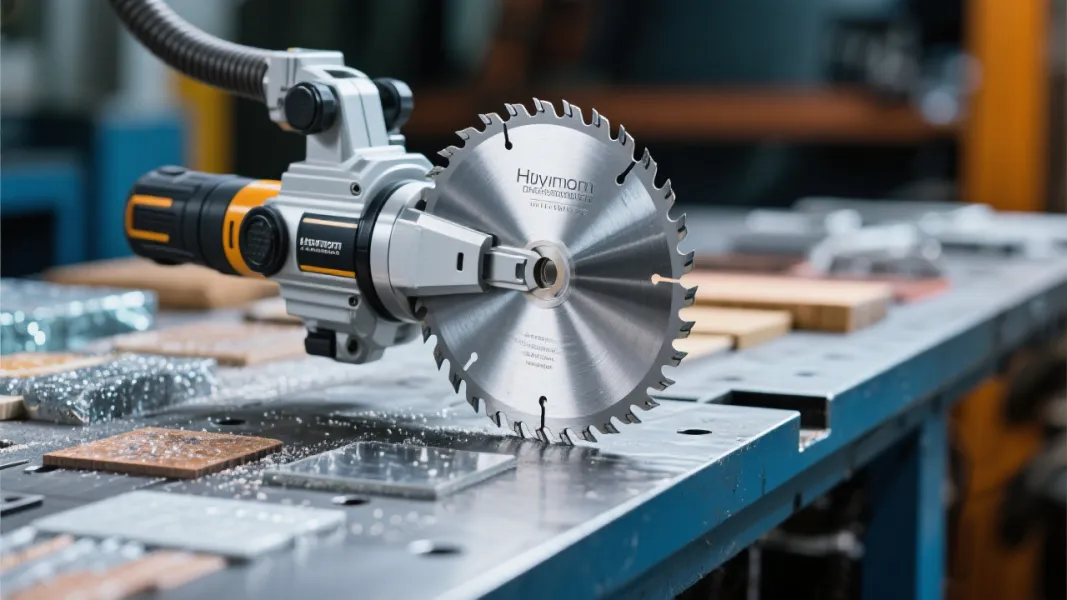
One core aspect often overlooked is the thin yet rigid base material in the saw blade design. A thicker substrate may add weight and reduce maneuverability, while a flexible one compromises cutting accuracy. UHD’s blades employ a fine balance with substrates engineered for optimal stiffness-to-weight ratios, enhancing cutting stability.
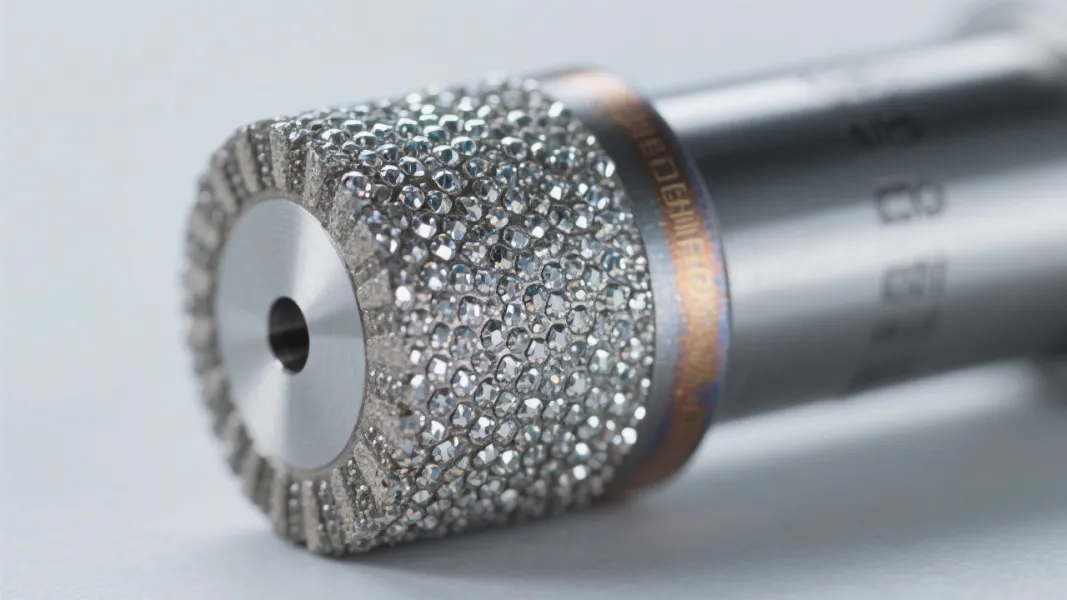
Furthermore, the diamond grit concentration is matched precisely to the target material hardness. For gray cast iron, a moderate-to-high diamond density reduces edge wear, whereas lower concentrations suit softer stainless steels where heat buildup is a concern. This strategic arrangement minimizes micro-cracking and edge chipping, common issues under high-speed feed rates.
Adjusting operational variables enhances both efficiency and blade longevity:
Do not commence cutting without gradual preheating of the workpiece or blade, especially in colder environments. Sudden thermal shocks frequently cause cracking or micro fractures in both the blade matrix and the cast iron being processed.
Technical operator familiarity with typical pitfalls is vital. Here’s what to avoid:
Routine inspections can improve uptime significantly. UHD experts recommend the following:
In a large-scale foundry processing gray cast iron pump housings, switching from resin-bonded blades to UHD's TIG-welded diamond blades resulted in:
These metrics demonstrate tangible value beyond marketing claims, reinforcing UHD’s position as a reliable industrial partner.
Understanding thermal and wear behavior is indispensable. UHD provides detailed temperature curve analyses and tooth wear comparison charts to guide parameter adjustments accurately, reducing guesswork in demanding industrial environments.
Deploy these professional insights today to elevate your cutting operations. Experience the UHD difference with every precision cut.

 32
|
32
|
 vacuum brazing process
diamond cutting tools durability
brazing defects identification
diamond tool manufacturing
high-performance cutting tools
vacuum brazing process
diamond cutting tools durability
brazing defects identification
diamond tool manufacturing
high-performance cutting tools
 155
|
metal cutting burr issues
welded diamond cutting blade
efficient cutting solutions
tool life extension techniques
metal machining process
155
|
metal cutting burr issues
welded diamond cutting blade
efficient cutting solutions
tool life extension techniques
metal machining process
 341
|
stainless steel machining diamond tools
diamond cutting tool selection
vacuum brazed diamond abrasives
diamond tool failure analysis
high-precision metal machining
341
|
stainless steel machining diamond tools
diamond cutting tool selection
vacuum brazed diamond abrasives
diamond tool failure analysis
high-precision metal machining
 124
|
Stainless steel processing diamond tools
Diamond tool failure causes
Precision manufacturing metal processing
Diamond cutting tool applications
Vacuum brazed diamond abrasives
124
|
Stainless steel processing diamond tools
Diamond tool failure causes
Precision manufacturing metal processing
Diamond cutting tool applications
Vacuum brazed diamond abrasives
 155
|
welded diamond saw blades
metal cutting burr reduction
high-manganese steel cutting tools
precision metal cutting
burr-free cutting techniques
155
|
welded diamond saw blades
metal cutting burr reduction
high-manganese steel cutting tools
precision metal cutting
burr-free cutting techniques








.png?x-oss-process=image/resize,h_600,m_lfit/format,webp)