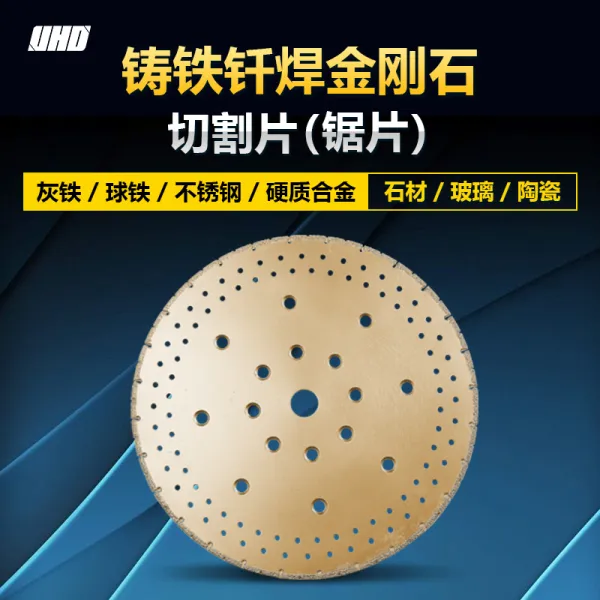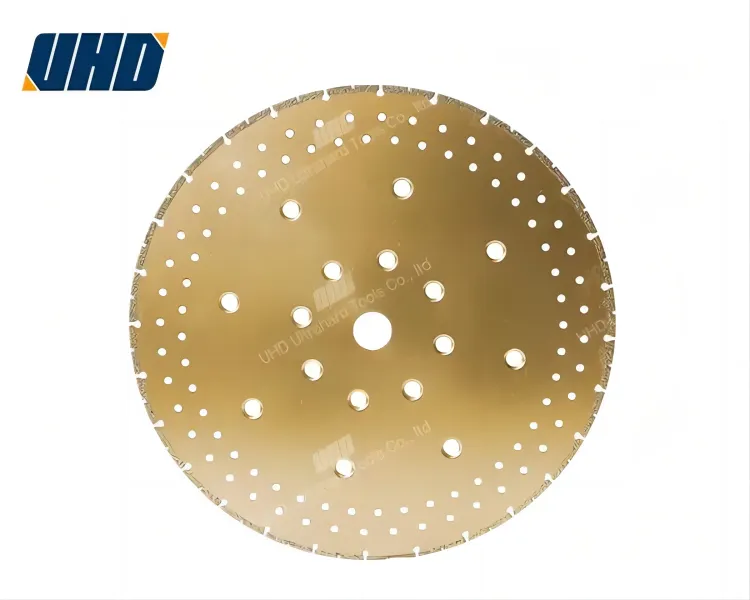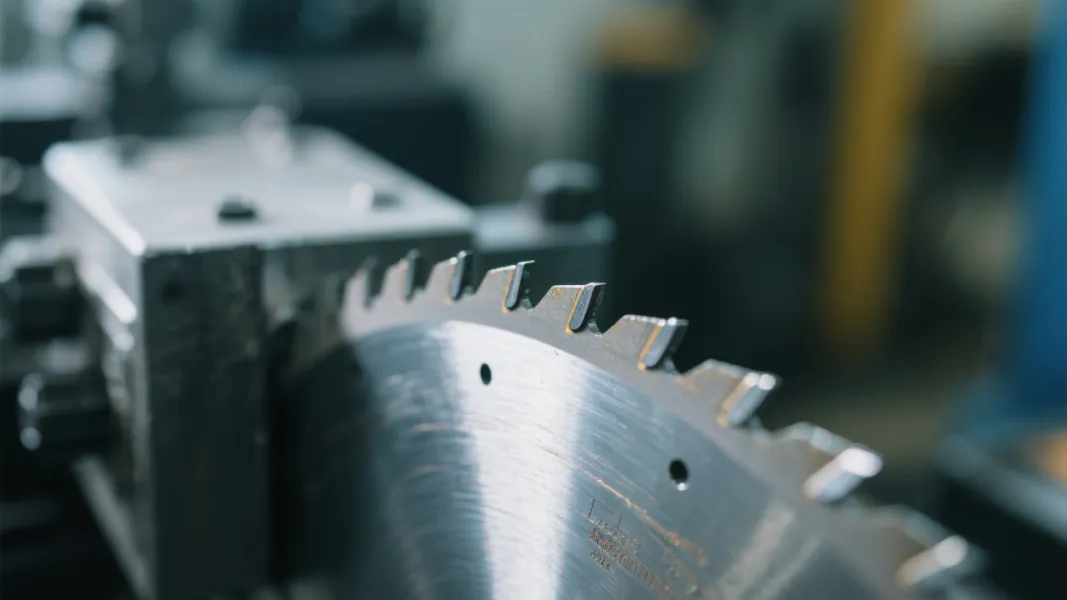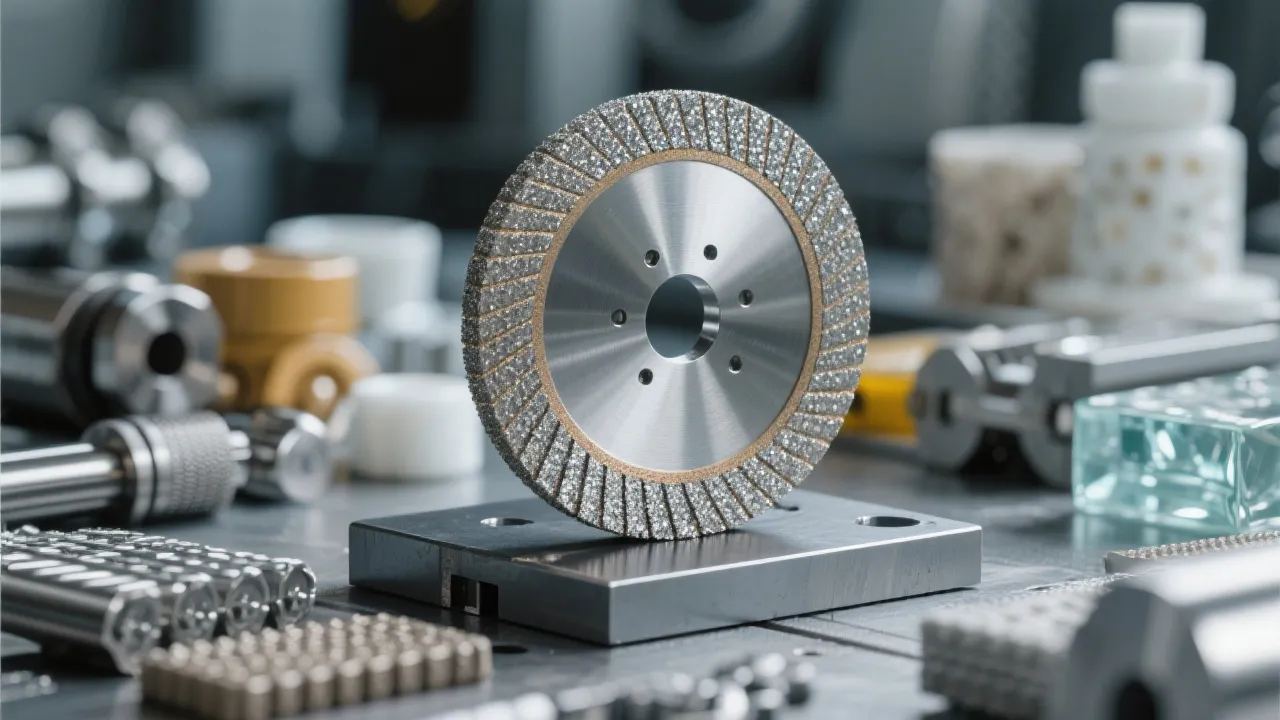
In industrial manufacturing, optimizing the cutting of complex metals like gray cast iron, ductile iron, and stainless steel remains a technical challenge. UHD’s ZS400H brazed diamond saw blade offers an innovative solution, expertly engineered to address common issues such as overheating, tooth chipping, and excessive dust generation. This comprehensive analysis delves into the key parameters that determine cutting efficiency and blade longevity, empowering technical engineers and equipment operators to maximize performance while minimizing operational costs.
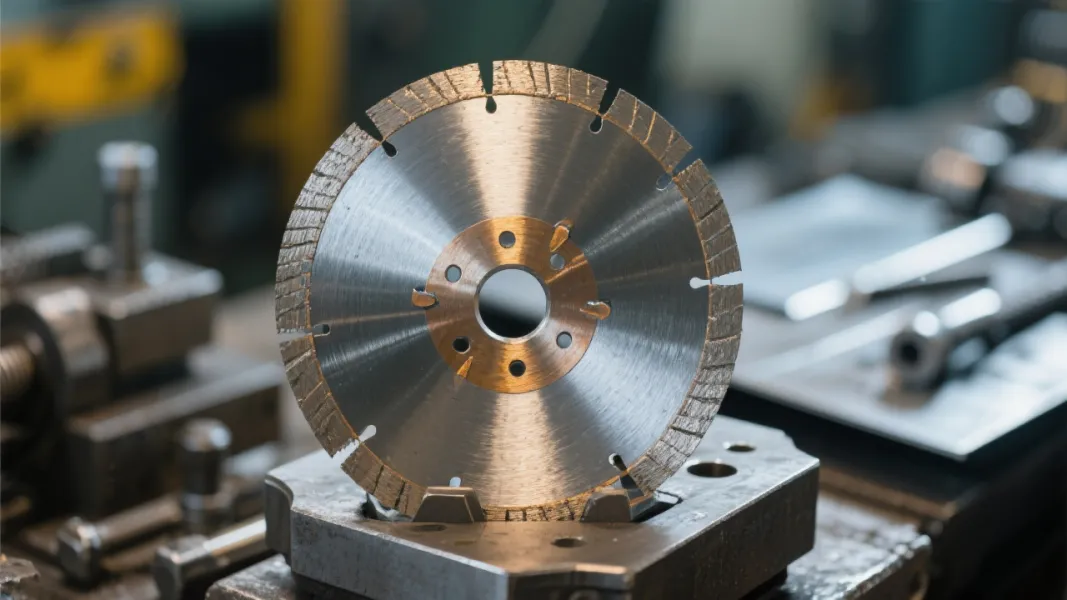
The core thickness of a saw blade critically influences its rigidity and vibration tolerance during high-speed cutting processes.
For gray cast iron—known for its abrasive nature and brittleness—a thicker high-manganese steel base (typically in the range of 2.5 to 3.5 mm for blade diameters 300-400 mm) provides enhanced stiffness, reducing deflection and improving cut precision. Conversely, excessive thickness increases cutting resistance and power consumption. UHD’s ZS400H blade optimizes this balance with a core thickness calibrated to resist warping, thus maintaining consistent kerf width while minimizing motor load.
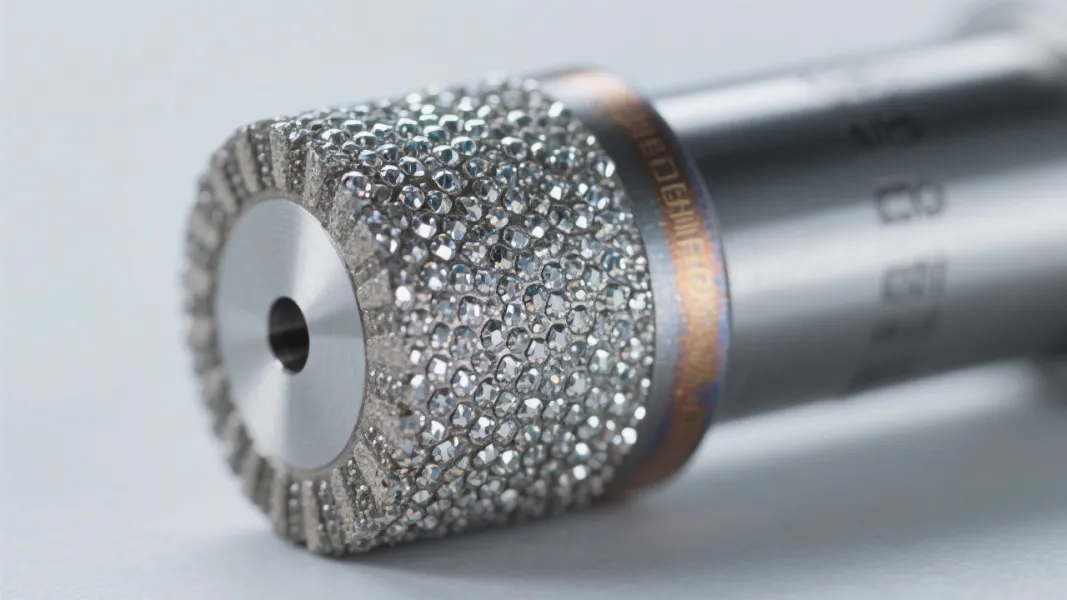
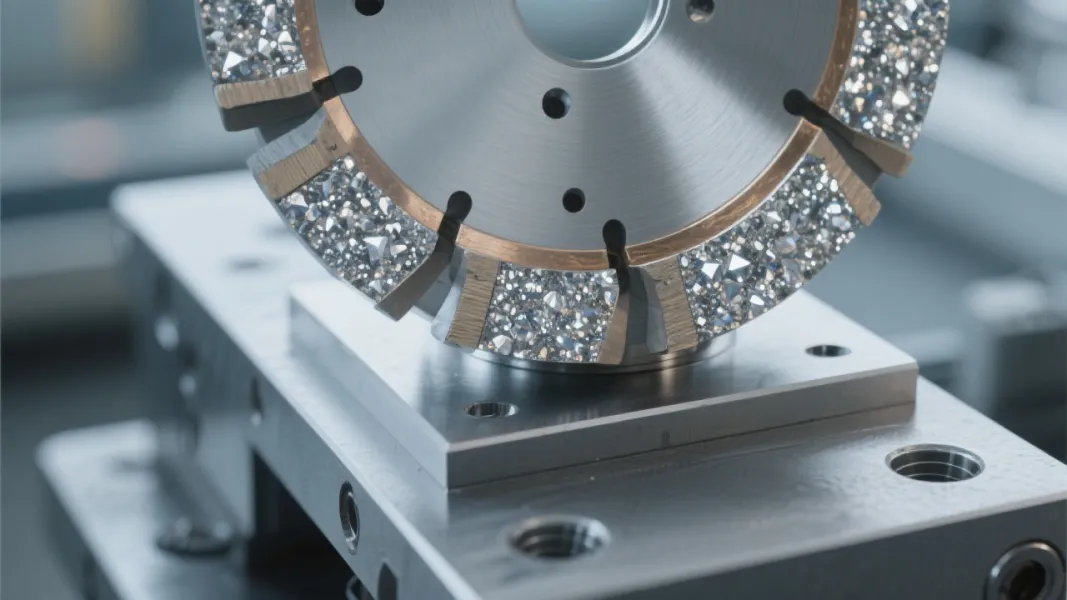
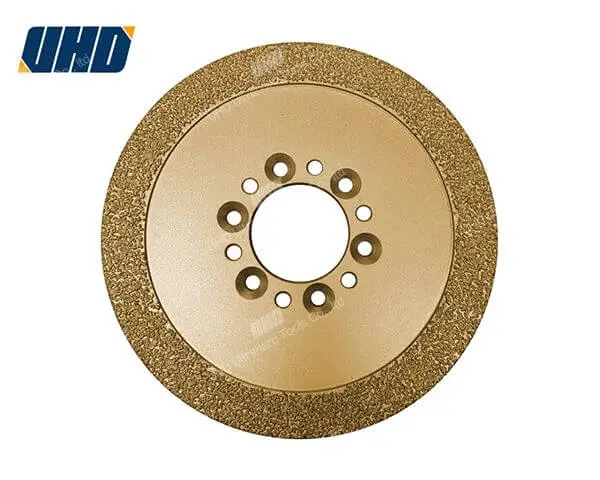
Optimized diamond particle arrangements are paramount to durability and cut quality. The ZS400H blade features a tailored brazing layer density ranging from 120 to 150 carats per cm2, with uniform grit sizing between 80 to 120 microns. This configuration enhances the abrasive contact surface without compromising material removal rate.
The strategic spatial distribution of diamond particles reduces localized wear, which is a frequent cause of premature tooth chipping. In practical terms, this means operators experience fewer interruptions due to blade failure and more predictable cutting cycles, especially when processing stainless steel alloys with higher ductility.
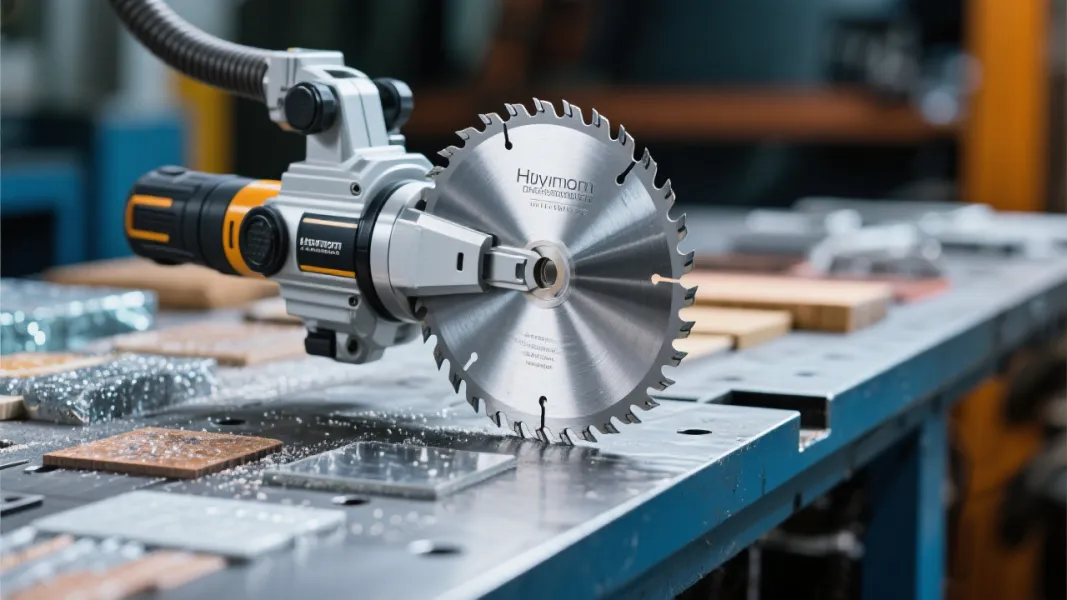
Precise control over cutting speed, feed rate, and cooling is essential for high-efficiency metal processing. Recommended cutting parameters for gray cast iron with UHD’s ZS400H blade include:
Deviation from these parameters often leads to common manufacturing issues such as excessive tool wear, heat-induced microfractures, and abrasive dust saturation that can impair both blade and machine longevity.
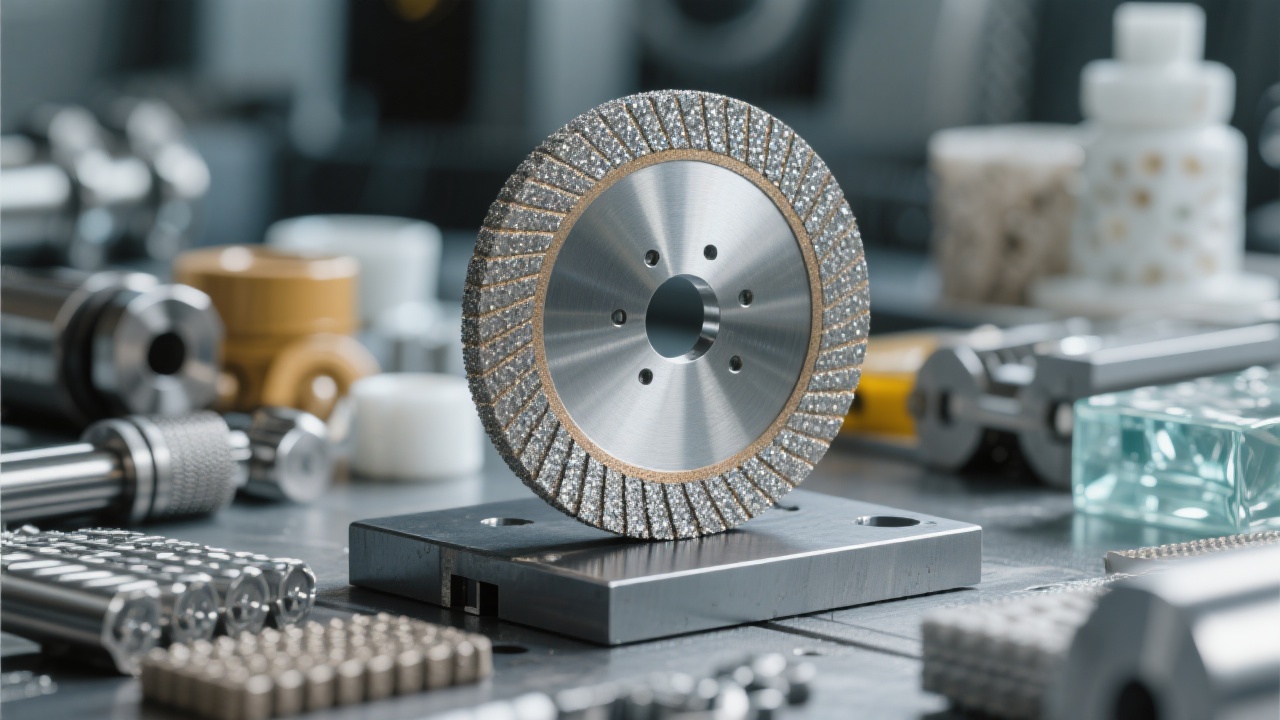
One prevalent mistake involves neglecting the blade’s heat accumulation, which accelerates solder joint fatigue. Operators should regularly inspect solder joints for micro-cracks and avoid prolonged continuous cutting on thick sections without cooldown intervals.
Another frequent oversight is the improper storage or handling of blades, leading to deformation or corrosion of the high-manganese steel base. UHD recommends storage in climate-controlled environments and avoiding impacts with hard surfaces.
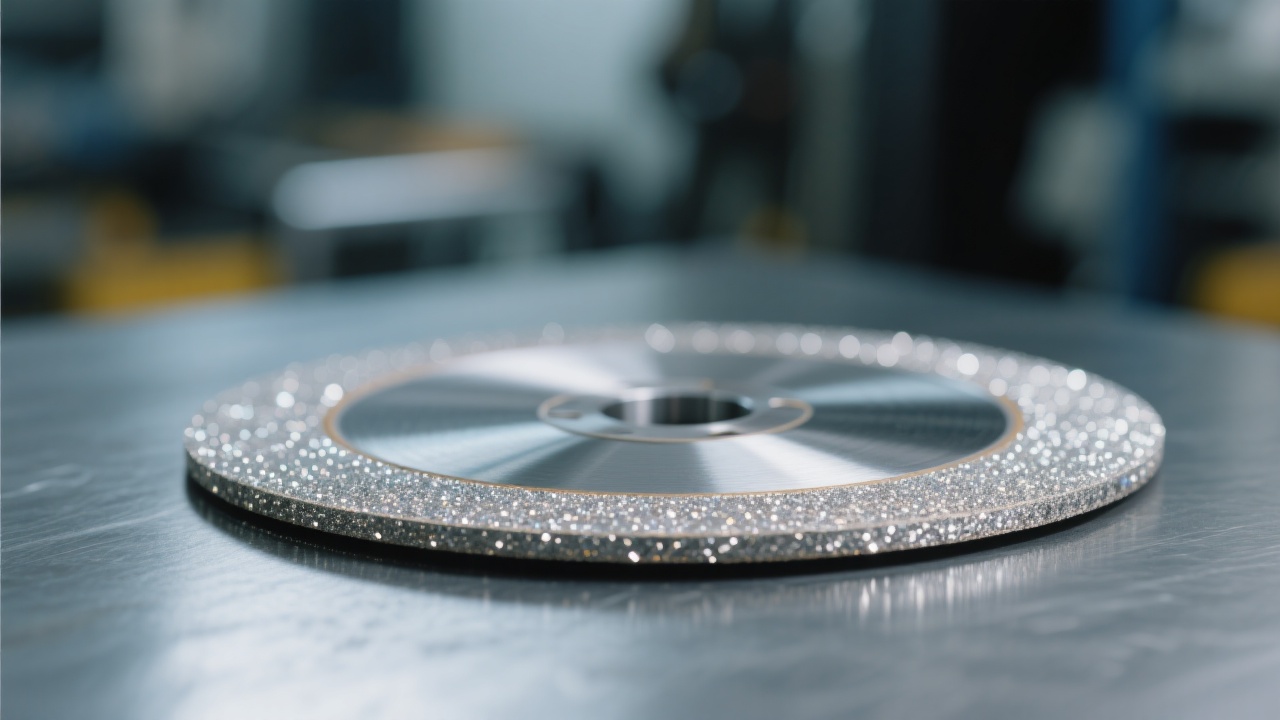
Routine maintenance should also include:
Maintaining stable cutting conditions not only improves yield and cut quality but also substantially reduces operational hazards. UHD’s ZS400H blade has proven to help reduce tool change frequency by up to 30%, contributing directly to lower downtime and labor costs.
Integration with automated monitoring systems can further optimize cut parameters dynamically, minimizing human error and enabling predictive maintenance scheduling.
 486
|
486
|
 diamond tool life extension
cutting parameter optimization
industrial downtime management
CNC tool maintenance
automated production tool tracking
diamond tool life extension
cutting parameter optimization
industrial downtime management
CNC tool maintenance
automated production tool tracking
 141
|
brazed diamond saw blade
industrial cutting efficiency
saw blade installation techniques
cutting parameter optimization
saw blade maintenance
141
|
brazed diamond saw blade
industrial cutting efficiency
saw blade installation techniques
cutting parameter optimization
saw blade maintenance
 103
|
diamond blade tooth design optimization
workshop dust reduction PM2.5
welded diamond cutting disc
green manufacturing dust control
low-dust cutting tool design
378
|
Brazed diamond saw blade
Cast iron cutting solution
Cemented carbide cutting efficiency
Saw blade parameter optimization
Industrial cutting tool
298
|
low dust saw blade
dry vs wet cutting
diamond saw blade application
environmental cutting technology
green manufacturing solution
103
|
diamond blade tooth design optimization
workshop dust reduction PM2.5
welded diamond cutting disc
green manufacturing dust control
low-dust cutting tool design
378
|
Brazed diamond saw blade
Cast iron cutting solution
Cemented carbide cutting efficiency
Saw blade parameter optimization
Industrial cutting tool
298
|
low dust saw blade
dry vs wet cutting
diamond saw blade application
environmental cutting technology
green manufacturing solution