https://shmuker.oss-cn-hangzhou.aliyuncs.com/data/oss/65a77ec3ce75e713c015ca8f/66455ffcb3b78b5159ce7891/20240524102244/1705977987835_logo.png

Enhancing Saw Blade Longevity and Stability: On-Site Workers’ Guide to Identifying Abnormal Vibration Signals
2025/10/06
UHD
Tutorial Guide
This article offers a practical guide from frontline workers on recognizing abnormal vibration signals in saw blades. It explores how the 400H brazed diamond saw blade optimizes cutting performance through strategic cutter head arrangement, substrate material compatibility, and refined brazing processes to effectively reduce noise and vibration during operations. Real construction case studies and hands-on techniques demonstrate how to detect vibration anomalies through auditory and tactile cues, adjust fixture stability, and ultimately extend blade lifespan while improving work efficiency and safety. Whether you are new to stone processing or a seasoned construction professional, this guide provides actionable insights to foster proactive maintenance and ensure operational stability.
https://shmuker.oss-accelerate.aliyuncs.com/data/oss/65a77ec3ce75e713c015ca8f/65aa3ef1e29df470524ef206/1705891548736_xvacuum-brazed-diamond-bits-2.jpg.pagespeed.ic.3-Ns2v_JzN.png

Understanding the Root Causes of Saw Blade Vibration

In stone processing and construction, the lifespan and performance of diamond-tipped saw blades heavily depend on their vibration behavior during operation. Excessive vibration not only compromises cut precision but accelerates wear and tear, increasing operational costs and downtime. Vibration arises primarily from uneven cutting forces, blade imbalance, and substrate material inconsistencies. Recognizing these root causes allows technicians and operators to anticipate potential issues before they escalate, ensuring smoother, safer operations.

The 400H Blade: Structural Innovations for Vibration Reduction

The 400H series of diamond saw blades integrates innovative design elements focused on reducing vibration for greater stability. Key features include:

  • Optimized Cutter Layout: Strategic distribution of tungsten carbide inserts minimizes uneven impact forces during cutting.
  • High-Rigidity Substrate: Advanced alloy bases reduce flex and resonance, maintaining blade integrity under variable loads.
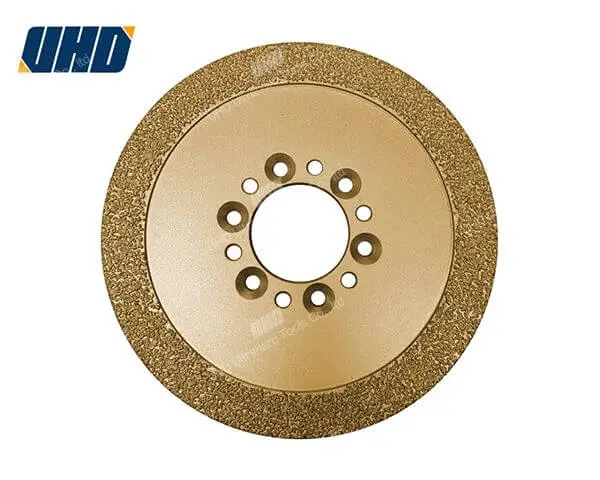
  • Refined Brazing Techniques: Precision brazing ensures tight bonding between diamond segments and the blade core, diminishing micro-movements that cause vibration.

These structural refinements allow the 400H blade to maintain a more consistent cutting path with less noise, leading to fewer operational interruptions and longer service life.

Real-World Vibration Patterns Across Different Work Conditions

Field testing reveals how various jobsite factors affect vibration levels for the 400H blade. When comparing dry cutting on sandstone versus wet cutting on granite, vibration intensity varied considerably. For instance, dry cutting sandstone typically registered vibration amplitudes 25% higher than wet granite operations due to increased brittleness and dust interference.

Worker Insight: “You can actually feel when the blade’s off-balance—vibration changes not just in strength but frequency. Fixing the clamp tightness early saves us days of downtime.” – Veteran Stone Cutter, Midwest USA

Detecting Vibration Issues: Hearing & Feeling Abnormal Signals

Experienced operators rely on auditory and tactile cues to spot abnormal vibrations:

  • Auditory Signs: Unusual buzzing or rattling noises during cutting indicate segment loosening or uneven wear.
  • Touch Feedback: Consistent shaking beyond the normal baseline felt at the machine handle signals imbalance or substrate deformation.

Integrating these sensory diagnostics into daily checks enables faster response and adjustment, reducing blade failures by an estimated up to 30%.

Vibration spectrum comparison of 400H diamond saw blade under various cutting conditions

Improving Stability Through Fixture Adjustment

Achieving optimal vibration control is not solely about blade design; fixture setup plays a crucial role. Loose or misaligned clamps can exacerbate blade oscillations:

  • Consistent Clamp Pressure: Ensuring uniform tightening avoids localized stress points.
  • Alignment Accuracy: Precise positioning prevents lateral blade movement that triggers vibrational spikes.

Regular fixture inspections and retraining operators on clamp adjustments contribute significantly to extending blade life and improving cut quality.
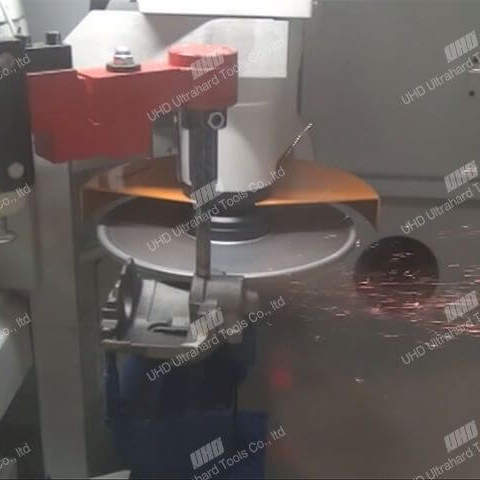
Proper clamp fixture setup enhancing blade stability on construction site

From Technical Details to Operating Habits: Empowering Users for Self-Maintenance

Developing a disciplined maintenance routine based on vibration signals equips site teams to proactively protect valuable equipment. The transition from identifying technical parameters to internalizing them as daily habits enhances operational safety and equipment longevity. As one foreman put it:

Foreman’s Words: “Teaching crews to listen and feel the blade’s behavior has cut replacement costs by almost half. Tools like the 400H give us a fighting chance in tight schedules.”
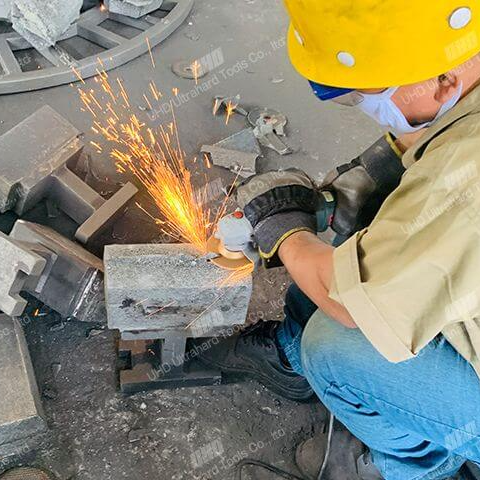
Construction workers performing vibration checks on diamond saw blade at site

You ever encountered unexpected blade vibration that slowed your workflow? Learning to trust your senses and implementing structured adjustments can transform your cutting operations.

Discover how precision-engineered solutions like the 400H diamond saw blade empower construction teams to say goodbye to frequent blade changes and downtime: Explore Advanced Cutting Stability Solutions Now


Recommended Products
Hot Products
Contact us
Contact us
https://shmuker.oss-cn-hangzhou.aliyuncs.com/tmp/temporary/60ec5bd7f8d5a86c84ef79f2/60ec5bdcf8d5a86c84ef7a9a/thumb-prev.png