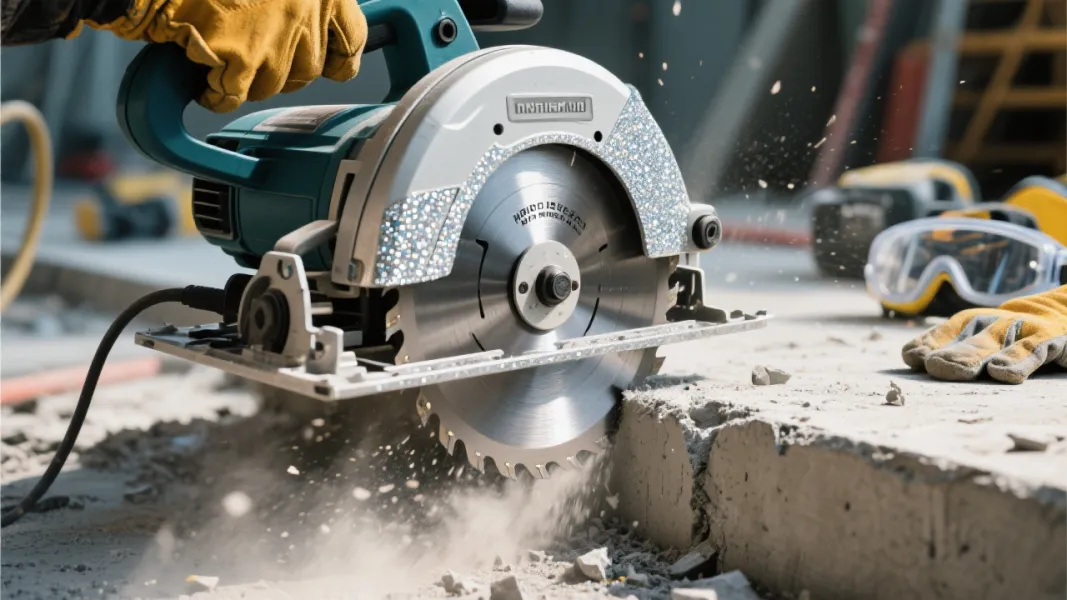
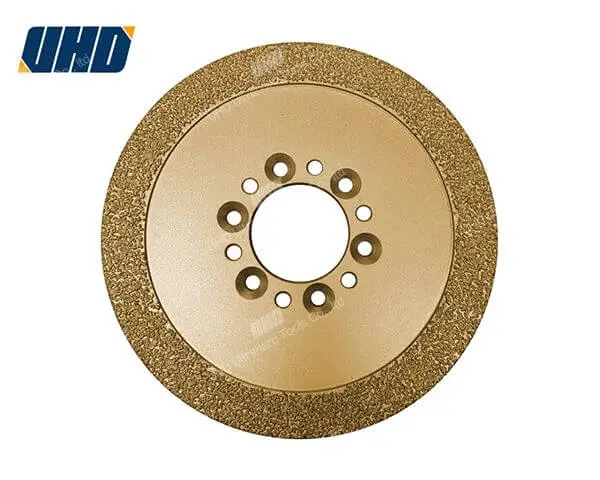
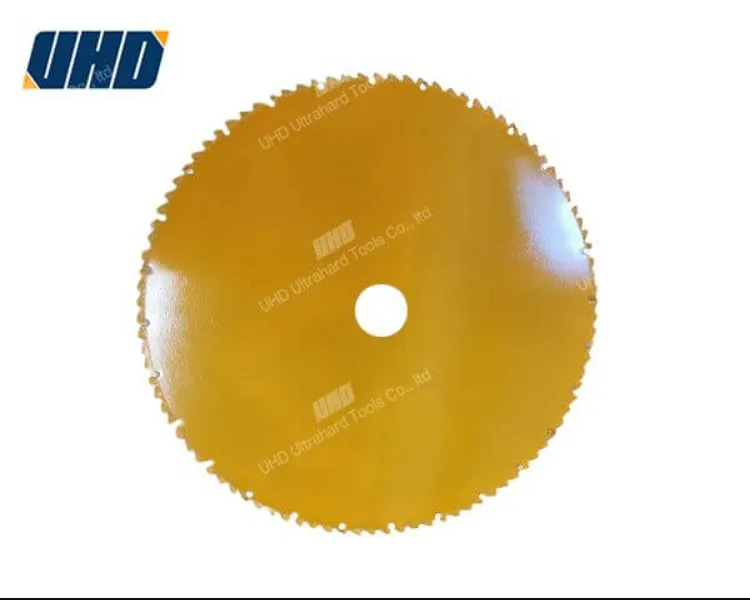
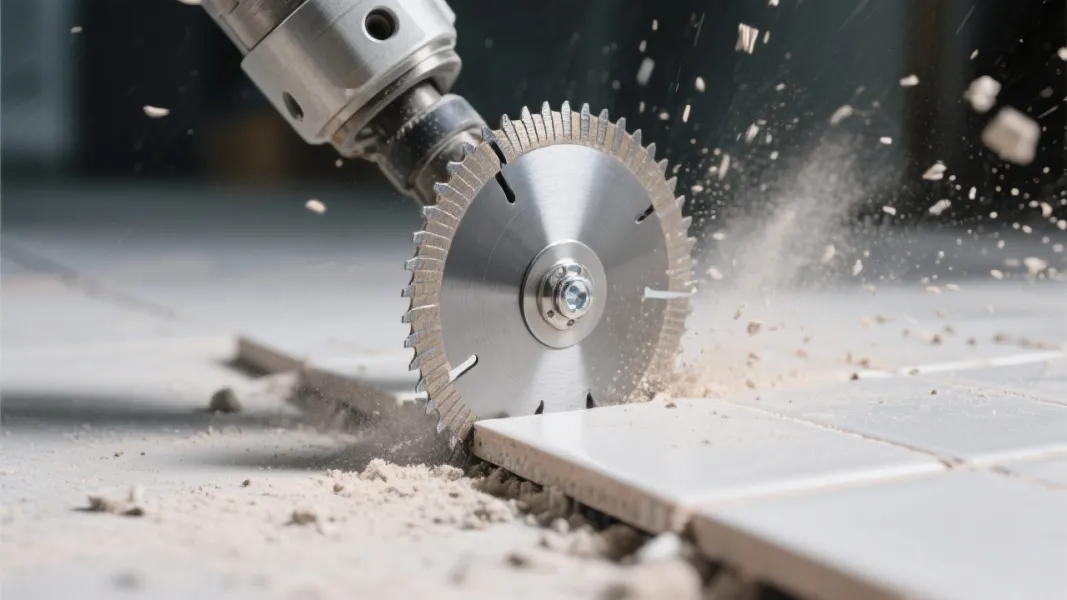
As global regulations tighten and worker safety becomes a top priority, manufacturers are shifting toward eco-friendly cutting solutions that reduce airborne particulates—especially in stone, tile, and concrete processing industries. The ZS400H brazed diamond saw blade stands out as a high-performance, low-dust alternative to traditional blades, offering measurable improvements in both environmental impact and operational efficiency.
The key lies in three engineered features:
While wet cutting remains the gold standard for dust suppression—reducing airborne particles by over 90%—it requires water management, drainage systems, and regular maintenance. For many small- to mid-scale operations, especially in arid regions or mobile setups, dry cutting with low-dust technology like ZS400H offers a practical compromise.
In controlled tests, ZS400H achieved a 65% reduction in dust emissions under dry conditions versus conventional blades. When combined with proper airflow extraction (e.g., local exhaust ventilation), even minimal water use can enhance performance without compromising portability or cost-efficiency.
To maintain optimal cutting quality and extend blade life:
Pro Tip: A well-maintained ZS400H blade not only cuts cleaner—it also lasts longer, saving time and money while meeting EHS compliance standards across EU, North America, and GCC markets.
If you're looking to upgrade your cutting process with proven green tech that delivers real-world results, explore how the ZS400H can transform your workflow—from safer working environments to higher throughput and better product consistency.
 76
|
76
|
 ZS400H diamond saw blade
industrial cutting blade
cutting complex workpieces
cost reduction
high-performance saw blade
ZS400H diamond saw blade
industrial cutting blade
cutting complex workpieces
cost reduction
high-performance saw blade
 143
|
400mm diamond blade cutting mode
dry vs wet cutting for stone
brazed diamond saw blade
construction site cutting techniques
stone processing blade selection
143
|
400mm diamond blade cutting mode
dry vs wet cutting for stone
brazed diamond saw blade
construction site cutting techniques
stone processing blade selection
 207
|
High-performance cutting saw blades
Brazed diamond saw blades
ZS400H saw blades
Industrial cutting solutions
Environmentally friendly cutting tools
491
|
400H brazed diamond saw blade
noise reduction saw blade
vibration control diamond blade
high-efficiency diamond blade
brazing technology for diamond tools
207
|
High-performance cutting saw blades
Brazed diamond saw blades
ZS400H saw blades
Industrial cutting solutions
Environmentally friendly cutting tools
491
|
400H brazed diamond saw blade
noise reduction saw blade
vibration control diamond blade
high-efficiency diamond blade
brazing technology for diamond tools
 301
|
400mm brazed diamond blade
concrete cutting blade selection
bridge repair tools
brazing vs welding in diamond blades
high-hardness material cutting
301
|
400mm brazed diamond blade
concrete cutting blade selection
bridge repair tools
brazing vs welding in diamond blades
high-hardness material cutting