In modern industrial manufacturing, dust generated during the cutting process has long been a major concern. Excessive dust not only poses a threat to the environment but also endangers the health of workers. Therefore, finding a saw blade that can effectively reduce dust emissions has become an urgent need for many enterprises. This article will in-depth analyze how the high-end ZS400H brazed diamond saw blade reduces dust emissions during the cutting process.
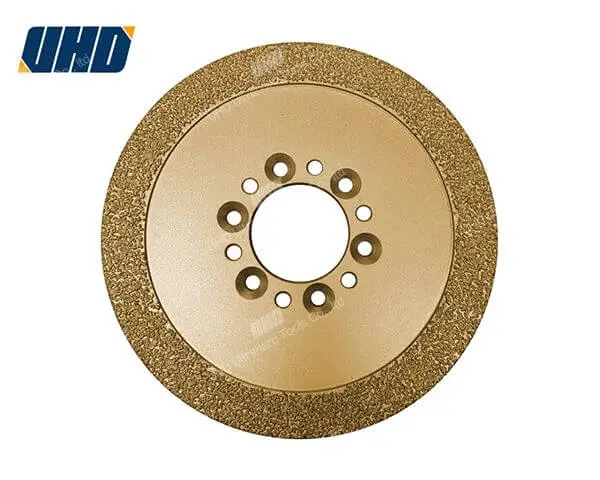
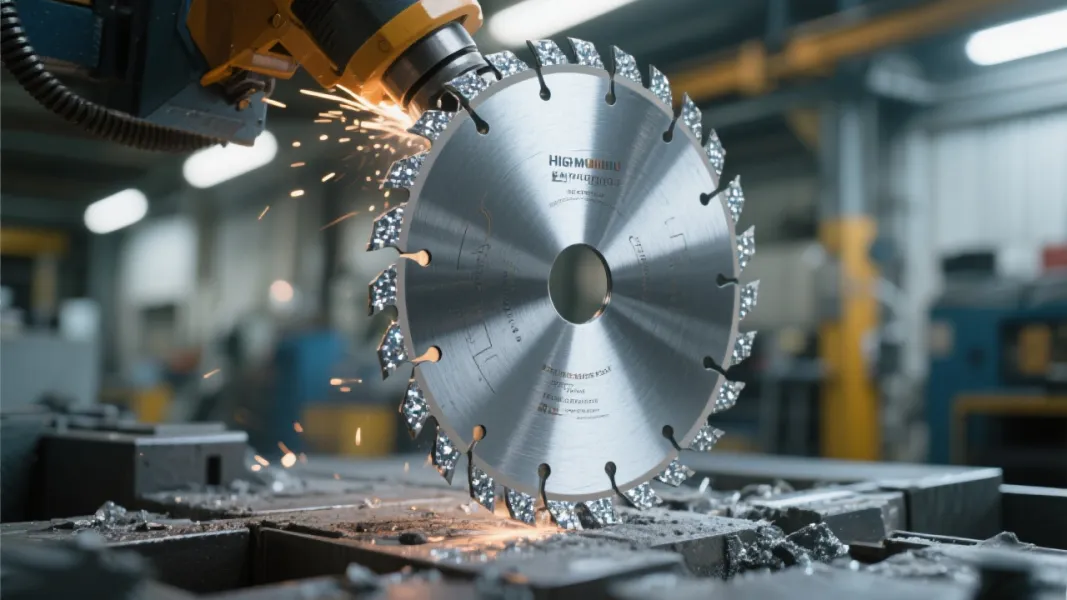
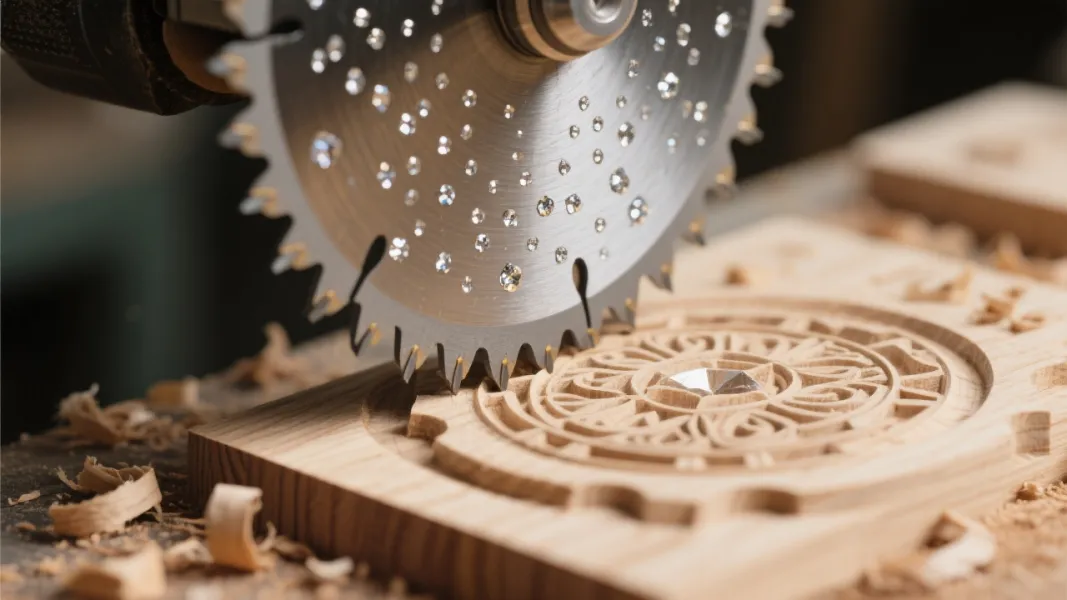
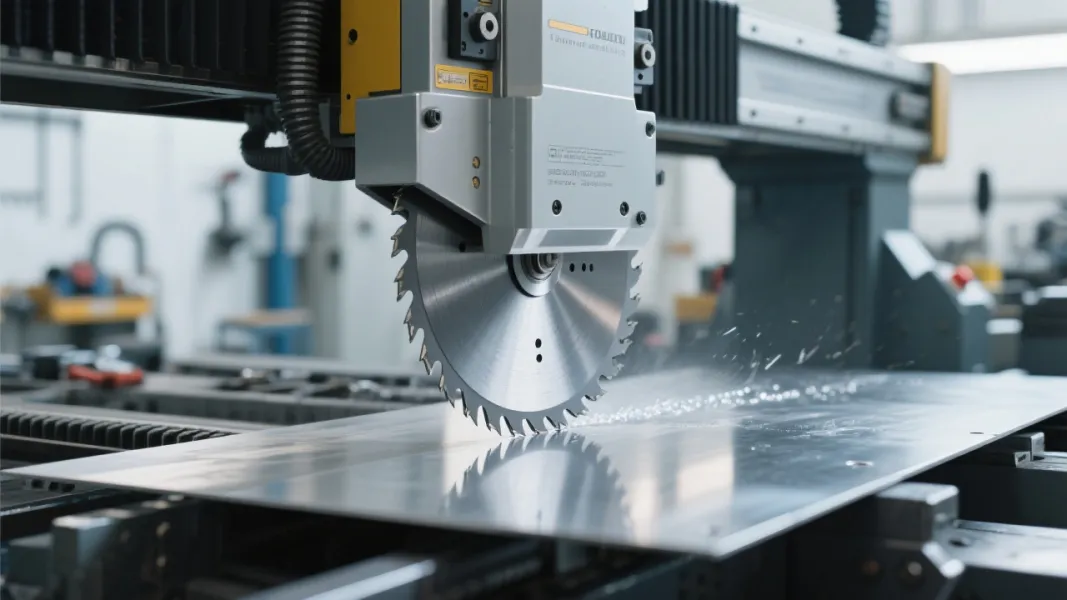
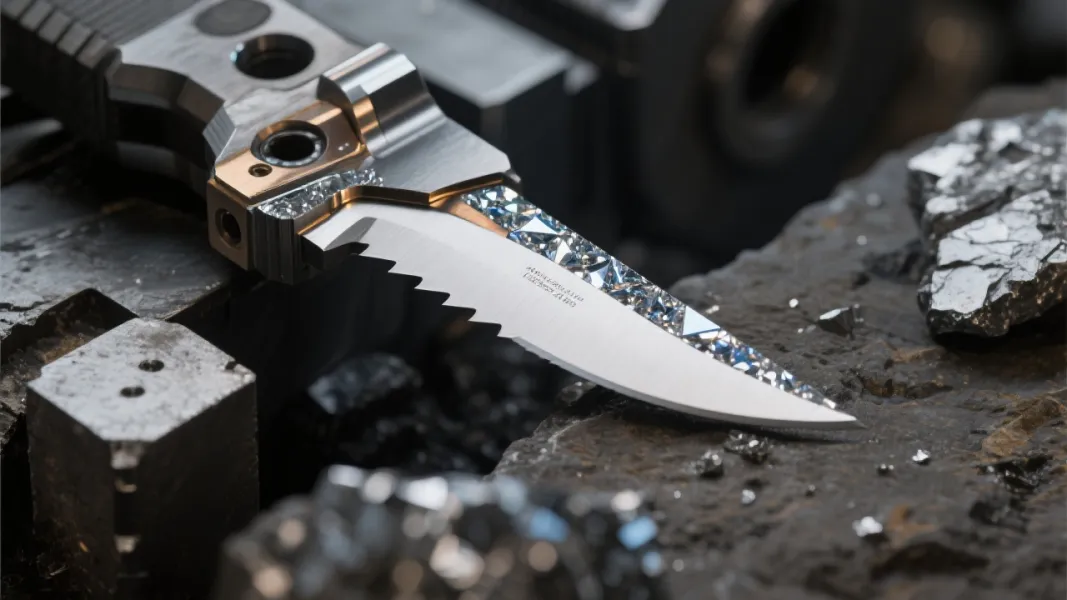
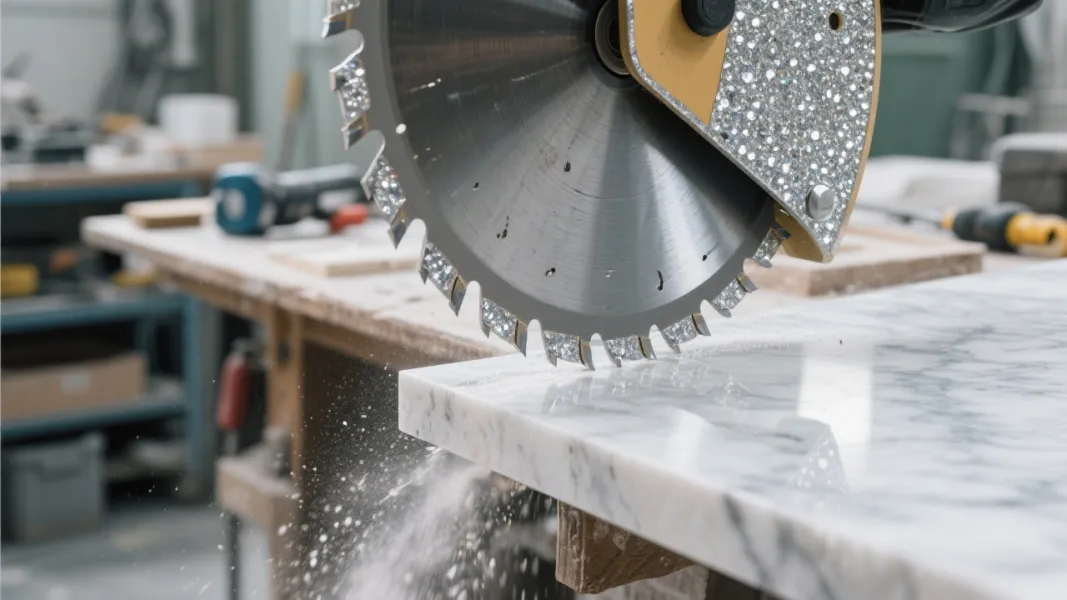
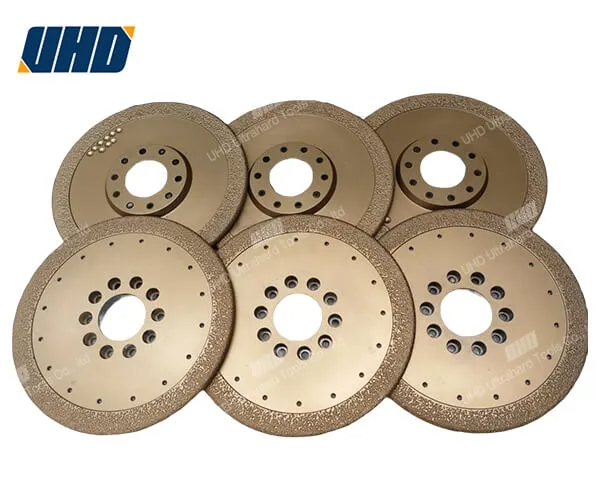
The ZS400H brazed diamond saw blade is equipped with high-density diamond particles, which can significantly improve the cutting efficiency. Traditional saw blades often generate a large amount of dust due to low cutting efficiency and uneven cutting. In contrast, the high-density diamond particles of the ZS400H saw blade can quickly and accurately cut through the material, reducing the friction and extrusion between the saw blade and the material, thereby greatly reducing dust generation. According to tests, compared with ordinary saw blades, the ZS400H saw blade can reduce dust emissions by up to 60% under the same cutting conditions.
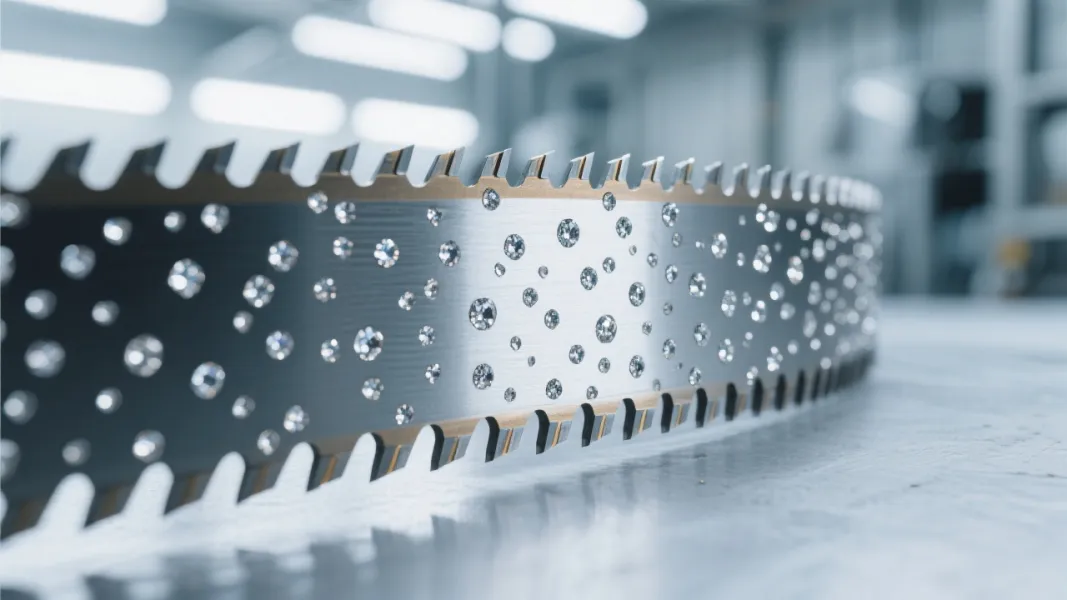
In addition, the precision tooth profile design of the saw blade also plays a crucial role. The reasonably designed tooth profile can make the cutting process smoother, reduce the fragmentation and grinding of the material, and further reduce dust generation.
The ZS400H saw blade uses a high-quality manganese steel substrate, which has high strength and excellent stability. During the cutting process, the stable substrate can maintain the correct shape of the saw blade, prevent the saw blade from vibrating and deviating, thereby ensuring the cutting quality and reducing dust generation. At the same time, the optimized chip flute design can quickly and effectively discharge the chips generated during the cutting process, avoiding chip accumulation and secondary dust generation, further improving the cutting efficiency and environmental protection performance.
In practical applications, the ZS400H saw blade can be used in both dry and wet cutting conditions. In dry cutting conditions, the high-density diamond particles and precision tooth profile design can effectively reduce dust emissions, but the dust concentration may still be relatively high due to the lack of water for dust suppression. In wet cutting conditions, water can play a role in dust suppression and cooling, further reducing dust emissions. Tests show that in wet cutting conditions, the dust emissions of the ZS400H saw blade can be reduced by more than 80% compared with dry cutting conditions.
In order to maintain the low-dust performance of the ZS400H saw blade, regular maintenance is essential. For example, cleaning the chip flutes regularly to ensure smooth chip discharge, and choosing the appropriate cooling method according to the cutting material and working conditions. In dry cutting conditions, a dust collector can be used to collect dust; in wet cutting conditions, the water quality and water flow should be ensured to achieve the best dust suppression and cooling effects.
In conclusion, the ZS400H brazed diamond saw blade, through its high-density diamond particles, precision tooth profile design, stable manganese steel substrate, and optimized chip flute design, can significantly reduce dust emissions during the cutting process. Whether in dry or wet cutting conditions, it can meet the needs of modern industry for green production and occupational health. If you are looking for a low-dust saw blade and an environmentally friendly cutting solution, the ZS400H saw blade is definitely a good choice. Learn more about efficient and environmentally friendly cutting solutions.

 228
|
228
|
 diamond saw blade substrate material
vibration reduction in saw blades
construction site saw blade selection
brazed diamond blade performance optimization
cutting efficiency and blade life
198
|
400mm diamond blade
dry cutting optimization
brazed diamond saw blade
municipal construction cutting
water-scarce environment cutting
diamond saw blade substrate material
vibration reduction in saw blades
construction site saw blade selection
brazed diamond blade performance optimization
cutting efficiency and blade life
198
|
400mm diamond blade
dry cutting optimization
brazed diamond saw blade
municipal construction cutting
water-scarce environment cutting
 43
|
ZS400H brazed diamond blade
industrial cutting blade
cutting complex workpieces
high-performance blade
eco-friendly blade
299
|
400mm diamond saw blade usage methods
dry cutting vs wet cutting
brazed diamond saw blade application techniques
saw blade lifespan extension strategies
stone cutting construction solutions
43
|
ZS400H brazed diamond blade
industrial cutting blade
cutting complex workpieces
high-performance blade
eco-friendly blade
299
|
400mm diamond saw blade usage methods
dry cutting vs wet cutting
brazed diamond saw blade application techniques
saw blade lifespan extension strategies
stone cutting construction solutions
 433
|
Saw blade vibration control
Diamond saw blade design
Cutting noise reduction
400mm saw blade performance
Brazing process optimization
433
|
Saw blade vibration control
Diamond saw blade design
Cutting noise reduction
400mm saw blade performance
Brazing process optimization









.png?x-oss-process=image/resize,h_600,m_lfit/format,webp)