In today’s manufacturing environments, airborne particulate matter from cutting operations is not just a nuisance—it’s a compliance and health issue. According to OSHA, exposure to silica dust above 50 µg/m³ over an 8-hour shift can lead to chronic respiratory diseases like silicosis. For factories using abrasive tools daily, choosing the right blade isn’t just about performance—it’s about protecting workers and staying compliant.
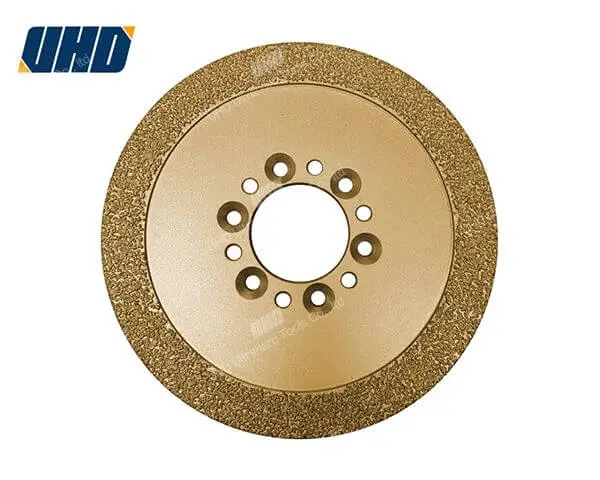
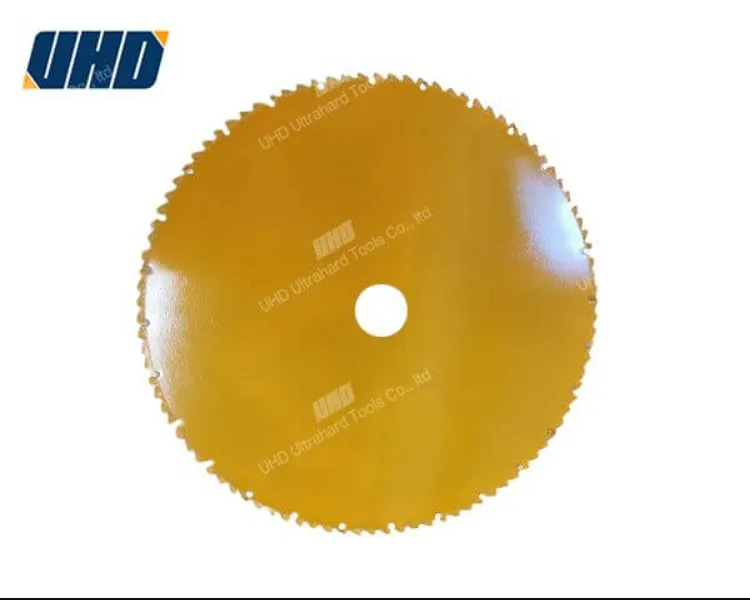
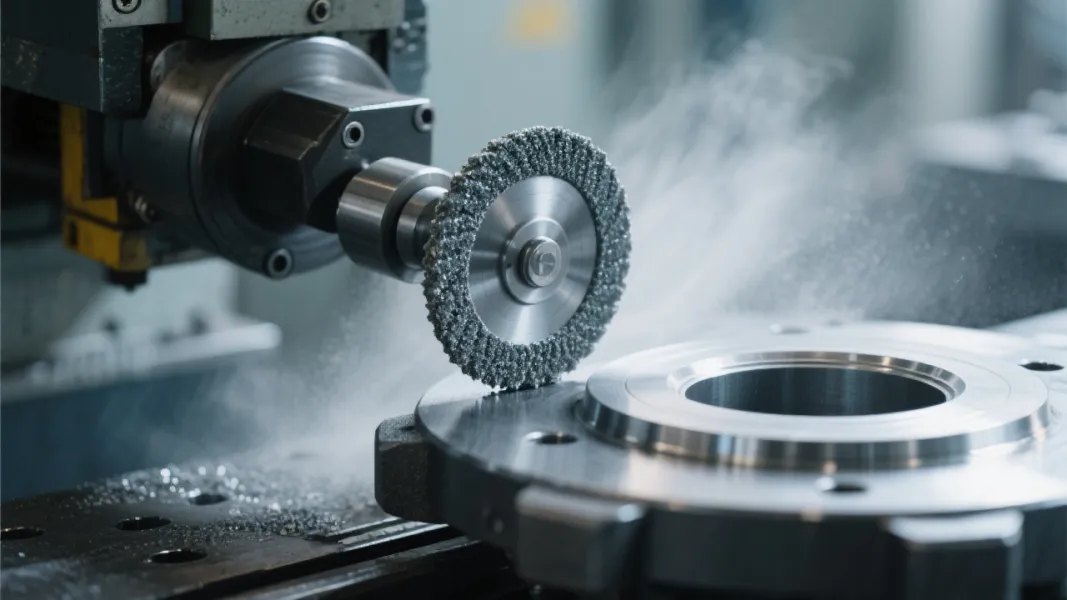
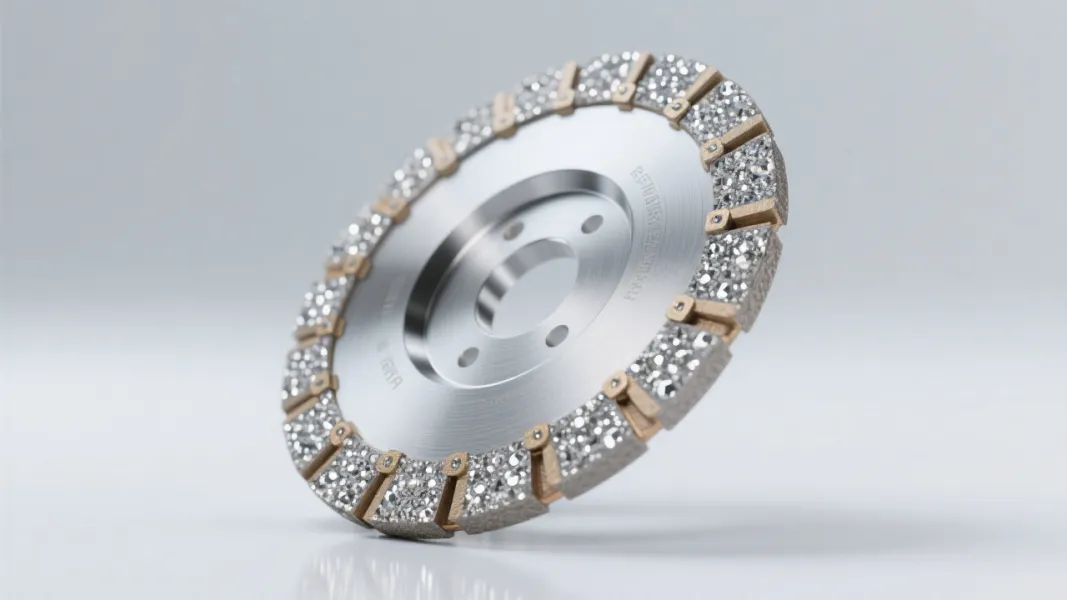
High-performance blades like the ZS400H钎焊金刚石锯片 (sintered diamond blade) reduce dust through three key engineering principles:
Industry data shows that properly designed dry-cutting blades can reduce airborne dust by up to 70% compared to standard ones—without sacrificing cutting speed.
Each method has its place depending on material type, environment, and process goals:
| Scenario | Recommended Method | Expected Dust Reduction |
|---|---|---|
| Concrete & Masonry (indoor) | Wet Cutting | ~85% |
| Stone Fabrication (shop floor) | Dry Cutting with ZS400H | ~70% |
| Outdoor Construction | Dry Cutting | ~65% |
To maximize blade life and minimize emissions:
One European stone workshop reported a 40% drop in employee complaints about breathing issues after switching to ZS400H blades and implementing routine cleaning schedules—a clear win for both productivity and well-being.
Want to see how this works in your specific operation?
Download our free “Green Cutting Guide” with case studies, maintenance checklists, and blade selection matrix — tailored for manufacturers like yours.
Explore Efficient, Low-Dust Cutting Solutions
 426
|
426
|
 400mm brazed diamond blade
wet vs dry cutting
diamond blade durability
brazed blade cooling strategy
stone cutting optimization
391
|
Brazed diamond saw blade
400mm saw blade
Wear-resistant saw blade comparison
Wet and dry dual-purpose saw blade
Stone cutting tool
37
|
stainless steel cutting
diamond saw blades
brazed saw blades
cutting optimization
blade lifespan enhancement
400mm brazed diamond blade
wet vs dry cutting
diamond blade durability
brazed blade cooling strategy
stone cutting optimization
391
|
Brazed diamond saw blade
400mm saw blade
Wear-resistant saw blade comparison
Wet and dry dual-purpose saw blade
Stone cutting tool
37
|
stainless steel cutting
diamond saw blades
brazed saw blades
cutting optimization
blade lifespan enhancement
 381
|
industrial cutting tools
diamond cutting tools
metalworking solutions
superhard material tools
customized cutting tools
450
|
diamond saw blade performance
brazed diamond blade design
rotational speed optimization
vibration reduction in cutting
cutting efficiency improvement
381
|
industrial cutting tools
diamond cutting tools
metalworking solutions
superhard material tools
customized cutting tools
450
|
diamond saw blade performance
brazed diamond blade design
rotational speed optimization
vibration reduction in cutting
cutting efficiency improvement