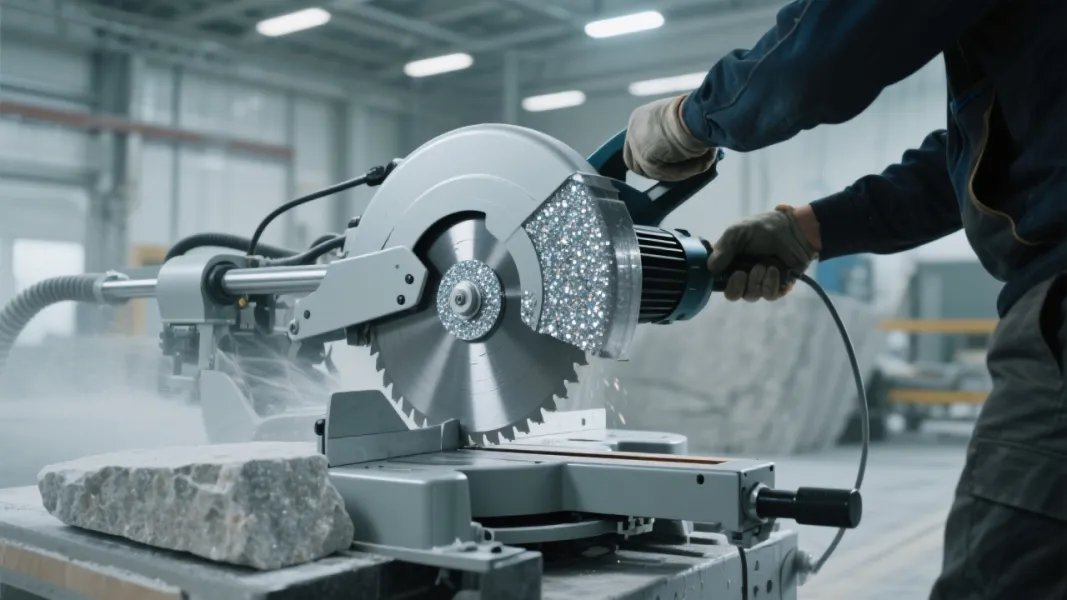
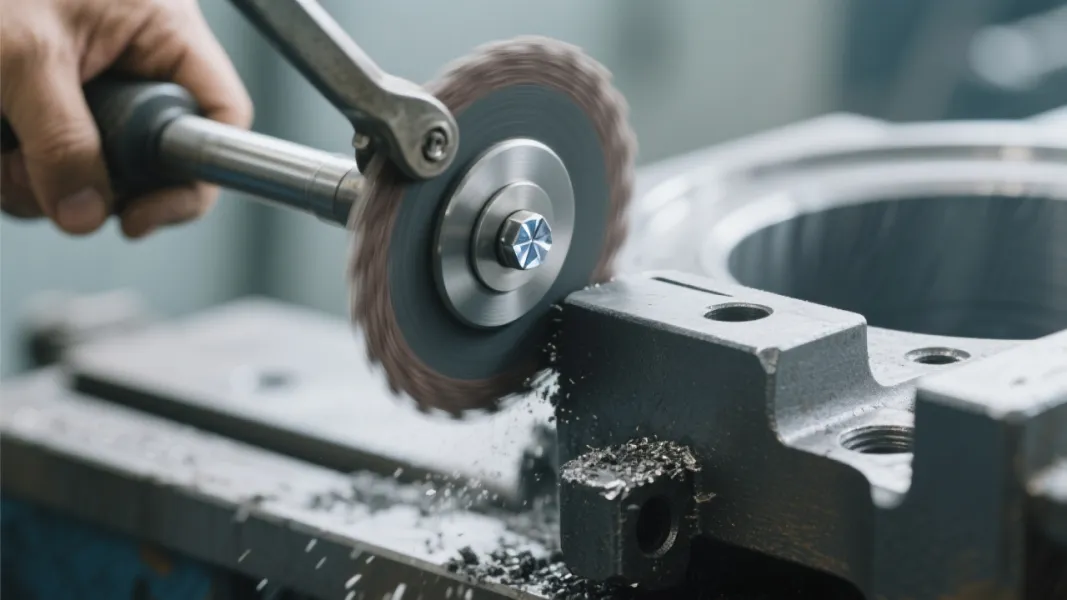
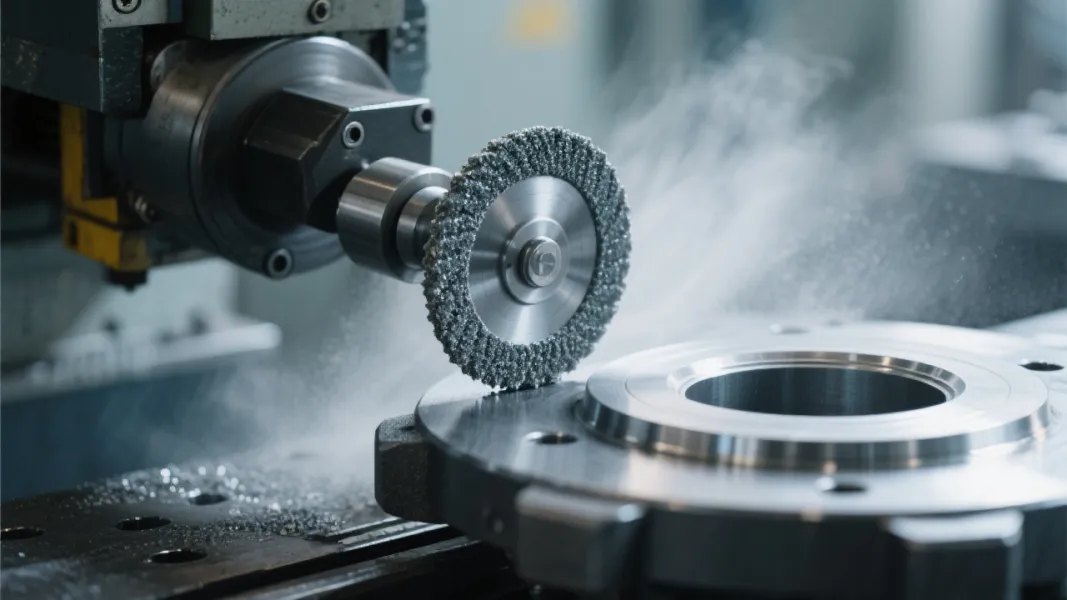
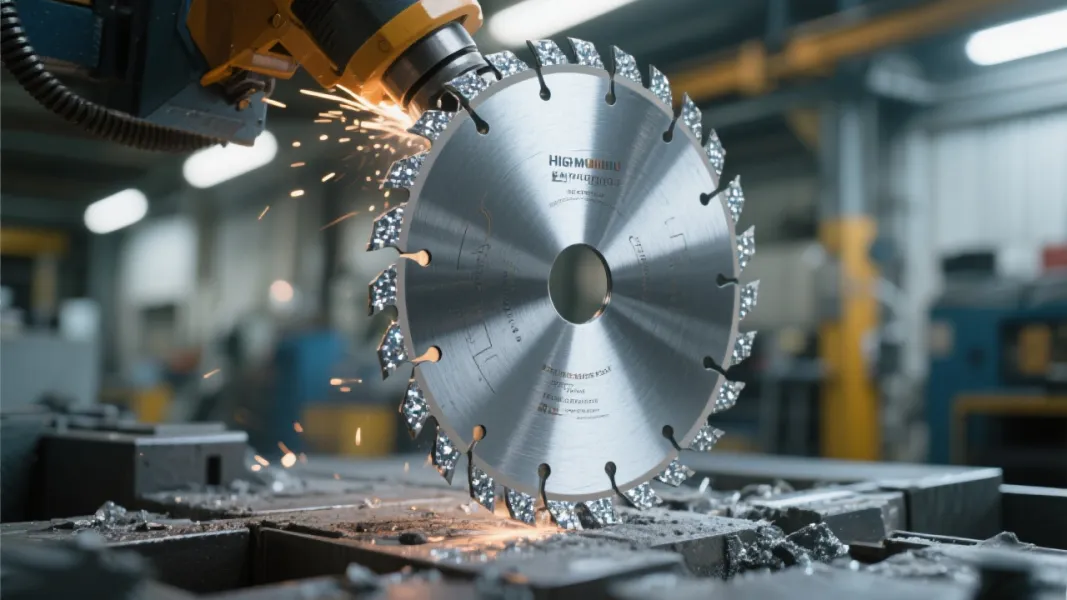
If you're working with a 400mm brazed diamond saw blade, one question keeps coming up: Should I cut dry or wet? This isn't just a preference—it's a decision that impacts your productivity, equipment lifespan, and even worker safety.
In construction sites, stone fabrication shops, and municipal projects, choosing the wrong method can lead to premature blade wear, excessive dust exposure, and costly downtime. According to a 2023 survey by the International Construction Safety Association, over 65% of operators reported increased tool failure when switching between dry and wet cutting without proper adjustment—especially in high-humidity environments where moisture affects heat dissipation.
Let’s break it down clearly—with real-world insights from field engineers and actual job site data.
| Factor | Dry Cutting | Wet Cutting |
|---|---|---|
| Dust Emission (approx.) | High – up to 70% more than wet | Low – typically under 20% |
| Blade Life (avg.) | ~8–12 hours per blade | ~15–20 hours per blade |
| Cutting Speed | Faster (no water resistance) | Slightly slower due to water drag |
| Equipment Wear | Higher motor strain & bearing stress | Lower overall mechanical load |
Expert Insight: “In our Dubai project last year, we saw a 40% drop in blade replacements after switching to wet cutting—even though initial setup took longer.” — Ahmed Khalifa, Site Manager, Al-Farouq Construction
Don’t guess—decide using this quick flow:
The key takeaway? 400H saw blades are engineered for both modes thanks to their advanced brazing process—providing consistent performance whether you’re cutting dry or wet. But remember: consistency matters. Don’t switch mid-job unless you adjust RPMs accordingly.
Many assume "wet = always better." Not true. In cold climates or low-humidity areas, water evaporates too fast to cool effectively—leading to overheating. Also, improper water pressure (below 3 bar) reduces cooling efficiency by up to 40%, according to a study by the German Institute for Materials Testing.
To improve execution, consider portable water tanks or integrated dust extraction systems—they make wet cutting feasible even in remote locations.
You don’t have to choose between speed and safety—you just need the right knowledge. Whether you’re managing a team or running your own shop, making the smart call now saves time, money, and headaches later.
Get our free downloadable flowchart + expert checklist for selecting the best cutting method for your next project.
Download Now →
 354
|
354
|
 ZS400H brazed diamond blade
traditional resin blades
industrial manufacturing
cost reduction and efficiency enhancement
blade comparison
ZS400H brazed diamond blade
traditional resin blades
industrial manufacturing
cost reduction and efficiency enhancement
blade comparison
 285
|
400mm diamond saw blade
dry and wet cutting selection
brazed diamond saw blade
construction site cutting
saw blade usage tips
285
|
400mm diamond saw blade
dry and wet cutting selection
brazed diamond saw blade
construction site cutting
saw blade usage tips
 199
|
diamond cutting tools
vacuum brazing technology
metal and stone cutting tools
high-performance cutting tools
UHD superhard alloy
199
|
diamond cutting tools
vacuum brazing technology
metal and stone cutting tools
high-performance cutting tools
UHD superhard alloy
 270
|
ZS400H brazed diamond saw blade
industrial cutting blades
high-performance saw blades
cutting efficiency improvement
durable cutting tools
421
|
400mm brazed diamond saw blade
concrete cutting saw blade selection
brazing process advantages
segment wear identification
cooling solutions
270
|
ZS400H brazed diamond saw blade
industrial cutting blades
high-performance saw blades
cutting efficiency improvement
durable cutting tools
421
|
400mm brazed diamond saw blade
concrete cutting saw blade selection
brazing process advantages
segment wear identification
cooling solutions







.png?x-oss-process=image/resize,h_600,m_lfit/format,webp)