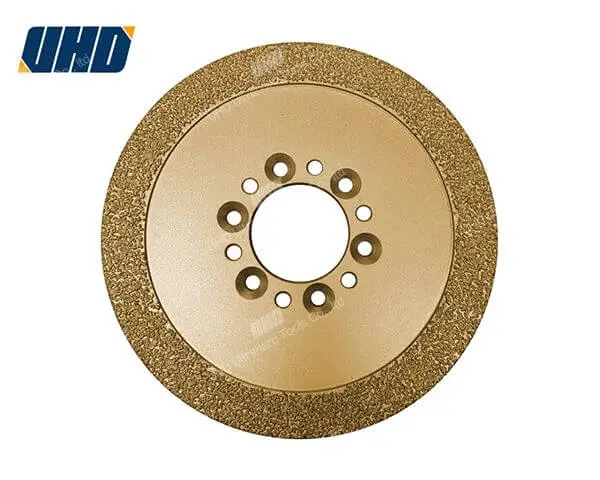
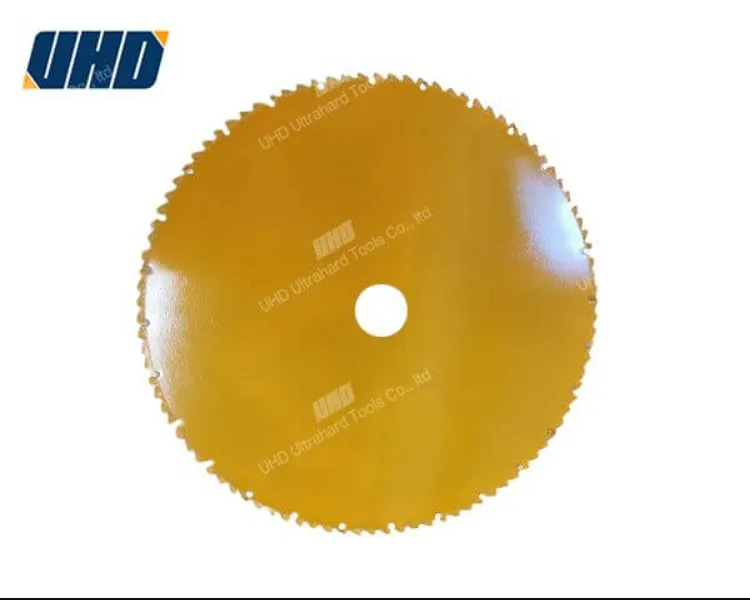
When it comes to concrete cutting, the choice between dry cutting and wet cutting can greatly influence your project's success in terms of blade longevity, cutting speed, and operator safety. Understanding the operational nuances of 400mm diameter tipped diamond saw blades in varied environments empowers you to make smarter decisions and increase productivity on-site.
Dry cutting relies on the inherent heat dissipation through air and intermittent chip removal, whereas wet cutting uses water as a coolant and lubricant, dramatically reducing blade temperature and dust. While wet cutting typically extends blade life by up to 30%-50%, dry cutting offers more mobility and simpler setup by eliminating water dependencies. Selecting the right method hinges on material type, job site conditions, and equipment compatibility.
The 400mm tipped diamond blades outperform smaller diameters in cutting dense materials like granite and reinforced concrete by delivering deeper cuts with fewer passes. Their larger rim diameter enhances chip clearance and reduces cutting time by approximately 20%-35%, depending on the material hardness and blade specifications. This size offers an optimal balance between torque requirements and cutting efficiency, especially crucial in demanding applications such as high-rise building demolition or bridge maintenance.
High-Rise Building Demolition: Wet cutting is preferred to minimize dust pollution and shoulder excessive heat from continuous cutting. The enhanced cooling also reduces blade wear by at least 40%, prolonging operational cycles.
Flooring and Surface Grinding: Dry cutting offers higher maneuverability in confined, indoor environments where water containment is difficult. Proper dust extraction equipment is essential for operator safety here.
Bridge Crack Repair: Both methods apply depending on accessibility; wet cutting favors outdoor, large-diameter cuts, while dry cutting suits spot repairs with portable tools.
| Feature | Brazed Tipped Blades | Traditional Welded Blades |
|---|---|---|
| Wear Resistance | Up to 50% higher | Moderate |
| Segment Stability | Superior due to uniform bonding | Prone to segment loss |
| Operational Lifespan | Up to 1.5x longer | Standard industry lifespan |
Monitoring blade wear is critical. Look for uneven segment wear, loss of diamond grit, or noticeable drop in cutting speed. Cooling strategy selection should prioritize job conditions: use wet cutting for continuous heavy-duty work and dry cutting where water is unavailable, but always employ effective dust extraction.
Extending the lifespan of your 400mm blade involves:
| Cutting Method | Average Cutting Speed (m/min) | Blade Lifespan (m of cut) | Dust Emission Level |
|---|---|---|---|
| Dry Cutting | 2.1 | 800 | High |
| Wet Cutting | 1.8 | 1200 | Low |
“For sustained operations in harsh concrete environments, selecting a brazed tipped 400mm saw blade with appropriate cooling is not just a cost-saving factor but a critical safety and productivity enabler.” – Industry Expert, Concrete Cutting Technologies Inc.
Choosing the optimal saw blade and cutting method tailored to your project improves operational longevity and site safety. The Yude 400H Brazed Diamond Saw Blade combines unmatched durability, excellent segment stability, and superior cutting performance, especially in demanding dry and wet cutting conditions. It's precisely this durable design that has made the 400H blade the top choice for over 300 major projects worldwide.