In the highly competitive manufacturing sector, maintenance costs weigh heavily on profitability, especially in metalworking industries like automotive parts and mold manufacturing. UHD explores how adopting diamond tools can strategically lower these costs by balancing tool durability and total ownership expenses. This guide walks through data-driven assessment of tool lifespan, rotational scheduling, standardized workflows, and preventive risk management—empowering manufacturers to shift from reactive repairs to proactive maintenance control.
Manufacturing enterprises typically allocate 15% to 25% of their operational budget to equipment maintenance. Unplanned downtime and frequent tool replacements due to suboptimal tooling can inflate these expenses, impacting delivery times and product quality. For firms specialized in automotive components and molds, where precision is paramount, tool failure often triggers cascading process disruptions and escalating costs.
Expert Insight: “Selecting tools not by lowest upfront price but by long-term durability and performance proves essential for controlling total cost of ownership (TCO), especially in precision metalworking.” – UHD Industry Specialist
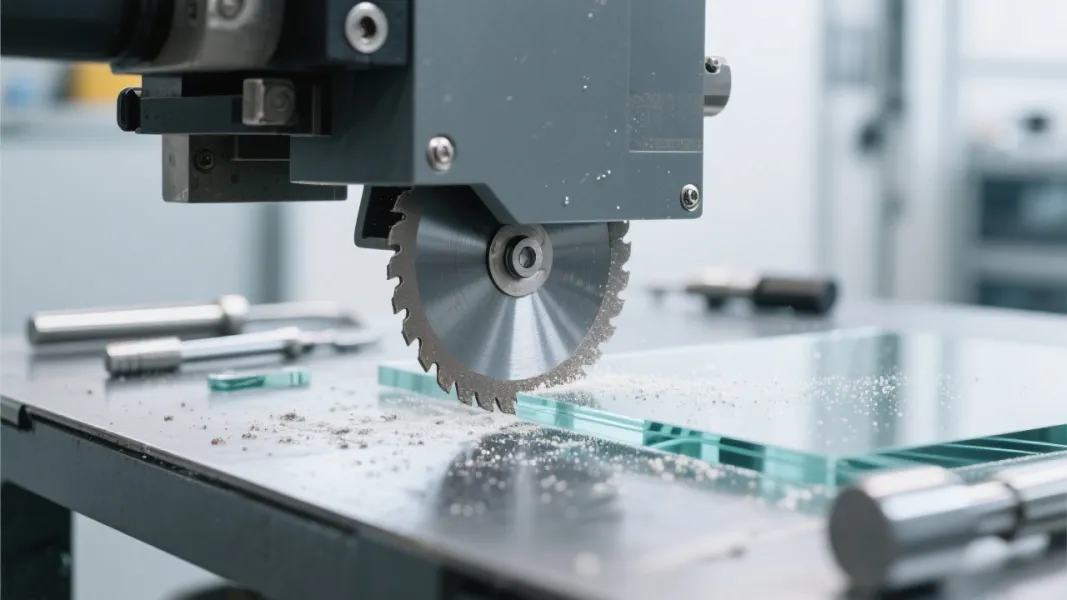
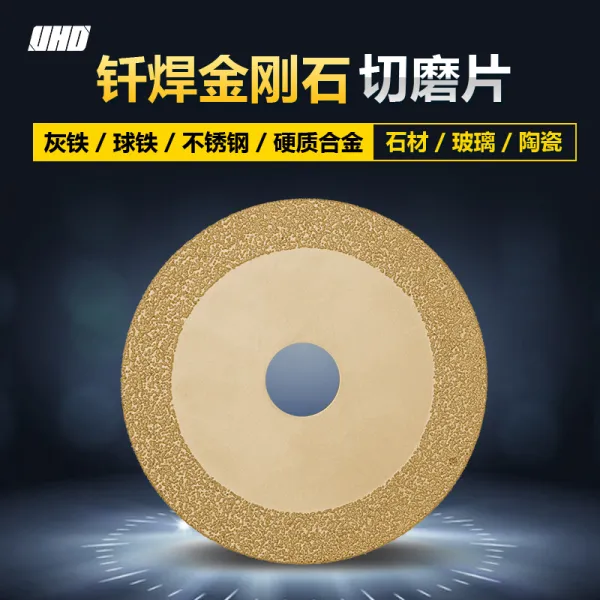
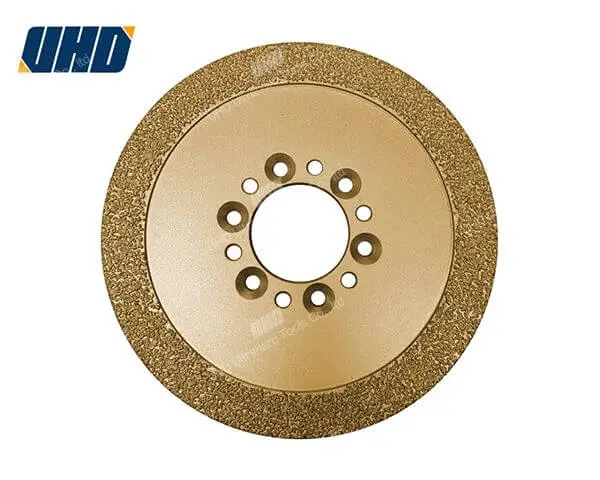
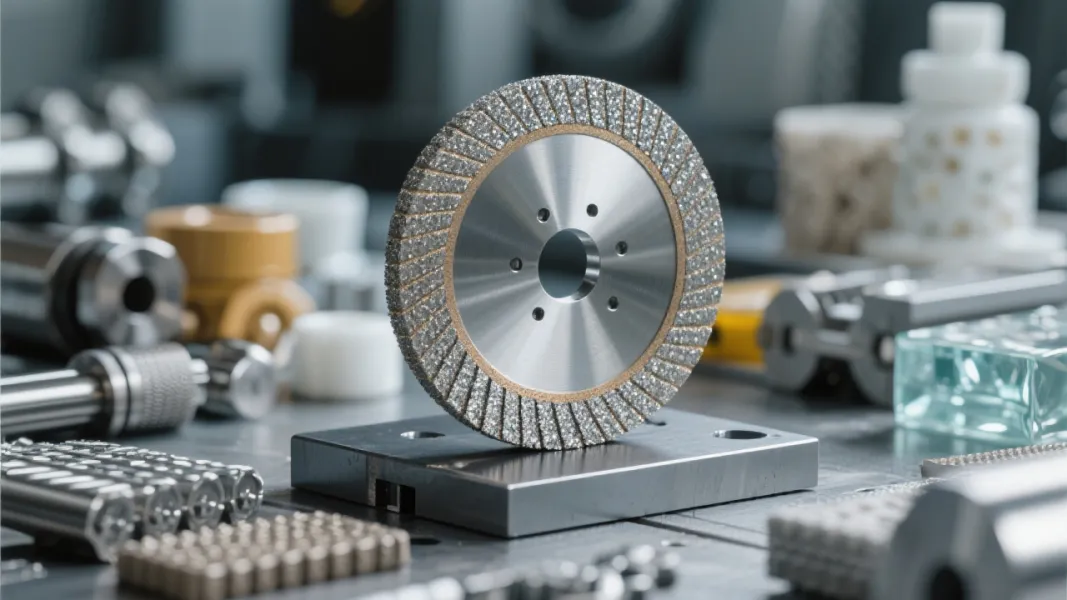
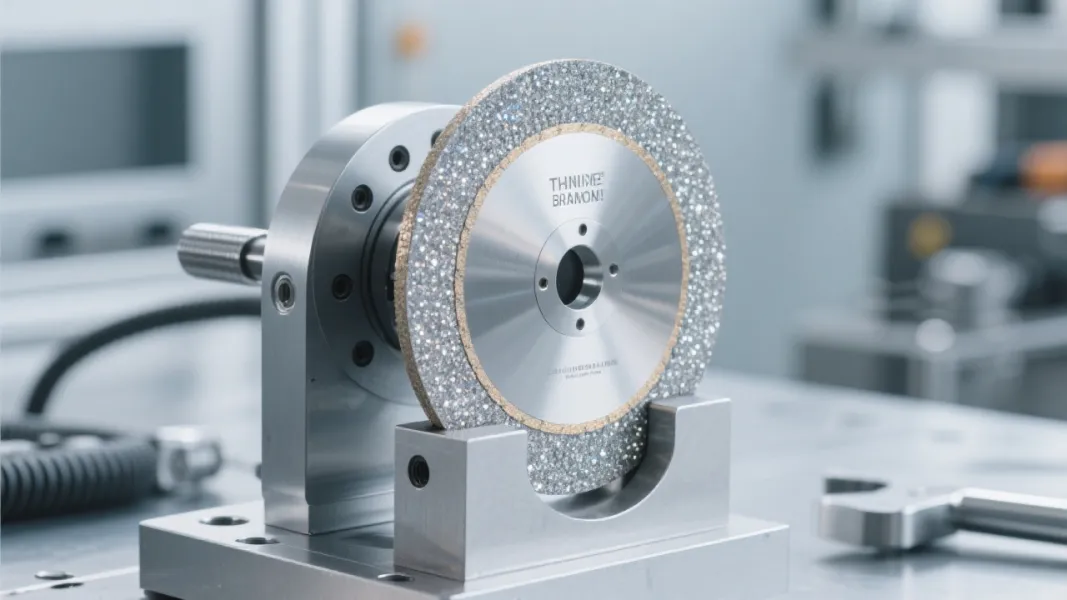
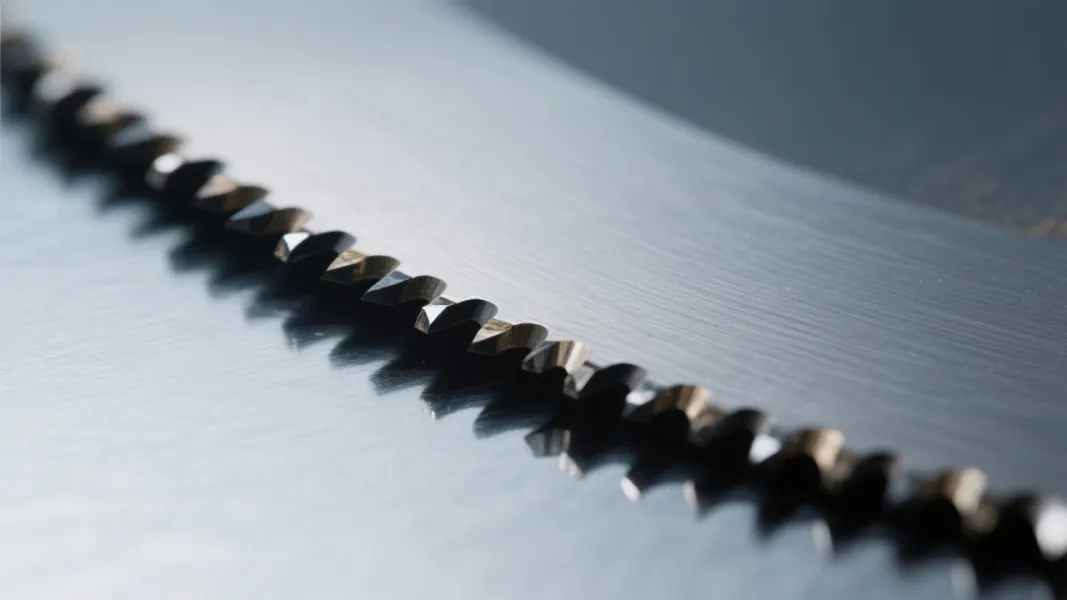
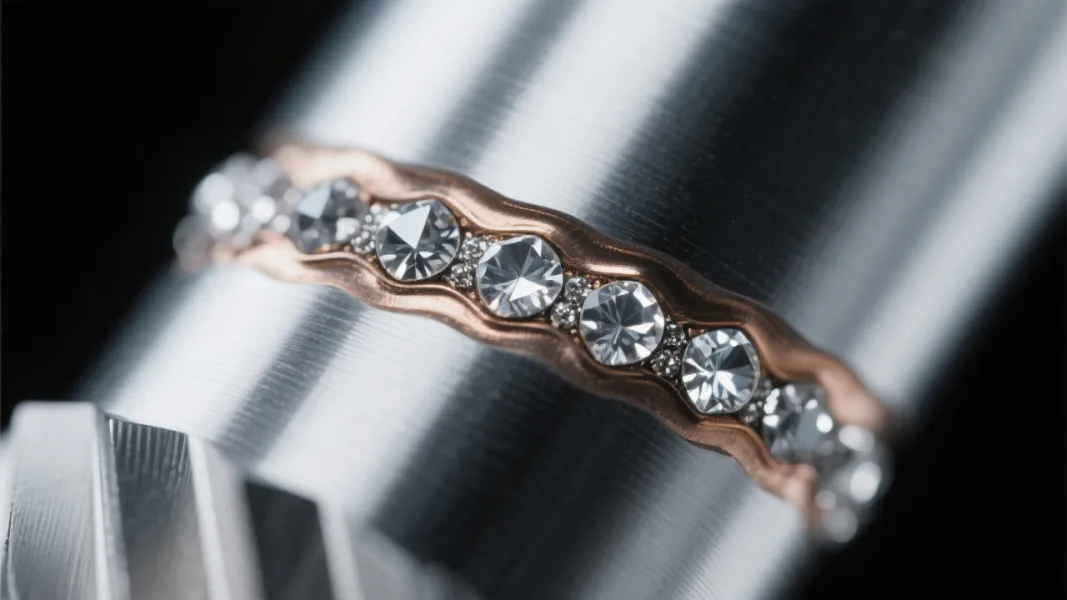
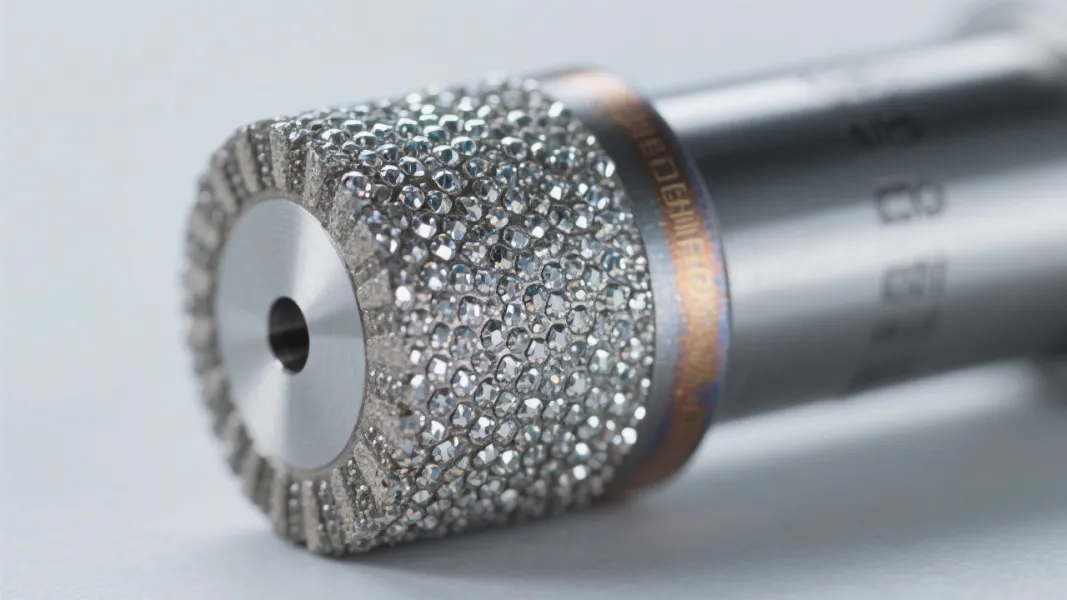
Diamond-tipped cutting and grinding tools offer superior hardness and wear resistance compared to conventional carbide or high-speed steel options. Although their initial price can be 1.5x to 2x higher, their extended service life reduces the frequency of replacements and downtime, delivering up to 20%-30% annual maintenance cost savings in practical use.
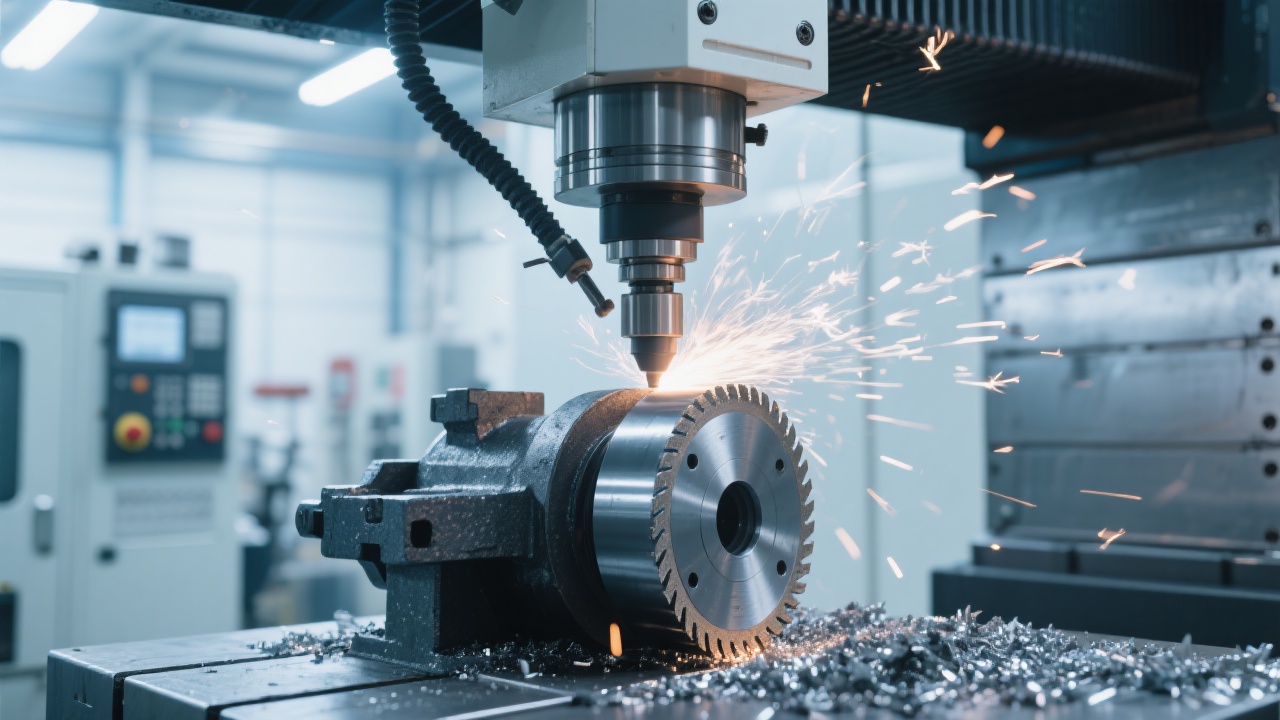
Tracking detailed historical usage data is critical. By monitoring parameters such as cutting hours, load conditions, and wear patterns, companies can reliably quantify actual tool lifespan instead of relying on manufacturer estimates alone. UHD recommends implementing a rotation schedule that cycles diamond tools before reaching end-of-life thresholds, thereby maintaining optimal cutting performance and preventing sudden breakdowns.
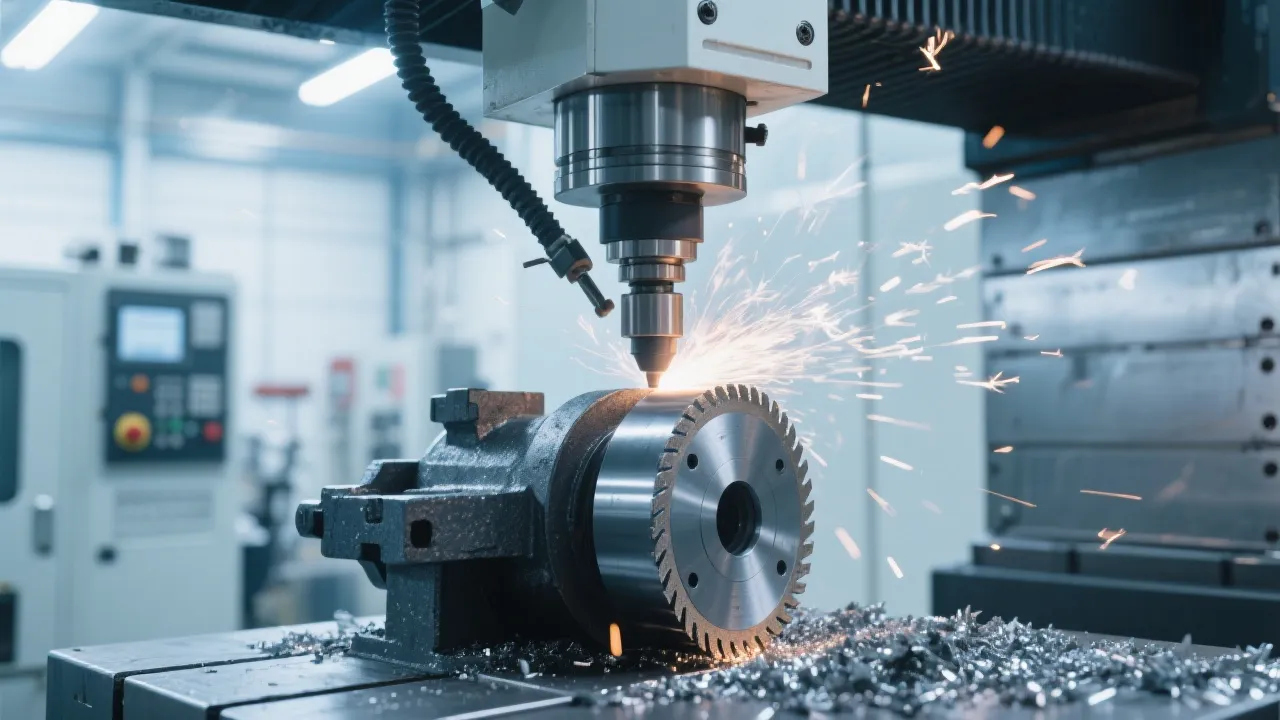
Human factors contribute significantly to tool wear variability. Designing and enforcing standardized operating procedures—including consistent feed rates, cooling strategies, and handling—reduce non-uniform tool degradation. This not only prolongs diamond tool service life but also stabilizes production quality.
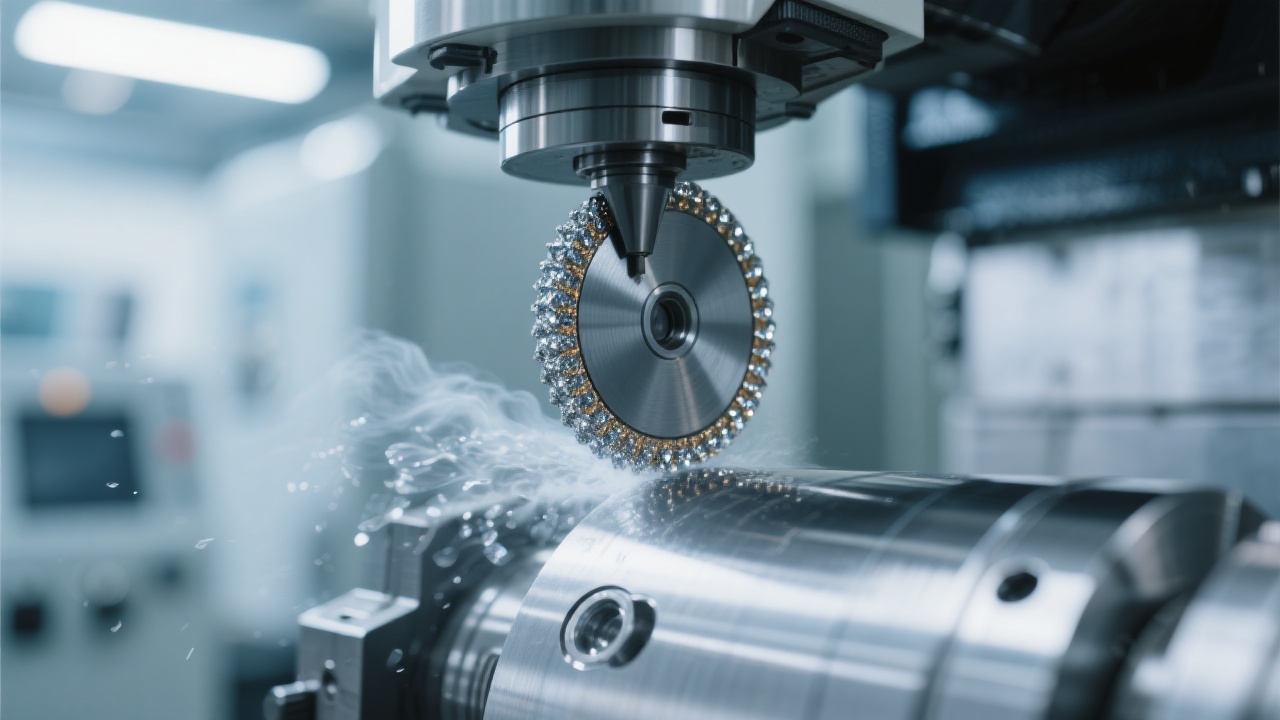
One automotive supplier reported tool failure causing mid-shift stoppages, wasting up to 10 hours monthly on emergency maintenance plus outsourcing costs for replacement parts—aggregating to nearly 18% of their maintenance budget. After switching to UHD’s diamond tooling solution combined with rotation and workflow standardization, the firm cut tool-related downtime by 65% and reduced overall maintenance spending by 22% year-on-year.
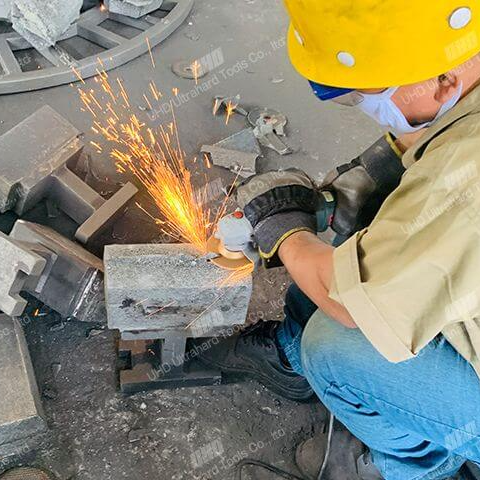
Transitioning from corrective to preventive maintenance requires embedding tool condition monitoring and process controls into daily operations. UHD advocates a predictive maintenance framework utilizing IoT sensors, wear analytics, and continuous feedback loops before critical failures emerge — transforming maintenance into a strategic asset.
Interactive Check: Does your manufacturing enterprise track tool usage data systematically? Are your maintenance strategies shifting towards predictive and preventive models?
 465
|
465
|
 Diamond cutting tools
Extreme condition performance testing
Working condition adaptation guide
Ultra - hard material tools
Cutting force monitoring
Diamond cutting tools
Extreme condition performance testing
Working condition adaptation guide
Ultra - hard material tools
Cutting force monitoring
 141
|
brazed diamond saw blade
industrial cutting efficiency
saw blade installation techniques
cutting parameter optimization
saw blade maintenance
141
|
brazed diamond saw blade
industrial cutting efficiency
saw blade installation techniques
cutting parameter optimization
saw blade maintenance
 103
|
diamond blade tooth design optimization
workshop dust reduction PM2.5
welded diamond cutting disc
green manufacturing dust control
low-dust cutting tool design
103
|
diamond blade tooth design optimization
workshop dust reduction PM2.5
welded diamond cutting disc
green manufacturing dust control
low-dust cutting tool design
 262
|
gray cast iron cutting techniques
brazed diamond blade application
complex metal cutting technology
diamond blade usage guide
high manganese steel core blades
262
|
gray cast iron cutting techniques
brazed diamond blade application
complex metal cutting technology
diamond blade usage guide
high manganese steel core blades
 142
|
tungsten carbide cutting
resin blade chipping
brazed diamond blades
ZS400H blade
wear-resistant cutting tools
142
|
tungsten carbide cutting
resin blade chipping
brazed diamond blades
ZS400H blade
wear-resistant cutting tools