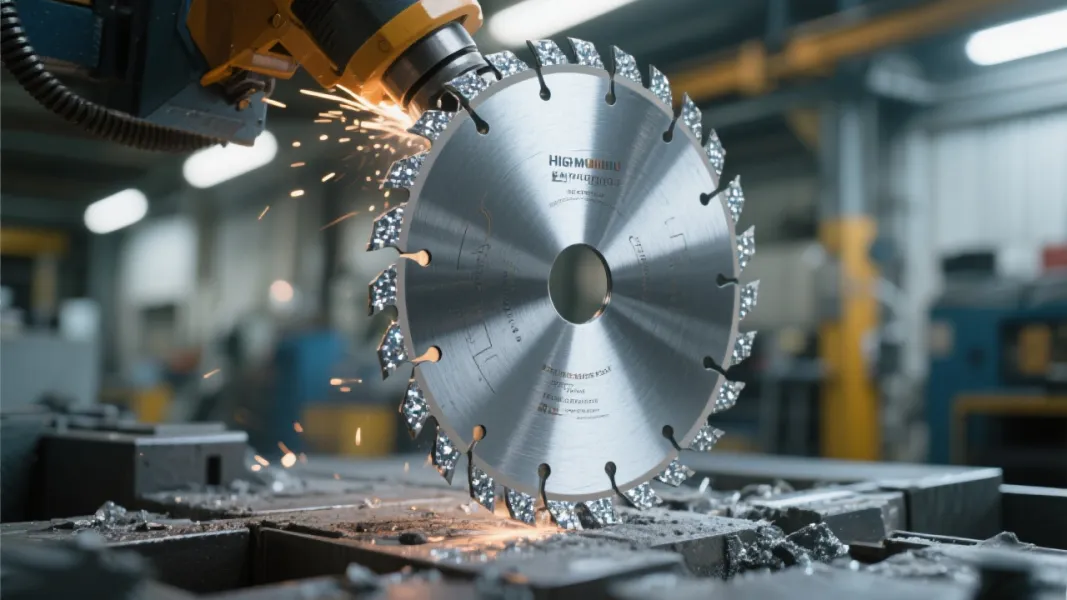
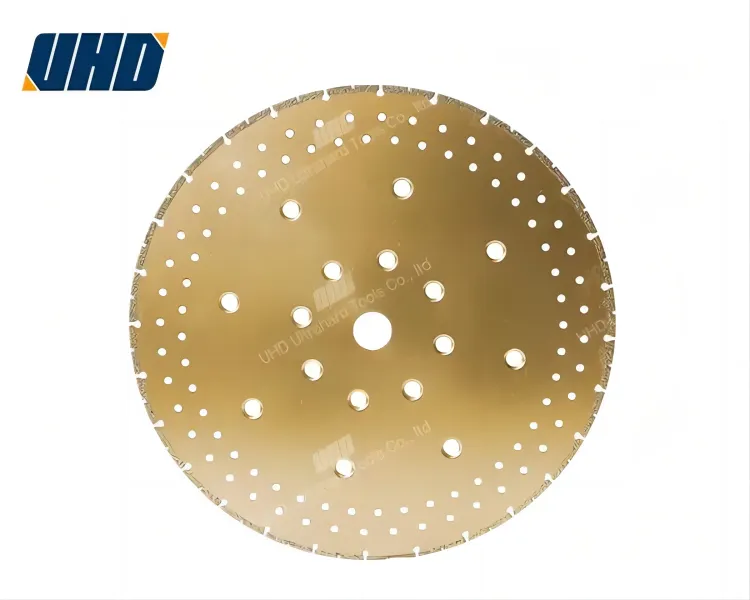
When working with high-precision metal machining, the synergy between cutting parameters and diamond tooling is critical to maximize efficiency and maintain process stability. Selecting the right diamond tool tailored to your workpiece material – whether stainless steel, aluminum alloy, or titanium alloy – requires a deep understanding of how cutting speed, feed rate, and cooling strategies impact tool life and surface quality. Leveraging extensive field data from UHD’s ultrahard tools and partnering with Henan University of Technology, this guide empowers you to make scientifically sound tooling decisions that enhance your operational output.
Each material presents unique challenges demanding specific diamond tool properties:
| Material | Recommended Diamond Grain Size | Key Tool Property | Cooling Strategy |
|---|---|---|---|
| Stainless Steel | Coarse (20-30 µm) | Thermal Stability & Abrasion Resistance | Flood Coolant or Minimum Quantity Lubrication (MQL) |
| Aluminum Alloy | Fine (5-15 µm) | Anti-BUE Geometry & Low Friction | Air or Dry Cutting Preferred |
| Titanium Alloy | Medium (15-25 µm) | Toughness & Heat Dissipation | High-Pressure Coolant or Cryogenic Cooling |
Your cutting parameters profoundly influence not only tool longevity but also the integrity of the finished part.
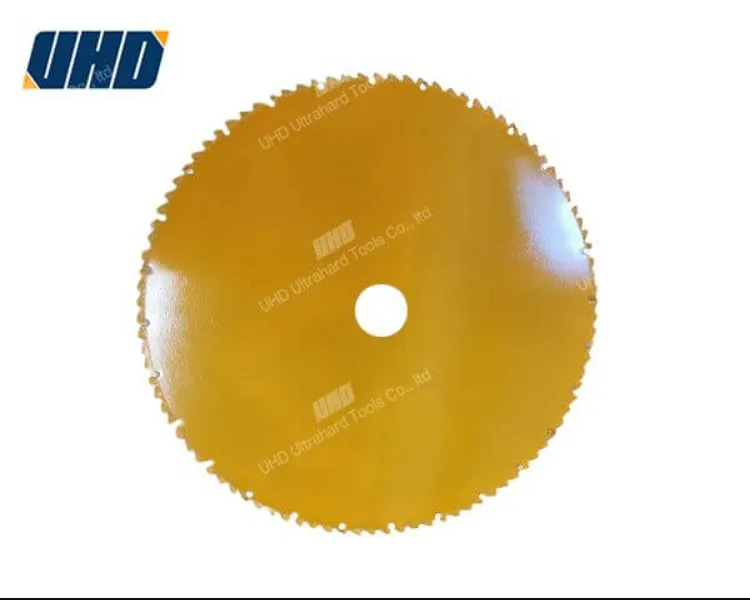
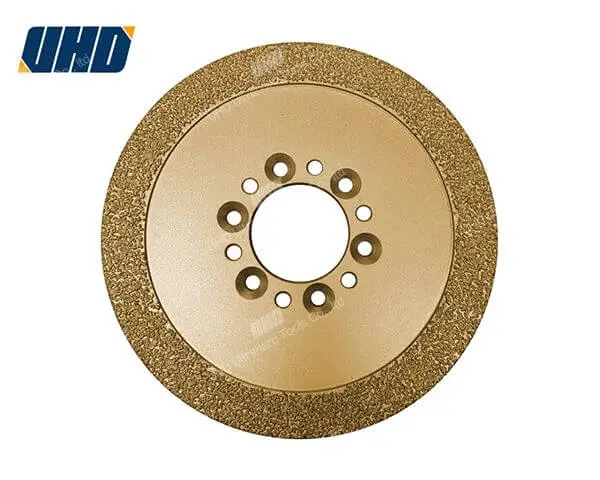
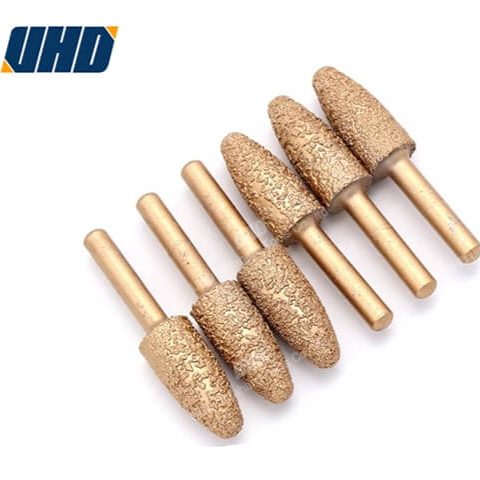
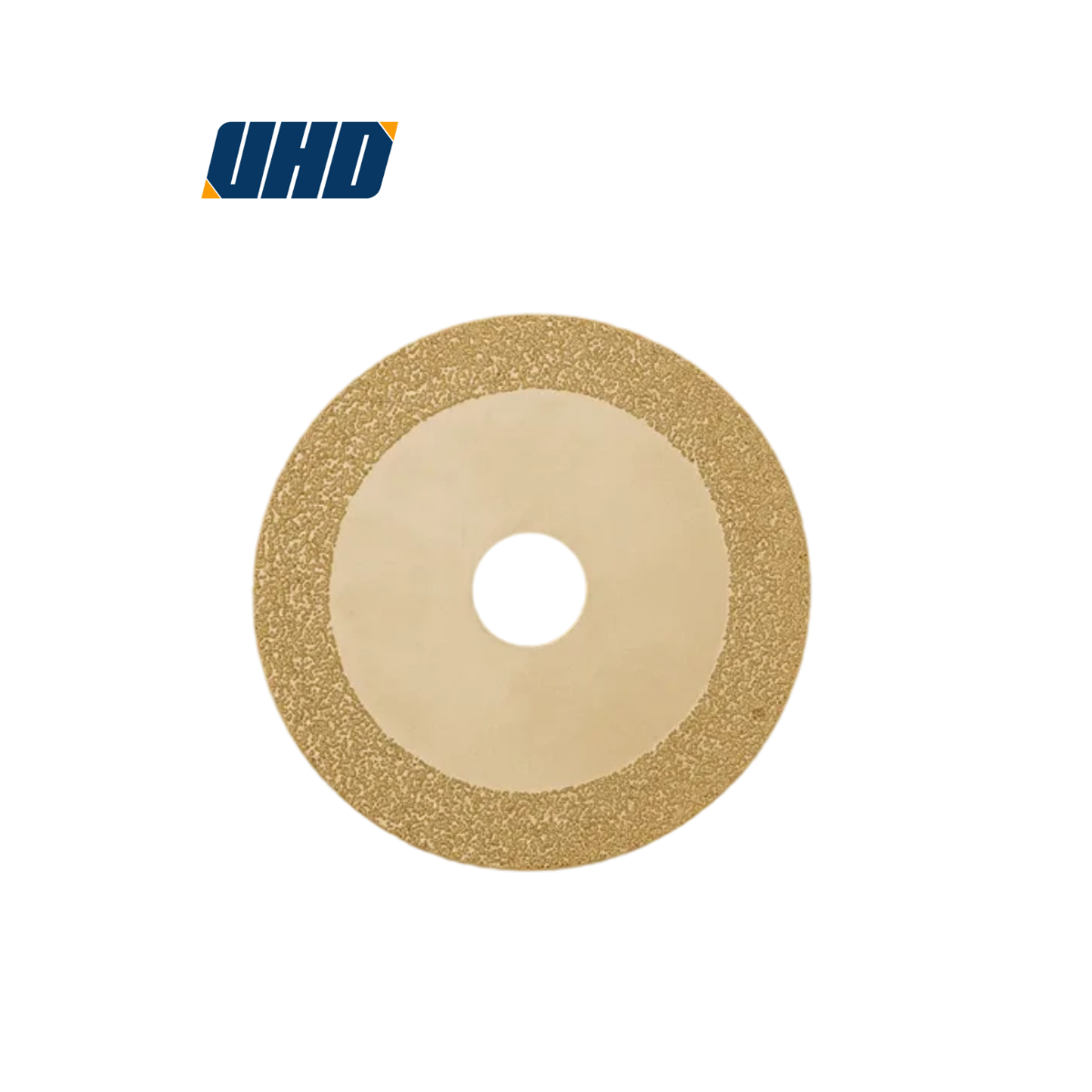
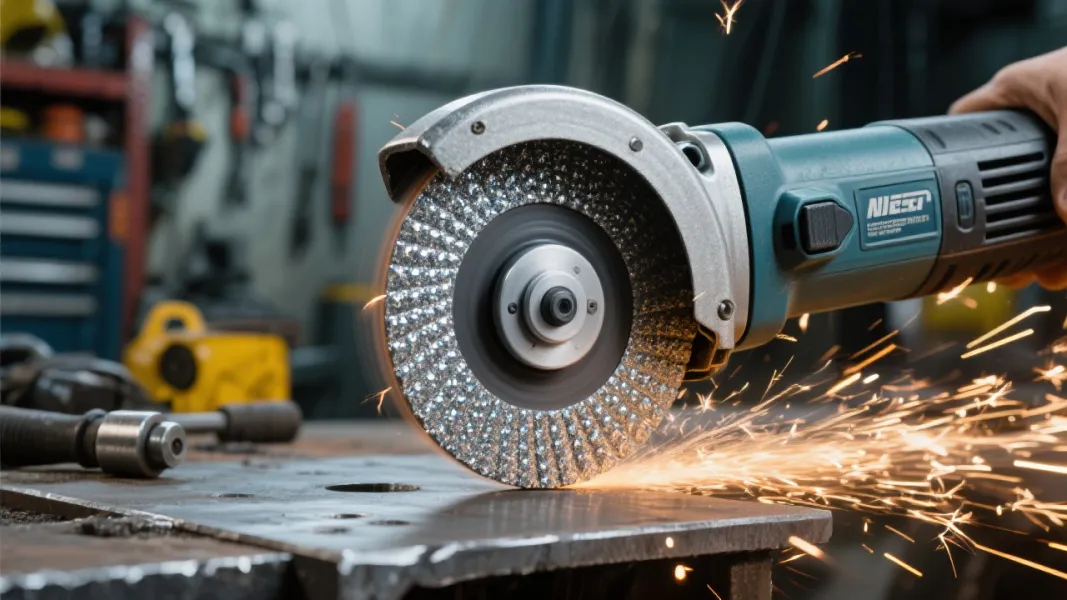
Vacuum brazing technology firmly anchors diamond grains, enabling enhanced durability and exceptional precision on intricate geometries. UHD’s collaboration with Henan Industrial University demonstrated a 20% reduction in surface roughness and significantly fewer tool replacements when employing vacuum brazed diamond tools on aerospace-grade titanium alloys.
A prevalent misconception is that the hardest diamond tools guarantee superior performance. However, trials indicate that ultra-hard abrasives may cause brittle fracture under dynamic loads, shortening effective tool life. UHD’s data-driven studies emphasize a balanced hardness and toughness approach tailored to specific machining contexts as the optimal path.
| Parameter | Recommendation |
|---|---|
| Workpiece Material | Select grain size & tool type per material-specific table |
| Cutting Speed | Follow UHD’s optimized speed charts, adjust ±10% cautiously |
| Feed Rate | Balance for minimal wear & optimal surface finish |
| Cooling Method | Choose fluid or dry methods based on material & tool specs |
| Maintenance | Implement regular cleaning and prompt dressing |
We invite you to share your questions and challenges below — your feedback helps us develop targeted insights and future deep-dive sessions.
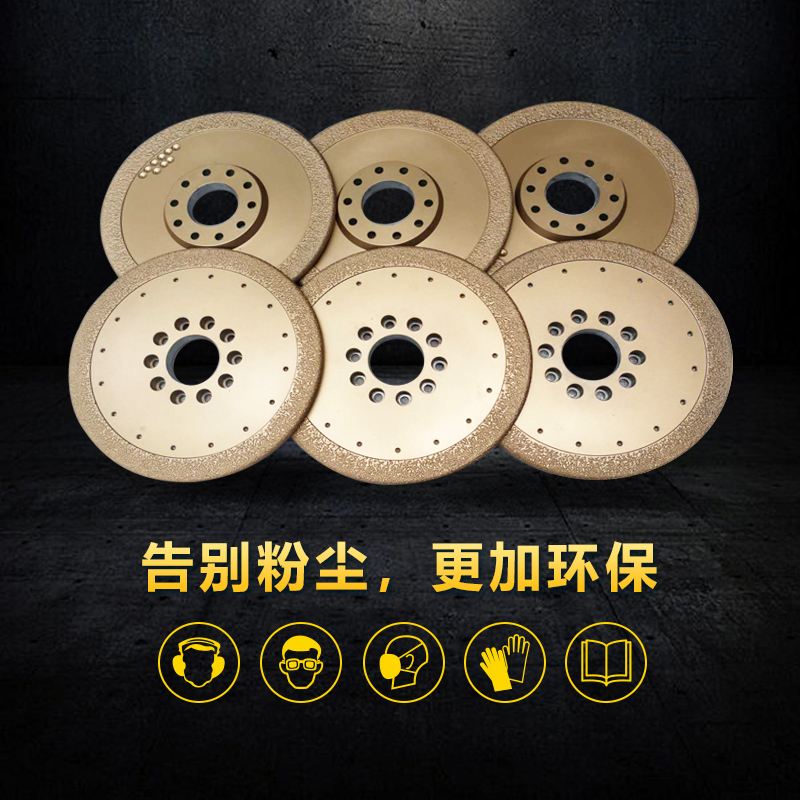
Choose UHD — where high efficiency, reliability, and premium industrial tooling solutions converge.

 453
|
453
|
 saw blade segment arrangement design
stone cutting noise control
vibration control technology
diamond saw blade optimization
construction noise reduction solutions
saw blade segment arrangement design
stone cutting noise control
vibration control technology
diamond saw blade optimization
construction noise reduction solutions
 94
|
diamond saw blade noise reduction
400mm vibration dampening blade
construction site cutting solutions
wet and dry cutting blades
stone processing tool optimization
170
|
eco-friendly diamond saw blade
low-dust cutting technology
green manufacturing solutions
diamond blade performance
cutting dust control
336
|
Environmental-friendly cutting saw blade
Low-dust cutting technology
Diamond saw blade application
Manufacturing green transformation
Cutting dust control
197
|
low - dust saw blade
environmental - friendly cutting technology
diamond saw blade
industrial dust control
ZS400H brazed saw blade
94
|
diamond saw blade noise reduction
400mm vibration dampening blade
construction site cutting solutions
wet and dry cutting blades
stone processing tool optimization
170
|
eco-friendly diamond saw blade
low-dust cutting technology
green manufacturing solutions
diamond blade performance
cutting dust control
336
|
Environmental-friendly cutting saw blade
Low-dust cutting technology
Diamond saw blade application
Manufacturing green transformation
Cutting dust control
197
|
low - dust saw blade
environmental - friendly cutting technology
diamond saw blade
industrial dust control
ZS400H brazed saw blade