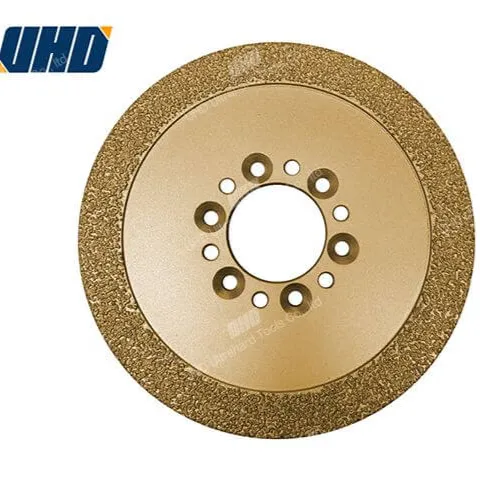
Diamond tools are lauded for their exceptional hardness and wear resistance, making them indispensable in high-precision machining of stainless steel and other hard alloys. However, frequent tool failure remains a critical challenge in optimizing production efficiency and reducing operational costs. This article presents a comprehensive exploration of common failure modes in diamond tooling during stainless steel machining, supported by empirical data and industrial case studies, followed by actionable strategies to enhance tool longevity and processing stability.
The primary failure mechanisms affecting diamond tools in stainless steel machining include abrasive wear, thermal degradation, and chemical corrosion. Abrasive wear dominates due to the high hardness and work-hardening nature of stainless steel, often accelerated under inappropriate cutting parameters.
Recent studies from Henan Industrial University demonstrate that cutting speeds exceeding 150 m/min combined with feed rates over 0.15 mm/rev can exacerbate wear rates by up to 35%. Improper cooling exacerbates thermal shock, inducing micro-cracks and premature tool edge chipping. Additionally, chemical affinity between stainless steel’s chromium content and diamond surfaces can lead to graphitization, further deteriorating tool integrity.
Optimizing cutting parameters is paramount in prolonging diamond tool life. The synergy among cutting speed, feed rate, and cooling technology must be carefully calibrated to suit specific stainless steel grades and machining conditions:
Adhering to these parameters has demonstrated up to a 40% increase in tool lifespan in field trials with UHD diamond cutting tools, a testament to precision-matched process control.
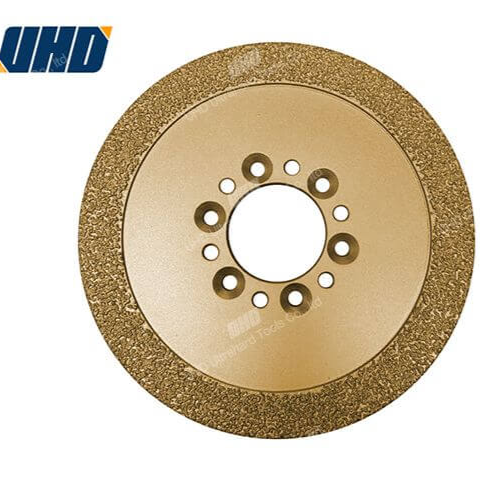
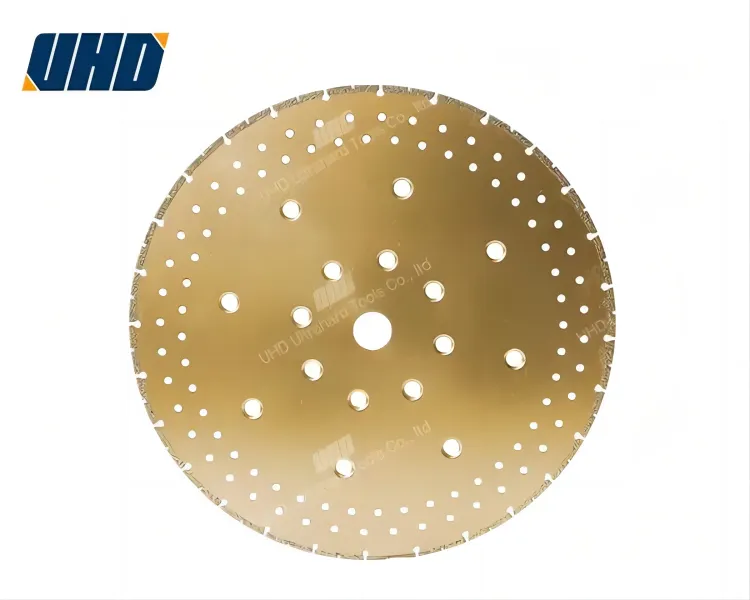
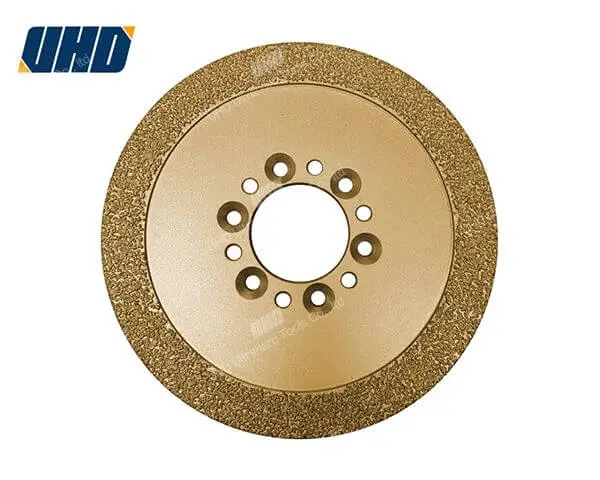
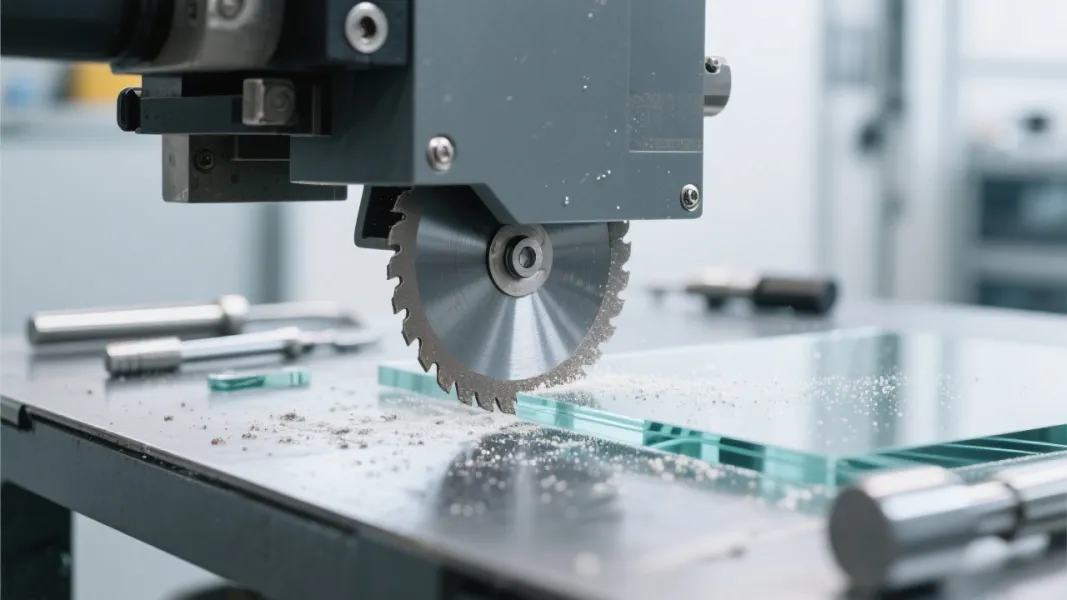
Vacuum brazed diamond abrasives have emerged as superior tooling options particularly for machining complex contoured surfaces and ultra-hard alloys. The unique vacuum brazing process achieves a metallurgical bond between diamond grains and substrate, enhancing edge strength and heat dissipation capabilities.
Compared to traditional electroplated tools, vacuum brazed counterparts allow for sharper blade geometries and increased diamond retention rates—translating into consistent high-precision cuts and reduced tool replacement frequency. Evaluation of UHD’s vacuum brazed diamond cutting tools revealed lifespan improvements exceeding 50% in aerospace-grade stainless steel components.
Edge geometry optimization contributes significantly to this performance: precise rake angles between 5° and 15°, combined with honed cutting edges, improve chip flow and reduce cutting forces, directly mitigating failure risks.
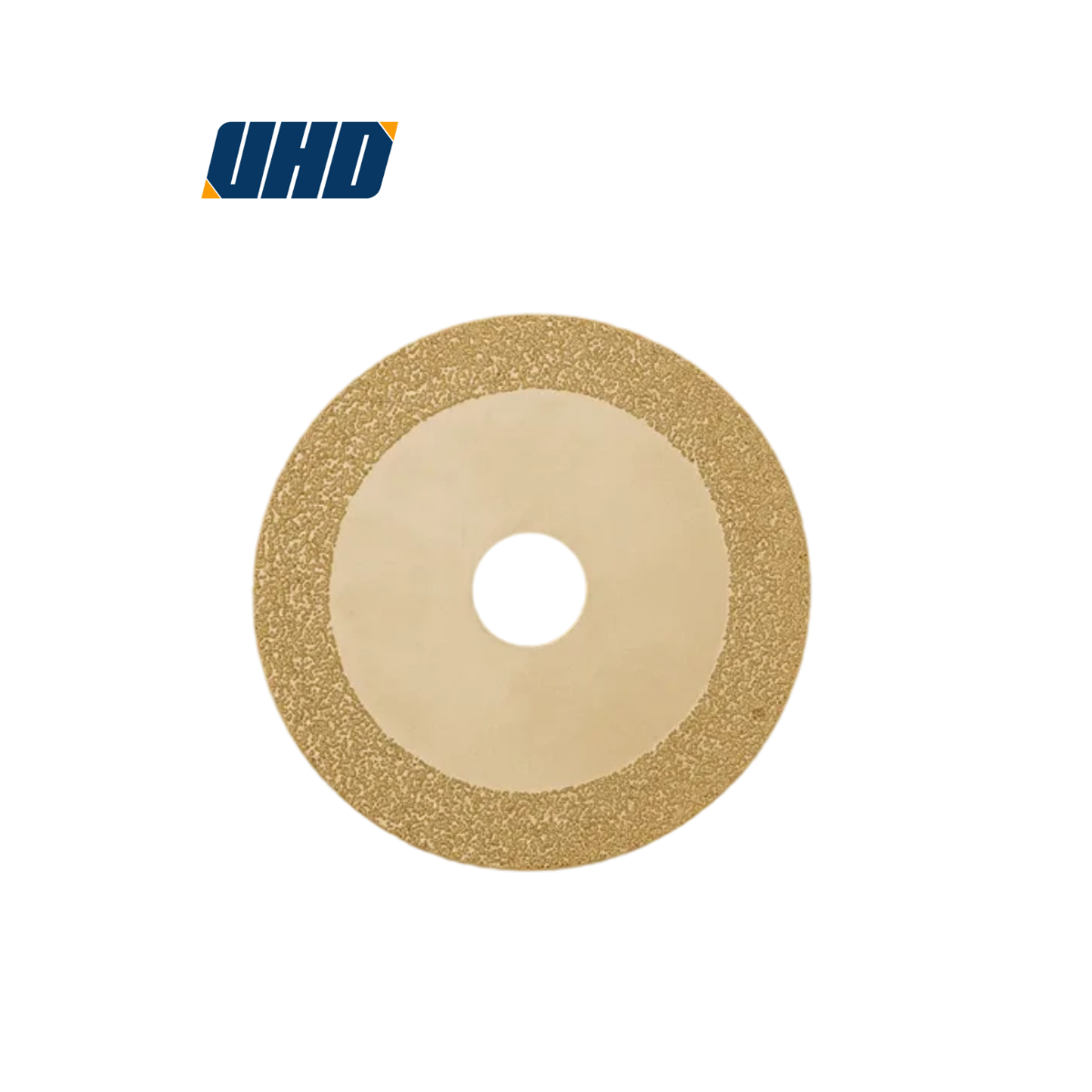
In industrial settings, several misconceptions impede optimal diamond tool usage:
Field engineers report that applying a simple “5-minute quick check” protocol can identify root causes of tool degradation promptly. This includes inspecting tool edge integrity, verifying process parameters, and reviewing cooling system performance, drastically reducing downtime.

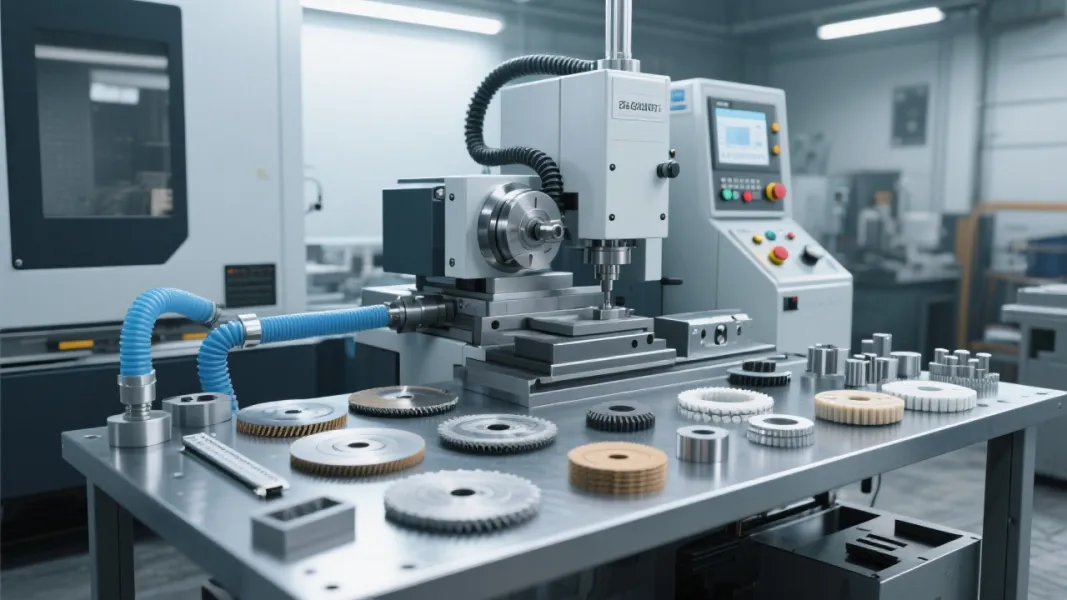
UHD’s diamond tooling solutions combine cutting-edge vacuum brazing technology, rigorous R&D collaboration with top universities, and extensive customer feedback loops to address stainless steel machining challenges head-on.
By choosing UHD diamond cutting tools, manufacturers benefit from:

 285
|
285
|
 400mm diamond saw blade
dry and wet cutting selection
brazed diamond saw blade
construction site cutting
saw blade usage tips
400mm diamond saw blade
dry and wet cutting selection
brazed diamond saw blade
construction site cutting
saw blade usage tips
 440
|
Saw blade noise reduction design
Diamond saw blade vibration control
Brazing process optimization
Cutting efficiency improvement
Stone processing equipment
440
|
Saw blade noise reduction design
Diamond saw blade vibration control
Brazing process optimization
Cutting efficiency improvement
Stone processing equipment
 51
|
brazed diamond saw blades
high-manganese steel saw blades
industrial cutting tools
saw blade maintenance tips
eco-friendly cutting equipment
51
|
brazed diamond saw blades
high-manganese steel saw blades
industrial cutting tools
saw blade maintenance tips
eco-friendly cutting equipment
 216
|
brazed diamond cutting disc
metal cutting tools
stone cutting solutions
UHD diamond blade
high-performance cutting tools
394
|
stainless steel cutting efficiency
brazed diamond saw blade
diamond grit technology
cutting parameter optimization
blade edge maintenance
216
|
brazed diamond cutting disc
metal cutting tools
stone cutting solutions
UHD diamond blade
high-performance cutting tools
394
|
stainless steel cutting efficiency
brazed diamond saw blade
diamond grit technology
cutting parameter optimization
blade edge maintenance