https://shmuker.oss-cn-hangzhou.aliyuncs.com/data/oss/65a77ec3ce75e713c015ca8f/66455ffcb3b78b5159ce7891/20240524102244/1705977987835_logo.png

Diamond Saw Blade Diameter Tolerance Standards: Comparing ISO vs ANSI to Prevent Eccentric Vibration After Installation
2026/03/10
UHD
Technical knowledge
This article focuses on the diameter tolerance standards of diamond saw blades, providing an in-depth comparison between the internationally recognized ISO and ANSI standards regarding dimensional accuracy. It analyzes how these differences impact blade installation compatibility and operational balance. Practical technical knowledge is shared on preventing eccentric vibration after installation, including precise measurement techniques and verification processes. Targeted at maintenance personnel of imported equipment and overseas project delivery teams, the article ensures cutting tools achieve optimal performance and maintain stable, efficient production lines. Common installation errors and preventive measures are also discussed to enhance user understanding and application of diamond cutting tools.
https://shmuker.oss-accelerate.aliyuncs.com/data/oss/20250708/73b175518e097ad022d5b036f5cd4fb9/72f25770-4245-4284-8d82-27db174e01a6.jpeg

Diamond Saw Blade Diameter Tolerance Standards: ISO vs ANSI, Preventing Post-Installation Eccentric Vibration

In today's demanding metal and stone cutting industries, precision in diamond saw blade diameter tolerance is critical to ensuring reliable performance and operational safety. UHD highlights how the differences between the two major international standards – ISO and ANSI – directly impact installation fit, vibration levels, and ultimately equipment longevity. Understanding these standards helps technical maintenance teams and overseas project managers optimize cutting tool compatibility and avoid costly production disruptions.

Understanding Diameter Tolerances & Key Parameters

Diameter tolerance defines the permissible variation in the saw blade's nominal diameter, typically measured in millimeters or inches. This parameter critically influences the fit between the blade and the machine spindle. Even minor deviations can cause eccentric mounting, leading to lateral or axial vibration during operation.

Key parameters include:

  • Nominal Diameter (D): Target outer diameter of the blade.
  • Tolerance Span (±): Allowable deviation from D, typically in microns.
  • Runout or Eccentricity: Maximum permissible wobble during rotation.
Standard Typical Diameter Tolerance Runout Limits Measurement Method
ISO 1940/1 ±0.05 mm for blades ≤ 400 mm Balance quality grade G6.3 (runout ≤ 0.015 mm) Laser micrometer + dynamic balancing
ANSI B7.1 ±0.08 mm for blades ≤ 400 mm Runout ≤ 0.02 mm Dial indicator + static balance test

ISO vs ANSI: Impact on Installation & Vibration

The ISO standard demands tighter dimensional tolerances and more stringent dynamic balancing criteria compared to ANSI. This means ISO-compliant diamond saw blades offer improved rotational stability, reducing eccentric vibrations after installation.

ANSI's slightly looser tolerance recommendations reflect historical industry practices primarily focused on static balance, which may not fully capture oscillation effects at high rotational speeds critical in modern CNC and automated cutting systems.

Therefore, blades conforming to ISO standards generally ensure better compatibility with high-precision importing equipment and international project applications, thereby minimizing unexpected downtime throughout global operations.

Pro Tip: When selecting diamond saw blades for overseas projects, prioritize those with explicit ISO diameter tolerance certification, especially for blades under 400 mm diameter to assure superior cutting efficiency and machine safety.

Identifying and Preventing Post-Installation Eccentric Vibration

Eccentric vibration post-installation is primarily due to mismatches between the blade bore and machine spindle, machining errors on flanges, or inadequate mounting torque. Such vibration accelerates blade wear, degrades cut quality, and risks equipment failure.

Effective prevention requires:

  • Precision Bore Measurement: Use laser micrometers or coordinate measuring machines (CMM) to verify bore sizes within ±0.02 mm.
  • Spindle Interface Validation: Confirm spindle flanges and collars are free from deformities or build-up.
  • Proper Mounting Procedures: Apply recommended torque evenly; avoid overtightening which can deform blade geometry.
  • Dynamic Balancing Verification: Conduct runout measurement with dial indicators or laser sensors before commissioning.

Regular maintenance schedules should include vibration monitoring with accelerometers to detect early signs of mismatch or imbalance.

Common Installation Errors & Preventive Measures

Technical maintenance specialists frequently encounter these mistakes:

  1. Using Blades Without Certified Tolerances: Leads to incompatible fit and uneven rotation.
  2. Neglecting Bore and Spindle Cleaning: Residue or rust causes misalignment.
  3. Ignoring Manufacturer Mounting Guidelines: Results in deformed saw blades or unbalanced clamping.
  4. Skipping Dynamic Balance Checks: Misses subtle but dangerous imbalances affecting cutting quality.

Prevent these by enforcing ISO or ANSI standard compliance procurement policies, providing workforce training for installation best practices, and utilizing precision measurement instruments consistently.

Interactive Quick Self-Check for Maintenance Teams

  • Have you confirmed the diameter tolerance certification of installed saw blades?
  • Is the spindle bore thoroughly cleaned and visually inspected before installation?
  • Are torque values applied evenly and according to manufacturer specifications?
  • Do you use runout measurement tools after mounting blades?
  • Is dynamic vibration monitoring part of your routine equipment checks?

Empowering Global Project Success with UHD Diamond Saw Blades

For import equipment maintenance teams and overseas project operators, aligning with UHD's commitment to superior manufacturing precision means:

  • Access to ISO-compliant diamond saw blades engineered for exacting diameter tolerance standards.
  • Reduced risk of post-installation eccentric vibration and associated machine downtime.
  • Improved cutting efficiency and consistent blade life, vital for large-scale metal and stone processing globally.
  • Comprehensive support with technical documentation and recommended measurement protocols.

Choosing UHD's diamond saw blades is choosing enhanced safety, reliability, and performance tuned for the demands of international industrial applications.
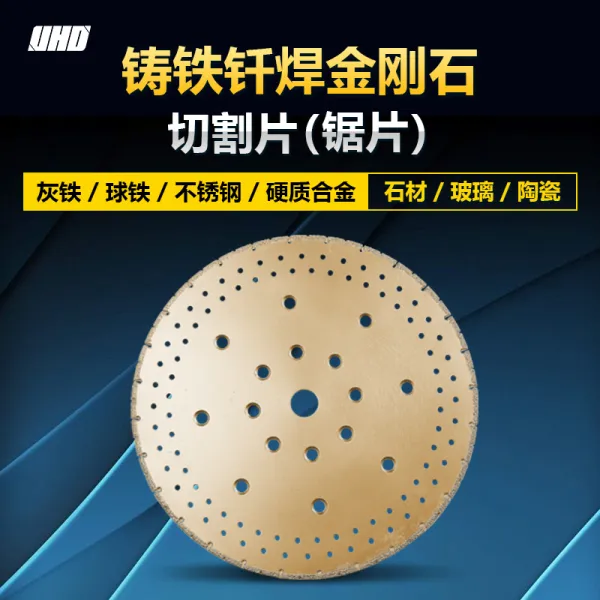
Recommended Products
Related Reading
https://shmuker.oss-accelerate.aliyuncs.com/data/oss/65a77ec3ce75e713c015ca8f/65aa3ef1e29df470524ef206/1705892870773_400-.png
2025-06-28
https://shmuker.oss-accelerate.aliyuncs.com/tmp/temporary/60ec5bd7f8d5a86c84ef79f2/60ec5bdcf8d5a86c84ef7a9a/20240305161110/eye.png 123 | https://shmuker.oss-accelerate.aliyuncs.com/tmp/temporary/60ec5bd7f8d5a86c84ef79f2/60ec5bdcf8d5a86c84ef7a9a/20240305160636/lable.png ZS400H Brazed Diamond Saw Blade Industrial Manufacturing Cutting Saw Blade Cost Reduction and Efficiency Improvement Customer Case Study
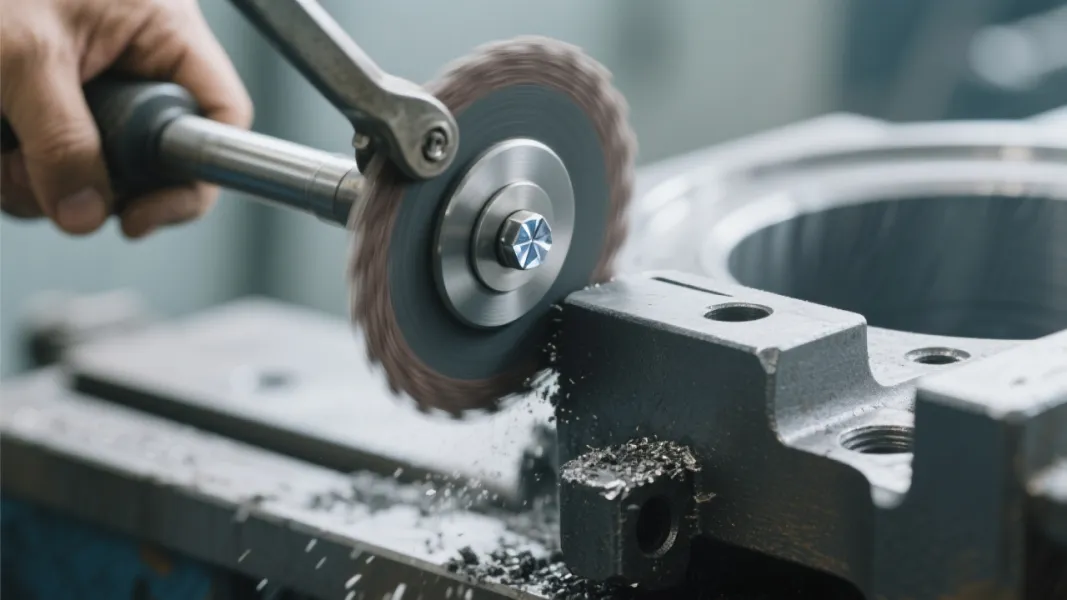
https://shmuker.oss-accelerate.aliyuncs.com/data/oss/20250708/af51349df1f4c20d817dd8448933b3ab/53ee5de3-1083-45c5-b2b1-da11da68bb02.jpeg
2025-08-25
https://shmuker.oss-accelerate.aliyuncs.com/tmp/temporary/60ec5bd7f8d5a86c84ef79f2/60ec5bdcf8d5a86c84ef7a9a/20240305161110/eye.png 388 | https://shmuker.oss-accelerate.aliyuncs.com/tmp/temporary/60ec5bd7f8d5a86c84ef79f2/60ec5bdcf8d5a86c84ef7a9a/20240305160636/lable.png high-performance diamond cutting blade UHD diamond blade metal cutting efficiency stone cutting blade extended blade life

img
2025-12-31
https://shmuker.oss-accelerate.aliyuncs.com/tmp/temporary/60ec5bd7f8d5a86c84ef79f2/60ec5bdcf8d5a86c84ef7a9a/20240305161110/eye.png 113 | https://shmuker.oss-accelerate.aliyuncs.com/tmp/temporary/60ec5bd7f8d5a86c84ef79f2/60ec5bdcf8d5a86c84ef7a9a/20240305160636/lable.png 400mm diamond saw blade usage methods dry cutting vs wet cutting brazed diamond saw blade techniques saw blade service life improvement strategies stone cutting processes
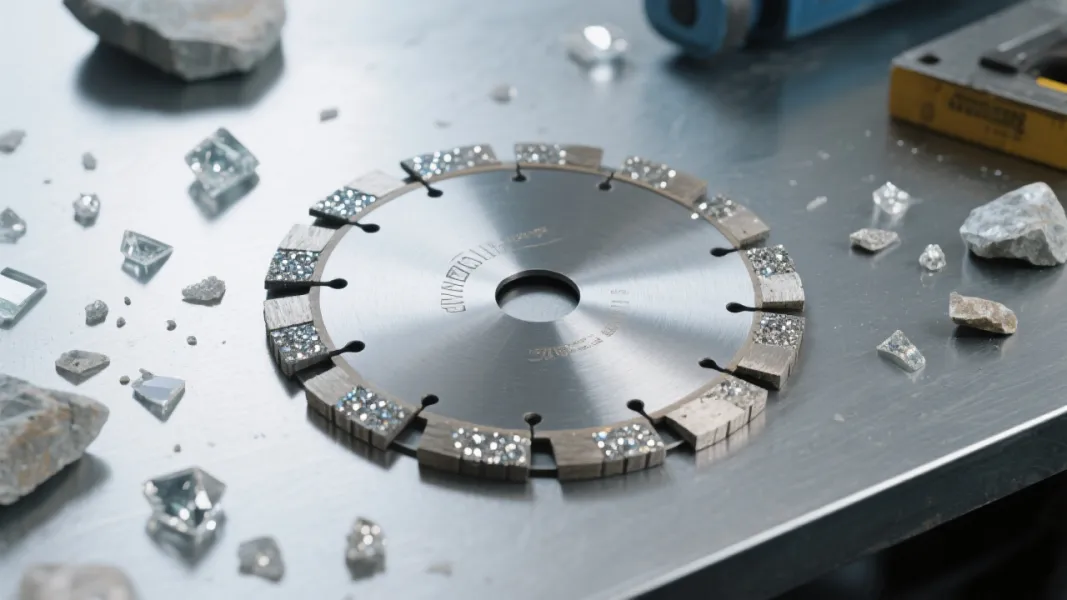
https://shmuker.oss-accelerate.aliyuncs.com/data/oss/20250718/c24341305a707ea44e9fd764816863d5/f89115b5-fdf3-4940-8bf8-4ab9f34b4523.jpeg
2025-10-10
https://shmuker.oss-accelerate.aliyuncs.com/tmp/temporary/60ec5bd7f8d5a86c84ef79f2/60ec5bdcf8d5a86c84ef7a9a/20240305161110/eye.png 216 | https://shmuker.oss-accelerate.aliyuncs.com/tmp/temporary/60ec5bd7f8d5a86c84ef79f2/60ec5bdcf8d5a86c84ef7a9a/20240305160636/lable.png brazed diamond saw blade optimization cutting equipment longevity diamond blade vibration reduction tooth layout design for saws construction site noise control
https://shmuker.oss-accelerate.aliyuncs.com/data/oss/65a77ec3ce75e713c015ca8f/65aa3ef1e29df470524ef206/1705891587194_vacuum-brazed-diamond-bits-3.png
2025-10-01
https://shmuker.oss-accelerate.aliyuncs.com/tmp/temporary/60ec5bd7f8d5a86c84ef79f2/60ec5bdcf8d5a86c84ef7a9a/20240305161110/eye.png 216 | https://shmuker.oss-accelerate.aliyuncs.com/tmp/temporary/60ec5bd7f8d5a86c84ef79f2/60ec5bdcf8d5a86c84ef7a9a/20240305160636/lable.png 400mm concrete saw blade concrete cutting blade selection brazed diamond blade advantages construction cutting tools dry vs wet cutting

Hot Products
Popular articles
Recommended Reading
Contact us
Contact us
https://shmuker.oss-cn-hangzhou.aliyuncs.com/tmp/temporary/60ec5bd7f8d5a86c84ef79f2/60ec5bdcf8d5a86c84ef7a9a/thumb-prev.png