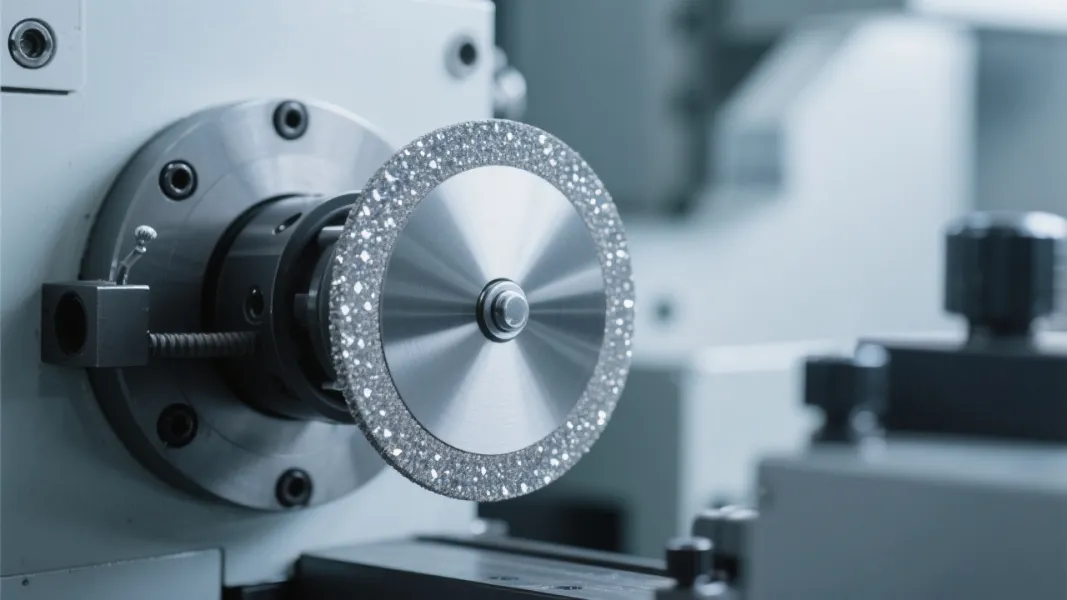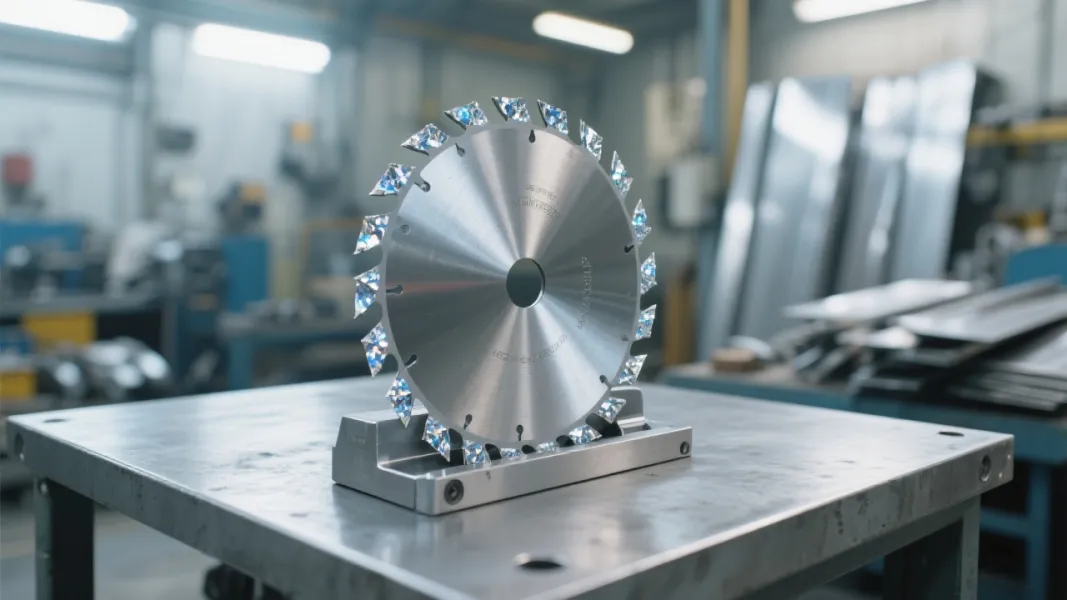
Imagine this scenario: You're running a critical production line for aerospace components, and suddenly your cutting tool fails—again. The workpiece is ruined, production halts, and your team is left troubleshooting what went wrong. Sound familiar? In extreme operating conditions—where temperatures soar above 600°C, materials reach 65 HRC hardness, or corrosive elements are present—traditional carbide tools often succumb to thermal failure and rapid wear, causing production interruptions that can cost manufacturers up to $22,000 per hour in downtime, according to recent industry studies.
High-temperature environments present a triple threat to cutting tools: thermal softening reduces material hardness by up to 40% in conventional tools, oxidation accelerates wear rates by 300% at temperatures above 700°C, and thermal shock creates micro-cracks that propagate with each cutting cycle. Add high hardness materials like silicon carbide composites (which can reach 3,000 HV) and corrosive coolants into the mix, and it's no wonder 76% of manufacturing engineers cite "unpredictable tool life" as their top production challenge, according to a 2023 Tooling Technology Survey.
Industry Insight: "In aerospace manufacturing, where component tolerances often measure in microns, tool failure isn't just an inconvenience—it directly impacts flight safety and program costs," explains Dr. James Chen, Materials Engineer at a leading aerospace OEM. "We've seen thermal instability cause dimensional variations as small as 0.02mm that rendered entire batches non-compliant."
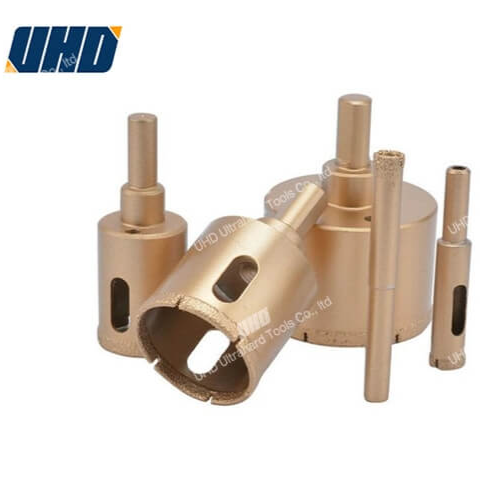
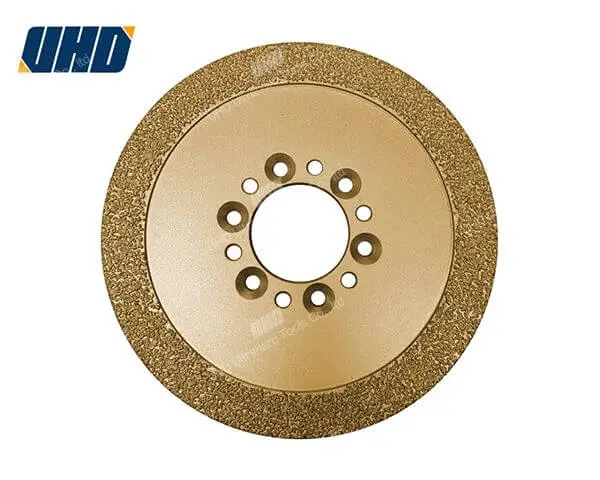
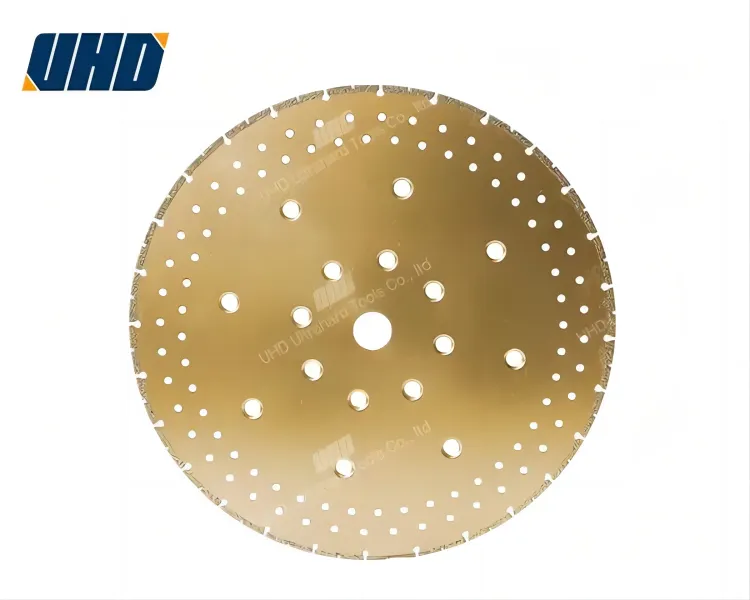
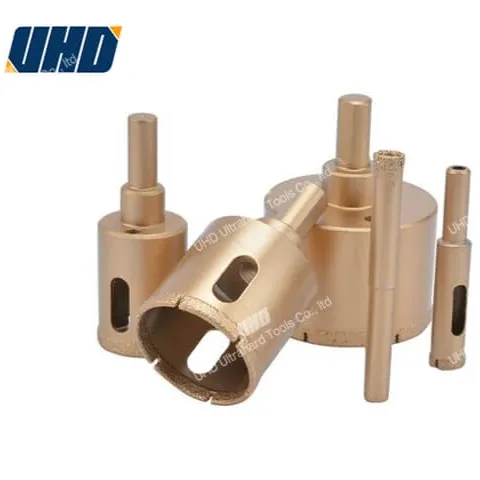
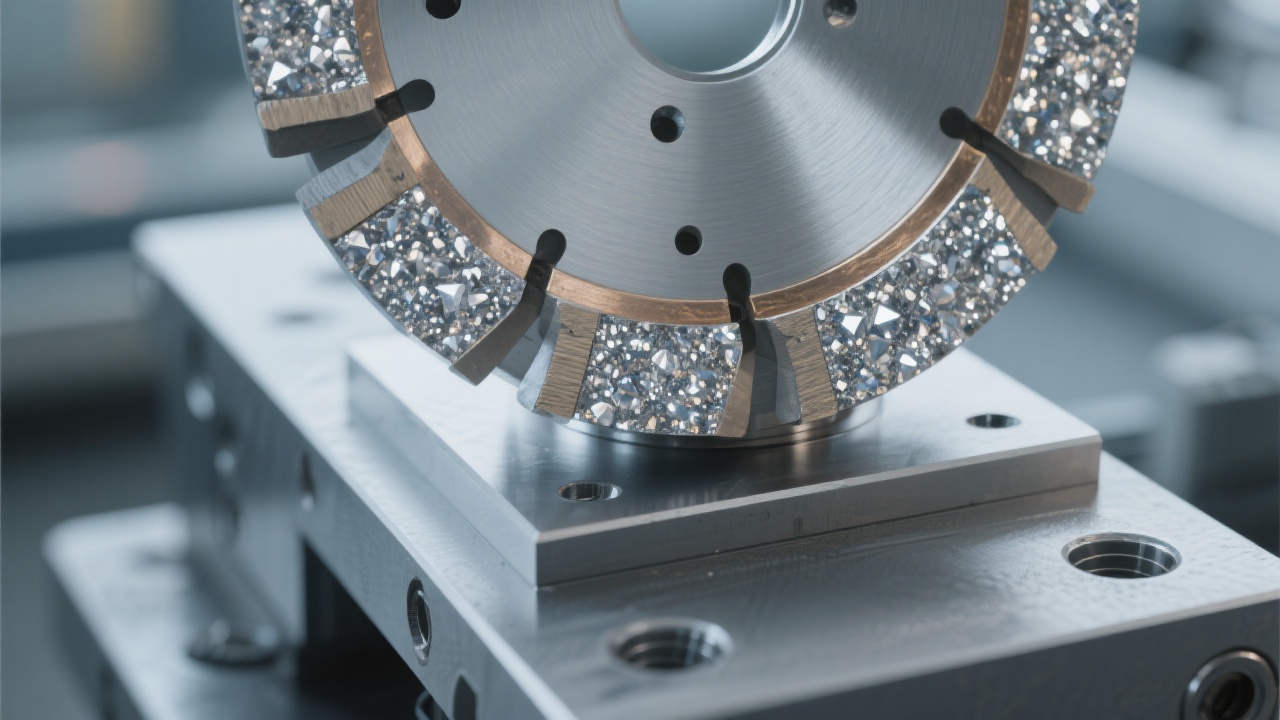
Ultra-high density (UHD) diamond cutting tools represent a paradigm shift in extreme工况 performance. Through advanced chemical vapor deposition (CVD) processes and proprietary binder technologies, these tools maintain 90% of their hardness at temperatures up to 1,200°C—compared to just 50% retention in premium carbide tools. The secret lies in their unique crystalline structure, which minimizes thermal conductivity pathways while creating a chemical barrier against oxidation and corrosion.
But don't just take our word for it. Independent testing at the National Institute of Materials Science showed UHD diamond tools delivering 372% longer tool life than coated carbide alternatives when machining titanium alloy Ti-6Al-4V at 800°C. What does that mean for your operation? Fewer tool changes, consistent part quality, and production runs that complete on schedule.
Validating thermal performance requires rigorous testing across three critical dimensions:
Selecting the right tool shouldn't be a guessing game. Our proprietary工况适配 framework guides engineers through a systematic selection process:
One automotive supplier implementing this framework reduced tooling costs by 42% while improving part quality after switching to UHD diamond tools for ceramic brake rotor machining. Their key insight? Matching tool specification to material thermal properties rather than relying on generic recommendations.
Myth Busted: "Higher temperature automatically requires tool change" is a common misconception. Our data shows that with proper UHD tool selection, many operations can maintain consistent performance across temperature fluctuations of ±200°C, eliminating unnecessary tool changes and reducing waste.
.png)
Consider the case of a leading energy equipment manufacturer producing heat exchanger components from Inconel 718. By implementing UHD diamond tools, they reduced machining time by 35% while improving surface finish consistency from Ra 1.6μm to Ra 0.4μm. Most impressively, their tool change frequency dropped from once per 150 parts to once per 620 parts—translating to approximately $147,000 in annual savings from reduced downtime alone.
Another success story comes from the ceramic matrix composite (CMC) sector, where a manufacturer eliminated 92% of tool-related defects after switching to UHD diamond tools. Their quality control manager reported, "We used to sort through 15-20% rejected parts due to tool failure. Now that number is below 1.5%, and our customers have noticed the difference in consistency."
Download our comprehensive UHD Diamond Tool Selection Guide and discover how to:
Have you experienced challenges with tool performance in high-temperature environments? What specific materials or processes are causing you the most frustration? Share your experiences in the comments below—our team of application engineers regularly responds to questions and can provide personalized recommendations based on your unique工况 requirements.
 199
|
199
|
 UHD Superhard Materials Tools
diamond cutting tools
industrial cutting tools
downtime reduction case
high-precision metal processing
UHD Superhard Materials Tools
diamond cutting tools
industrial cutting tools
downtime reduction case
high-precision metal processing
 377
|
industrial cutting tools
diamond cutting tools
superhard material tools
high-precision metal processing
industrial production efficiency
377
|
industrial cutting tools
diamond cutting tools
superhard material tools
high-precision metal processing
industrial production efficiency
 483
|
400mm diamond saw blade
brazed saw blade dry and wet cutting
construction site saw blade selection
concrete cutting saw blade
diamond saw blade usage method
483
|
400mm diamond saw blade
brazed saw blade dry and wet cutting
construction site saw blade selection
concrete cutting saw blade
diamond saw blade usage method
 301
|
400mm brazed diamond blade
concrete cutting blade selection
bridge repair tools
brazing vs welding in diamond blades
high-hardness material cutting
301
|
400mm brazed diamond blade
concrete cutting blade selection
bridge repair tools
brazing vs welding in diamond blades
high-hardness material cutting
 216
|
400mm concrete saw blade
concrete cutting blade selection
brazed diamond blade advantages
construction cutting tools
dry vs wet cutting
216
|
400mm concrete saw blade
concrete cutting blade selection
brazed diamond blade advantages
construction cutting tools
dry vs wet cutting