You're not alone if you've experienced unexpected tool wear or inconsistent surface finish when cutting stainless steel, aluminum, or titanium. These materials behave very differently under high-speed machining—and choosing the wrong diamond tool can cost you time, money, and quality.
Stainless steel’s low thermal conductivity leads to heat buildup at the cutting edge—causing premature fracture. Aluminum’s softness creates built-up edge (BUE), while titanium’s reactivity with carbon in standard diamond tools results in rapid degradation. A study by University of Birmingham confirmed that using inappropriate grain size (e.g., 30–50 µm for titanium vs. 100–150 µm for aluminum) increases flank wear by up to 60%.
| Material | Recommended Grain Size | Optimal Feed Rate (mm/rev) | Cooling Method |
|---|---|---|---|
| Stainless Steel | 40–70 µm | 0.1–0.2 | Minimum coolant flow + mist |
| Aluminum | 100–150 µm | 0.2–0.4 | High-pressure flood |
| Titanium Alloy | 30–50 µm | 0.05–0.1 | Mist cooling only |
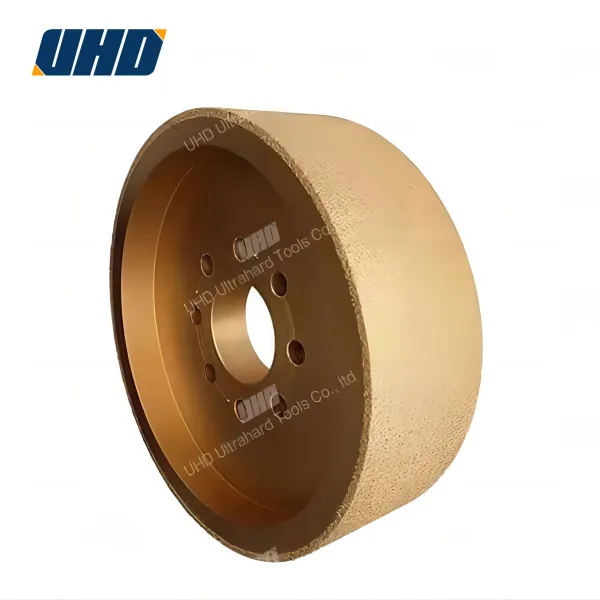
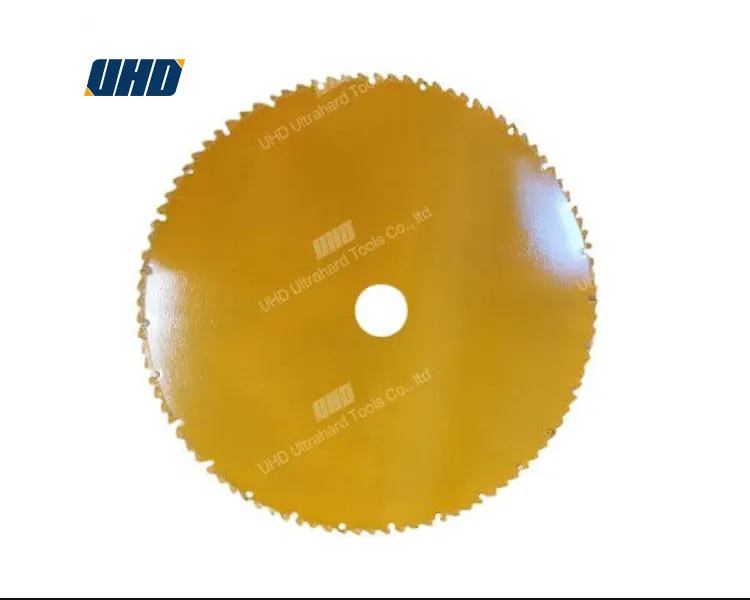
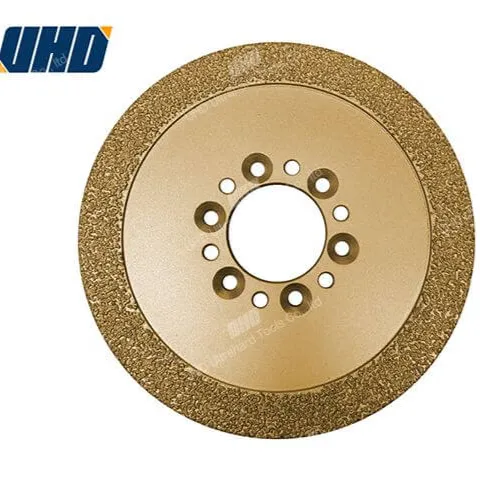
Here’s where UHD’s vacuum brazed diamond tools make a real difference. In one aerospace client case, switching from conventional brazed tools to our vacuum-bonded solution reduced tool change frequency by 40%—and improved surface roughness from Ra 3.2 μm to Ra 1.0 μm on complex turbine blades.
Many engineers believe “harder is better” — but that’s a myth. Overly dense diamond concentration (like >120% volume) can lead to poor heat dissipation and micro-fracture. Our R&D team found that optimizing both grit size AND bond hardness based on material chemistry—not just hardness—is key to extending tool life by 2–3x.
Pro tip: Always monitor your tool’s edge condition after 30–50 minutes of continuous operation. If you see chipping or glazing, it’s likely due to improper feed rate or insufficient cooling—not bad diamond quality.
Whether you’re working in automotive, medical device, or aerospace manufacturing, selecting the right diamond tool isn’t just about performance—it’s about consistency, predictability, and minimizing downtime.
Get Your Free Tool Selection Checklist Now
 357
|
357
|
 Concrete cutting saw blade selection
400mm saw blade application scenarios
Brazed diamond saw blade performance
Stone cutting tool recommendations
Construction equipment purchasing guide
Concrete cutting saw blade selection
400mm saw blade application scenarios
Brazed diamond saw blade performance
Stone cutting tool recommendations
Construction equipment purchasing guide
 139
|
diamond cutting tools for metal and stone
vacuum brazing technology
UHD hard materials
efficient cutting solutions
industrial diamond tools
139
|
diamond cutting tools for metal and stone
vacuum brazing technology
UHD hard materials
efficient cutting solutions
industrial diamond tools
 415
|
400H brazed diamond saw blade
vibration reduction in cutting tools
noise control in construction saws
diamond blade design optimization
brazing process for high-performance saws
415
|
400H brazed diamond saw blade
vibration reduction in cutting tools
noise control in construction saws
diamond blade design optimization
brazing process for high-performance saws
 241
|
Stainless steel cutting efficiency improvement
Diamond saw blade selection guide
Advantages of brazed diamond saw blades
Saw blade life extension
Stainless steel cutting challenges solutions
241
|
Stainless steel cutting efficiency improvement
Diamond saw blade selection guide
Advantages of brazed diamond saw blades
Saw blade life extension
Stainless steel cutting challenges solutions
 249
|
400mm diamond saw blade
brazed diamond saw blade
stone cutting tools
wet - and - dry saw blade
high - efficiency cutting solutions
249
|
400mm diamond saw blade
brazed diamond saw blade
stone cutting tools
wet - and - dry saw blade
high - efficiency cutting solutions