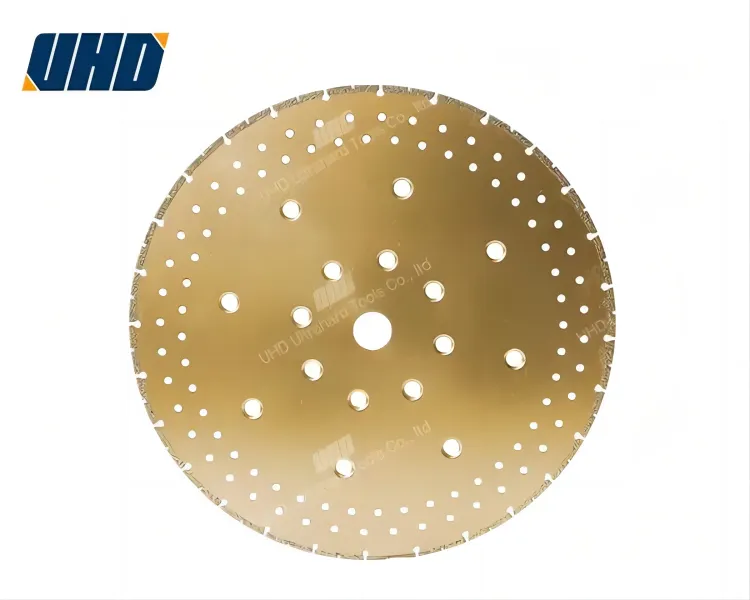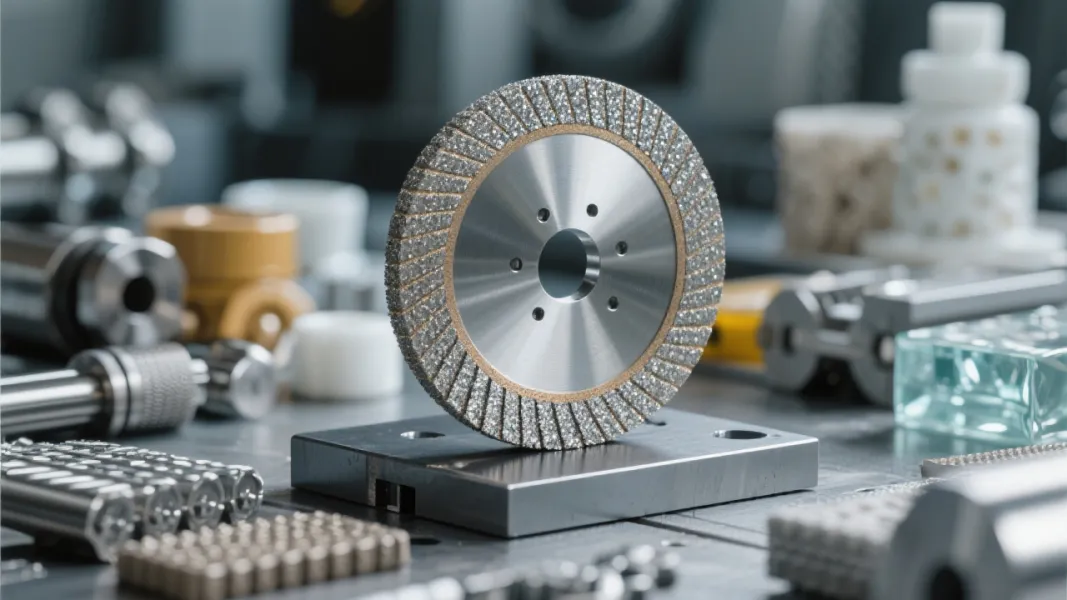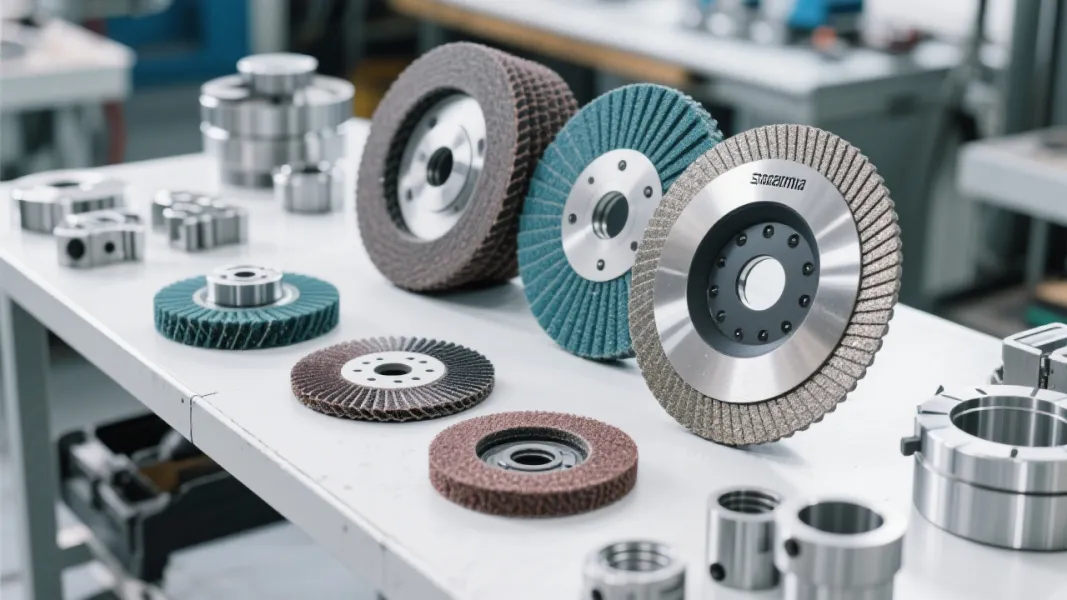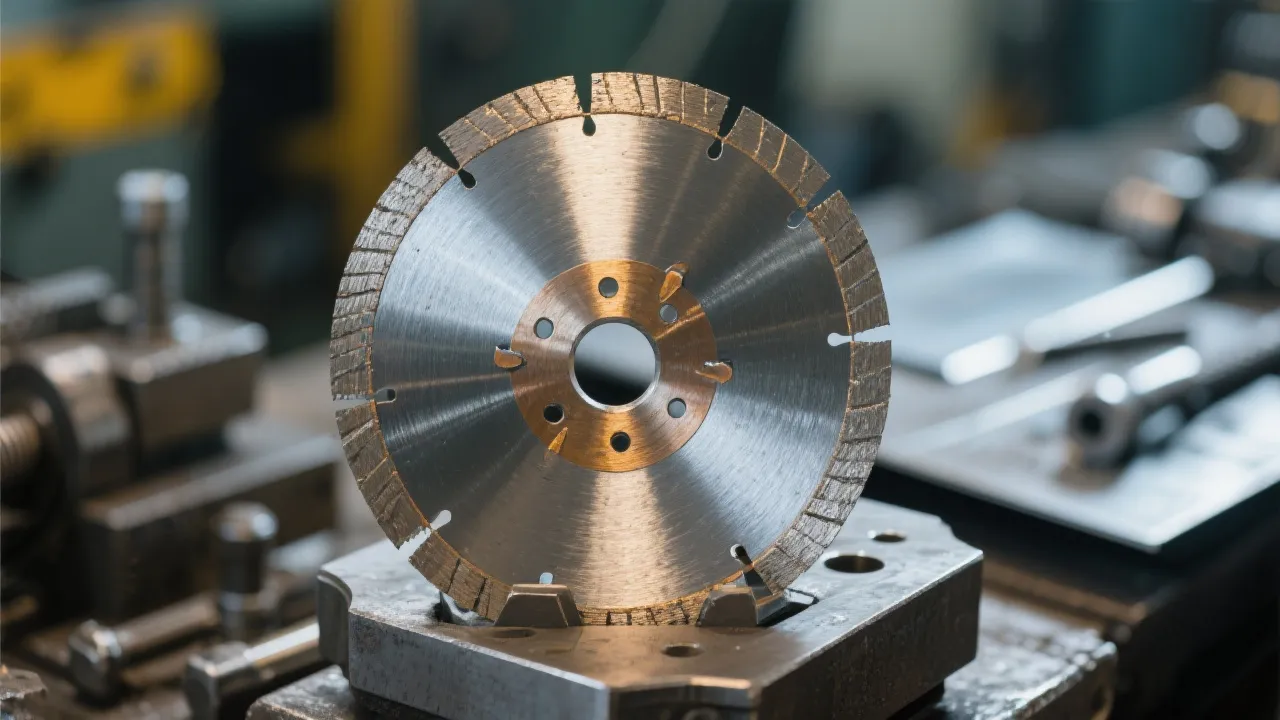
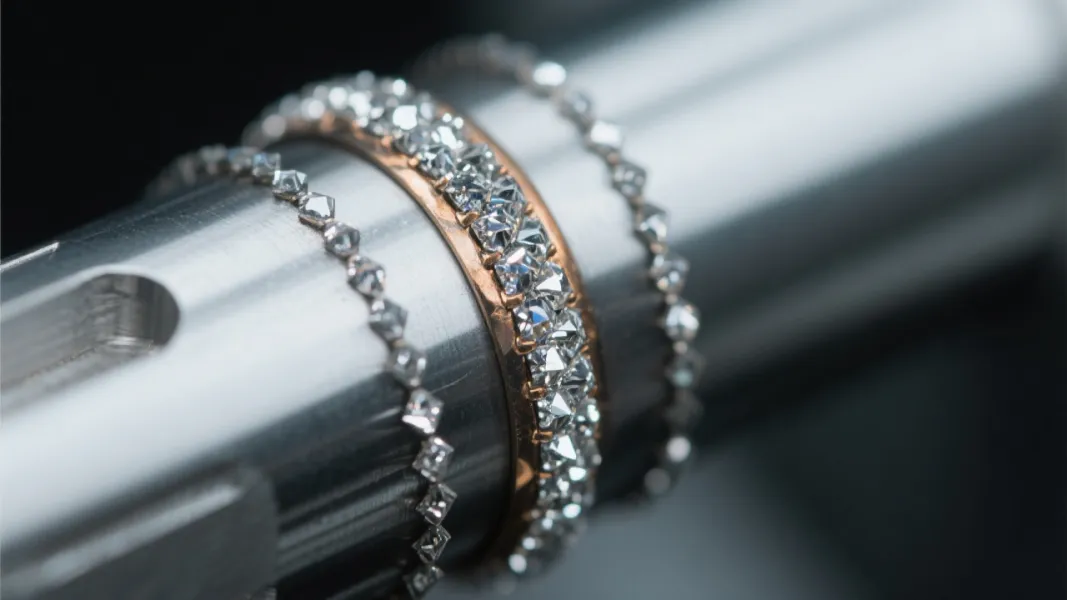
Diamond cutting tools are indispensable in metal and stone processing industries, where precision, speed, and durability are paramount. Selecting the right diamond tool critically influences cutting performance, tool lifespan, and ultimately, production efficiency. This guide delves into the core technical parameters underpinning diamond tool selection with a special emphasis on stainless steel cutting optimization. By understanding the interplay among matrix hardness, abrasive grain concentration, and vacuum brazing quality, professionals can make informed choices that elevate operational stability and reduce costs.
A diamond cutting tool's effectiveness hinges mainly on three technical pillars:
These parameters jointly affect factors such as cutting speed, surface roughness, and tool wear rate. For instance, increasing grain concentration by 15% can improve cutting rate up to 10%, while optimized brazing reduces diamond loss by 20%, based on controlled laboratory tests.
Different materials call for tailored tool characteristics and cutting parameters:
| Material | Optimal Tool Matrix Hardness | Diamond Grain Concentration | Recommended Cutting Parameters |
|---|---|---|---|
| Stainless Steel | Medium hardness matrix (HV 350-400) | High (70-75%) | Cutting thickness 1-5 mm; feed speed 0.6-1.2 m/min |
| Granite | Soft to medium matrix (HV 300-350) | Moderate (60-65%) | Cutting thickness 10-30 mm; feed speed 1.5-2.5 m/min |
| Marble | Soft matrix (HV 250-300) | Lower (50-55%) | Cutting thickness 5-20 mm; feed speed 2-3 m/min |
Adjusting feed speed and cutting thickness in alignment with tool properties is essential. Excessive feed rates may increase tool wear by 25%, while too slow speeds reduce productivity. Industry benchmarks suggest that keeping parameters within optimized ranges can double tool life compared to generic selections.
A leading stainless steel fabricator adopted UHD vacuum brazed diamond tools featuring a medium-hard matrix with 72% diamond grain concentration. Compared against previous tools, the following improvements were observed over six months:
Similar trials in natural stone cutting reflected a 15% reduction in consumable use and 10% boost in cutting speed by selecting tools matched to granite’s hardness and adjusting feed parameters accordingly.
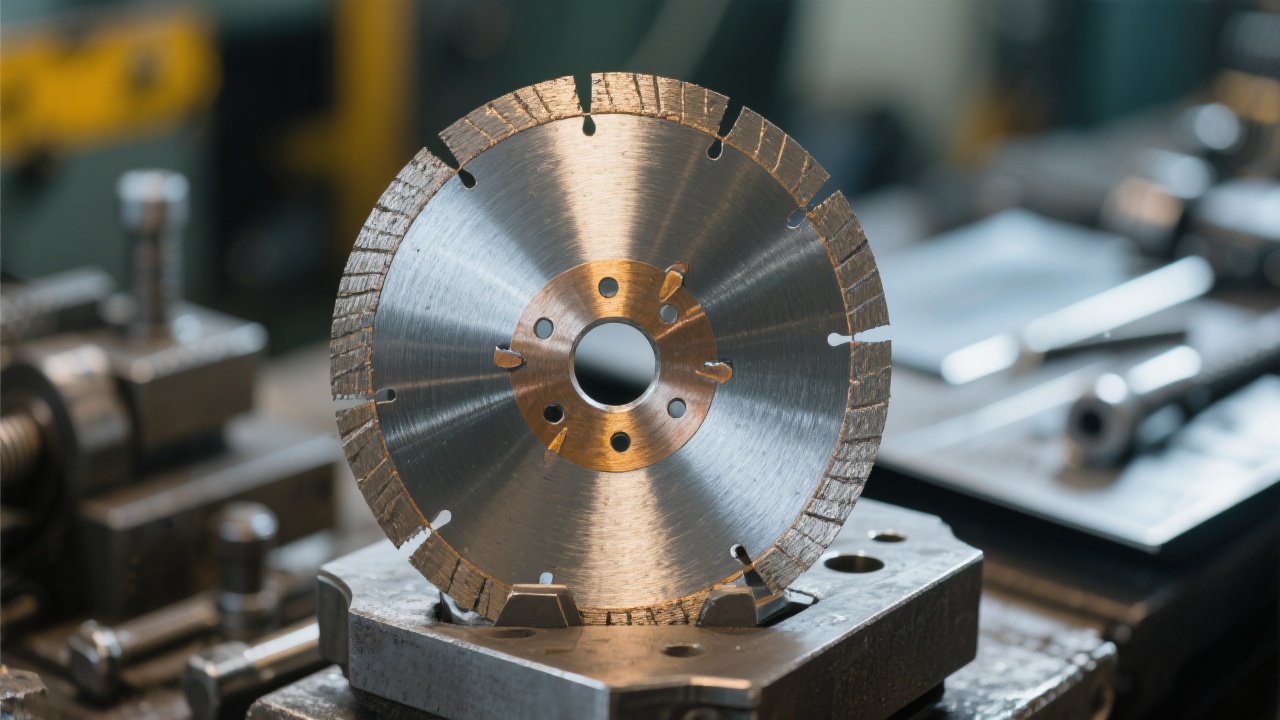
For stakeholders in metal and stone processing sectors, the following actionable insights can enhance both efficiency and cost control:
Continuous data-driven optimization aligns with industry standards such as ISO 9013 for cutting quality, ensuring process reproducibility and client satisfaction.

Adopting UHD vacuum brazed diamond cutting tools is a strategic investment enabling manufacturers to streamline production cycles, improve cut accuracy, and reduce tooling expenditures markedly. The synergy of advanced material engineering and precise operational control creates a sustainable competitive edge.
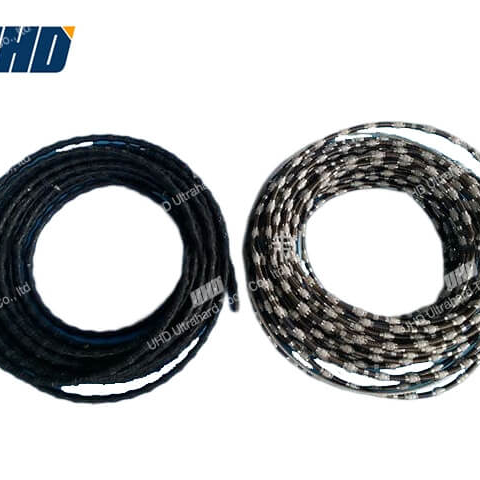
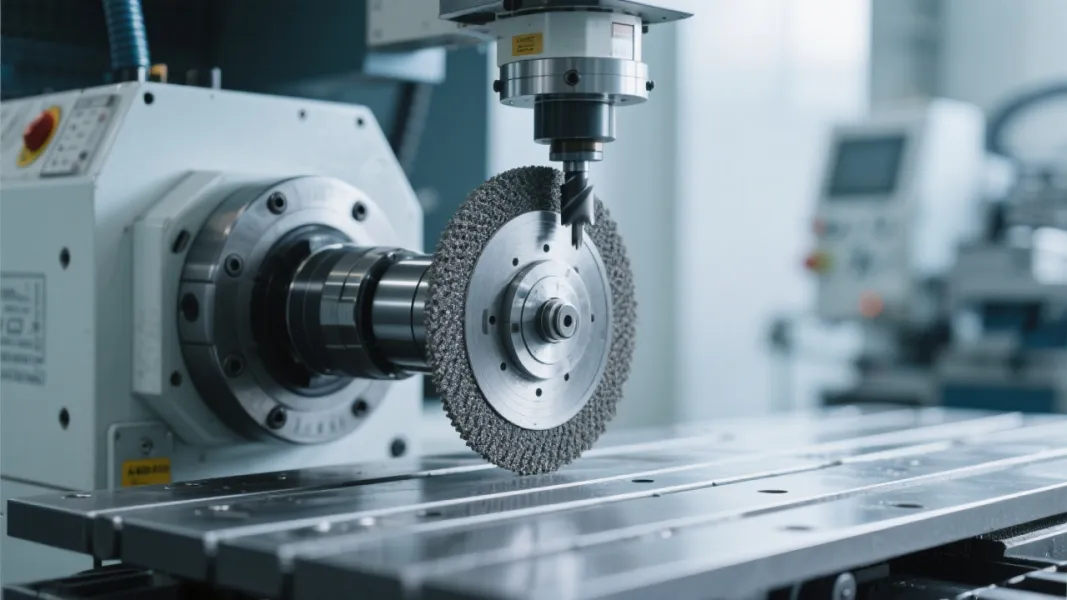
 483
|
483
|
 diamond cutting tools
superhard cutting tools
high-precision metal processing
industrial manufacturing efficiency
custom cutting tool solutions
diamond cutting tools
superhard cutting tools
high-precision metal processing
industrial manufacturing efficiency
custom cutting tool solutions
 423
|
stainless steel cutting efficiency
brazed diamond blade selection
diamond blade longevity
stainless steel cutting tools
industrial blade optimization
423
|
stainless steel cutting efficiency
brazed diamond blade selection
diamond blade longevity
stainless steel cutting tools
industrial blade optimization
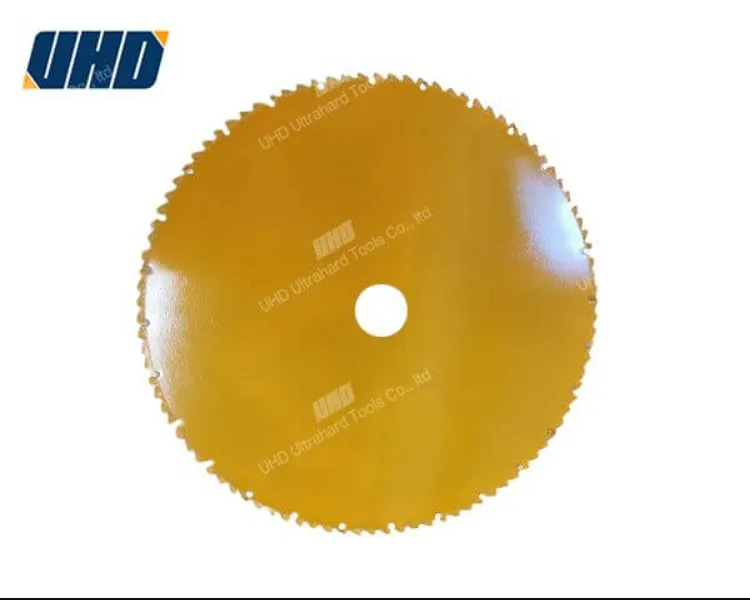 473
|
UHD super-hard material cutting tools
high-precision metal processing cutting tools
customizable diamond cutting tools
298
|
low dust saw blade
dry vs wet cutting
diamond saw blade application
environmental cutting technology
green manufacturing solution
395
|
stainless steel cutting efficiency
brazed diamond saw blade
diamond grit technology
cutting parameter optimization
blade edge maintenance
473
|
UHD super-hard material cutting tools
high-precision metal processing cutting tools
customizable diamond cutting tools
298
|
low dust saw blade
dry vs wet cutting
diamond saw blade application
environmental cutting technology
green manufacturing solution
395
|
stainless steel cutting efficiency
brazed diamond saw blade
diamond grit technology
cutting parameter optimization
blade edge maintenance








.png?x-oss-process=image/resize,h_600,m_lfit/format,webp)