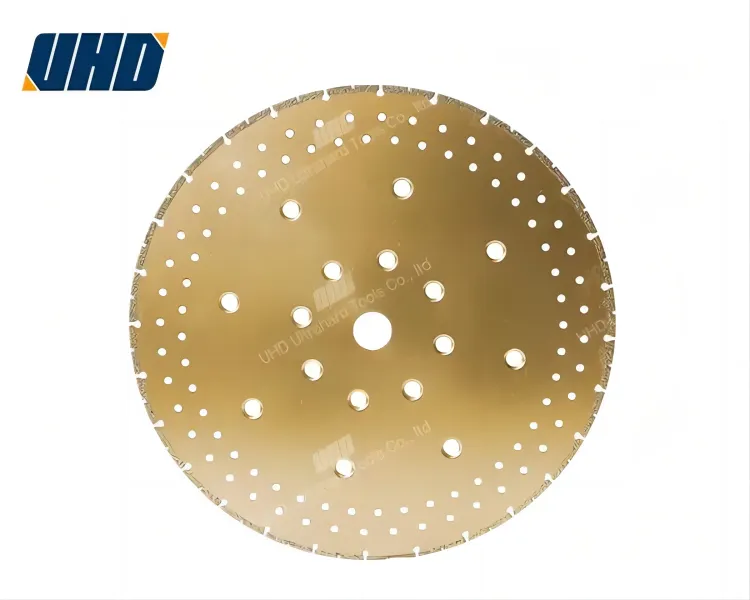
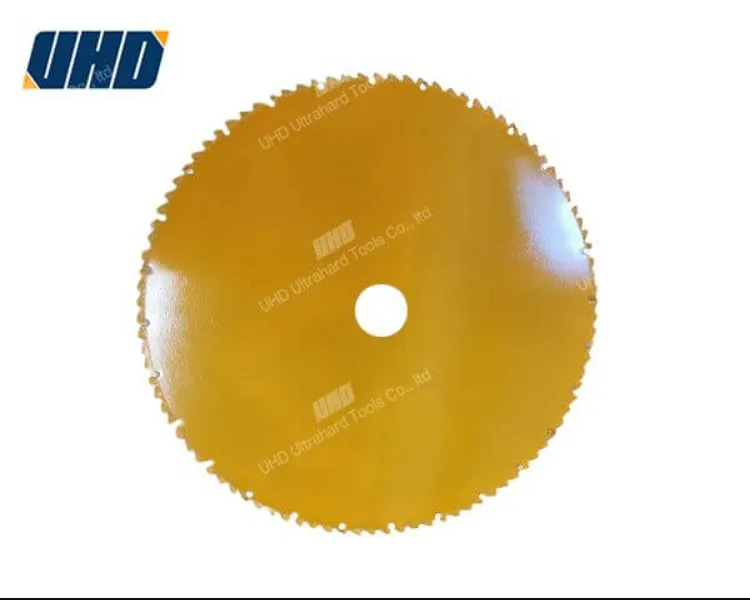
Are you struggling with frequent tool wear or low cutting efficiency in your metal or stone fabrication operations? Selecting the right diamond cutting tool directly impacts your operational costs, tool longevity, and overall productivity. This guide walks you through the essential technical criteria such as bond hardness, abrasive concentration, and brazing quality, offering actionable recommendations tailored for typical applications like stainless steel, granite, and marble.
The performance of diamond cutting tools hinges on three principal factors:
Optimizing these parameters based on your specific workpiece can yield performance boosts upwards of 30-50% in cutting efficiency and extend tool life by up to 40%.
Different materials demand distinct tool configurations. Below are targeted guidelines for common scenarios:
| Material | Recommended Bond Hardness | Diamond Concentration (%) | Typical Feed Speed (mm/s) | Cutting Thickness (mm) |
|---|---|---|---|---|
| Stainless Steel | Medium to Hard | 50 - 60% | 6 - 10 | up to 20 mm |
| Granite | Soft to Medium | 60 - 70% | 8 - 12 | up to 30 mm |
| Marble | Hard | 40 - 55% | 5 - 9 | up to 25 mm |
Are you unsure whether your feed speed matches the material hardness? Improper feed rates can cause blade glazing or tool overheating, dramatically shortening cutting tool life.
One manufacturing plant specializing in stainless steel components recently upgraded to our UHD ultra-hard diamond material tools. Their data showed:
"Have you observed frequent chipping or inconsistent cut quality? These might be signs your current diamond tool parameters don't fit your material."
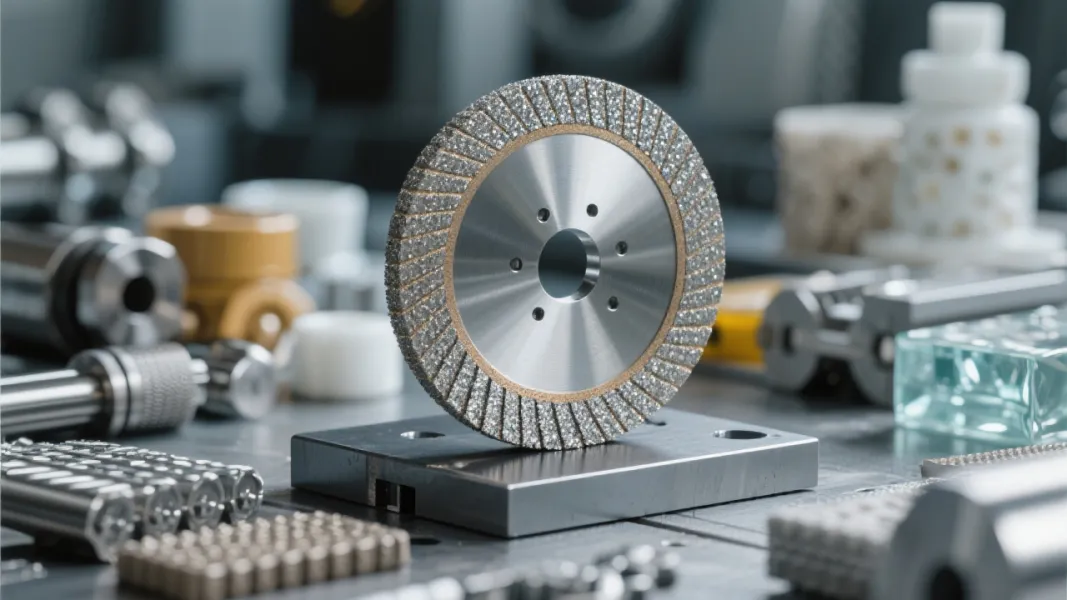
Misapplication of diamond cutting tools often stems from overlooking:
Regularly verify the brazing integrity and inspect your tools for uneven wear patterns. Recalibrate feed speeds based on material batches to maintain consistent results.
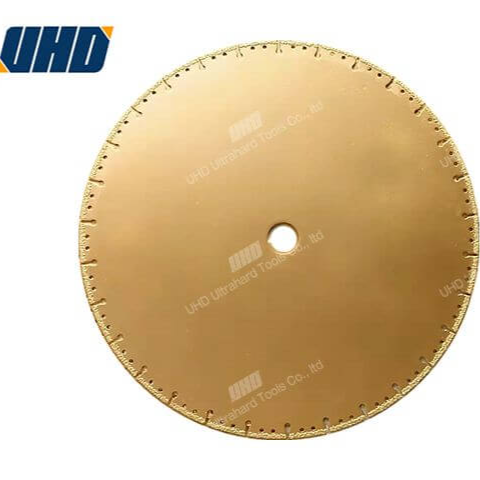
To simplify your decision-making, consider this streamlined framework:
Following this guide will empower you to optimize tool selection swiftly and confidently, cutting down experimentation time and operational risks.
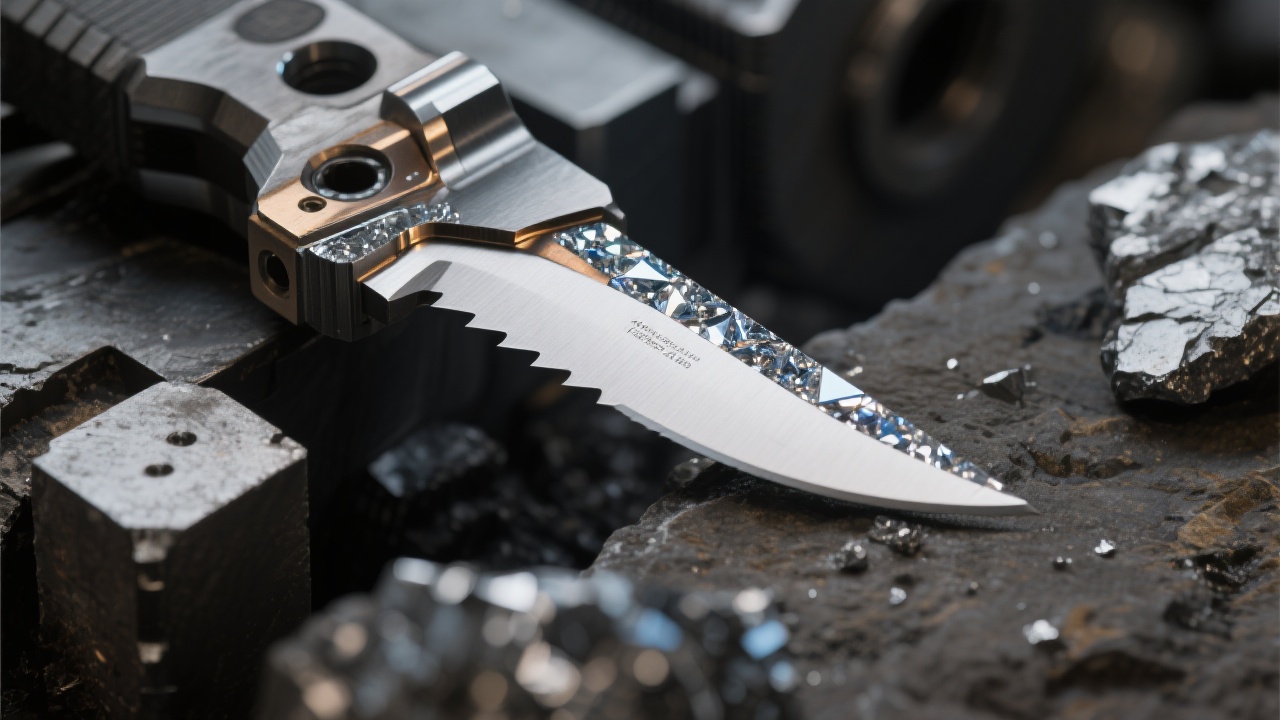
Upgrade to UHD Ultra-Hard Diamond Tools—engineered for unmatched durability and efficiency. Make every cut sharper, faster, and longer-lasting.
Discover UHD Tools Now
 463
|
463
|
 brazed diamond saw blade
saw blade vibration detection
construction cutting tools
diamond blade performance
vibration control in sawing
brazed diamond saw blade
saw blade vibration detection
construction cutting tools
diamond blade performance
vibration control in sawing
 483
|
diamond cutting tools
superhard cutting tools
high-precision metal processing
industrial manufacturing efficiency
custom cutting tool solutions
483
|
diamond cutting tools
superhard cutting tools
high-precision metal processing
industrial manufacturing efficiency
custom cutting tool solutions
 103
|
UHD diamond cutting blade
high-performance cutting blade
industrial metal cutting tools
stone cutting solutions
welded diamond blades
103
|
UHD diamond cutting blade
high-performance cutting blade
industrial metal cutting tools
stone cutting solutions
welded diamond blades
 433
|
Saw blade vibration control
Diamond saw blade design
Cutting noise reduction
400mm saw blade performance
Brazing process optimization
433
|
Saw blade vibration control
Diamond saw blade design
Cutting noise reduction
400mm saw blade performance
Brazing process optimization
 479
|
400mm brazed diamond saw blade
selection of concrete cutting saw blades
saw blades for high - rise building demolition
cutting tools for bridge maintenance
advantages of brazed process saw blades
479
|
400mm brazed diamond saw blade
selection of concrete cutting saw blades
saw blades for high - rise building demolition
cutting tools for bridge maintenance
advantages of brazed process saw blades






.png?x-oss-process=image/resize,h_600,m_lfit/format,webp)