Selecting the right diamond cutting blade is essential for achieving high performance and durability in metal processing — especially when targeting demanding export markets. Whether you’re new to metal fabrication or a seasoned engineer, mastering the technical nuances behind UHD’s diamond cutting blade specifications can save you costly mistakes and improve operational efficiency.
The term “400 specification” in diamond cutting blades refers to precise design criteria influencing blade performance at runtime. These include:
According to ISO 525:2019 and GB/T 2984-2019, these specifications set international standards that UHD adheres to, guaranteeing export-grade quality.
One of the decisive factors behind UHD’s high-performance diamond cutting blades is the controlled particle arrangement. Uniform grain dispersion reduces heat concentration and blade wear.
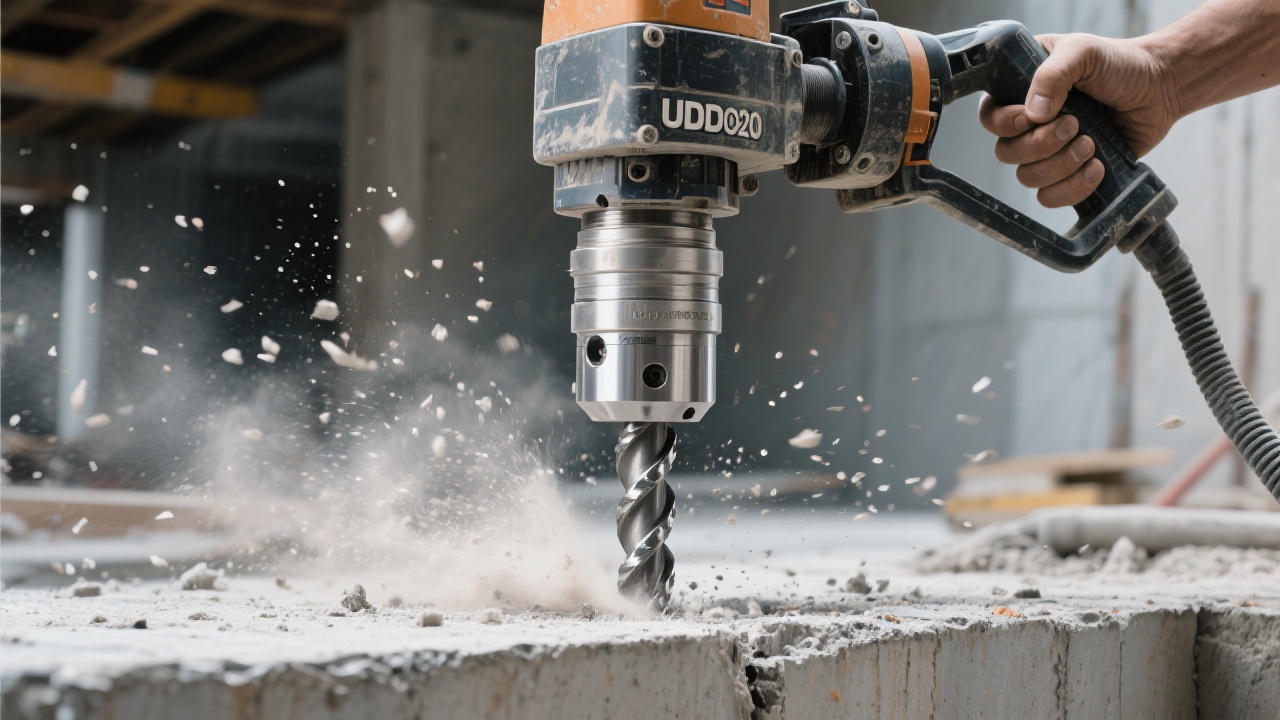
This particle optimization translates to:
UHD’s technical guidelines stress the importance of matching your blade to both material type and specific cutting conditions:
Remember to consider UHD’s cutting speed compatibility — too high RPM with an improper bond can cause premature blade failure and compromise operator safety.
Proper installation and regular maintenance directly impact blade lifespan. UHD recommends:
Skipping these steps can reduce the blade’s usable life by 15-20% and increase operational hazards.
Export markets require blades that not only meet performance metrics but also comply with diverse industrial standards and user expectations. UHD prioritizes:
These factors contribute to UHD’s growing reputation as a trusted supplier in markets across Europe, North America, and Asia.
Beyond surface specifications, UHD utilizes proprietary manufacturing techniques including:
These innovations mean operators face fewer interruptions, less downtime, and more predictable maintenance schedules — critical factors when competing globally.
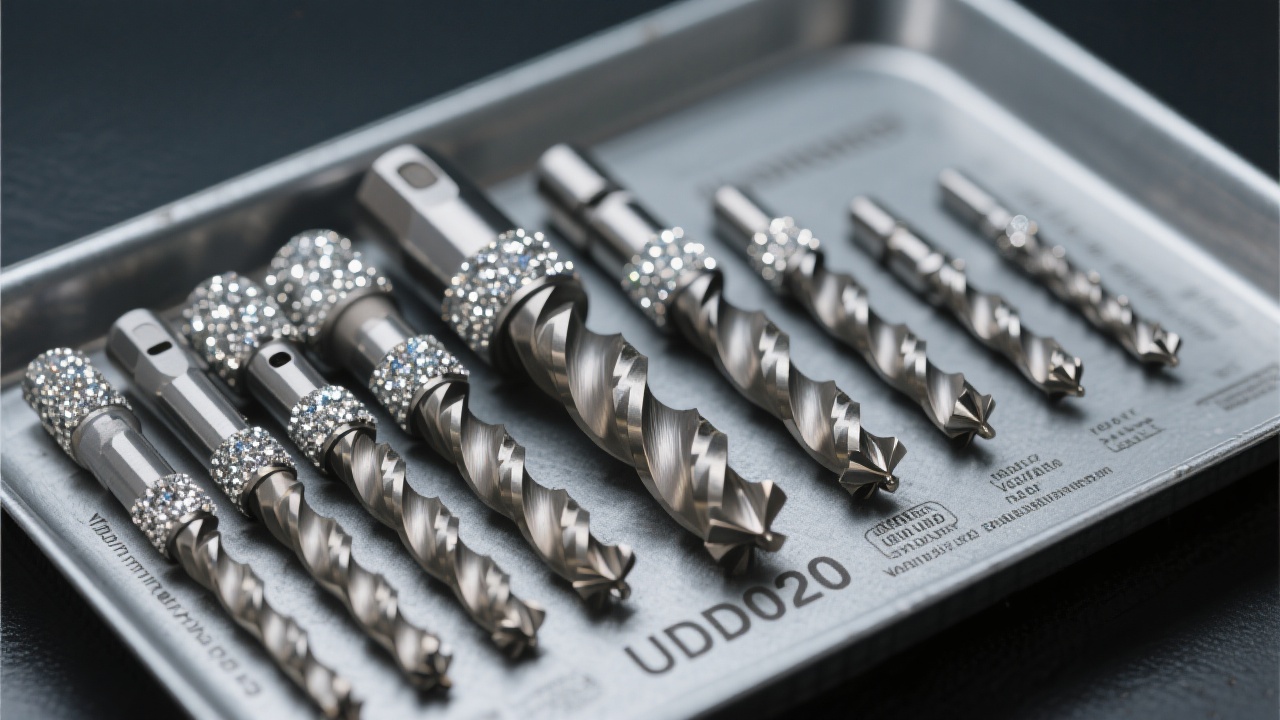
UHD also recommends monitoring cutting parameters through sensor integration where possible, to adapt operational speeds dynamically—minimizing wear and extending practical blade life.
Many users overlook factors like heat buildup or improper bonding type — leading to blade warping or premature breakage. UHD’s resources provide a step-by-step troubleshooting guide:
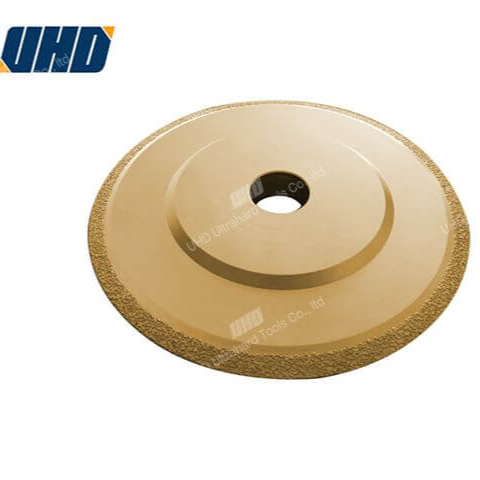
By leveraging these technical insights and UHD’s engineering expertise, you position your operations to meet international market demands with confidence and precision.

 128
|
128
|
 high-performance diamond cutting blades
high-hardness alloy steel cutting
metal cutting efficiency
diamond particle distribution
blade substrate materials
high-performance diamond cutting blades
high-hardness alloy steel cutting
metal cutting efficiency
diamond particle distribution
blade substrate materials
 233
|
brazed diamond saw blade maintenance
saw blade rust prevention
cutting vibration identification
saw blade replacement cycle
industrial cutting efficiency improvement
233
|
brazed diamond saw blade maintenance
saw blade rust prevention
cutting vibration identification
saw blade replacement cycle
industrial cutting efficiency improvement
 32
|
vacuum brazing process
diamond cutting tools durability
brazing defects identification
diamond tool manufacturing
high-performance cutting tools
32
|
vacuum brazing process
diamond cutting tools durability
brazing defects identification
diamond tool manufacturing
high-performance cutting tools
 304
|
vacuum brazed diamond tools
precision metal machining
diamond cutting tools
tool life optimization
cooling method in machining
304
|
vacuum brazed diamond tools
precision metal machining
diamond cutting tools
tool life optimization
cooling method in machining
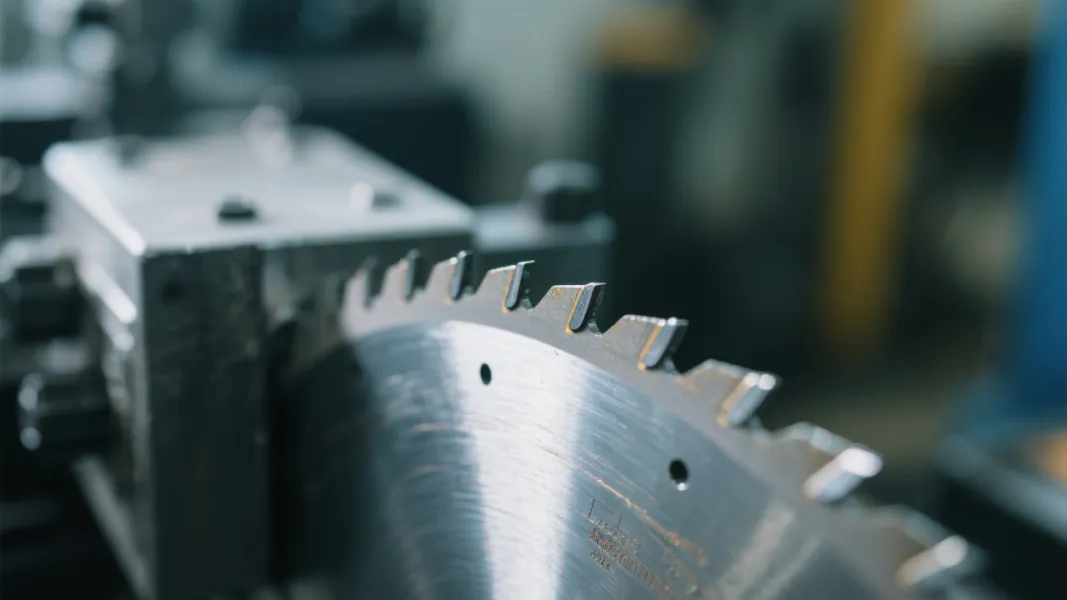 449
|
reduce industrial cutting dust
welded diamond cutting blade
UHD 400 diamond blade
PM2.5 dust reduction
green manufacturing cutting solution
449
|
reduce industrial cutting dust
welded diamond cutting blade
UHD 400 diamond blade
PM2.5 dust reduction
green manufacturing cutting solution